Higher, windier, and closer to Zion than St. George, Hurricane runs on its own pest calendar, and its vacation rentals add a few problems of their own.
Free inspections & quotesSame-day service availableSatisfaction guaranteed
Licensed & Insured
Family & Pet Friendly
Same-Day Service
Re-Treatment Guarantee
Trusted Locally
Licensed & Insured · UT #24592
Local & trusted
Your Hurricane pest control team
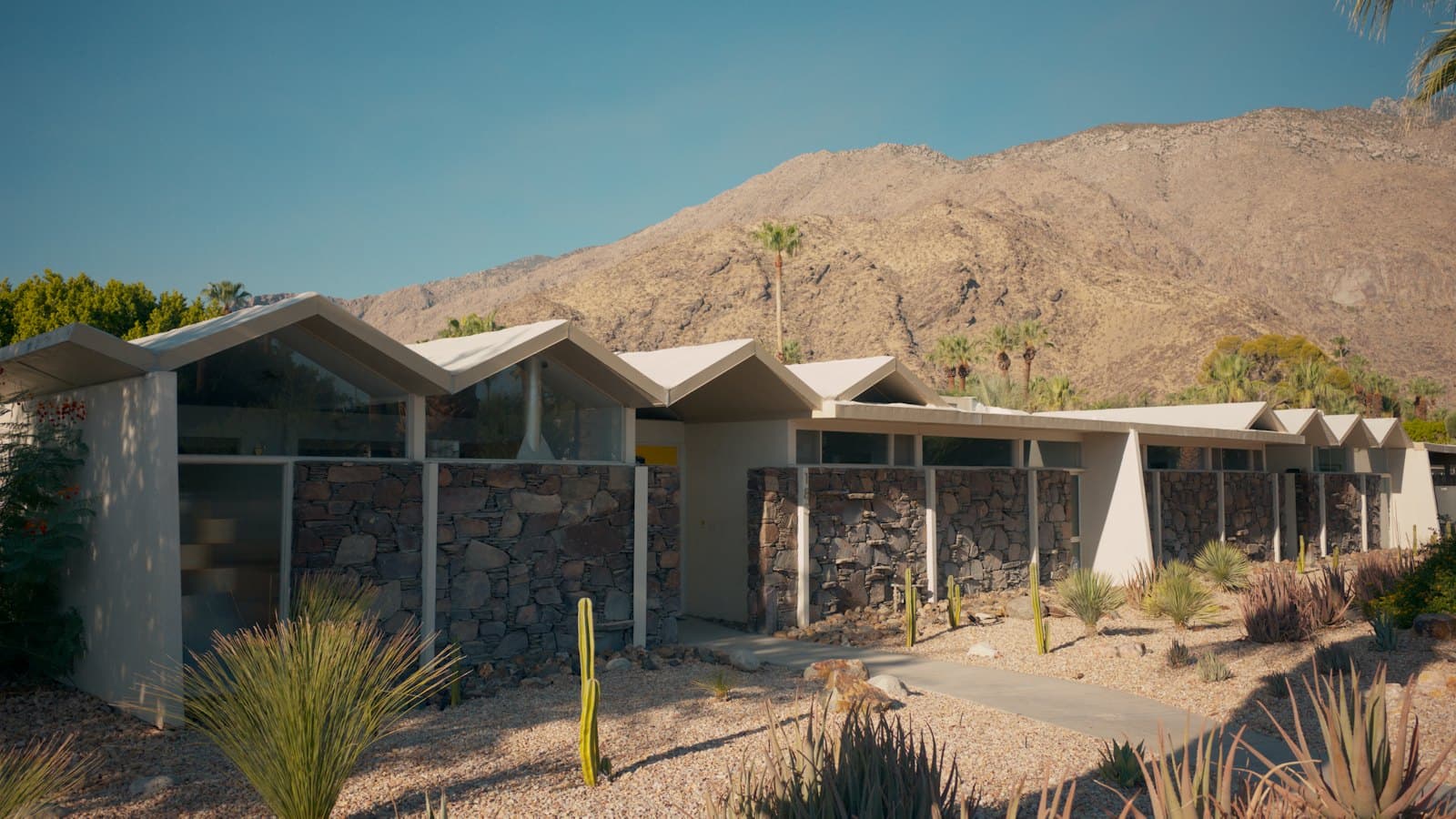
Hurricane isn't just another St. George suburb. It sits about twenty-five minutes northeast, up the hill at roughly 3,250 feet, below the Hurricane Cliffs and on the road to Zion. That bit of extra elevation makes winter nights colder and spring a little later, so the busy pest seasons tend to arrive a week or two behind St. George and end a little sooner.
The landscape is different too. A lot of Hurricane is built on open desert, black lava flows, and sandy benches, with Sand Hollow and its red sand dunes to the southwest and the canal-fed Hurricane Fields to the south. The lava and rock bring scorpions, black widows, and pack rats right up to the newer neighborhoods. The irrigated fields and the town's older canal system bring ants, earwigs, gophers, and mosquitoes. Most homes have some of each.
Then there are the rentals. Hurricane is a base for Zion and Sand Hollow visitors, and many homes here are short-term rentals or second homes that sit empty between guests. An empty house is exactly where rodents, spiders, and scorpions settle in, and travelers can bring bed bugs with them. Those properties do best on a regular schedule that doesn't depend on someone being there to notice a problem.
Same-day service available across the area
EPA-registered products, applied precisely per label
Free inspections and honest, upfront quotes
Backed by our re-treatment guarantee
Every Hurricane ZIP code, 84737 through 84737, on the same schedule.
~25 min
Up the road from central St. George
3,250 ft
Higher than St. George, so the seasons shift
84737
One ZIP code, from old town to Sand Hollow
100%
Re-treatment guarantee
Neighborhood by neighborhood
What we see where in Hurricane
Hurricane isn't one pest problem, it's ten. Find your neighborhood below for the pressure we actually treat there.
Old town Hurricane
84737
The original town around State Street and Main, with older homes, big shade trees, and irrigation that dates back to the canal days. Unsealed foundations and old utility gaps let ants, roaches, and mice in, and the mature trees bring spiders and wasps to the roofline.
Hurricane Fields
84737
Canal-fed farm ground and larger lots south of town, with pasture, gardens, and outbuildings. Pocket gophers, earwigs, and mosquitoes are common, and mice and pack rats move from the fields into sheds, barns, and garages as nights cool.
Sky Mountain & the golf course area
84737
Homes along the golf course with lava rock, irrigated turf, and big views of the Pine Valley Mountains. The lava rock is scorpion and widow habitat, the turf draws crickets and gophers, and the two meet right at the back patio.
Sand Hollow
84737
Resort homes, vacation rentals, and newer subdivisions near the reservoir and the dunes. Lots of homes sit empty between guests, which gives rodents and spiders time to settle in, and the sandy desert ground around them is home to scorpions and ground spiders.
Dixie Springs
84737
Hillside homes on the bench south of town, surrounded by open desert and rock. Bark scorpions, black widows, and crickets come off the slopes, and homes on the outermost streets need a tighter exterior treatment than those closer in.
The La Verkin & Toquerville approach
84737
The north end of Hurricane near the Virgin River gorge, with river-bottom ground below and lava benches above. Moisture from the river keeps earwigs and mosquitoes going, while the rock above supplies scorpions and pack rats. La Verkin and Toquerville have their own pages, but the pattern is similar.
Don’t see your street? Call (435) 900-8529 and we’ll tell you straight what we see in your area.
The Hurricane calendar
When Hurricane pests actually show up
Desert pest pressure is seasonal and it's predictable. Knowing which window you're in is most of knowing what to treat.
SpringMarch – April
A slightly later start
Hurricane's extra elevation means spring arrives a little behind St. George. Once it does, ants surface along foundations, gophers start mounding in the Fields and on golf-course lawns, and scorpions begin moving at night. Wasp queens start looking for nest sites under eaves and patio covers.
Early summerMay – June
Heat, wind, and dry ground
Hot, dry, and often windy. Scorpions and black widows head into garages, block walls, and anywhere shaded, ants trail indoors looking for water, and wasp nests grow quickly around patios and outbuildings. Vacation rentals that sit empty for a week can collect a surprising amount of activity.
MonsoonJuly – September
Storms off the cliffs
Monsoon storms building over the Hurricane Cliffs can drop a lot of rain fast. Crickets, millipedes, and earwigs surge out of the washes and rock beds afterward, mosquitoes breed near the canals and river, and scorpions climb walls and fences to get off the wet ground.
Cool seasonOctober – February
Colder nights, earlier rodents
Hurricane cools off sooner and gets more frost than St. George, so mice and pack rats start heading for garages, engine bays, and attics earlier in the fall. Spiders follow the last insects inside. It's the best time for exclusion work, and a good time to make sure empty rentals are sealed up.
Services in Hurricane
What we treat in Hurricane
Each one written for Hurricane specifically: the neighborhoods it matters most in, when it gets done here, and what it costs.
From bark scorpions and black widows to the termites and rodents that sneak indoors, our treatments are built for the bugs that actually live in southern Utah.
Extreme heat, monsoon storms, and scarce water make desert pests highly opportunistic. Here's why seasonal pest control is the right strategy for southern Utah.
As desert nights cool, mice, rats, and pack rats go looking for warm, protected places, including your attic, garage, and engine bay. Here's how proactive rodent proofing keeps them out.
Even a mild southern Utah winter sends pests looking for warmth through gaps in the structure. Here's how sealing the right entry points stops seasonal migration before it starts.
Brutal summer heat and mild winters let spiders stay busy in St. George homes nearly year-round. Here's what steady indoor spider activity is really telling you.
In a dry climate, any damp spot and tiny gap gives pests the water and access they're after. Here's how moisture and entry points invite infestations and what to check.
Do you charge more for Hurricane than for St. George?
No. There's no trip charge or distance fee for Hurricane. It's a regular part of our route, and a home here costs the same as a similar home in St. George, based on its size and what we're treating. The one honest difference is timing: same-day service is realistic if you call in the morning, but next-day is the safer promise for Hurricane.
Is pest pressure different in Hurricane than in St. George?
Somewhat. Hurricane is a few hundred feet higher, so nights are colder and the seasons run a little behind St. George. Fall rodent activity tends to start earlier here, and spring pests show up a bit later. The terrain is also different, with more open lava rock and sandy desert around the newer neighborhoods, which means scorpions and pack rats are a bigger part of the picture.
Can you service my vacation rental between guests?
Yes, and it's a big part of what we do in Hurricane and around Sand Hollow. We can set a recurring schedule, coordinate access with your property manager or cleaning crew, work around booking dates, and send a short report after each visit. Empty homes are where pests settle in, so regular service matters more for a rental than for a home someone lives in full time.
Are scorpions worse in Hurricane?
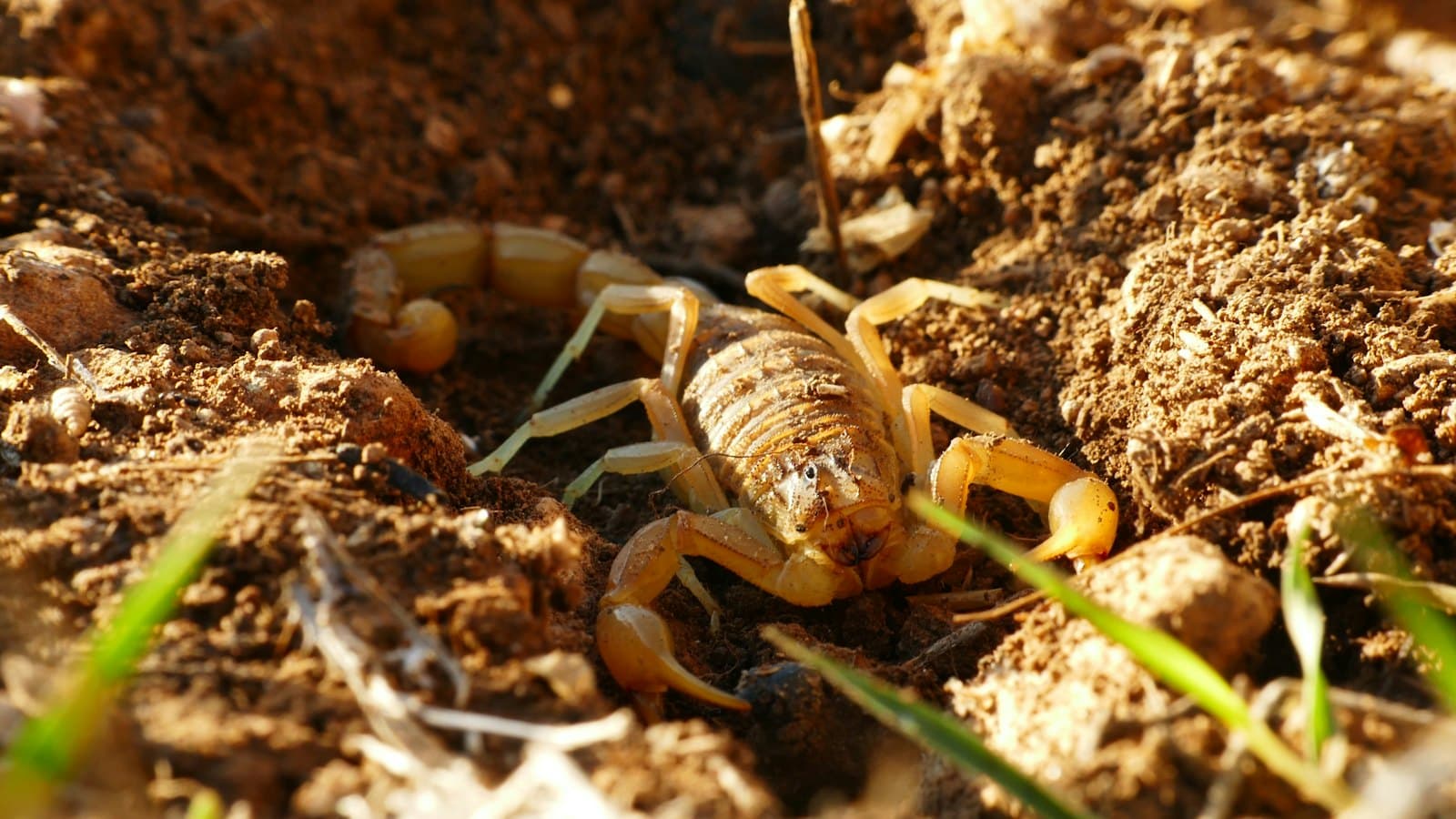
They're common, especially in neighborhoods built into lava rock and open desert like Dixie Springs, Sky Mountain, and the newer subdivisions near Sand Hollow. The Arizona bark scorpion is the one to watch for. It climbs walls and hides in block walls, rock landscaping, and garages. A regular exterior barrier, sealed garage doors and weep gaps, and less rock and debris against the house make a big difference.
Something is chewing the wiring in my car and my AC unit. What is it?
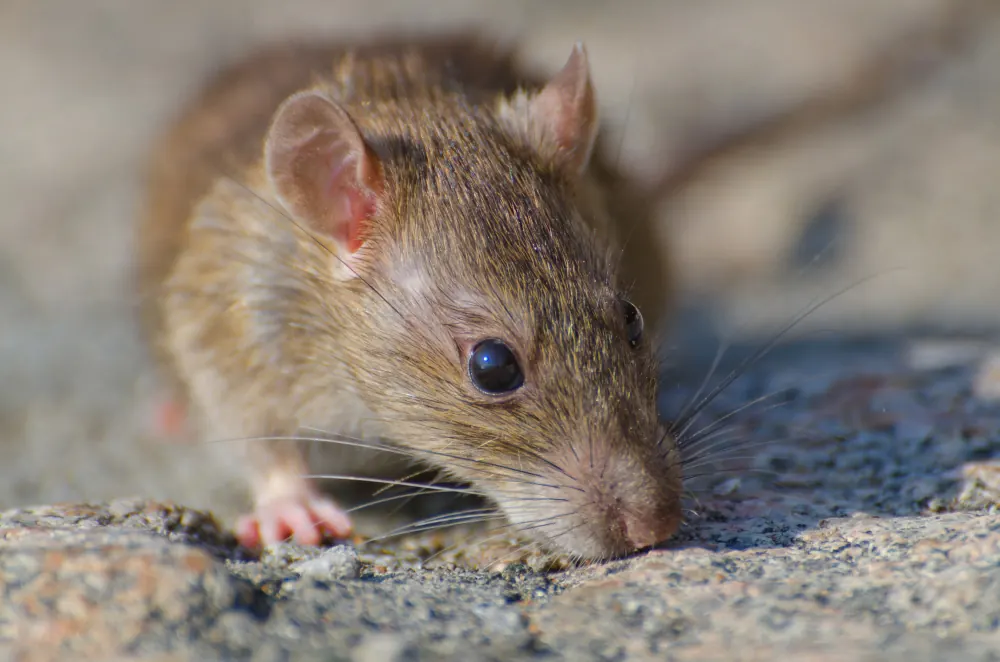
In Hurricane, it's very often a pack rat. They nest in engine bays, under hoods, and around outdoor HVAC equipment, and they chew wires and insulation. We remove the nest, trap the rats using it, and help you cut back the brush piles and clutter that give them cover near where you park. Catching it early can save an expensive repair.
Do you work on farm properties and outbuildings in Hurricane Fields?
Yes. Larger lots with barns, sheds, and pasture usually need the outbuildings treated along with the house, because that's where mice, pack rats, and wasps get established first. We can set up a plan that covers the whole property, including gopher trapping in irrigated ground.
Do you service all of Hurricane?
Yes. We cover Hurricane and the surrounding Washington County area, including ZIP code 84737. We work out of our St. George office, so Hurricane is a routine stop on our schedule, not a special trip. If you're just outside those ZIPs, call (435) 900-8529 and we'll tell you straight whether we can get to you.
How fast can you get to Hurricane?
In most cases, same day. Call before noon and we'll do our best to have a technician in Hurricane that afternoon; otherwise we'll almost always have you on the schedule within a day or two.
What pests are most common in Hurricane?
Hurricane sits below the Hurricane Cliffs on the road to Zion, a bit higher and cooler than St. George. Homes built on lava rock and sandy desert see scorpions, black widows, and pack rats, while the irrigated Hurricane Fields bring ants, gophers, and mosquitoes. Many homes here are vacation rentals that benefit from regular service. Ants, spiders, and scorpions are the calls we expect most across Washington County, with rodents climbing as fall cools things off and wasps and crickets building through the long summer.
How much does pest control cost in Hurricane?
Most homes in Hurricane are on one of our monthly plans: Pest Control at $65/mo (quarterly service), Pest + Weed at $125/mo (bi-monthly service), or White Glove at $599/mo (by appointment only). Those prices are for standard residential properties. Larger homes or heavy infestations can cost more, and we'll quote that up front after a free inspection.
What products do you use around kids and pets?
We use EPA-registered products, applied carefully according to the label and only where pests travel, not where your family and pets spend time. Before we treat, we'll gladly explain what we're using, how long it takes to dry, and when it's fine to go back into treated areas.
What if pests come back between visits?
If pests come back between your scheduled visits, we come back too, and we re-treat at no charge. There's no trip fee, no extra invoice, and no back-and-forth about it.
Are you licensed and insured in Utah?
Yes. Butter Pest Control is licensed and insured in Utah, and every technician who comes to your home is a trained, background-checked professional.
Free Estimate
Ready to see why everything is better with butter?
Tell us what’s bugging you and we’ll get back to you fast with a free quote, usually the same day.