Free inspections & quotesSame-day service availableSatisfaction guaranteed
Licensed & Insured
Family & Pet Friendly
Same-Day Service
Re-Treatment Guarantee
Trusted Locally
Licensed & Insured · UT #24592
St. George specifics
Ant Control in St. George, honestly
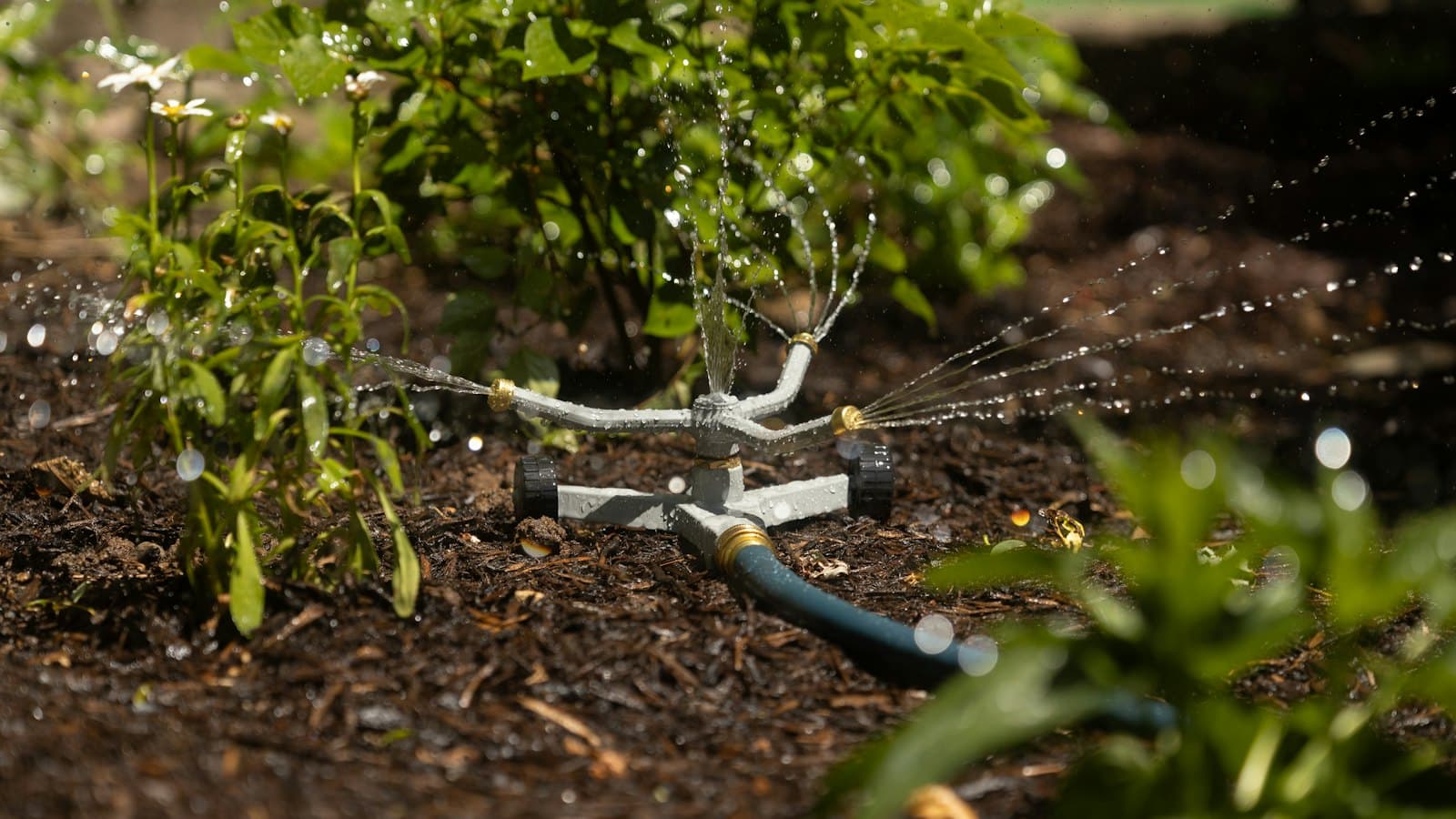
Ant problems in St. George come down to water. In a Mojave summer the only damp ground for miles is whatever's being irrigated, so colonies follow the drip lines, sprinkler heads, and golf course turf, and they come indoors for moisture when it gets hot. Kitchens and bathrooms in July are about water more than crumbs. A slow leak at a hose bib or an overwatered bed against the foundation is behind a large share of the ant calls we get.
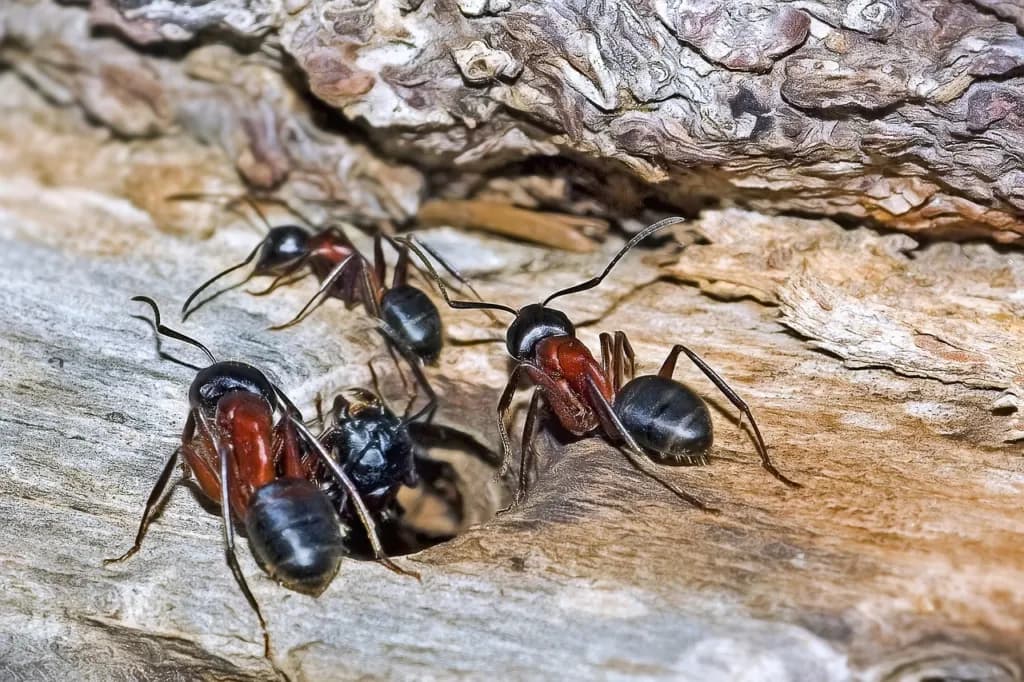
Which ant matters. Red harvester ants build wide, cleared discs in gravel and xeriscape and deliver a sting that hurts far more than their size suggests. That's a yard-safety problem for kids and pets more than a kitchen problem. Pavement ants come up through slab cracks and expansion joints, and odorous house ants trail inside from landscaping and can split into many small colonies when sprayed. Each one responds to a different bait, so we identify the ant before choosing a treatment.
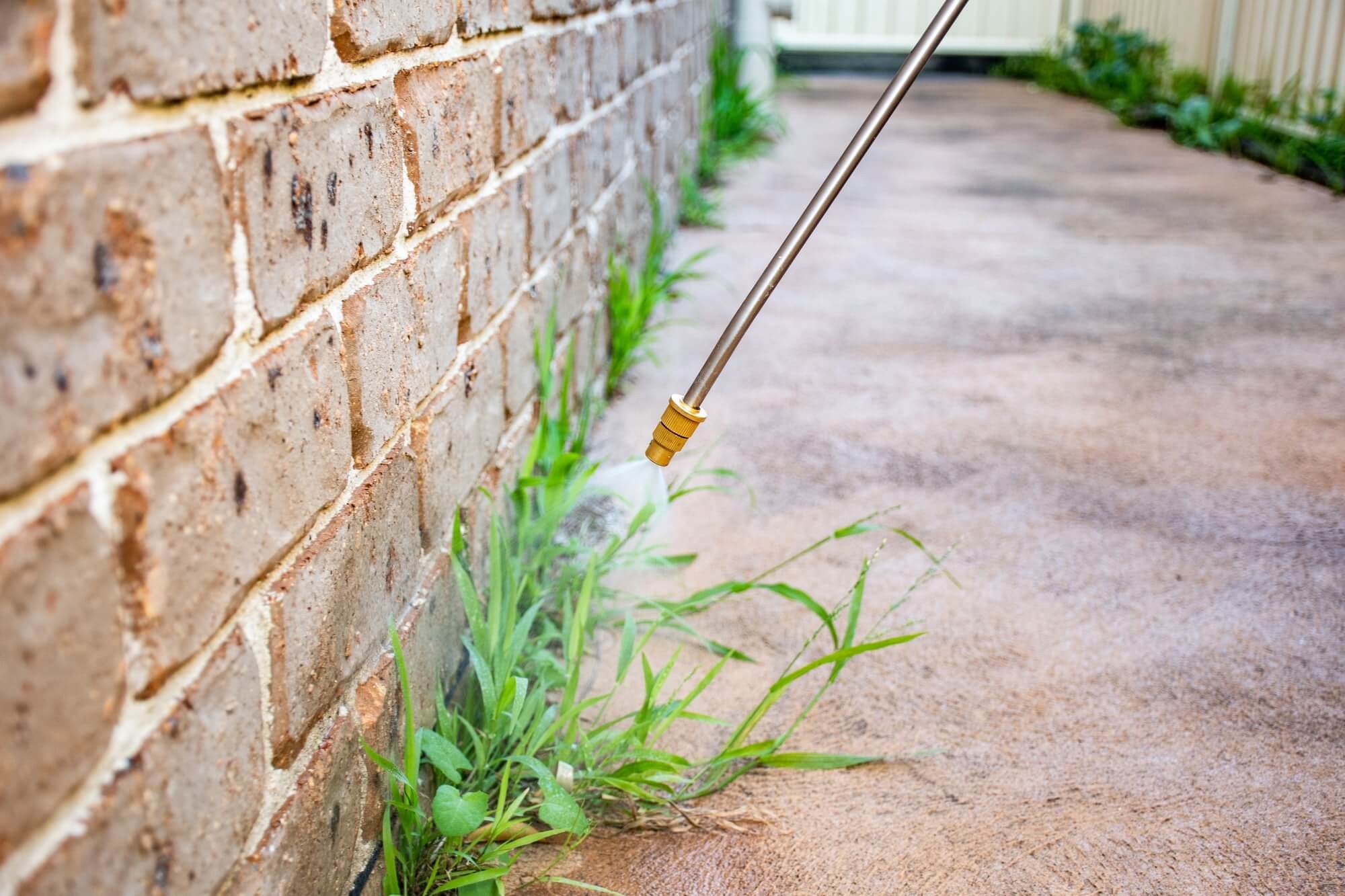
The method itself is simple: find the species, put down a bait the workers will carry back to the nest, treat the entry points and the exterior harborage, and break the trail at the foundation. Then let the bait do its work, which is where most do-it-yourself efforts fall apart.
St. George isn't one pest problem, and it isn't one treatment either. These are the parts of the city where this service does the most work, and why.
Sunbrook & Tonaquint
84770
Golf course turf and the Santa Clara River corridor keep the ground damp nearly year-round. Odorous house ants and pavement ants are active earlier in spring here than in most of the city, and homes on the course often see trails coming straight off the irrigated edge.
Sun River
84790
Well-kept HOA landscaping with drip irrigation in rock beds next to every home. Trails run from the beds to the slab edge and into garages, and the ant problem here is almost entirely a landscaping one. Treating the beds and foundation line usually solves it.
Desert Color
84790
New gravel and xeriscape yards next to open desert. Harvester ant colonies move in quickly on freshly graded lots, and their cleared discs show up in side yards and along walkways where kids and dogs walk. Treating mounds early keeps them from spreading.
Downtown & the historic core
84770
Older slabs with decades of settling cracks, and mature trees with branches touching the roof. Pavement ants come up through the floor and odorous house ants come down from the trees, so these homes need the structure treated as well as the yard.
Desert pest pressure is seasonal and it's predictable. Knowing which window you're in is most of knowing what to book.
Early spring surgeFebruary – April
Colonies get active as soon as the soil warms, which comes earlier here than almost anywhere else in Utah. Getting bait and a perimeter down before the first truly warm weeks costs less than cleaning up an established trail in May.
Heat-driven moisture huntingJune – August
When afternoons are well over 100, ants move indoors for water. Kitchens, bathrooms, and laundry rooms are where trails appear, and a dripping fixture or an overwatered bed against the wall is usually involved.
Monsoon flightsJuly – September
Summer storms trigger mating flights, and harvester ants and others swarm after the first good rain. New colonies get started in yards and gravel within days, so a fall check of the yard catches them while they're still small.
If the pests come back, so do we.
Free re-treats between scheduled visits, no questions, no extra invoice. That’s the Butter Promise.
Baits are just one tool for ant control. Here's why St. George ant problems keep coming back despite them, and the layered approach that actually reaches the colony.
That thin line of ants on the counter is only the visible edge of a much bigger colony. Here's what spring ant trails tell you and why professionals go after the source.
In the Mojave heat, a watered yard is an oasis, and pests treat it that way. Here's how summer irrigation can quietly increase pest pressure and how to water smarter.
When the heat finally breaks, ant colonies get busy stocking up and moving closer to the house, often out of sight. Here's the fall ant activity homeowners tend to miss.
How do I get rid of the harvester ant mounds in my gravel?
Treat the colony, not the surface. Kicking the mound or soaking it with a hose only scatters the workers, and the queen sits well below the cleared disc. A bait made for harvester ants, placed where the foragers are working, gets carried down to the nest. Keep kids and pets away from the disc in the meantime, since the stings are painful and some people react badly to them.
Why do ants show up in my bathroom in the middle of summer?
Because that's where the water is. In St. George's summer heat, ants forage for moisture as much as food, so showers, sink cabinets, toilet bases, and dishwasher lines get trails when everything outside is bone dry. Check for slow leaks and irrigation spraying against the wall. We bait the trail and treat the entry point, but fixing the water source keeps them from coming back.
Will treating the yard keep ants out of the house?
In newer neighborhoods like Sun River, Desert Color, and Little Valley, it usually does most of the work, since the colonies live in the irrigated beds and the house is sealed well. In older homes around downtown, the yard is only part of it, because ants come up through slab cracks and expansion joints that yard treatment can't reach. The inspection tells us which case you're in.
How long until the trail stops?
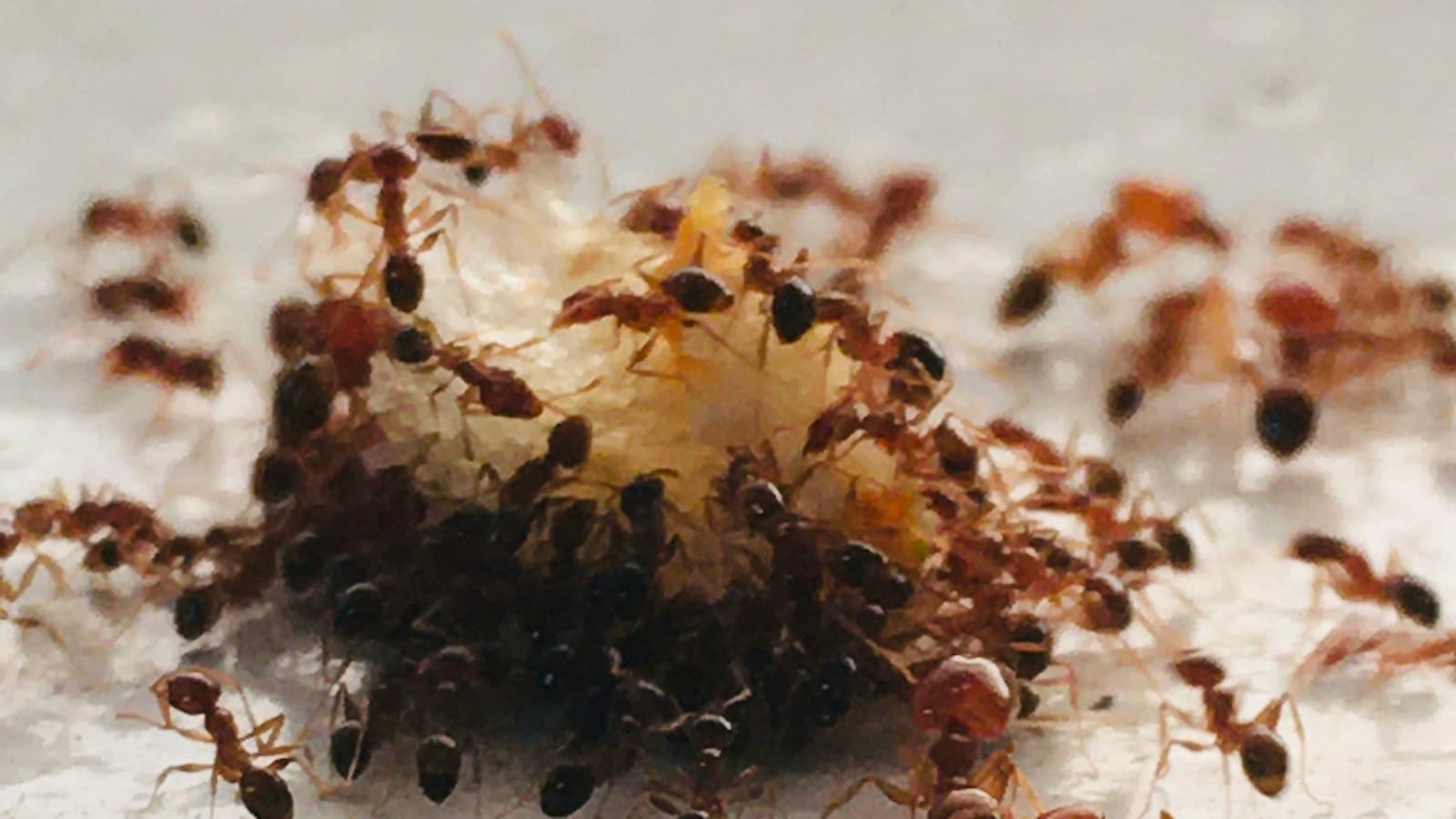
Usually three to seven days with bait. For the first day or two the trail may look busier, since more workers are being recruited to carry bait home. That's the treatment working. The quickest way to waste a good bait treatment is to spray that busy trail on day two.
How much does ant control cost in St. George?
Ant control is normally part of a recurring plan rather than a one-time service, because the colonies that matter keep getting fed by irrigation all season, and a single treatment in March has worn off by July. Most St. George homes sit on one of our monthly plans: Pest Control at $65/mo (quarterly service), Pest + Weed at $125/mo (bi-monthly service), or White Glove at $599/mo (by appointment only). Larger properties or heavy infestations can run higher, and we'll quote that up front after a free inspection.
What does an ant control visit in St. George cover?
Every visit covers: species identification and nest and entry-point inspection; targeted baits, applied per label, that reach the colony; exterior perimeter treatment; free re-treats if the trail comes back. What changes by address is the weighting. Sunbrook & Tonaquint and Sun River are two different jobs, so the technician decides on site where the time is best spent rather than running the same checklist everywhere.
Free Estimate
Ready to see why everything is better with butter?
Tell us what’s bugging you and we’ll get back to you fast with a free quote, usually the same day.