
Washington Fields
84780Irrigated farmland, ditch banks, and damp soil around homes and outbuildings. Fence posts, barns, sheds, and woodpiles touching the ground are often where activity shows up first, before it reaches the house.
Subterranean termites are common in Washington County, and in a city growing this fast, plenty of homes change hands without anyone looking underneath.
Termite Control at a glance
Washington, UT
Washington ZIP codes served
Subterranean termites are well established across Washington County, and Washington is no exception. They live in the soil and reach wood through mud tubes, pencil-width tunnels built up a foundation, slab edge, or wall. They need moisture, and in a desert city the moisture is usually something people added: sprinklers hitting the foundation, a leaking drip line, a planter built against the house, or the irrigated farmland of Washington Fields.
Each part of the city carries a slightly different risk. In Washington Fields, damp soil and nearby farm buildings, fence posts, and woodpiles give termites plenty to work with. In old town, older homes, additions, wooden sheds, and carports often have wood closer to the soil than current standards allow. In the newer neighborhoods like Coral Canyon and Sienna Hills, the construction is better, but stucco brought down below grade, foam trim, and landscape irrigation can hide termite activity until it's well along.
Because Washington has grown so quickly, a lot of homes are being bought and sold, and termite inspections are a regular part of those deals. Whether you're buying, selling, or just want to know, an inspection looks for mud tubes, damaged wood, and the moisture conditions termites need, and you get a written report either way.
Pests this covers
Every termite control visit includes all of this. Where the time goes depends on your address.
Washington isn't one pest problem, and it isn't one treatment either. These are the parts of the city where this service does the most work, and why.
Irrigated farmland, ditch banks, and damp soil around homes and outbuildings. Fence posts, barns, sheds, and woodpiles touching the ground are often where activity shows up first, before it reaches the house.
The city's oldest homes, often with additions, wooden porches, carports, and sheds built over the decades. Wood-to-soil contact and older foundations make this the area where an inspection most often finds something.
Newer construction with modern clearances and, often, a pre-construction soil treatment. Risk rises when stucco runs below grade, landscaping is built up against the wall, or sprinklers soak the foundation. Treatments on new builds don't last forever, so ask how old yours is.
Established homes with mature, heavily irrigated landscaping. Watered beds and mulch against the foundation keep the soil damp right where termites enter. Pulling irrigation back from the slab is one of the best things you can do here.
Covering every Washington ZIP from 84780 to 84780. Don’t see your street? See the full Washington breakdown or call (435) 900-8529.
Desert pest pressure is seasonal and it's predictable. Knowing which window you're in is most of knowing what to book.
Swarm seasonFebruary – May, and after monsoon rain
Winged termites leave mature colonies on warm days after rain, usually in spring and sometimes again after summer storms. Discarded wings on a windowsill or near a door mean there's an established colony nearby.
InspectionAny month
Subterranean termites work underground and stay active most of the year in this climate, so an inspection is worth doing whenever the question comes up. The findings don't depend on the season.
Buying or sellingAs needed
Termite inspections are a routine part of home sales here. A written report either clears the property or gives you something concrete to plan or negotiate around.
If the pests come back, so do we.
Free re-treats between scheduled visits, no questions, no extra invoice. That’s the Butter Promise.
Written for southern Utah specifically, not generic advice pulled from somewhere with a different climate.
 Pest Control
In a dry climate, any damp spot and tiny gap gives pests the water and access they're after. Here's how moisture and entry points invite infestations and what to check.
Read article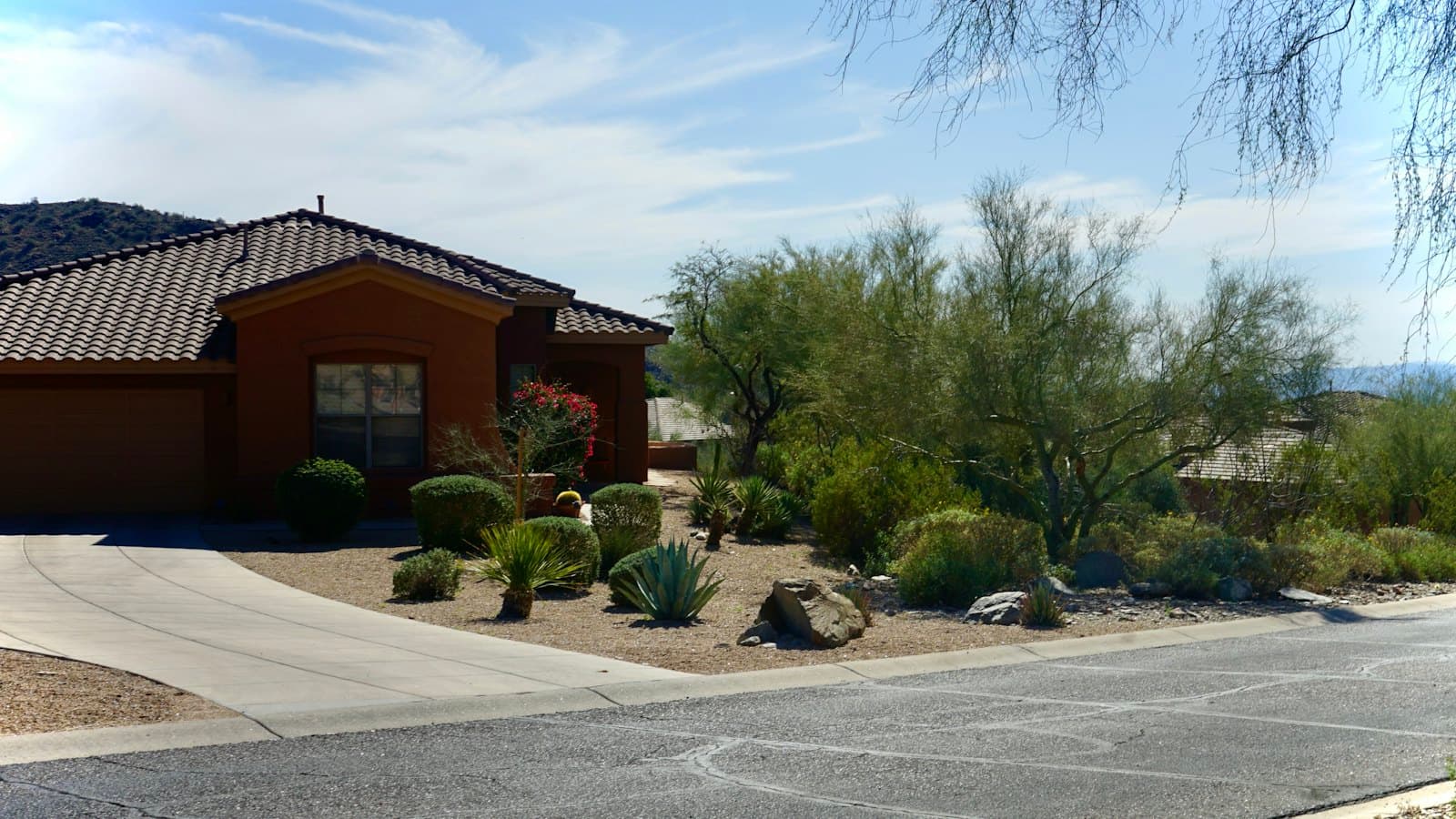 Pest Control
Buyers, inspectors, and tenants notice pest problems fast. Here's how consistent seasonal service protects the structure, the yard, and the curb appeal that drive a home's value.
Read article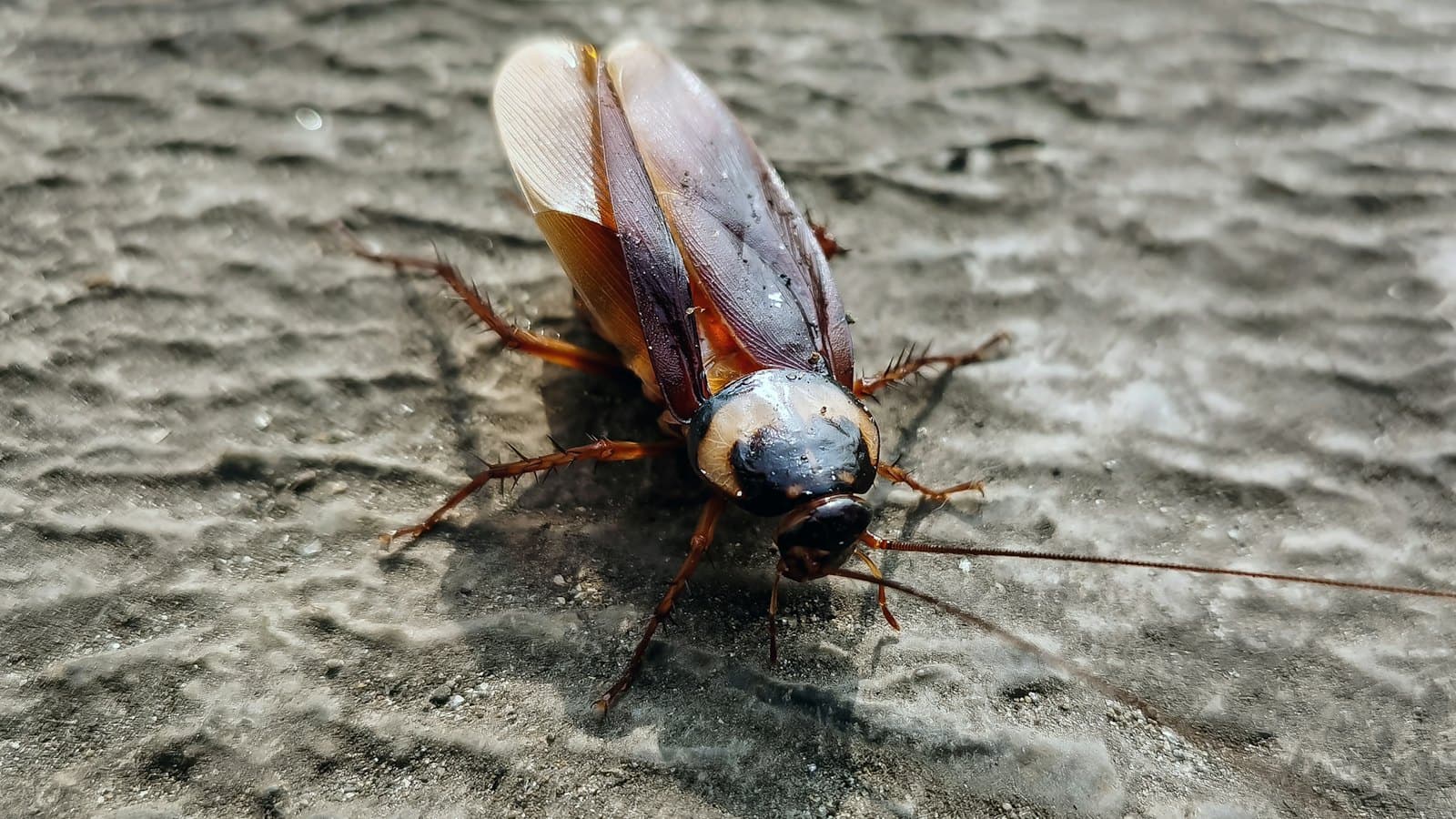 Pest Control
Most infestations leave clues long before you ever see the pest itself. These are the ones worth watching for.
Read article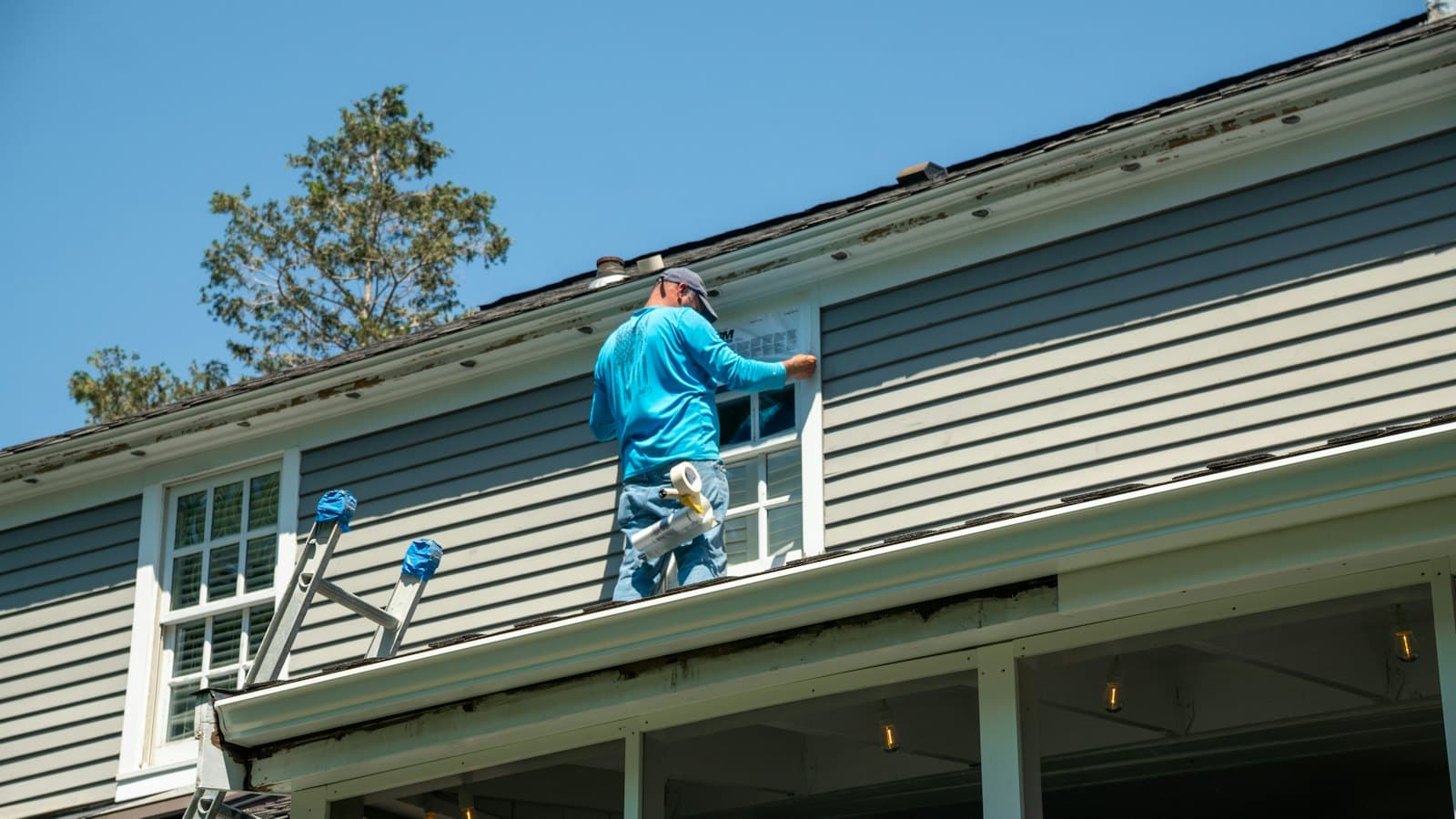 Pest Control
Keeping pests out begins with how you care for the house. Here are the spring tasks, outside and in, that close entry points and remove what attracts pests.
Read article Pest Control
The pests St. George and Washington County homes run into most often, and what draws each one toward the house.
Read article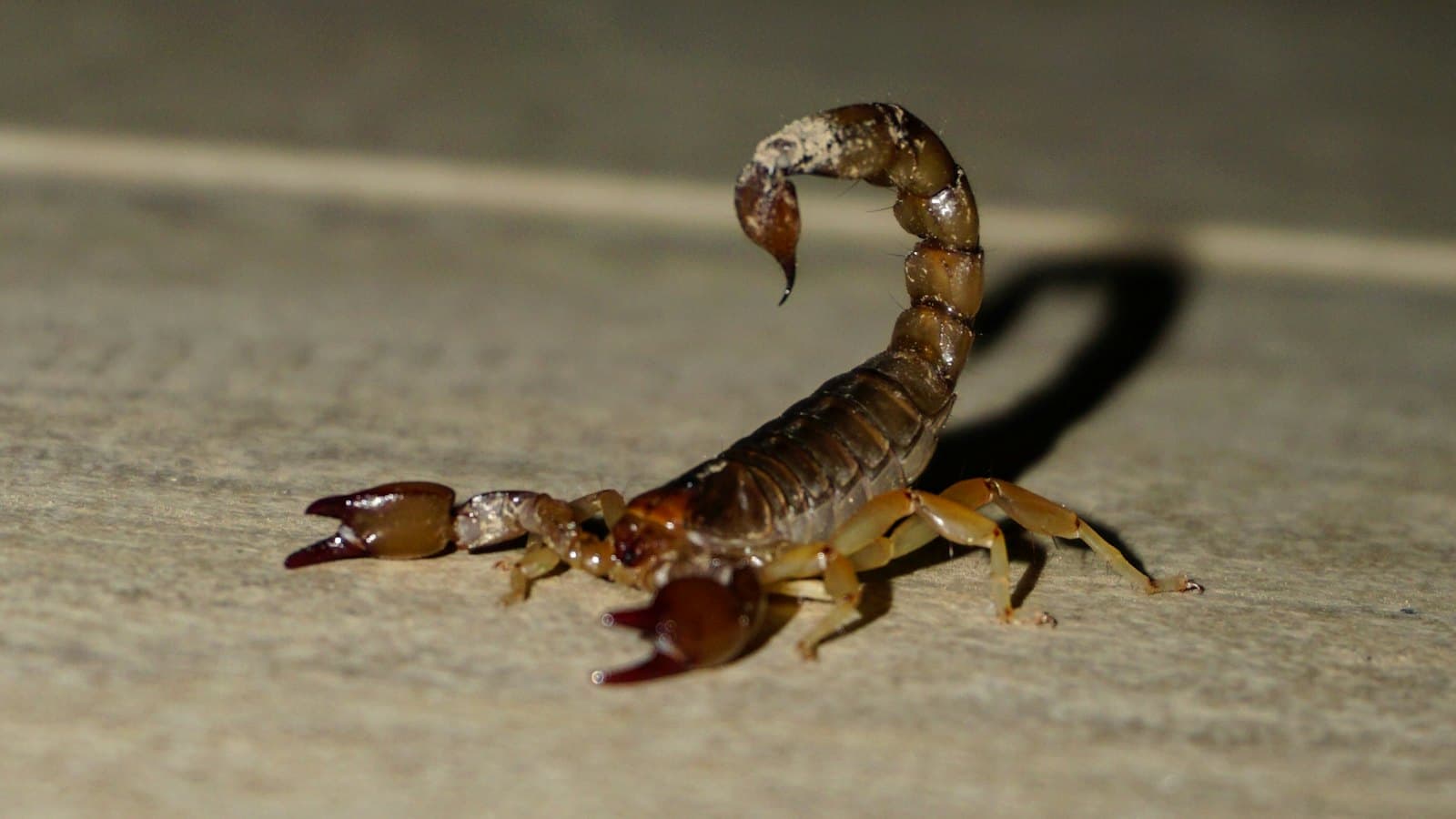 Pest Control
Why professional treatment reaches problems that store-bought products tend to miss.
Read articleStill curious about something? Call us any time, we're happy to talk it through, no pressure.
Yes. Subterranean termites are common across Washington County, and a desert climate doesn't protect you, because termites find the moisture homeowners add with irrigation and landscaping. Homes near the irrigated ground of Washington Fields and older homes in old town are where we find activity most often, but newer neighborhoods aren't immune.
Many new homes get a soil treatment before the slab is poured, which is good protection to start. But those treatments break down over time, and landscaping, irrigation, and grade changes after construction can create new routes around it. If your home is several years old or you've redone the yard, an inspection is worthwhile.
Mud tubes, which are thin dirt tunnels running up the foundation, slab edge, or a wall. Wood that sounds hollow or crumbles when you poke it. Small piles of discarded wings near windows or doors, often after a spring rain. And paint or drywall that bubbles or sags. Check the garage walls and the base of the stucco, where tubes are easiest to spot.
Most of it comes down to moisture and wood contact. Aim sprinklers away from the foundation and fix leaking drip lines. Keep soil, mulch, and rock a few inches below the bottom of the stucco. Move woodpiles off the ground and away from the house. Replace wooden fence posts or garden beds that touch the house. None of that requires us, and it all helps.
The inspection is free and includes a written report. Treatment is quoted based on what we find, since the cost depends on the size of the structure and how much of it needs treating. Either way you get the number before any work starts, and there's no trip charge for Washington: we're based in St. George, so it's a routine stop on our route rather than a special trip.
Every visit covers: full inspection of the foundation, slab edges, and any crawl space; identification of mud tubes, damage, and moisture problems; targeted soil and structural treatment where activity is found; a written report and a plan to fix what attracted them. What changes by address is the weighting. Washington Fields and Old town & the cotton mill area are two different jobs, so the technician decides on site where the time is best spent rather than running the same checklist everywhere.
Tell us what’s bugging you and we’ll get back to you fast with a free quote, usually the same day.