
Coral Canyon & Sienna Hills
84780Gravel and lava-rock yards next to open desert and vacant lots. Goatheads, spurge, and cheatgrass blow in constantly from the edges. A solid pre-emergent barrier across the rock is the main defense.
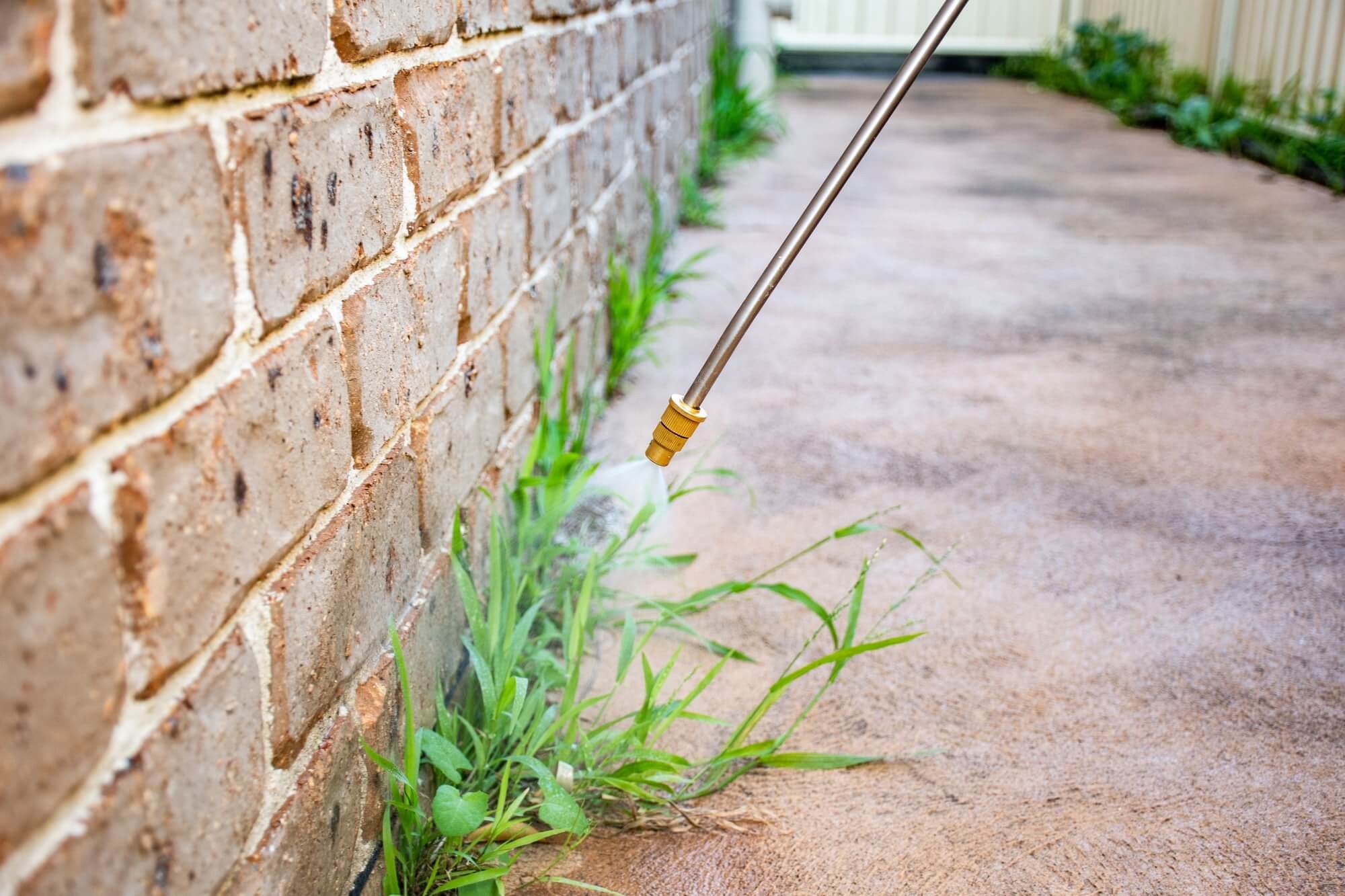
Gravel yards on the hills and farmland down in the Fields means Washington homeowners fight two kinds of weeds, often on the same lot.
Weed Control at a glance
Washington, UT
Washington ZIP codes served
Most Washington yards are rock: gravel, lava rock, and decorative stone over landscape fabric, which is the right choice for the Mojave and the hardest surface to weed by hand. Seed blows in, settles between stones, finds moisture from a drip line, and sends roots right through the fabric. Puncturevine (goatheads) is the one everyone learns to hate, with spiny seeds that stick to shoes, bike tires, and dogs' paws, but spurge, cheatgrass, and Russian thistle are just as common.
Washington Fields adds another source. Farmland, pasture, and ditch banks produce a steady supply of seed that wind and irrigation water carry into nearby yards. On the hillside edges of Coral Canyon and Sienna Hills, it's open desert and vacant lots doing the same thing. And in Green Springs, irrigated turf and golf-course edges bring the usual lawn and bed weeds, which grow fast when everything is watered.
Timing does more than anything else. A pre-emergent applied before the soil warms keeps seeds from sprouting at all. In the Mojave that window comes early, often in January or February, and there's a second one in the fall for cool-season weeds like cheatgrass. Miss them and you spend the rest of the year pulling and spraying what's already up.
Every weed control visit includes all of this. Where the time goes depends on your address.
Washington isn't one pest problem, and it isn't one treatment either. These are the parts of the city where this service does the most work, and why.
Gravel and lava-rock yards next to open desert and vacant lots. Goatheads, spurge, and cheatgrass blow in constantly from the edges. A solid pre-emergent barrier across the rock is the main defense.
Farmland, pasture, and ditch banks right next to homes, supplying a steady load of weed seed through wind and irrigation water. Treating fence lines, driveways, and the edges where yards meet fields makes the biggest visible difference.
Irrigated lawns, beds, and golf-course edges where weeds grow fast and HOA standards are strict. The transition areas where turf meets rock are where most of the work is.
Older lots with cracked driveways, fence lines, alleys, and gravel side yards. Lots of small, awkward spaces that make hand-weeding a chore and pre-emergent especially worth it.
Covering every Washington ZIP from 84780 to 84780. Don’t see your street? See the full Washington breakdown or call (435) 900-8529.
Desert pest pressure is seasonal and it's predictable. Knowing which window you're in is most of knowing what to book.
Spring pre-emergentJanuary – March
Applied before the soil warms enough for summer weeds like goatheads and spurge to sprout. The Mojave warms early, so this window comes sooner than many people expect.
Post-emergent cleanupMarch – October
Treating whatever is already up and anything that blows in later. Monsoon rains in late summer bring a fresh flush of weeds, especially in rock yards. With a good pre-emergent barrier, this is light touch-up work.
Fall pre-emergentSeptember – November
Targets cool-season weeds like cheatgrass that sprout in fall and winter and set seed by spring. Homes next to open desert or the Fields get the most from this application.
If the weeds come back, so do we.
Free re-treats between scheduled visits, no questions, no extra invoice. That’s the Butter Promise.
Written for southern Utah specifically, not generic advice pulled from somewhere with a different climate.
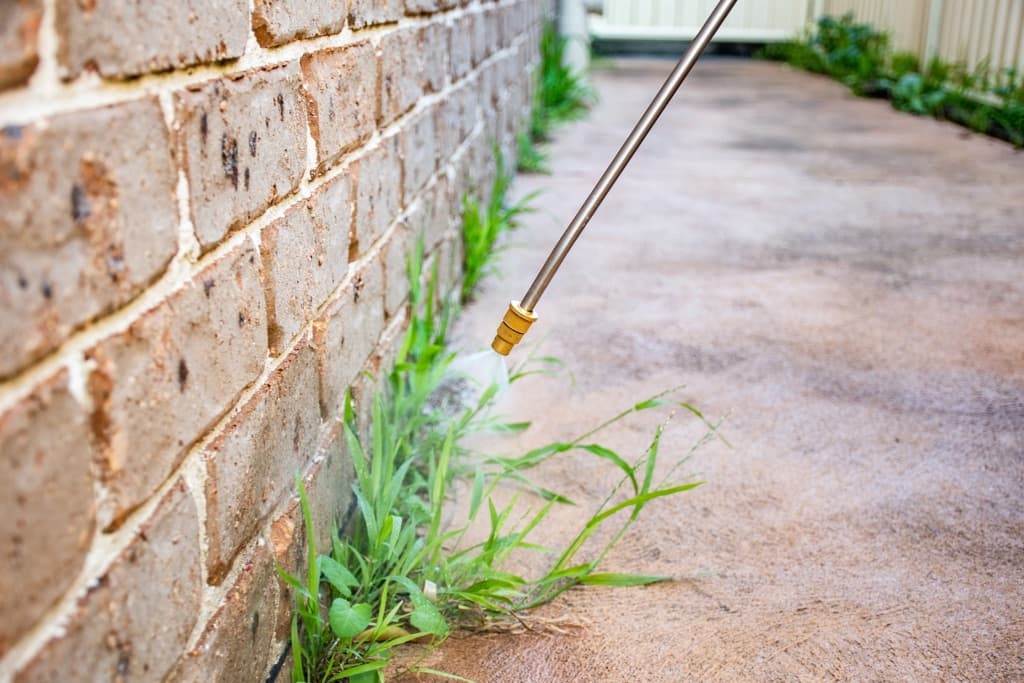 Weed Control
Weeds are more than an eyesore. They form a sheltered path that carries pests from the edge of the yard to your foundation.
Read articleWeed ControlTreating weeds early in the season breaks the seed cycle that makes them so much harder to control later.
Read articleWeed ControlHow often weeds need treatment to stay ahead of them, and what changes the schedule.
Read articleWeed ControlIn the desert, a patch of weeds is shade, moisture, and food all in one place. That makes weed control and pest control closely connected.
Read article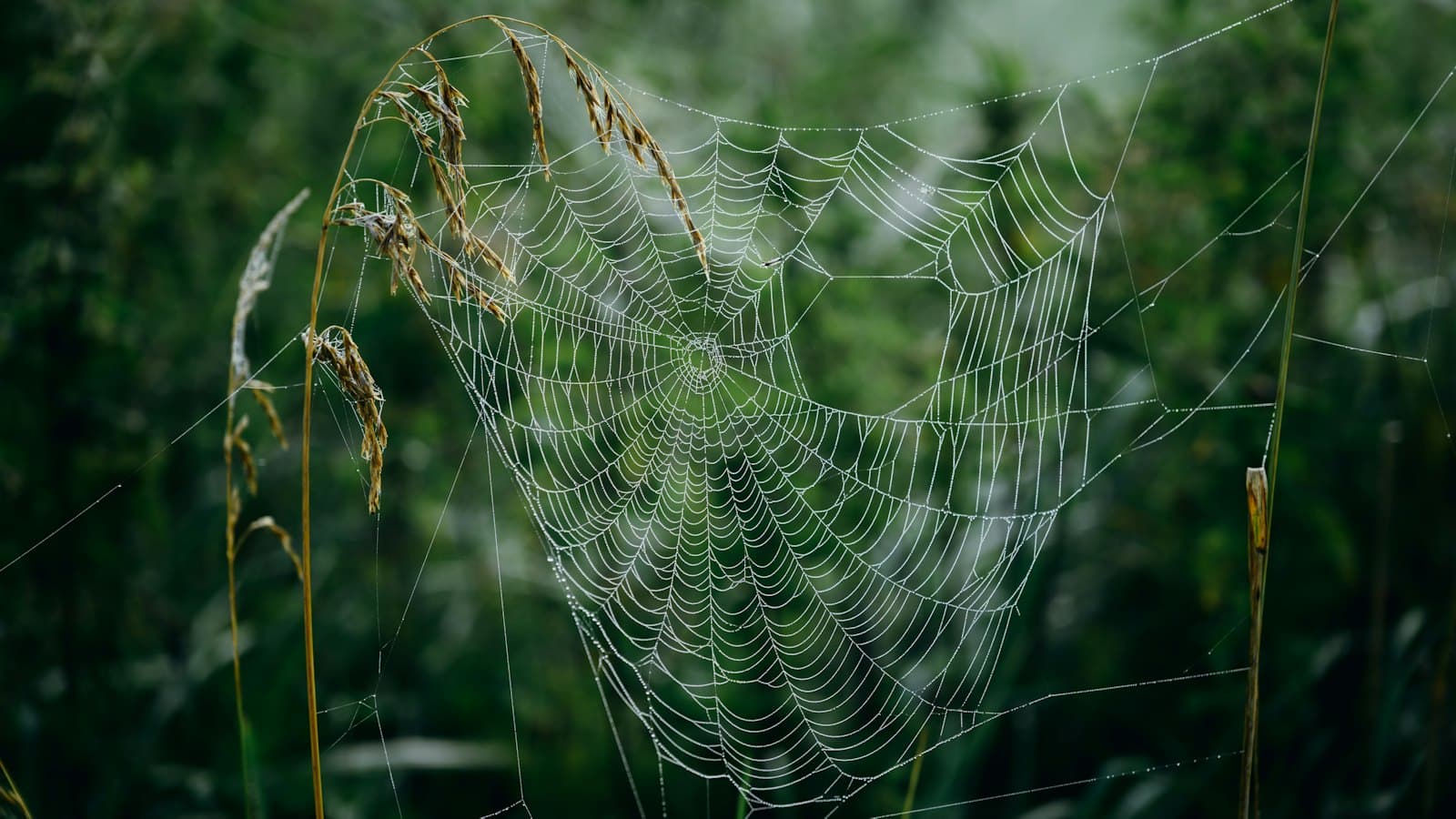 Weed Control
Spiders never eat weeds. They eat what lives in them, which is why controlling weeds reliably cuts down on spiders.
Read articleWeed ControlWhat to know about herbicide safety around pets, including when they can go back outside and how products are chosen.
Read articleStill curious about something? Call us any time, we're happy to talk it through, no pressure.
Earlier than people from colder places expect. Here the soil warms early, so the spring application usually goes down from January to March, depending on the year. A second application in the fall handles cool-season weeds like cheatgrass. We time it to the actual weather rather than a fixed date.
Goatheads, or puncturevine, are tough because each plant drops a lot of spiny seeds that can sit in the soil for years. Pulling plants before they set seed helps, but a pre-emergent applied before spring germination is what stops the next round from sprouting. Expect it to take a couple of seasons of consistent treatment to really wear down the seed bank.
No, but it's ongoing maintenance rather than a one-time fix. Homes next to Washington Fields get a steady supply of seed from the wind and irrigation water, so keeping the pre-emergent barrier intact matters more than any single treatment. Treating the fence line and the edge where your yard meets the field cuts down a lot of what makes it in.
Yes. Weeds near the foundation hold moisture, give insects shelter right where they'd enter the house, and feed the insects that draw spiders and scorpions in. Keeping rock beds and the perimeter clear takes away cover that a pest treatment would otherwise have to fight against.
Weed control is included in our higher recurring plans rather than sold as a separate visit, because it's timed to the same seasonal schedule as pest service. Most Washington homes sit on one of our monthly plans: Pest Control at $65/mo (quarterly service), Pest + Weed at $125/mo (bi-monthly service), or White Glove at $599/mo (by appointment only). Larger properties or heavy infestations can run higher, and we'll quote that up front after a free inspection.
Every visit covers: pre-emergent to stop weeds before they sprout; post-emergent treatment of existing weeds; coverage for rock, gravel, beds, and hardscape; seasonal timing for lasting results. What changes by address is the weighting. Coral Canyon & Sienna Hills and Washington Fields are two different jobs, so the technician decides on site where the time is best spent rather than running the same checklist everywhere.
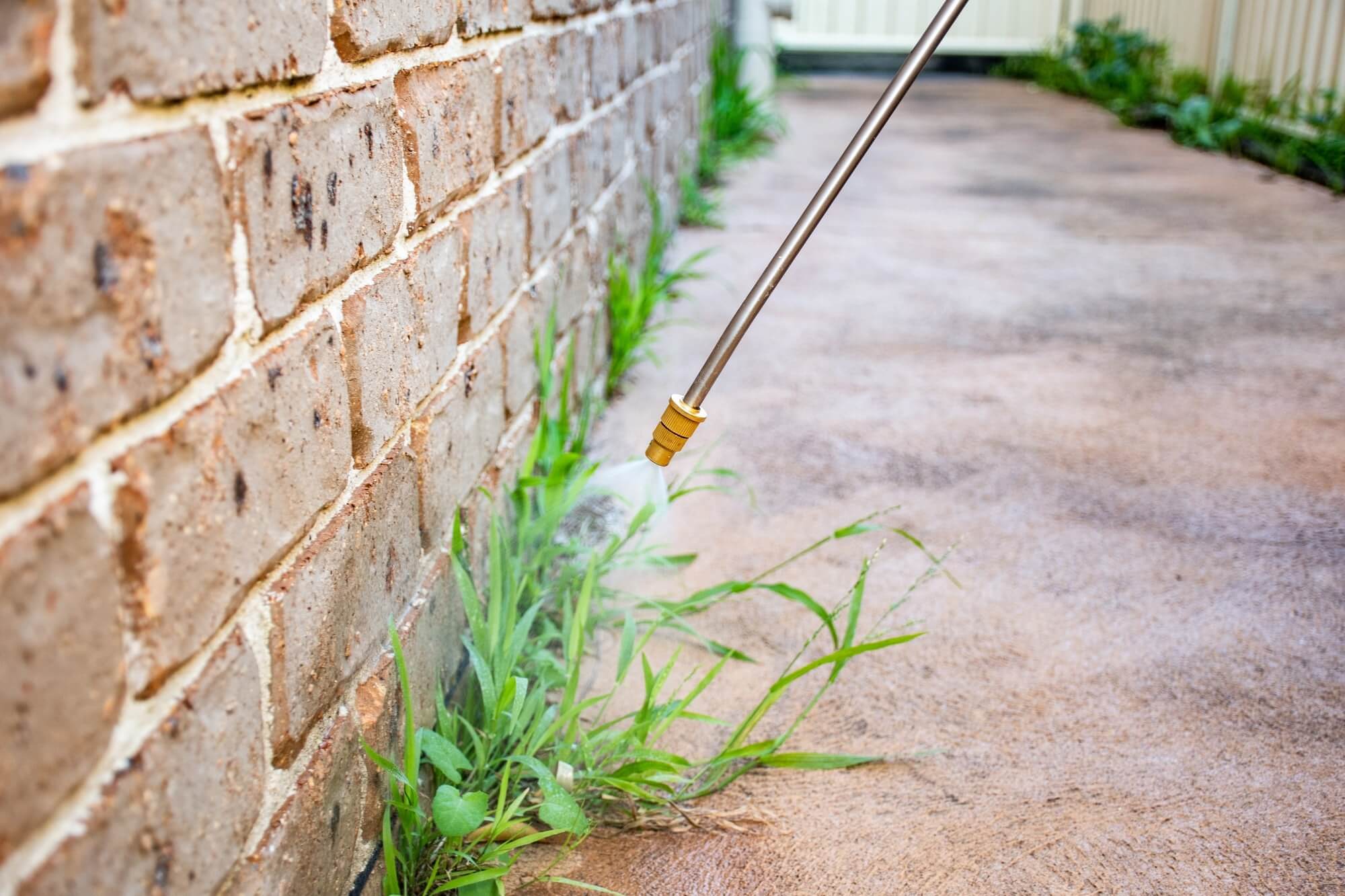
Tell us what’s bugging you and we’ll get back to you fast with a free quote, usually the same day.