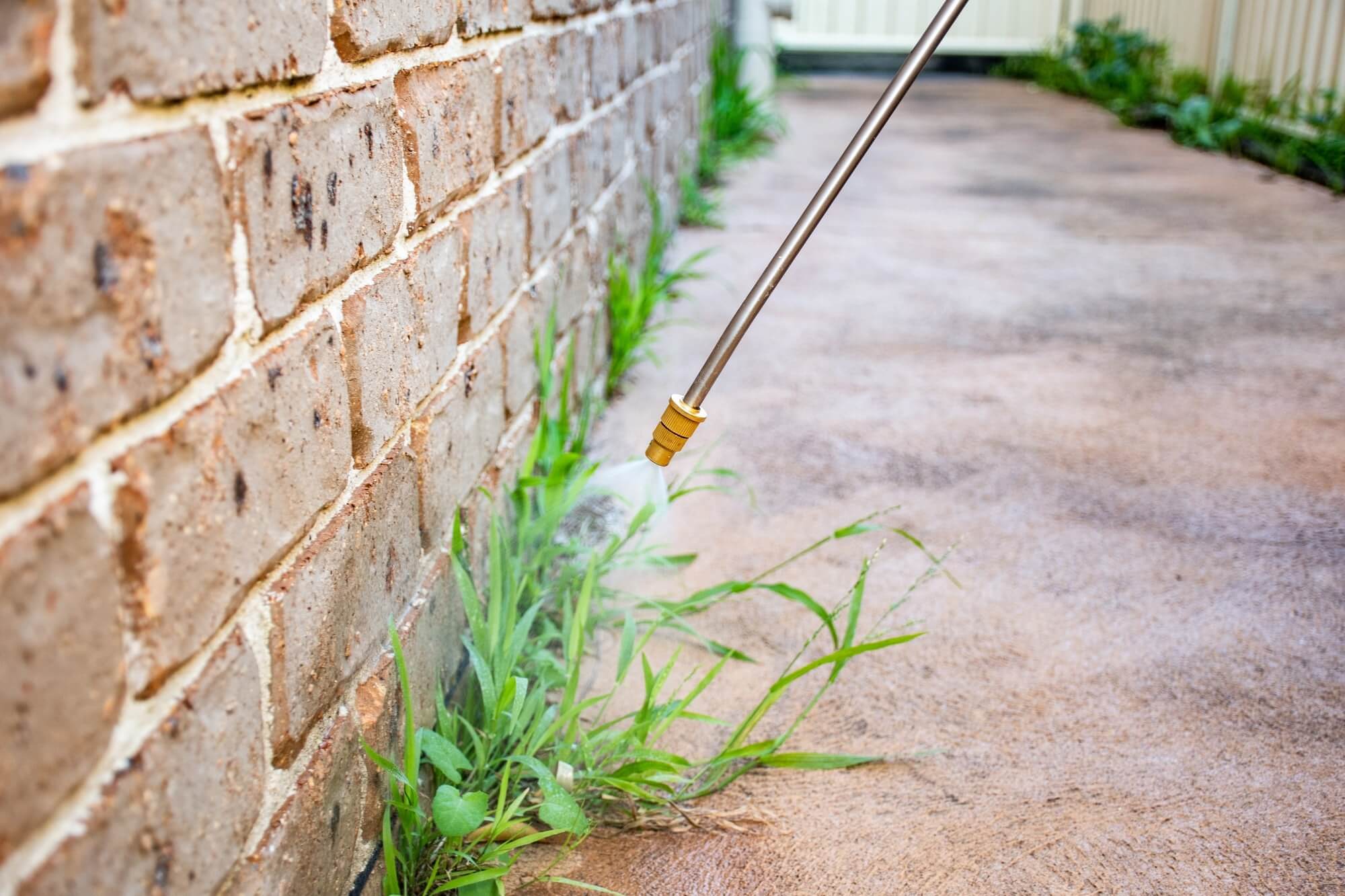
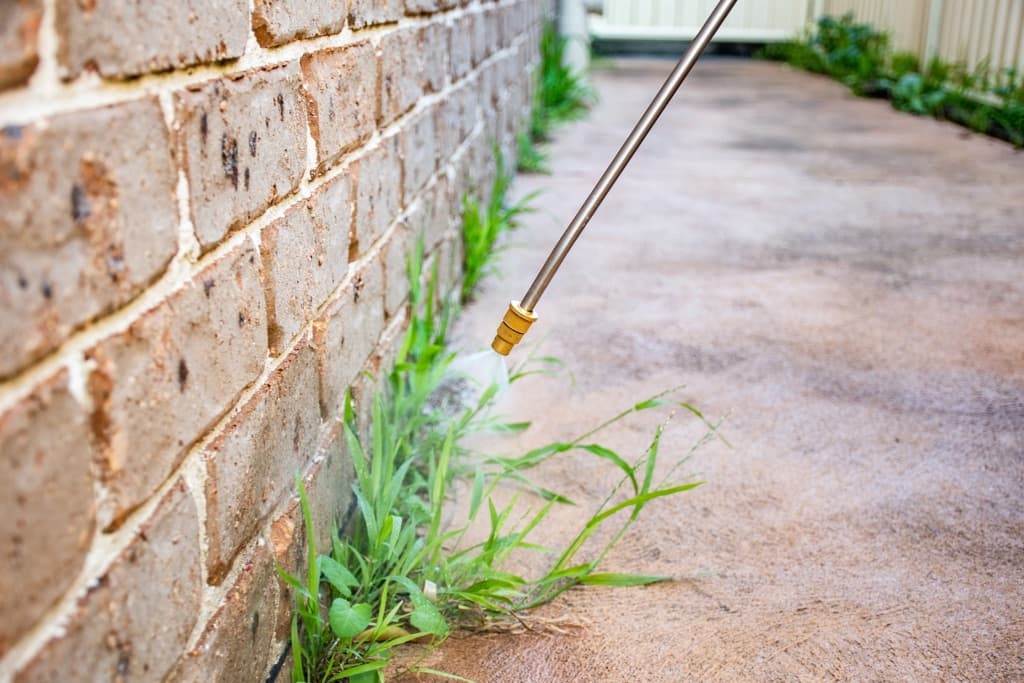
Most people see weeds as a looks problem. In the Mojave Desert, they are really a habitat problem, and that habitat often grows right up against the walls you are trying to keep pests away from.
Here is what tends to live in the weedy corners of a St. George area property.
Why Weeds Are Such Good Habitat
Overgrown vegetation gives pests three things the surrounding desert usually does not:
Shade. Dense growth blocks the sun and keeps the ground cooler. In a place where summer surface temperatures climb well past what most insects can tolerate, shade is a big deal.
Moisture. Weeds slow evaporation and hold dampness in the soil. With humidity this low, that retained moisture may be the only reliable water a pest can find outside of your irrigation system.
Food. Weeds feed plant-eating insects, which feed predators like spiders and scorpions. Seed heads feed rodents directly. A weed patch becomes the base of a small food chain.
Put all of that along a foundation or block wall and you have built a staging area.
Ants
Weedy ground is excellent ant habitat. The soil stays workable, nest openings stay hidden, and many weeds host aphids that ants tend for honeydew.
That partnership matters. Ants guard aphids from predators in exchange for the sugary liquid they produce. A weedy spot with aphids can support a much larger ant colony than it otherwise would, and that colony ends up a few feet from your house. Harvester ants, common in southern Utah, also clear and defend mounds in open, weedy ground and collect seeds from many of the same plants.
Spiders And Scorpions
Spiders follow food, and weeds concentrate it. Wolf spiders hunt across the ground under weed cover. Web builders string webs between stems. Black widows settle in at the base of overgrown areas along walls.
Scorpions use weedy, rocky edges the same way. They wait in the shaded debris during the day and hunt the crickets and beetles that weeds attract at night. Because both spiders and scorpions move toward houses along the ground and through low openings, weeds against the foundation tend to translate into indoor sightings.
Rodents
This is the most serious one.
Mice and pack rats need cover to move safely. Open gravel exposes them to hawks, owls, and coyotes. Weeds and brush do not. Overgrown areas let rodents travel across a property and reach the house without being seen.
Weeds also feed them. Many common weeds produce heavy seed crops, and tall growth against a wall hides the gaps rodents are looking for. To a rodent it is cover. To a homeowner it is a blind spot.
Stinging Insects
Yellowjackets often build nests in the ground or in hidden cavities, and weedy, undisturbed areas give them the concealment they want.
The danger is in the hiding. A ground nest covered by weeds is nearly invisible until someone runs a trimmer or steps on it, which is how many bad stinging incidents happen. Flowering weeds also pull foraging wasps and bees, including Africanized honey bees that have been found in Washington County, into spaces where people are working.
Ticks And Biting Insects
Tall weeds along paths, fence lines, and the edges of a property are where ticks wait for a host to brush past. That makes overgrown edges the riskiest spots for people and pets, especially near washes and open desert.
Dense vegetation also gives mosquitoes a cool, still place to rest during the day, particularly after monsoon rains leave standing water nearby.
Beetles, Earwigs, And Occasional Invaders
Plenty of other insects hide in weeds and wander into houses when it suits them:
- Earwigs, which depend on consistent moisture under dense growth
- Darkling beetles and ground beetles
- Crickets, a favorite food of scorpions
- Millipedes, especially after summer storms
- Clover mites in lush, irrigated growth along foundations
Most of these are nuisances rather than destructive pests, but they can show up in large numbers and they feed the predators that follow them.
The Foundation Line Is What Matters Most
If you only tackle one area, make it the first couple of feet around the house.
A clean, maintained band against the foundation, with no weeds, groundcover, piled rock, or stored items, does a lot at once. It removes hiding spots right against the house, takes away the bridge pests use to reach the wall, exposes rodent paths, makes entry points easy to inspect, and lets a perimeter treatment actually work as a barrier.
Practical steps:
- Keep a clear strip along the foundation, ideally 18 inches or wider
- Control weeds along block walls, side yards, and property edges, not just the front yard
- Remove debris, leftover materials, and stacked wood near the house
- Trim plants so nothing touches the stucco or roof
- Set irrigation so the area next to the house is not kept wet
Weed Control As Pest Prevention
Weed control and pest control are usually treated as separate services. On a southern Utah property they solve overlapping problems, and doing both works noticeably better than doing either one alone.
Butter Pest Control offers both. If the weeds around your property are sheltering more than you would like, contact us and we will look at the whole picture.
Dealing with this pest at your place?
Butter serves St. George and southern Utah with free inspections and a re-treatment guarantee. Get an honest quote, no pressure.
Aspen Chournos
Aspen Chournos writes about desert pest pressure and prevention for homes and businesses across St. George and southern Utah.