
Old-town Hurricane
84737Fruit trees, gardens, and sheds on large lots. Fallen fruit feeds yellowjackets late in summer, and older eaves and outbuildings give paper wasps plenty of places to build.
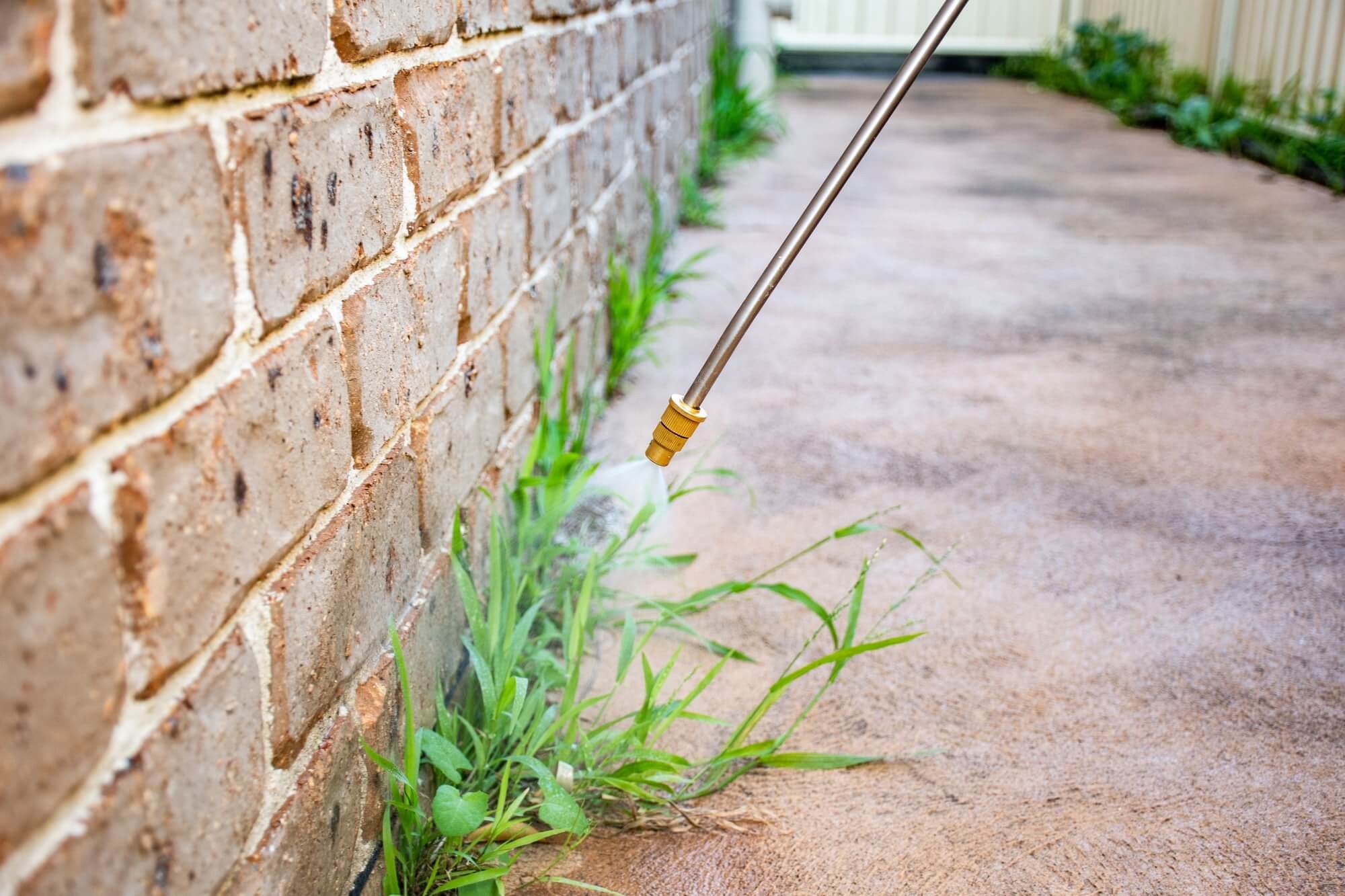
Ripe fruit in late summer is what turns Hurricane's yellowjackets from background noise into a backyard problem.
Wasp & Hornet Control at a glance
Hurricane, UT
Hurricane ZIP codes served
Paper wasps are everywhere in Hurricane. They build open, umbrella-shaped combs under eaves, patio covers, playground equipment, and barn rafters, and they're common in every part of town. They usually leave people alone until someone gets close to the nest, which happens a lot with nests under deck rails or around doorways.
Old-town Hurricane and the farms south of town have an extra problem: fruit. Late in summer, ripe and fallen peaches, apricots, and grapes draw yellowjackets in big numbers. Yellowjackets nest in the ground, in wall voids, and in other cavities, and by late summer their colonies are large and quick to defend. A nest near a fruit tree or a trash can can make a yard unusable.
One more thing worth knowing: Africanized honey bees have been found in Washington County. Most bees you see are harmless, but if you find a swarm or a large colony in a wall, a shed, or the ground, don't disturb it. Keep people and pets away and call a professional.
Pests this covers
Every wasp & hornet control visit includes all of this. Where the time goes depends on your address.
Hurricane isn't one pest problem, and it isn't one treatment either. These are the parts of the city where this service does the most work, and why.
Fruit trees, gardens, and sheds on large lots. Fallen fruit feeds yellowjackets late in summer, and older eaves and outbuildings give paper wasps plenty of places to build.
Barns, equipment sheds, and orchards on agricultural ground. Nests in working buildings are the ones most likely to be disturbed by accident, which is how the worst stings happen.
Rentals with covered patios, pergolas, and outdoor furniture that sit unused between stays. Paper wasps build quickly in those quiet spots, and guests are often the ones who find the nest.
Newer homes with tile roofs, stucco soffits, and block walls. Gaps under roof tiles and in wall caps are common nesting spots for both paper wasps and yellowjackets.
Covering every Hurricane ZIP from 84737 to 84737. Don’t see your street? See the full Hurricane breakdown or call (435) 900-8529.
Desert pest pressure is seasonal and it's predictable. Knowing which window you're in is most of knowing what to book.
Queens starting nestsMarch – April
Queens come out and start small nests. Removing one now takes minutes and there's nothing much to defend it. A quick walk around the eaves and outbuildings in spring is the cheapest wasp control there is.
Colonies growingMay – July
Nests have workers and grow fast in the heat. Still very manageable, and worth dealing with before you want to use the patio or yard for the summer.
Ripe fruit, full nestsAugust – October
Nests are at full size and yellowjackets are drawn to ripening and fallen fruit. This is when stings are most likely, especially on orchard lots and around trash and recycling bins.
If the pests come back, so do we.
Free re-treats between scheduled visits, no questions, no extra invoice. That’s the Butter Promise.
Written for southern Utah specifically, not generic advice pulled from somewhere with a different climate.
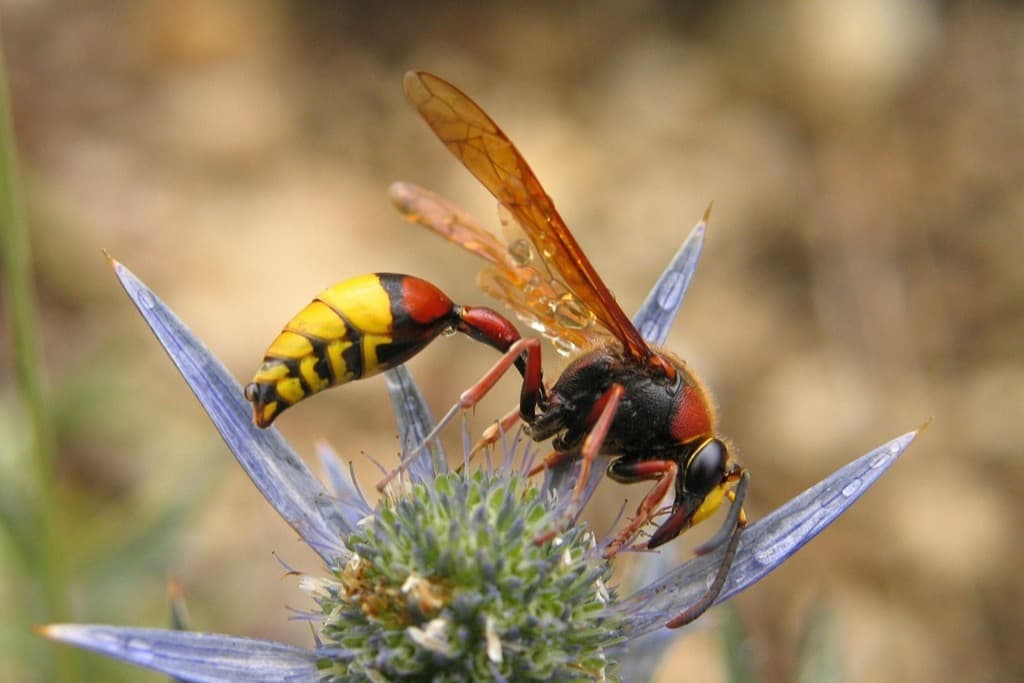 Wasps & Hornets
Southern Utah's long, hot season gives paper wasps and yellowjackets more time to build. Here is what that means for timing and prevention.
Read article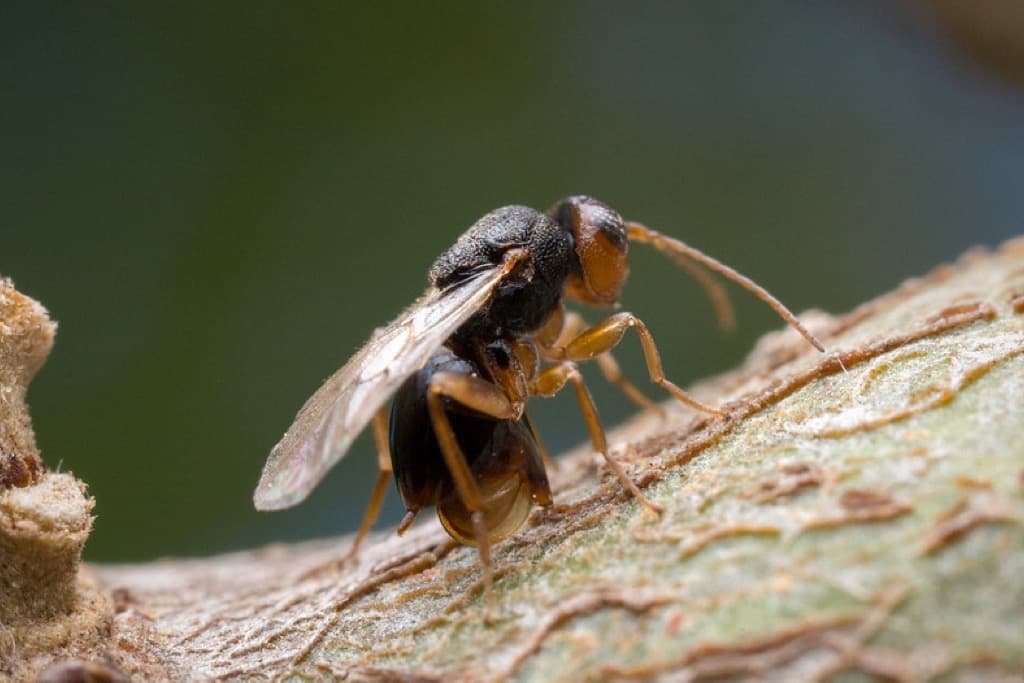 Wasps & Hornets
A nest's shape and location tell you the species, the colony size, and how risky it will be to remove. Here is how to read one.
Read article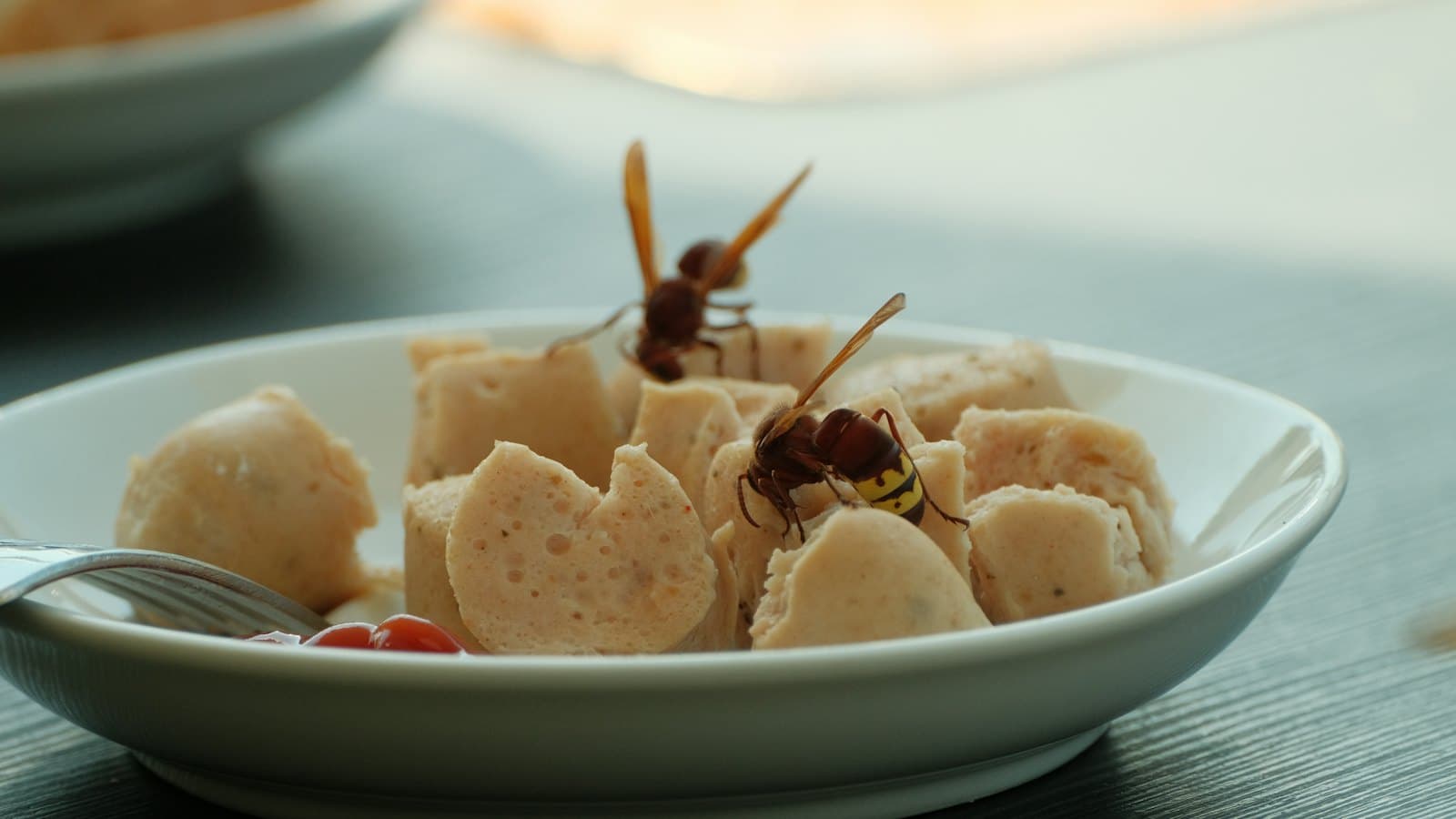 Wasps & Hornets
Most stings happen while someone is mowing, trimming, or cleaning up the yard. A few habits during peak season prevent almost all of them.
Read article Wasps & Hornets
In a southern Utah summer, wasps go wherever they can find water, food, and shade, and your house often has all three. Here's what pulls them in and when it points to a nest.
Read articleWasps & HornetsTelling them apart matters. Most bees should be relocated, not killed, and some colonies here should never be approached at all.
Read article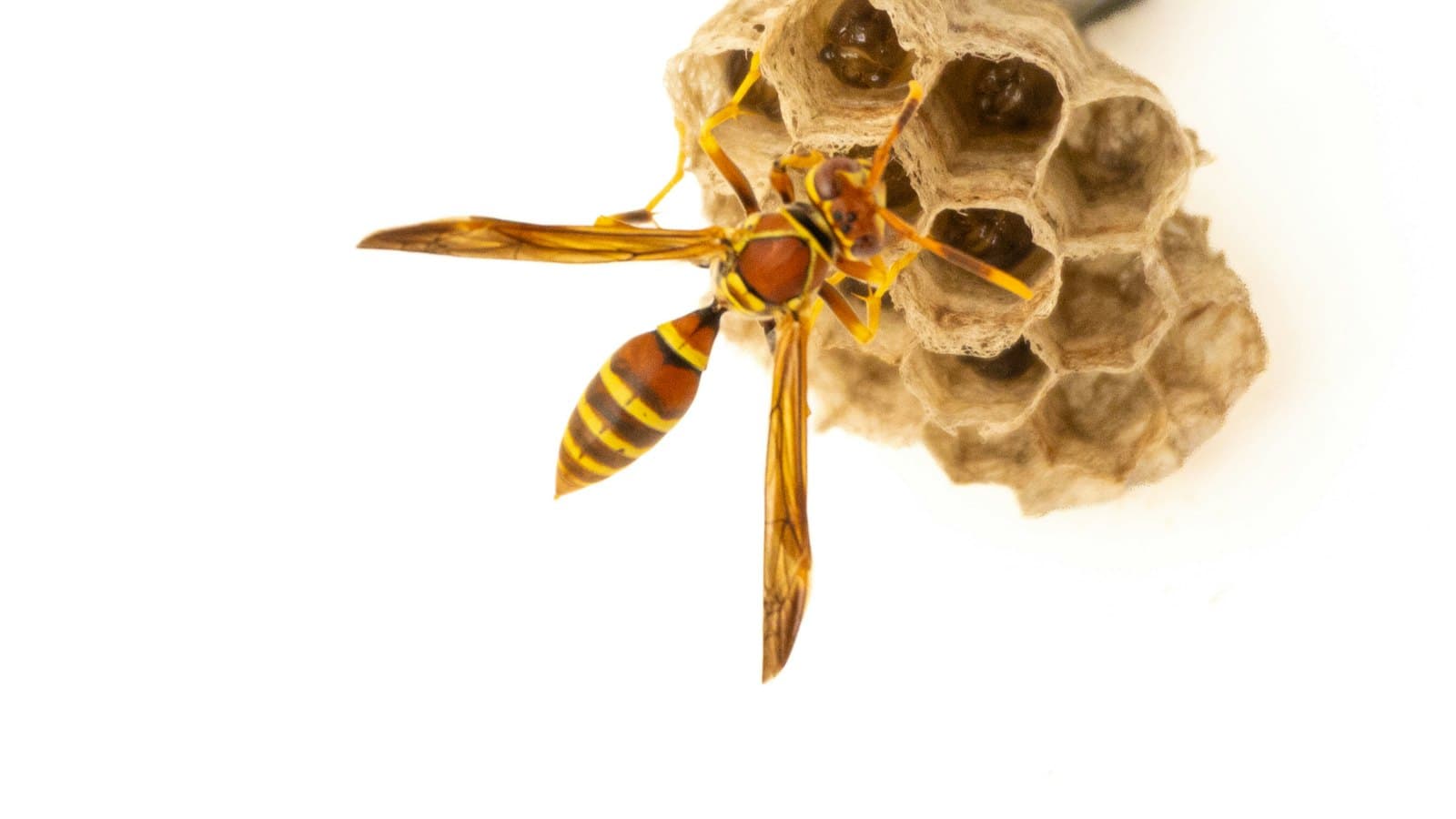 Wasps & Hornets
Plenty of wasps are harmless or even helpful. Knowing which one you have tells you whether it needs to go or can be left alone.
Read articleStill curious about something? Call us any time, we're happy to talk it through, no pressure.
Watch where they go. Paper wasps build an open comb you can see, usually under an eave, patio cover, or rail, and come and go from all over it. Yellowjackets fly in and out of a single hole, in the ground, in a wall, or under a roof tile, with steady traffic. That single busy entry point is the one to stay away from.
Pick up fallen fruit often, harvest ripe fruit promptly, and keep trash and recycling bins closed. Then find and remove the nests, which are usually in the ground or a nearby wall. Traps alone rarely solve the problem because the nest keeps producing more workers.
No. Africanized honey bees have been found in Washington County, and disturbing a swarm or colony can trigger a serious defensive response. Keep people and pets away and call a professional. Many swarms can be safely removed or relocated, and we can tell you the right next step.
Not to the same nest, but often to the same spot, because the reasons it was a good place haven't changed. That's why we treat the eaves, wall caps, and patio framing after removing a nest instead of just knocking it down.
Nest removal is usually one visit, priced on how many nests there are and how hard they are to reach, with no distance surcharge for Hurricane. Nests on the property are also covered on the recurring plans, which is why plan customers rarely notice wasp season. Either way you get the number before any work starts, and there's no trip charge for Hurricane: we're based in St. George, so it's a routine stop on our route rather than a special trip.
Every visit covers: finding nests, including hidden and ground nests; safe treatment and removal with proper protective gear; knockdown of reachable nests; preventive eave treatment to stop rebuilding. What changes by address is the weighting. Old-town Hurricane and Hurricane Fields are two different jobs, so the technician decides on site where the time is best spent rather than running the same checklist everywhere.
Tell us what’s bugging you and we’ll get back to you fast with a free quote, usually the same day.