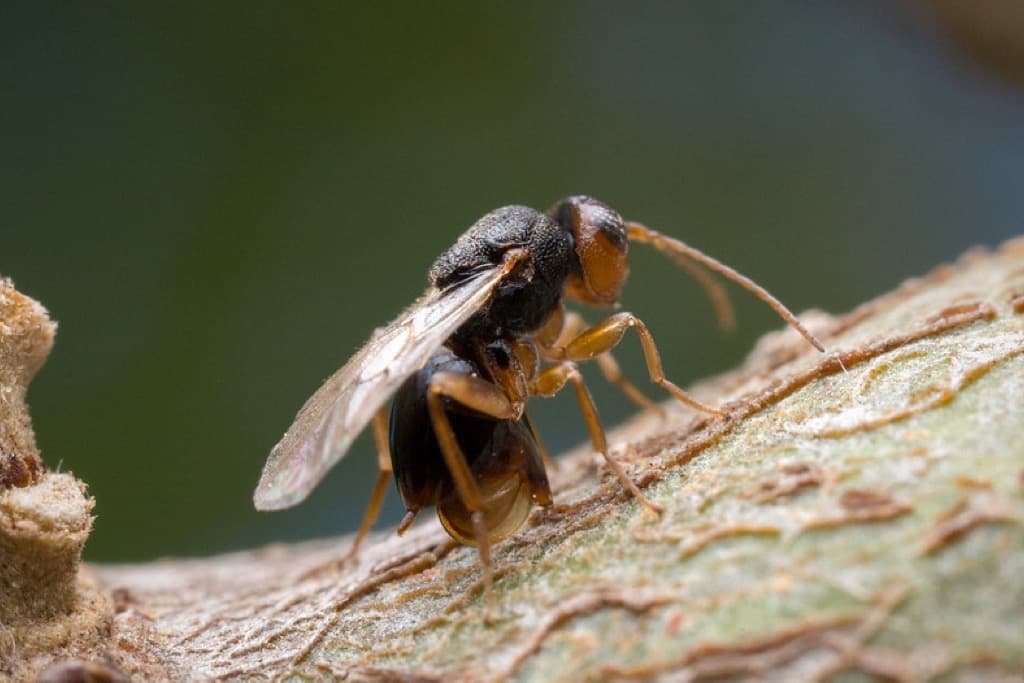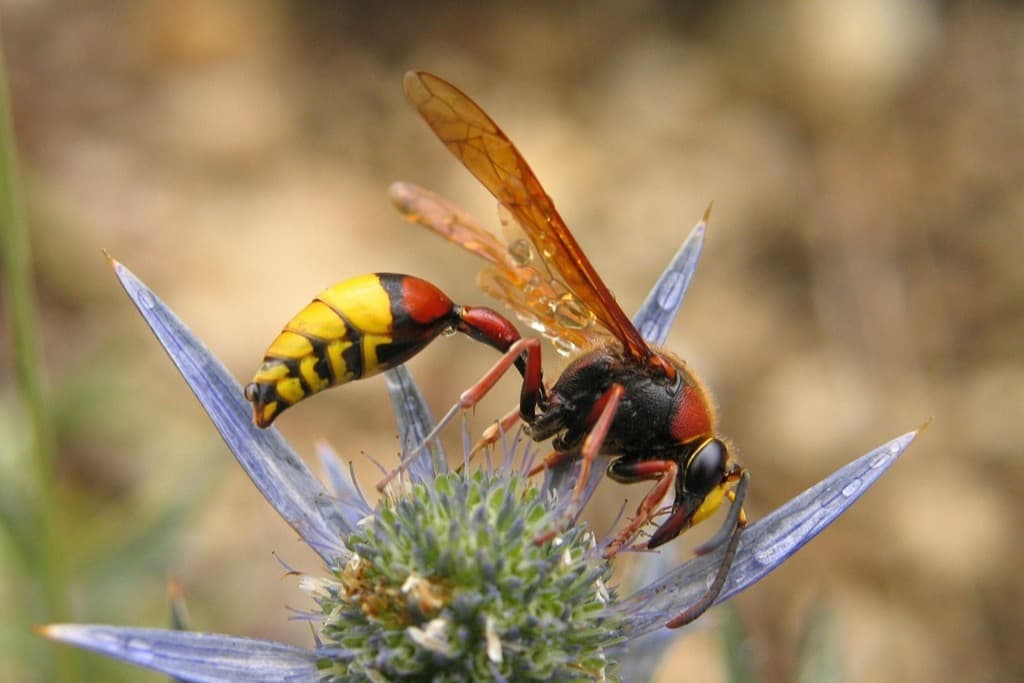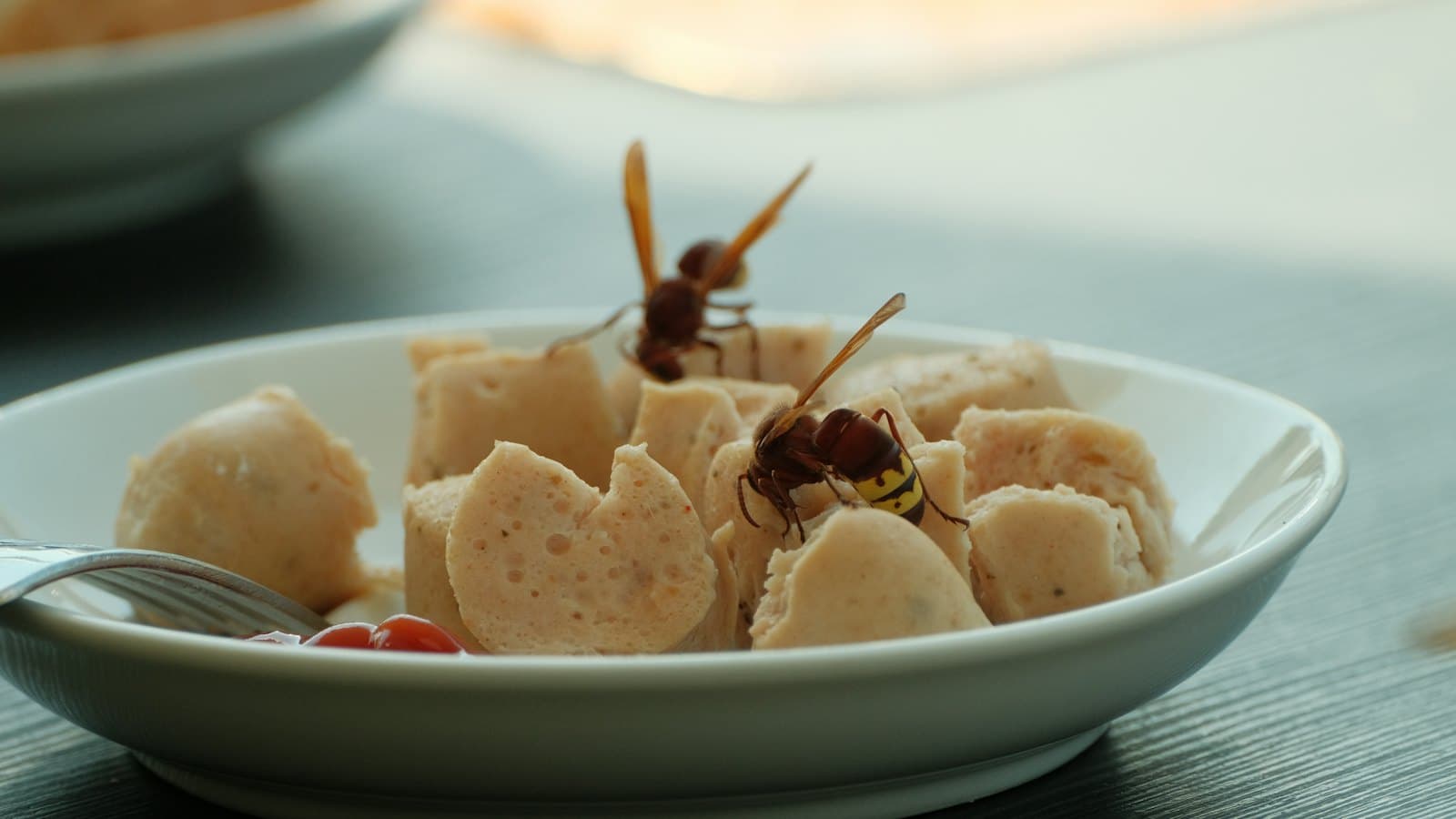
Around St. George, wasps are out for much of the year, but the riskiest stretch runs from late summer well into fall. Colonies are at their biggest, the desert offers less to eat, and the insects get noticeably more defensive. That is when most bad stinging incidents happen, and most of them start with someone doing routine yard work.
Why Late Summer And Fall Are Different
Several things line up at once.
Colonies hit their peak size. A yellowjacket nest started by one queen in spring can grow to thousands of workers by late summer, and with our long warm season, colonies here keep going later into the year than they do in colder places.
Their diet changes. Earlier in the year, workers hunt insects to feed the growing larvae. Once the queen slows down, that need shrinks and workers go after sugar instead, which is why wasps suddenly show up at soda cans, fruit, and trash bins.
The nest also represents a whole season of work, and the colony defends it harder.
The Most Common Way People Get Stung
It is rarely someone poking at a nest on purpose. It is someone running a mower, trimmer, blower, or pressure washer next to a nest they did not know was there.
Yellowjackets nest in the ground, often in old rodent burrows, and also inside block walls, wall voids, and thick shrubs. Paper wasps tuck their nests under eaves, patio covers, and the lips of tile roofs. Many of these nests are nearly impossible to see. Vibration through the soil or a wall feels like an attack to the colony, and the response is fast and organized.
Before you start on an area, pause and watch it for a full minute. Insects flying back and forth to one spot on the ground or one gap in a wall means there is a nest. That one habit prevents most stings.
Look especially hard along block walls, around rock landscaping and lava rock, at the edges of the yard, and anywhere ground cover could hide a hole.
Reducing Attraction Around The House
In late season, wasps come looking for you rather than the other way around.
- Keep trash and recycling lids closed, and rinse anything that held sweet drinks
- Cover food and drinks outside, and use clear cups instead of cans
- Clean up right after eating outdoors
- Pick up fallen fruit from citrus, fig, and stone fruit trees
- Bring pet food bowls inside
- Keep bins away from doors and patio seating
Water draws wasps here more than most people expect. In the desert, a dripping hose bib, a leaky drip emitter, a misting system, or the edge of a pool becomes a magnet. Fixing a leak can shift wasp traffic off a patio entirely.
Personal Precautions During The Busiest Months
- Wear shoes outdoors, especially on lawns, where ground nests are common
- Skip strong perfumes, lotions, and scented sunscreens, which smell like flowers to a wasp
- Wear lighter colors, which draw less defensive attention than dark ones
- Look into your drink before every sip, since a sting inside the mouth or throat can be dangerous
- Do not swat at a wasp near you; brush it away gently or step away
If You Disturb A Nest
- Get away right away. Do not stand still, look around, or swing at them.
- Move off in a straight line and keep going well past where they stop following.
- Head into the house or a car if one is close.
- Shield your face and neck as you go.
- Do not dive into the pool. They will wait for you to come up.
Wasps can sting more than once, and a disturbed nest releases an alarm scent that calls in more defenders and marks you as the target. That is why one sting usually turns into several, and why getting distance fast matters most.
Sting First Aid
For a typical local reaction:
- Get to a safe spot and wash the sting with soap and water
- Hold a cold pack on it to keep swelling down
- Take an oral antihistamine if that is appropriate for you
- Raise the area if the sting is on an arm or leg
- Keep an eye on it for a few hours
Get emergency help right away for trouble breathing, swelling of the face, lips, tongue, or throat, hives spreading beyond the sting, dizziness or fainting, a racing pulse, vomiting, or a sense that something is seriously wrong.
Multiple stings also warrant medical care. Enough venom can cause a body-wide reaction even in someone without an allergy, and small children reach that point sooner than adults.
If someone in the household has a known venom allergy, keep an epinephrine auto-injector handy outside during this season, not tucked away in a cabinet.
A note on bees: Africanized honey bees have been found in Washington County. They look like ordinary honeybees but defend their colony far more aggressively and over a much greater distance. If you find a swarm or a colony in a wall, meter box, or block wall, keep people and pets away and call a professional rather than trying to deal with it yourself.
What Not To Do
Never plug a nest opening in a wall. The colony will look for another way out, and that often means through the inside wall into your home.
Do not spray a mature nest with a store-bought can. Those sprays are used from a few feet away, which puts you well inside the area a large colony defends.
Do not climb a ladder to deal with a nest. Falling while being stung turns a minor problem into a serious injury.
Do not treat during the day. Many workers are out foraging and will come back to a disturbed nest angry.
When To Call
- Any nest in the ground or one you suspect is there
- Any nest inside a wall, block wall, attic, or other void
- Any colony you think may be bees rather than wasps
- Anything higher than your shoulders
- Any nest near a door, walkway, pool, or play area
- Any home where someone is allergic to stings
Butter Pest Control removes wasp and yellowjacket nests across St. George and Washington County. If you have found one on your property, give us a call instead of testing how defensive it is.
Dealing with this pest at your place?
Butter serves St. George and southern Utah with free inspections and a re-treatment guarantee. Get an honest quote, no pressure.
Aspen Chournos
Aspen Chournos writes about desert pest pressure and prevention for homes and businesses across St. George and southern Utah.