Free inspections & quotesSame-day service availableSatisfaction guaranteed
Licensed & Insured
Family & Pet Friendly
Same-Day Service
Re-Treatment Guarantee
Trusted Locally
Licensed & Insured · UT #24592
Washington specifics
Ant Control in Washington, honestly
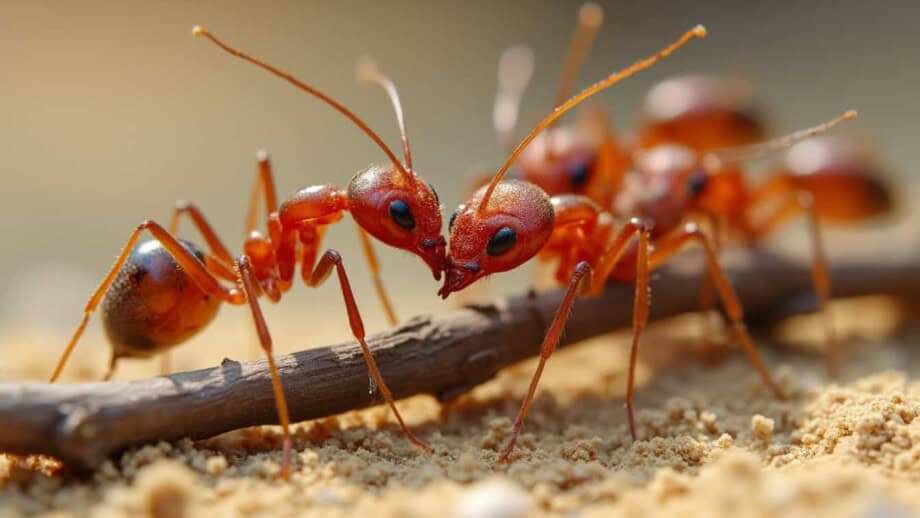
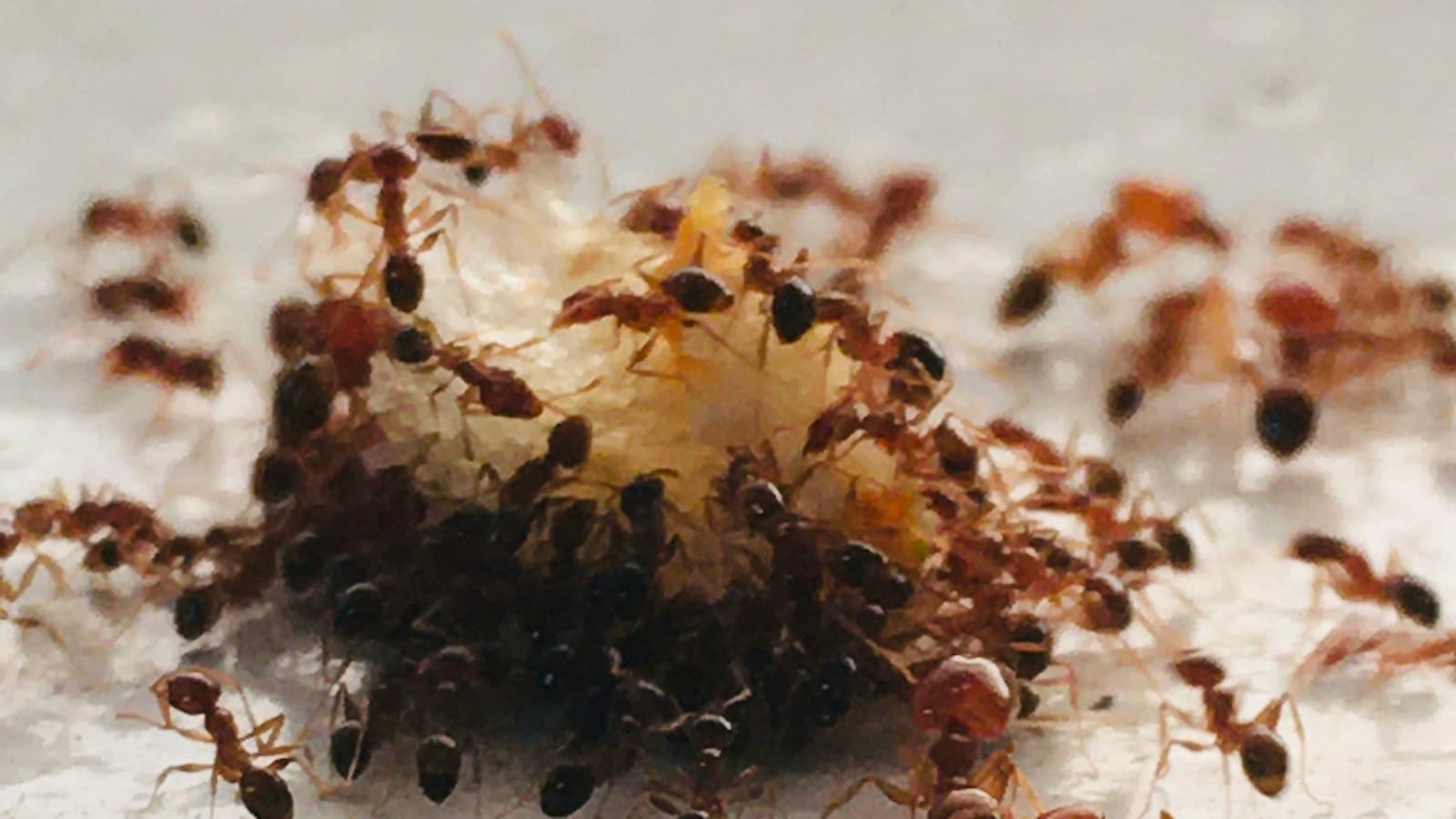
Ant problems in Washington depend a lot on which part of the city you're in. Down in Washington Fields and around Green Springs, the soil stays damp from irrigation, and odorous house ants and pavement ants build big, busy colonies in the beds and under slabs. They trail into kitchens and bathrooms looking for water as much as food, especially when the summer heat dries everything else out.
Up on the gravel and lava-rock lots of Coral Canyon and Sienna Hills, it's more often harvester ants. They clear wide bare circles in rock yards and along driveways, and they sting, which matters if kids or dogs play in the yard. They rarely come indoors, but they're hard to live with and they don't go away on their own.
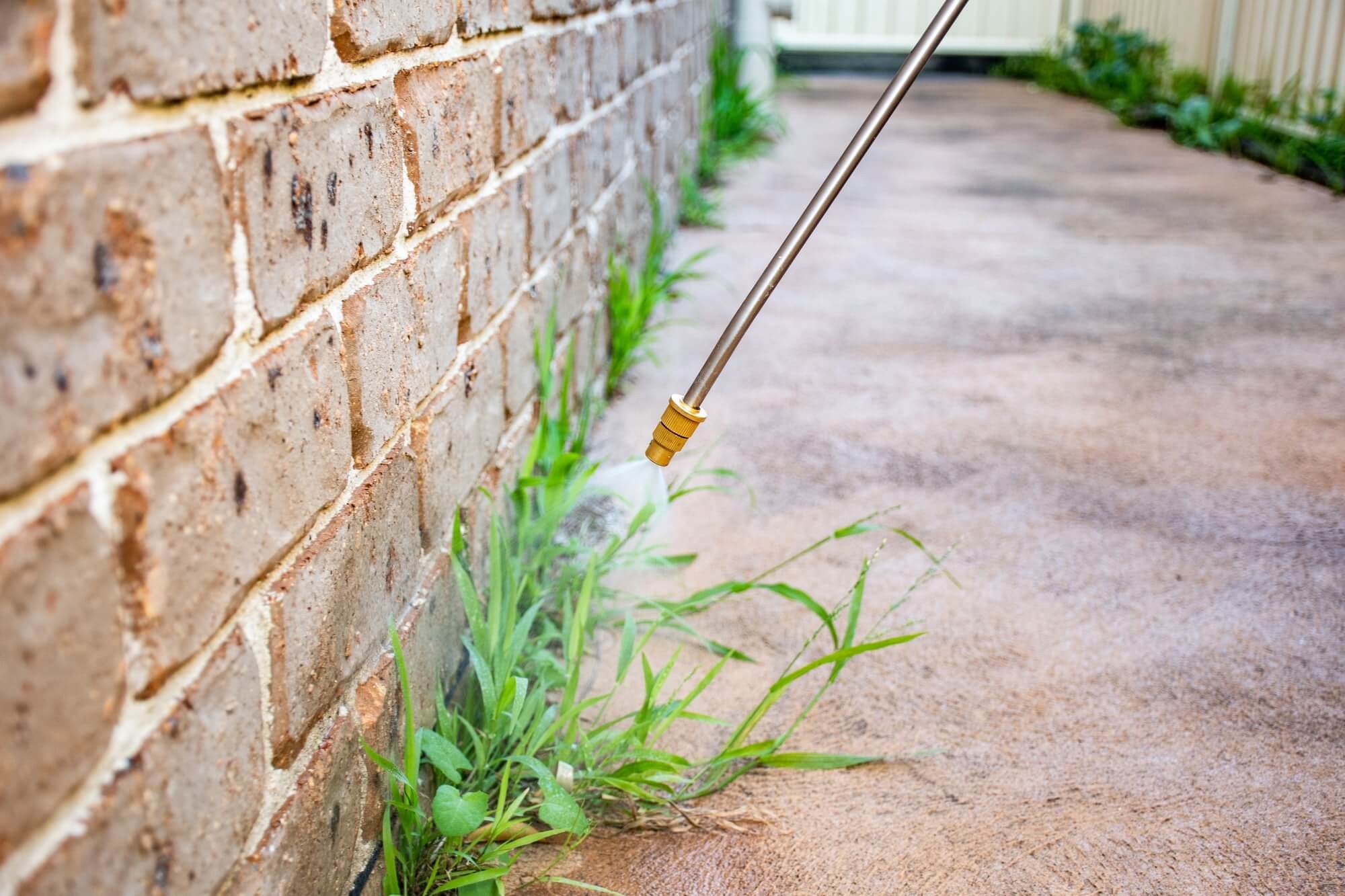
Either way, spraying the trail is the wrong move. We identify the species, use a bait the workers carry back to feed the colony, treat the entry points and nesting areas outside, and break the trail at the foundation. Then we give it time to work, because spraying a busy trail early kills the ants that would have delivered the bait.
Washington isn't one pest problem, and it isn't one treatment either. These are the parts of the city where this service does the most work, and why.
Washington Fields
84780
Flood irrigation, ditch banks, and watered lawns keep the soil damp. Odorous house ants and pavement ants build large colonies and trail along foundations into kitchens. Fixing irrigation that soaks the slab edge helps as much as the treatment.
Coral Canyon & Sienna Hills
84780
Gravel yards, lava rock, and desert edges. Harvester ant mounds with bare circles around them are common and their sting is painful. Mound treatment and keeping the colony from rebuilding near play areas is the focus.
Green Springs
84780
Golf-course turf and well-watered landscaping next to homes. Ant trails show up soon after irrigation ramps up in spring and tend to run along sidewalks, patios, and the slab edge into garages and kitchens.
Old town around the cotton mill
84780
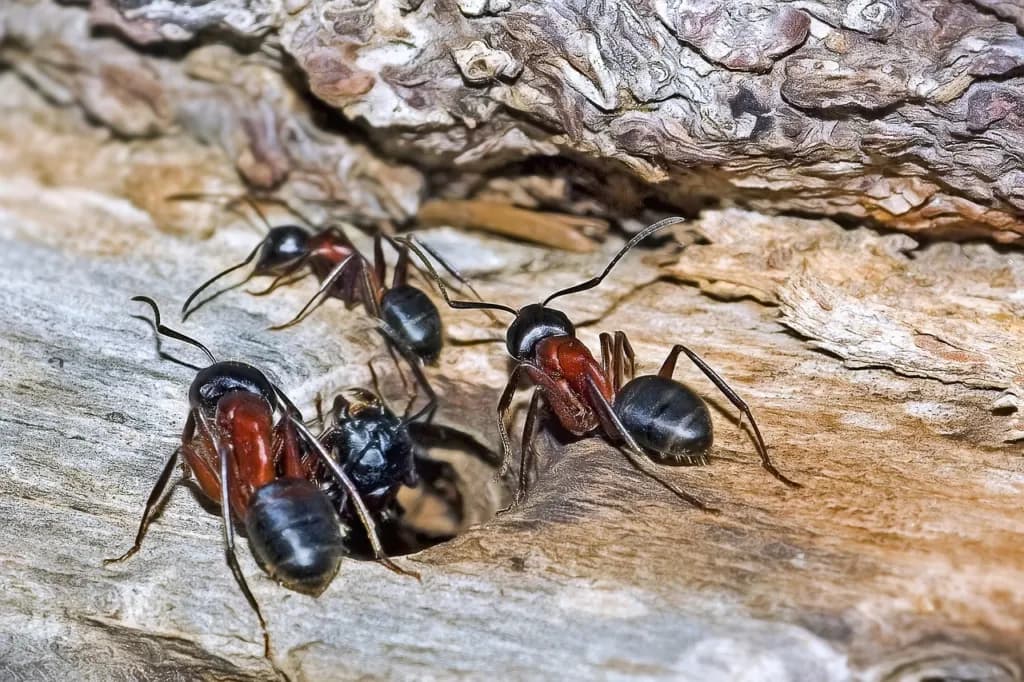
Older slabs and foundations with cracks, mature trees, and older plumbing. Pavement ants come up through slab joints, and carpenter ants occasionally turn up in damp or leak-damaged wood in older homes and sheds.
Desert pest pressure is seasonal and it's predictable. Knowing which window you're in is most of knowing what to book.
Spring build-upFebruary – April
Warm days come early in the Mojave, and colonies are active and expanding by late winter. Treating as irrigation comes back on stops trails before they find a way inside.
Heat-driven indoorsJune – September
Triple-digit heat dries the yard, and ants head inside for water. Kitchens, bathrooms, and anywhere with a slow drip see the most activity. Harvester ants stay busy in rock yards through the heat.
Fall foragingOctober – November
Colonies forage hard as the weather cools, sometimes showing up in homes that were quiet all summer. It's a good time to treat before the colony settles in for winter.
If the pests come back, so do we.
Free re-treats between scheduled visits, no questions, no extra invoice. That’s the Butter Promise.
Baits are just one tool for ant control. Here's why St. George ant problems keep coming back despite them, and the layered approach that actually reaches the colony.
That thin line of ants on the counter is only the visible edge of a much bigger colony. Here's what spring ant trails tell you and why professionals go after the source.
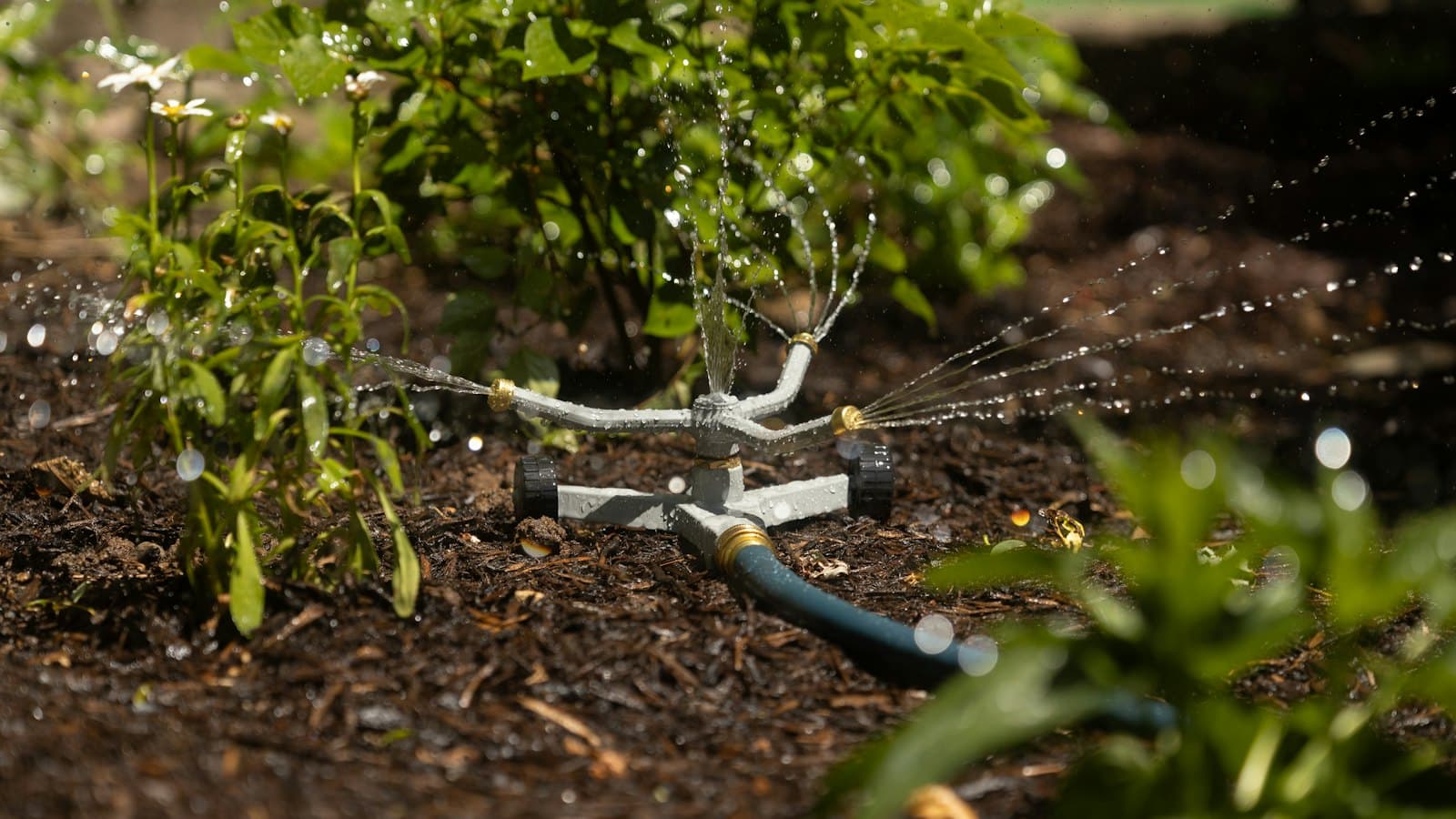
In the Mojave heat, a watered yard is an oasis, and pests treat it that way. Here's how summer irrigation can quietly increase pest pressure and how to water smarter.
When the heat finally breaks, ant colonies get busy stocking up and moving closer to the house, often out of sight. Here's the fall ant activity homeowners tend to miss.
What are the big red ants making bare circles in our gravel?
Almost certainly harvester ants. They clear vegetation in a circle around the nest opening and are common in the rock yards of Coral Canyon, Sienna Hills, and other newer hillside neighborhoods. Their sting is painful and can be a real problem for kids and pets. We treat the mound directly and watch for new mounds starting nearby.
Why do the ants come back a few days after I spray?
Because the ants you see are foragers, and the colony, including the queen, is underground where spray doesn't reach. Killing the foragers can even make some species split into new colonies. Bait works the other way: the foragers carry it back and share it, so the colony is affected at its source. It takes a few more days and it actually lasts.
We live near Washington Fields. Will treating the yard keep ants out?
It goes a long way, because that's where the colonies live. Damp ground from irrigation keeps colonies large and active right up against the house. Treating the perimeter and nesting areas outside, along with fixing sprinklers or drip lines that soak the foundation, usually stops the trails inside. If there are slab cracks or plumbing gaps, sealing those finishes the job.
How long does it take for the trails to stop?
Usually three to seven days after baiting. The trail often looks busier for a day or two at first, because more ants are being recruited to the bait. That's a good sign. The most common way a treatment fails is someone spraying that busy trail before the bait has had time to reach the colony.
How much does ant control cost in Washington?
Ant control usually works best as part of a recurring plan. A colony treated once in spring has rebuilt by late summer if nothing is maintaining the perimeter in between. Most Washington homes sit on one of our monthly plans: Pest Control at $65/mo (quarterly service), Pest + Weed at $125/mo (bi-monthly service), or White Glove at $599/mo (by appointment only). Larger properties or heavy infestations can run higher, and we'll quote that up front after a free inspection.
What does an ant control visit in Washington cover?
Every visit covers: species identification and nest and entry-point inspection; targeted baits, applied per label, that reach the colony; exterior perimeter treatment; free re-treats if the trail comes back. What changes by address is the weighting. Washington Fields and Coral Canyon & Sienna Hills are two different jobs, so the technician decides on site where the time is best spent rather than running the same checklist everywhere.
Free Estimate
Ready to see why everything is better with butter?
Tell us what’s bugging you and we’ll get back to you fast with a free quote, usually the same day.