Free inspections & quotesSame-day service availableSatisfaction guaranteed
Licensed & Insured
Family & Pet Friendly
Same-Day Service
Re-Treatment Guarantee
Trusted Locally
Licensed & Insured · UT #24592
St. George specifics
Mosquito Control in St. George, honestly
Most of St. George is too dry for mosquitoes, which is why the problem is so concentrated where it does happen. Mosquitoes breed along the Virgin and Santa Clara river corridors, in low spots of the washes after a storm, in golf course water features, and in the countless small pools of water that irrigation and summer storms leave behind. If your yard backs onto the river trail, a golf course, or a wash, evenings outside can be a different experience from a yard a quarter mile away.
The Southwest Mosquito Abatement District handles public breeding sites like the rivers, ponds, and wetlands, and monitors for West Nile virus. What happens on private property is up to the owner. That's where we come in: treating the shaded resting spots where adult mosquitoes spend the hot part of the day, under dense shrubs, in thick ground cover, under decks and patio furniture, and dealing with the water on your property.
Standing water is the half you can control. In summer heat a mosquito can go from egg to biting adult in about a week, and it only needs a spoonful of water. Plant saucers, clogged rain gutters, pool covers, AC condensate lines, tire swings, and low spots in the lawn after a monsoon storm produce more mosquitoes than most people realize. We walk the property, show you what to empty, and treat the water that can't be drained.
St. George isn't one pest problem, and it isn't one treatment either. These are the parts of the city where this service does the most work, and why.
Bloomington & Bloomington Hills
84790
Along the Virgin River and around the golf course, with mature landscaping and plenty of shade. Yards that back onto the river trail have the longest mosquito season in the city, so the resting-site treatment around the house does most of the work.
Southgate
84770
Where the Santa Clara River runs past the golf course and established, heavily shaded neighborhoods. Dense shrubs and irrigated turf close to the river give adult mosquitoes ideal daytime cover right next to people's patios.
Sun River
84790
A golf community on the Virgin River side, with water features and lots of irrigated common area. Patio evenings are the main complaint, and treating the shrubs and the shaded side of each home makes a noticeable difference.
Little Valley
84790
Large irrigated yards, flood-irrigated pasture, and low ground that holds water after storms. Livestock troughs, flooded corners, and irrigation ditches are common breeding sites, and they're often on a neighbor's lot rather than yours.
Desert pest pressure is seasonal and it's predictable. Knowing which window you're in is most of knowing what to book.
Spring startMarch – May
Mosquitoes become active early in the warm months here, often just as irrigation runs more heavily. Clearing standing water now, before the first generations build up, does more good than anything later in the season.
Monsoon peakJuly – September
Summer storms fill washes, low spots, and every container in the yard, and the heat speeds up breeding. This is the worst stretch of the year for bites and the one where West Nile awareness matters most. Recurring treatment through these months matters most.
Fall taperOctober – November
Mosquitoes keep going in a warm fall, then slow down as nights get cooler. Look one last time for water sitting in places nobody checks, like covered boats, pool covers, and old planters.
If the pests come back, so do we.
Free re-treats between scheduled visits, no questions, no extra invoice. That’s the Butter Promise.
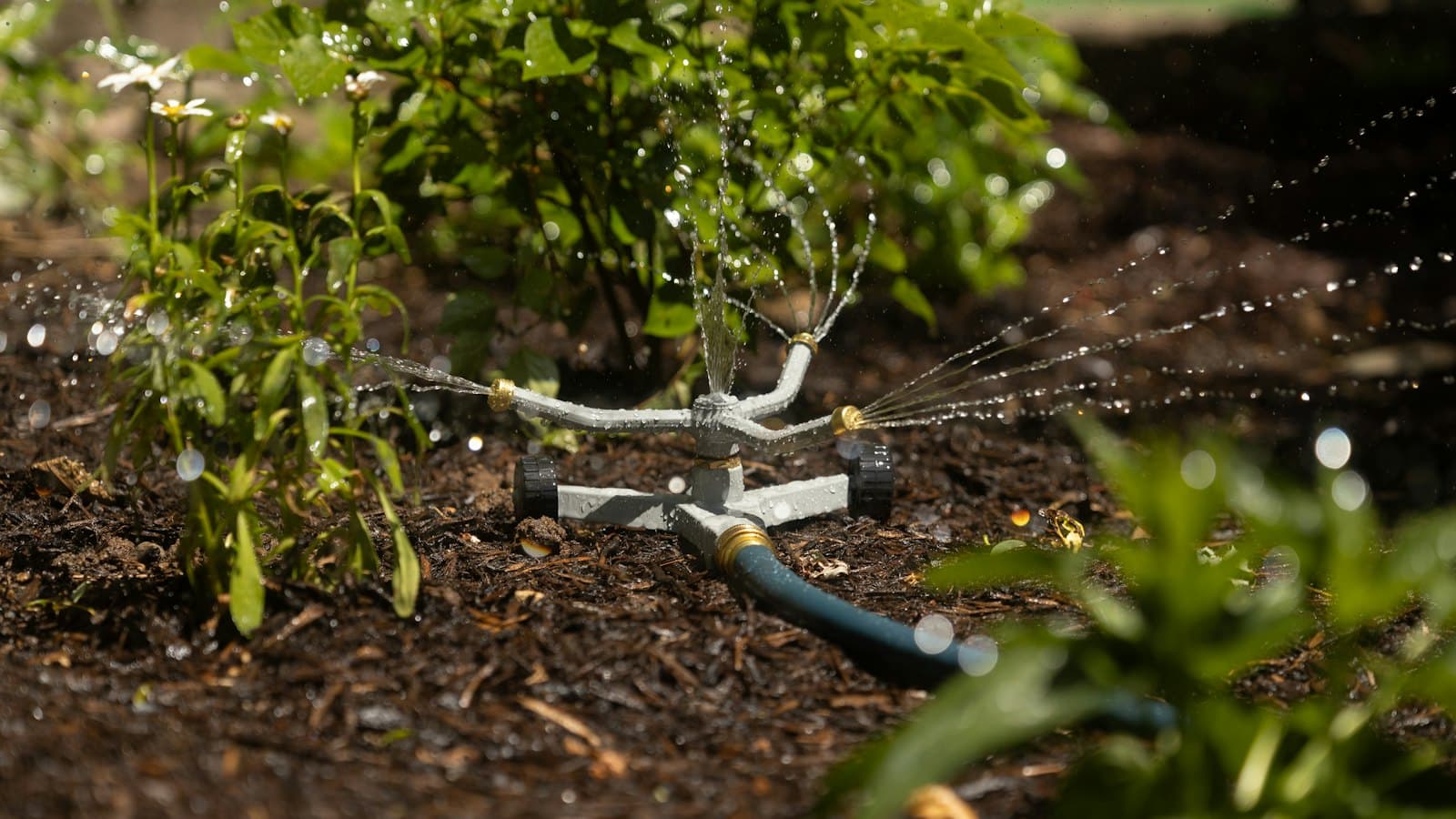
In the Mojave heat, a watered yard is an oasis, and pests treat it that way. Here's how summer irrigation can quietly increase pest pressure and how to water smarter.
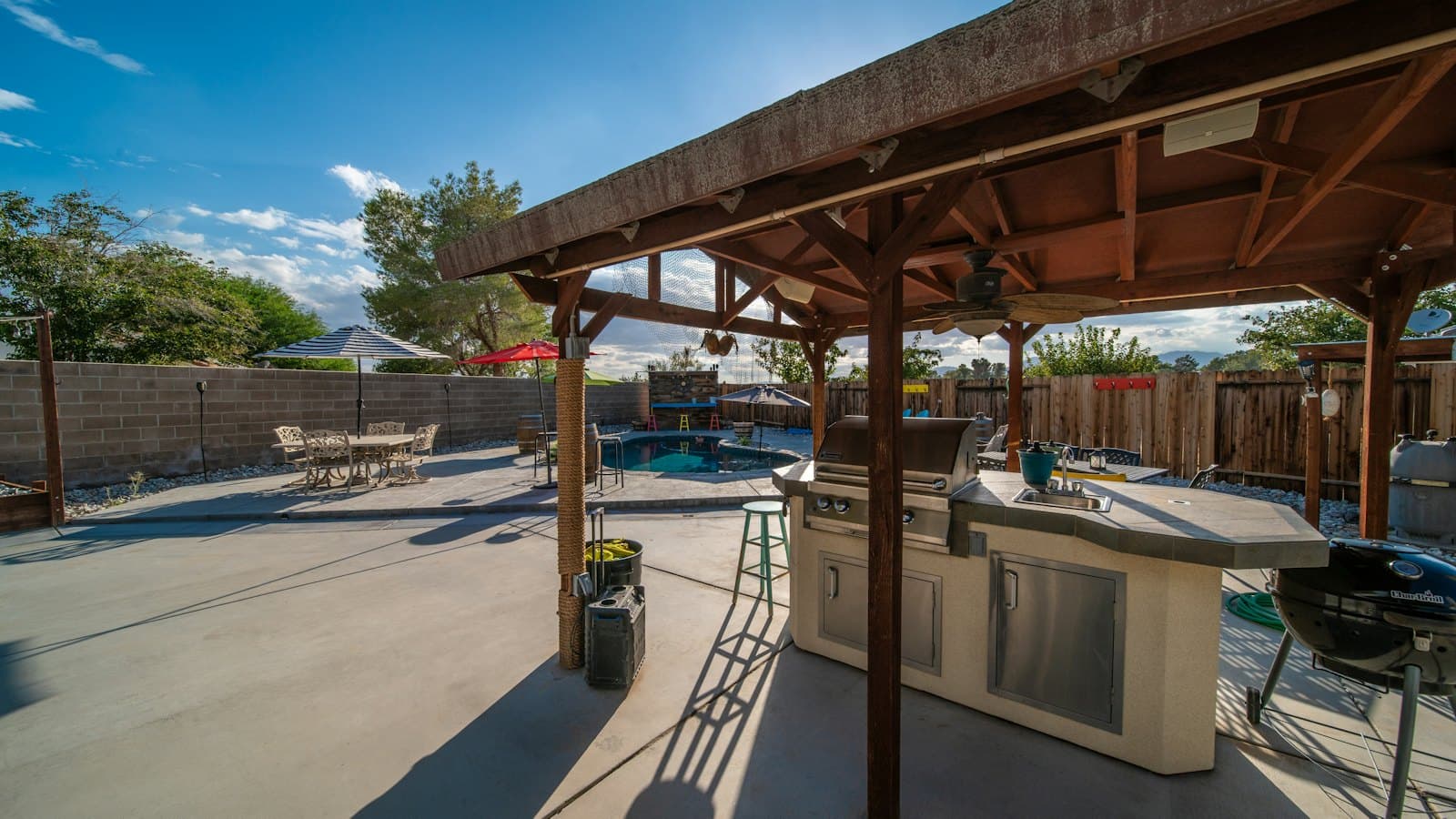
When evenings finally cool off, St. George backyards fill up with people and pests alike. Here's how to remove the food, water, and shelter that bring ants, spiders, scorpions, and wasps in.
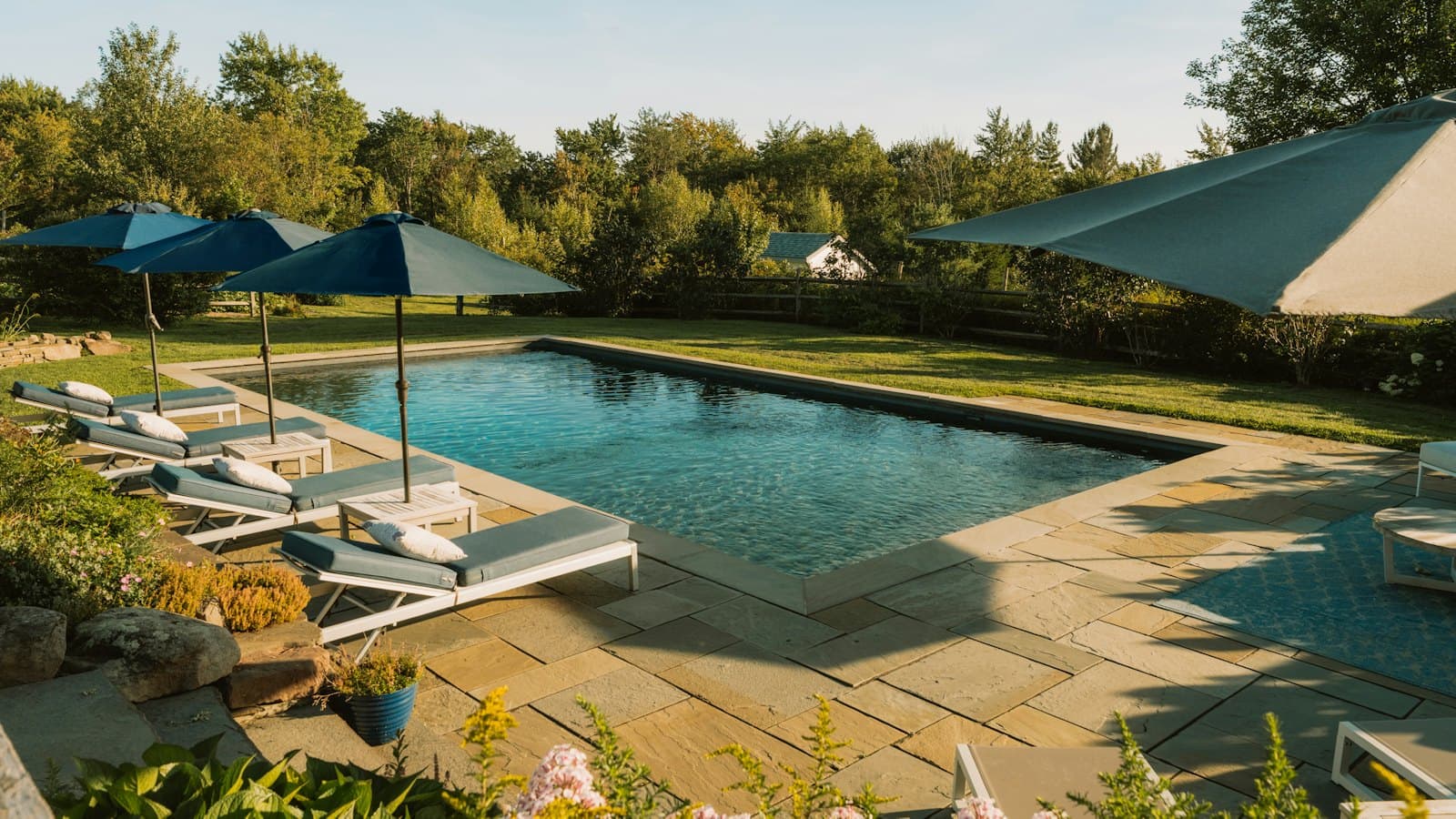
In a dry climate, any damp spot and tiny gap gives pests the water and access they're after. Here's how moisture and entry points invite infestations and what to check.
We back onto the river trail. Can you actually help?
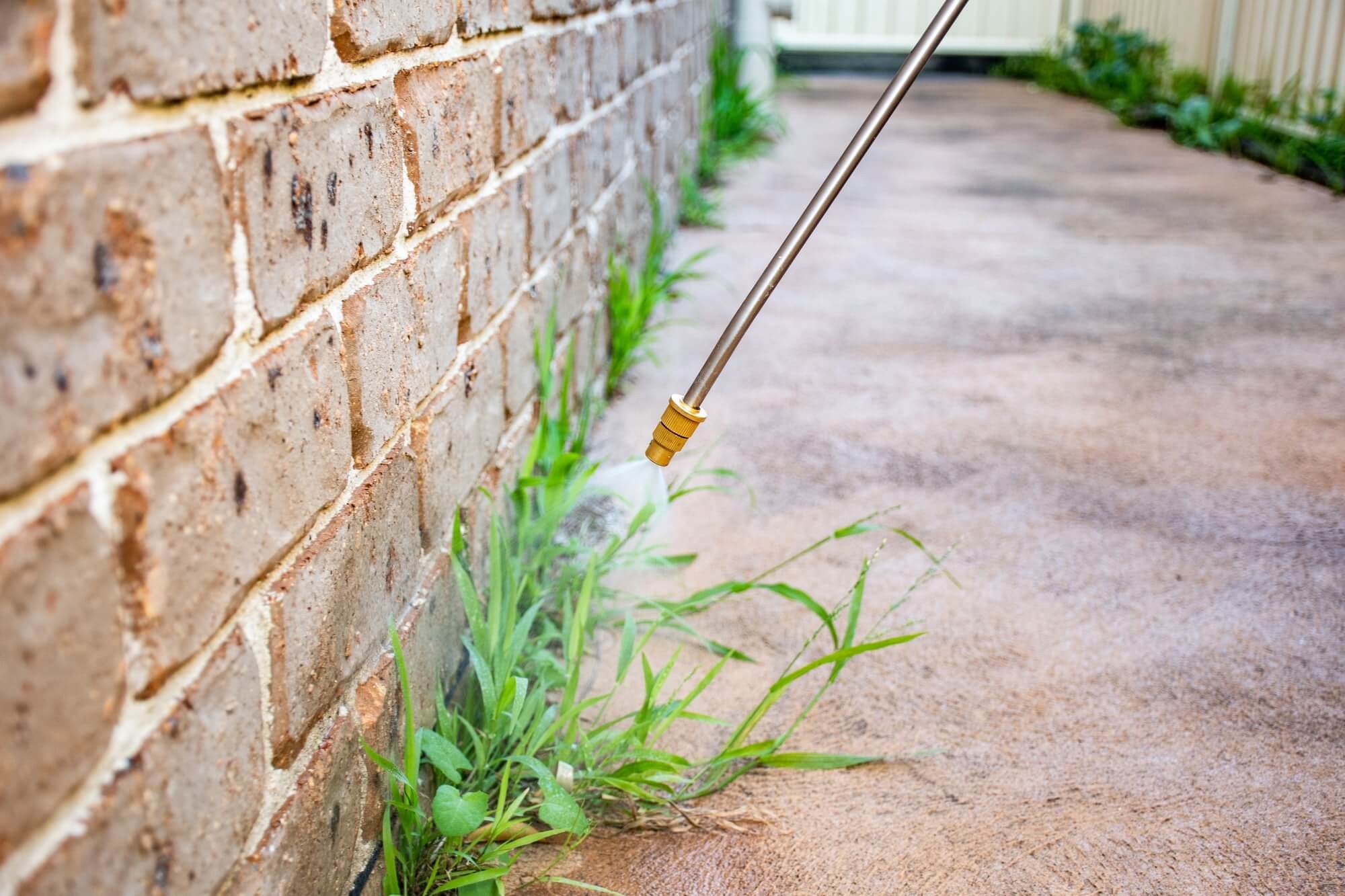
Yes, as long as we're clear about what we can treat. The river itself is public, and the Southwest Mosquito Abatement District handles it. On your property, we treat the shaded spots where adults rest during the day, deal with standing water, and run the perimeter on a tighter schedule through the summer. For river-adjacent homes, that's usually what makes evenings on the patio bearable again.
Should I worry about West Nile virus?
Be aware of it rather than worried. West Nile shows up in Utah in most years, and the mosquitoes that carry it are most active at dawn and dusk during the summer. The abatement district tracks it and posts updates. On your end, get rid of standing water, use repellent at dusk, and keep the yard treated if you live near the river corridors or the washes.
Why do I have mosquitoes when we live in the desert?
Because the yard isn't desert. Drip irrigation, misters, pool covers, AC condensate, plant saucers, and low spots after a monsoon storm all hold water, and a mosquito only needs about a spoonful to breed. On most properties the yard's own water produces more mosquitoes than the river or golf course everyone blames.
Is the treatment safe for pollinators?
We apply it with them in mind. Treatment goes on foliage and structures where mosquitoes rest, not on plants in bloom, and we time it outside peak pollinator hours. If you keep bees or have a pollinator garden, show us where it is on the first visit and we'll work around it.
How much does mosquito control cost in St. George?
Mosquito control runs as a seasonal add-on from spring through fall rather than all year. We quote it by lot size and the amount of shade and standing water on the property, after a walkthrough. Either way you get the number before any work starts, and there's no trip charge for St. George: we're based in St. George, so it's a routine stop on our route rather than a special trip.
What does a mosquito control visit in St. George cover?
Every visit covers: inspection for breeding sites and standing water; treatment of shady resting spots, shrubs, and under decks; larvicide in water that can't be drained; repeat treatments through the warm months. What changes by address is the weighting. Bloomington & Bloomington Hills and Southgate are two different jobs, so the technician decides on site where the time is best spent rather than running the same checklist everywhere.
Free Estimate
Ready to see why everything is better with butter?
Tell us what’s bugging you and we’ll get back to you fast with a free quote, usually the same day.