People often assume that 105-degree afternoons must kill off insects. In St. George it works the other way. The heat concentrates insect activity and pushes it toward whatever is cool and moist, which in a desert landscape usually means your house and yard.
What Heat Actually Does
Insects are cold-blooded, so their metabolism and growth speed up as it gets warmer. Life cycles get shorter and populations grow faster.
But heat also dries them out. Small insects lose water quickly, so they change their behavior: they hide in cooler, damper spots through the heat of the day and become more active around dawn, dusk, and on warm nights.
In the Mojave, where the air is dry and bare ground bakes in hours, there are only a few places like that. Irrigated landscaping. Shaded beds against the house. Block walls and rock landscaping that hold cooler pockets underneath. And the air-conditioned inside of buildings.
That is the whole story. Heat does not drive insects away from you. It drives them toward you.
Water Is The Controlling Factor
More than food, more than shelter, water decides where insects end up during a southern Utah summer.
The sources that matter around a typical St. George home:
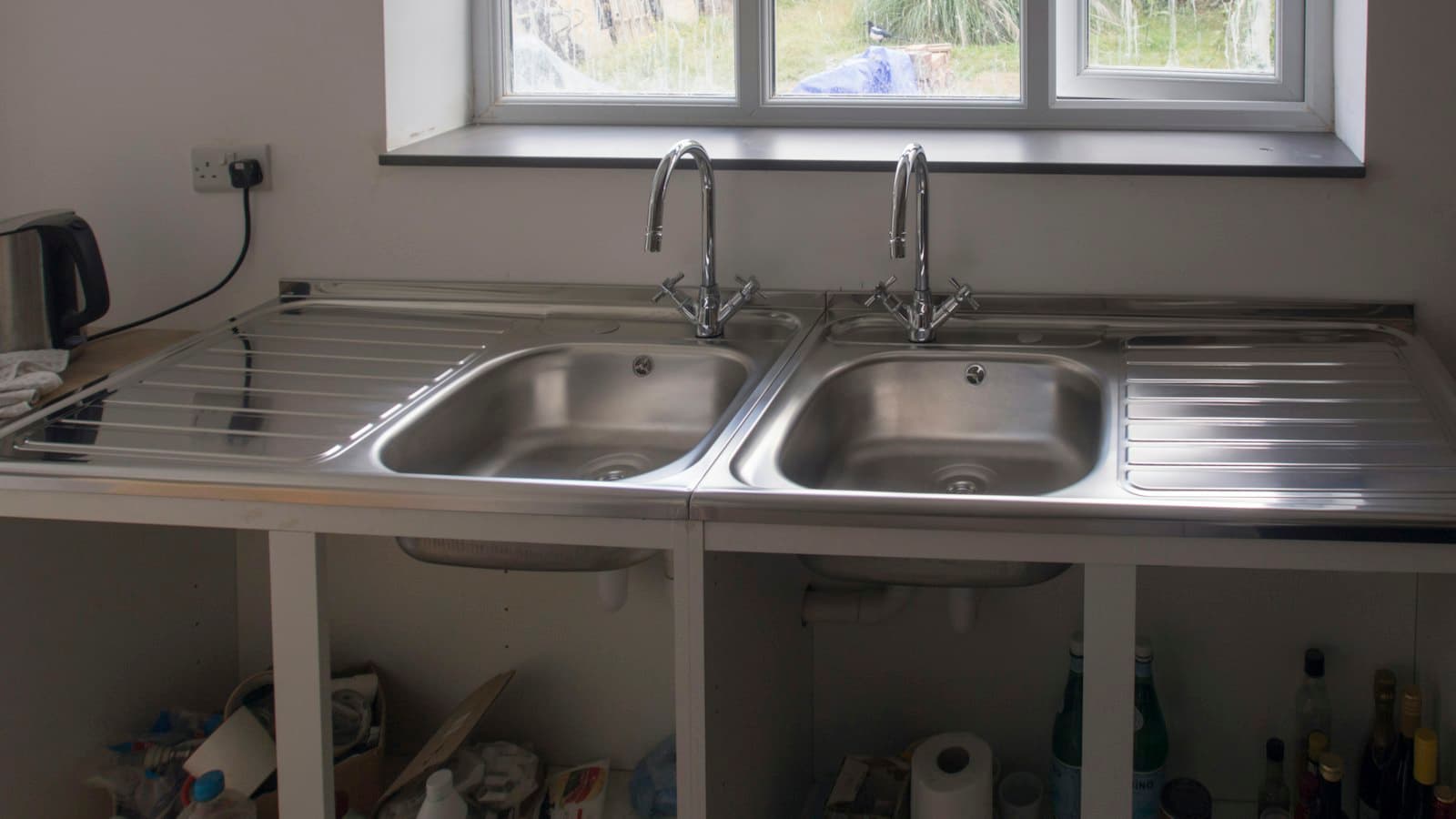
- Sprinklers hitting the slab and stucco
- Leaky hose bibs, valves, and drip emitters
- Overwatered beds right against the house
- AC condensate lines dripping next to the foundation
- Pool and spa splash-out and backwash
- Misting systems on patios
- Pet water bowls left outside
- Water sitting in saucers, buckets, and low spots, especially after monsoon storms
Each one becomes a destination. Insects that find it gather there, and whatever is next to it becomes their next stop.
The single most valuable thing you can do in summer is aim irrigation so nothing wets the house and fix leaks quickly. It costs almost nothing and completely changes where the problem sits.
Which Insects Respond Most
Ants. The clearest example. Colonies hunting for water during the heat are why kitchen and bathroom trails spike in June, July, and August.
Earwigs. They need moisture. They pack into mulch and thick ground cover and move inside when the yard dries out.
Silverfish. They need humidity, so they settle in bathrooms, under sinks, and in damp storage areas.
Crickets. They hide from the daytime heat in garages, utility rooms, and under doors.
Cockroaches. American and Turkestan cockroaches living in irrigation boxes, block walls, and sewer lines get more active in the heat and are more likely to wander inside.
Scorpions. Bark scorpions look for cool, sheltered spots during the day and hunt the insects drawn to moisture at night, which often brings them indoors in summer.
Spiders. They follow everything above.
Cooling Systems As Entry Points
This gets its own section because it is specific to hot places and almost always missed.
Air conditioning creates a cooler, more humid spot that insects can sense and head for, and the equipment itself creates openings:
- Refrigerant line holes through the wall, often never sealed
- Condensate drain lines, which offer both water and a direct path
- Window and wall AC units with poorly sealed gaps around them
- Evaporative coolers, still found on some older homes, which produce a lot of moisture
- Gaps in ductwork running through hot attics
Evaporative coolers deserve special attention. They add moisture on purpose, and their pads, water reservoirs, and supply lines keep a constantly damp spot on the roof or wall of the house.
Practical Protection
Manage water first.
- Turn every sprinkler head away from the slab and walls
- Fix leaking emitters, valves, and hose bibs
- Water early in the morning so surfaces dry during the day
- Water less often near the house
- Route AC condensate lines away from the foundation
- Get rid of standing water
Seal the entry points.
- Install and maintain door sweeps, including on the garage door
- Seal around refrigerant lines, condensate drains, and every other pipe or wire opening
- Repair window and door screens
- Seal gaps around window and wall AC units
- Patch stucco cracks near the ground and close gaps where block walls meet the house
Reduce exterior harborage.
- Keep a clear strip along the foundation
- Use less mulch near the walls, since deep mulch stays damp
- Trim plants so nothing touches the house
- Move debris, stored items, and loose rock piles away from the walls
Adjust lighting.
- Warm white bulbs at 2700K or lower, or amber
- Motion sensors instead of all-night lighting
- Fixtures moved away from doors where you can
Manage interior humidity.
- Run bathroom and kitchen exhaust fans
- Fix plumbing leaks promptly
- Keep laundry and utility rooms ventilated
Timing Your Work
Do the sealing and irrigation adjustments in spring, ideally by early May, before the heat sets in. Once daytime highs stay above 100, insects have already settled around whatever water they can find, and you are managing an existing pattern instead of preventing one.
If insects are getting into your St. George or Washington County home during the hot months, contact Butter Pest Control. In this climate the cause is almost always water, and that is usually something we can fix.
Dealing with this pest at your place?
Butter serves St. George and southern Utah with free inspections and a re-treatment guarantee. Get an honest quote, no pressure.
Aspen Chournos
Aspen Chournos writes about desert pest pressure and prevention for homes and businesses across St. George and southern Utah.