
A lot of homeowners handle pest problems with tips picked up from social media, neighbors, or habits that have been around for years. Some of that advice sounds reasonable, but much of it oversimplifies how insects behave and why infestations keep coming back. In St. George, scorching summers, monsoon moisture, and mild winters affect pests in ways people don't always expect.
Effective insect control depends on knowing how pests survive, where they hide, and what keeps them active around a property. Homes dealing with ants, spiders, scorpions, cockroaches, rodents, bed bugs, termites, fleas, ticks, mosquitoes, earwigs, or stinging insects usually need a wider inspection than these myths suggest.
Myth: A Few Bugs Means A Small Problem
One of the most common beliefs is that occasional sightings mean the issue is minor. In reality, many pests stay hidden for a long time before they become obvious indoors.
- Ant colonies often reach well beyond the trail you can see
- Cockroaches tend to hide in dark, damp spaces
- Scorpions can shelter in block walls and rock landscaping for months
- Bed bugs usually stay tucked near beds and furniture
- Subterranean termites can work inside walls without any visible sign
One sighting may be the edge of a much larger hidden population. That's especially true in the warmer months, when pest activity climbs across St. George neighborhoods.
A professional inspection helps tell whether what you're seeing is a stray visitor or the start of an established infestation. Waiting until things are obviously bad often gives pests time to spread deeper into walls, attics, or outdoor hiding spots.
Seasonal pressure can also turn a small spring problem into a much bigger summer one if the underlying conditions are left alone.
Myth: Clean Homes Don't Get Pests
Keeping a clean house does cut down on some attractants, but spotless homes still get infestations. Many pests come in looking for shade, water, shelter, or a protected place to nest, not crumbs or clutter.
- Termites are after moist soil and wood, not dirty dishes
- Rodents squeeze in through very small exterior gaps
- Spiders and scorpions follow insects indoors no matter how clean the floors are
- Bed bugs travel in luggage and secondhand furniture
- Ants often come inside hunting for water during dry, hot weather
A well-kept home can still have pest problems if the structure or surroundings make it easy for them. A small plumbing leak, a stucco crack, irrigation along the foundation, or dense landscaping can all support pests even in a carefully maintained house.
That's why professional insect control looks beyond cleanliness to entry points, moisture, nesting areas, and seasonal movement around the whole property.
Myth: Store-Bought Products Fix Everything
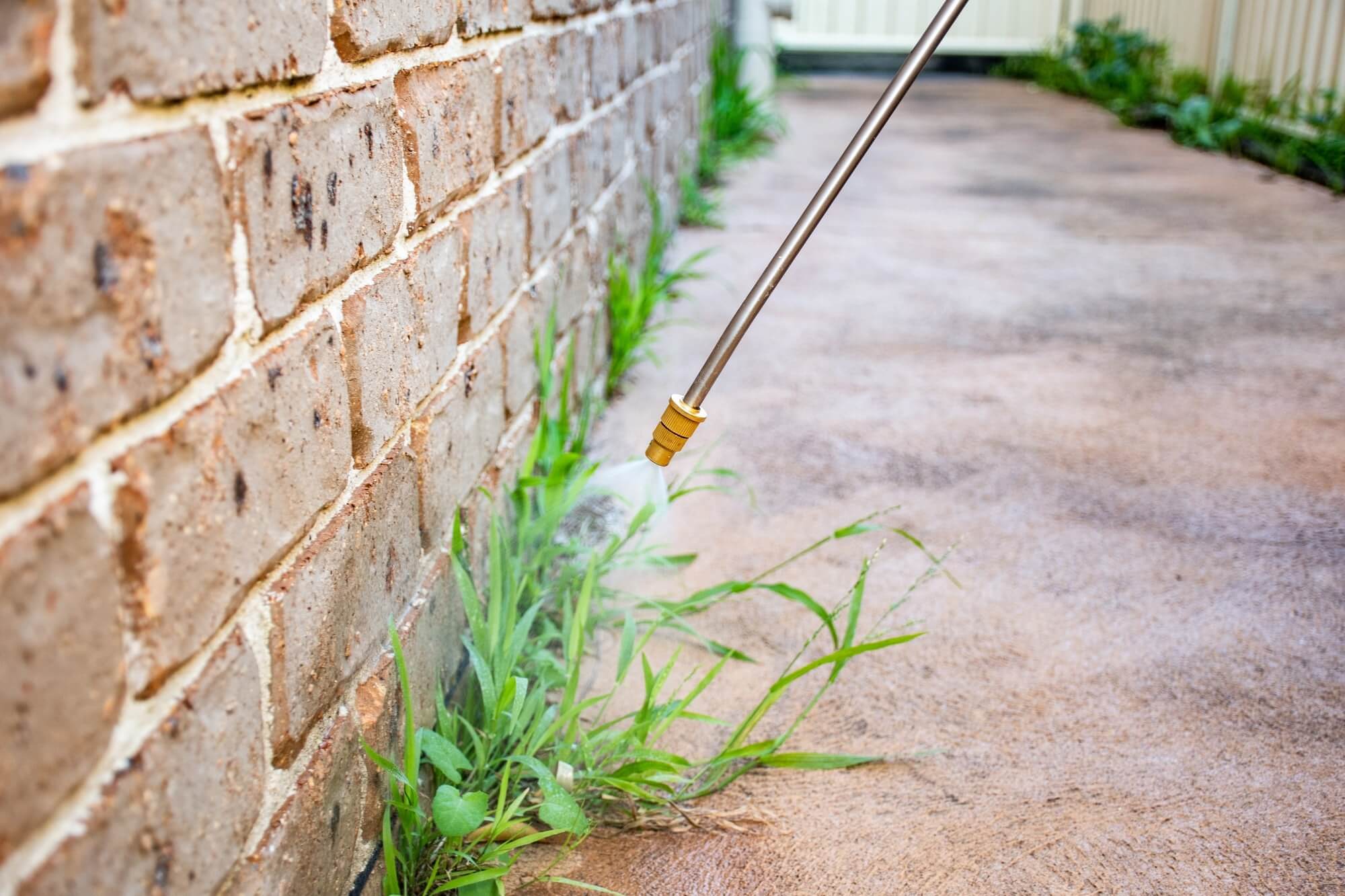
Off-the-shelf sprays, traps, and foggers can reduce visible pests for a while, but many infestations continue because the source is never touched. Surface treatments usually don't reach nests, hidden colonies, or breeding sites inside walls.
- Sprays seldom reach hidden nesting spots
- Product placed in the wrong spot loses much of its effect
- Repeat spraying can mask an underlying moisture problem
- Outdoor activity keeps sending pests back inside
- Different pests need different treatment approaches
Spraying a line of ants, for example, almost never eliminates the colony. Likewise, removing a few spiders inside does nothing about the insects outside that keep feeding them.
Professional insect control is built on inspection, identification, and targeted treatment rather than general surface spraying. Understanding how pests respond to the Mojave Desert climate also explains why activity shifts so much from season to season.
Weather has a major influence on pests in southern Utah. Extreme heat pushes insects and scorpions toward shade and water, monsoon storms bring bursts of activity, and the fall cool-down sends rodents and spiders toward buildings. These seasonal patterns are why ongoing prevention matters more than one-time treatment.
Myth: Pests Disappear When It Cools Off
Some homeowners assume pests are gone once temperatures drop. Activity does change with the seasons, but in St. George's mild winters, many pests stay active, especially indoors, as long as conditions support them.
- Rodents move inside looking for warmth and shelter
- Cockroaches stay active around plumbing and water heaters
- Spiders keep following whatever insects are indoors
- Bed bugs stay active regardless of the weather outside
- Termites can keep working inside structural wood all year
Cooler weather usually shifts pest behavior rather than ending it. Pests often move deeper into protected spaces where they're less likely to be noticed.
Long-term prevention depends on monitoring and managing conditions throughout the year. Regular inspections catch new activity early and make it less likely that a larger infestation builds unnoticed.
Because each pest reacts differently to changing conditions, professional guidance helps homeowners understand which risks need attention right away and which prevention steps work best over time.
Look Past The Myths To Protect Your Home
Misunderstanding pest behavior often gives hidden infestations room to grow behind walls, in attics, and around outdoor hiding spots. Effective insect control focuses on finding the source, correcting the conditions behind it, and watching for long-term risks across the property. Professional inspections uncover hidden problems before they become harder to manage. For insect control and long-term prevention around St. George, contact Butter Pest Control.
Dealing with this pest at your place?
Butter serves St. George and southern Utah with free inspections and a re-treatment guarantee. Get an honest quote, no pressure.
Aspen Chournos
Aspen Chournos writes about desert pest pressure and prevention for homes and businesses across St. George and southern Utah.