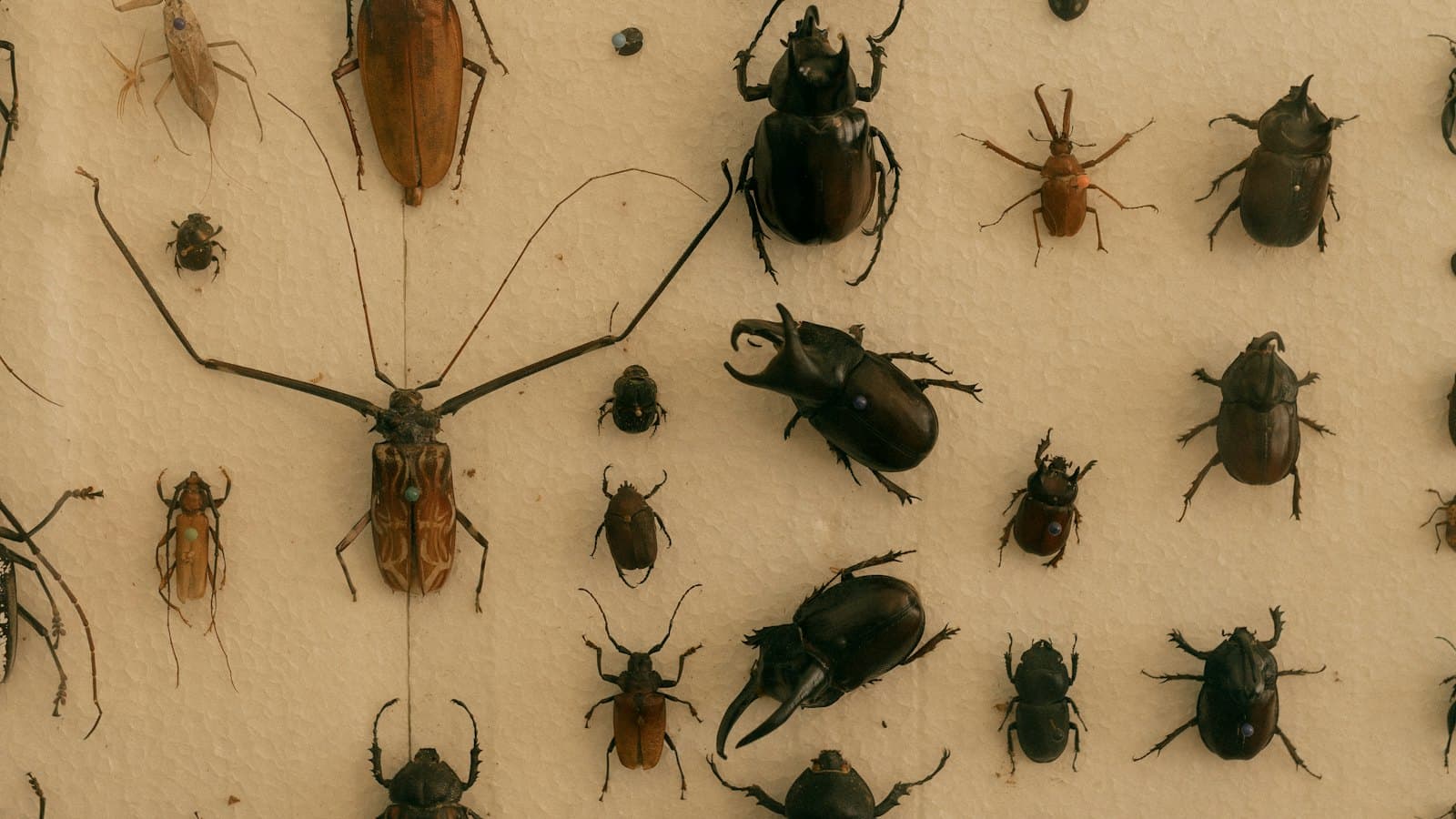
Insects don't show up without a reason. Around St. George, extreme summer heat, dry air, monsoon moisture, and cooler fall nights all push insects to look for shelter in and around homes. Many infestations start quietly in out-of-the-way spaces long before anyone sees a pest in the living room. Knowing how to inspect your home for insect hiding spots helps you catch early warning signs and make smarter pest control decisions.
From a professional point of view, an inspection isn't about reacting to the bugs you see. It's about finding the conditions that let ants, spiders, scorpions, cockroaches, and other insects hide, survive, and multiply. A careful, structured inspection lowers the chance of recurring problems and unexpected damage.
Why Insects Pick Certain Places To Hide
Insects are driven by basic needs. They want protection from the weather, access to water, and food nearby. Homes in Washington County often provide ideal shelter thanks to stucco walls, block fences, rock landscaping, utility openings, and steady indoor temperatures.
Insects prefer dark, undisturbed places where there isn't much activity. Those spots let them avoid notice while staying close to resources. The seasons matter too: blistering summer heat drives many insects toward shade and water, and the fall cool-down sends others looking for shelter.
Understanding why insects choose certain spots makes an inspection more useful. Instead of looking around at random, focus on the places that naturally support pest activity.
Indoor Spaces That Deserve A Close Look
Inside the house, focus on areas where insects can stay hidden while still reaching water or food. These spots are easy to miss during regular cleaning.
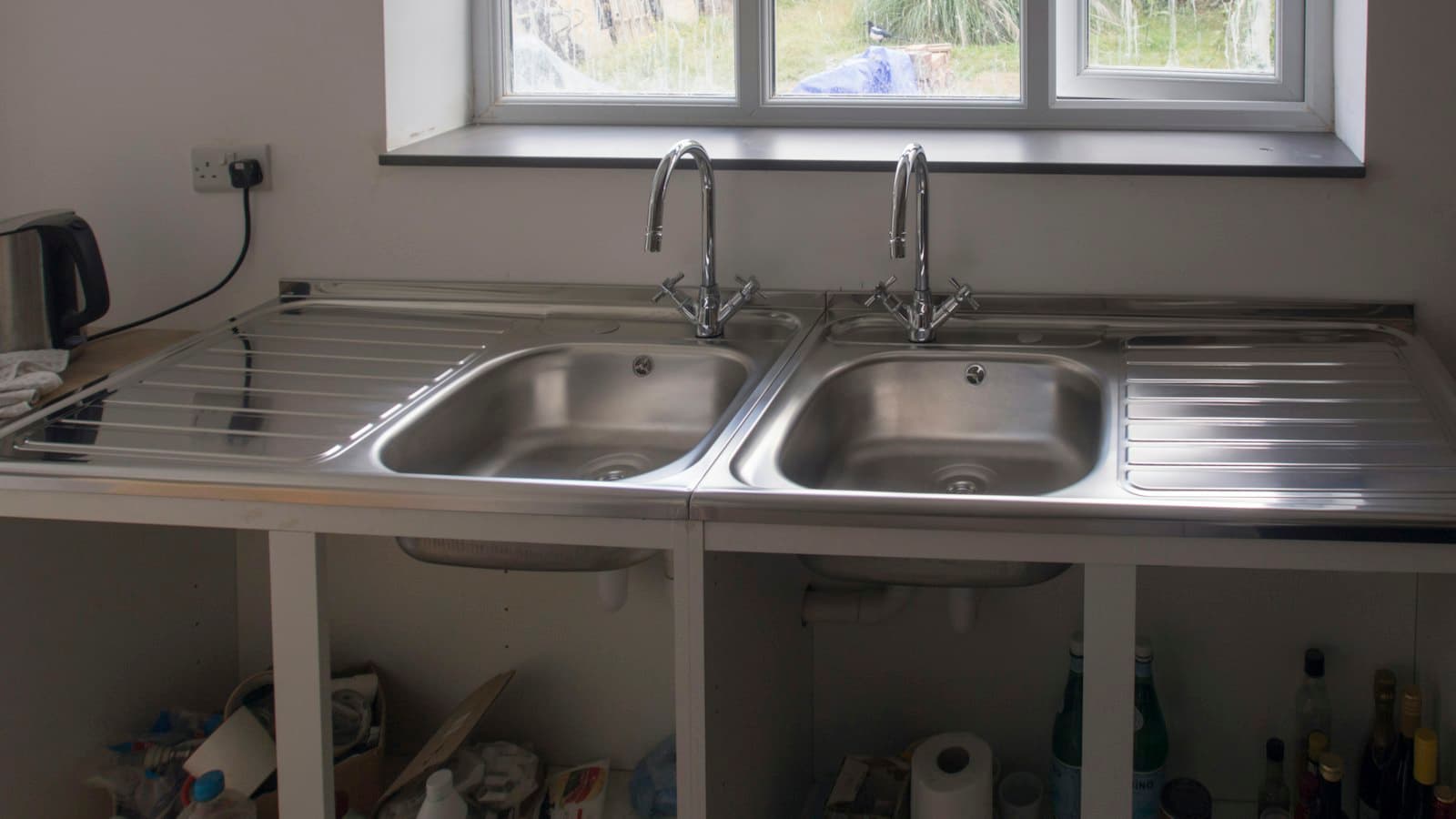
- Under sinks and around plumbing connections
- Inside cabinets, pantries, and storage closets
- Behind the refrigerator, stove, and other appliances
- Along baseboards, corners, and wall seams
Kitchens and bathrooms deserve special attention because water use adds humidity that attracts insects. Small leaks, condensation, or damp materials can keep activity going. Storage areas that sit untouched for long stretches often become nesting zones.
A visual check helps, but many insects hide inside walls or under flooring. When signs keep showing up in the same rooms, it usually points to hidden activity that calls for a professional pest control evaluation.
Outdoor Areas Where Insects Get In
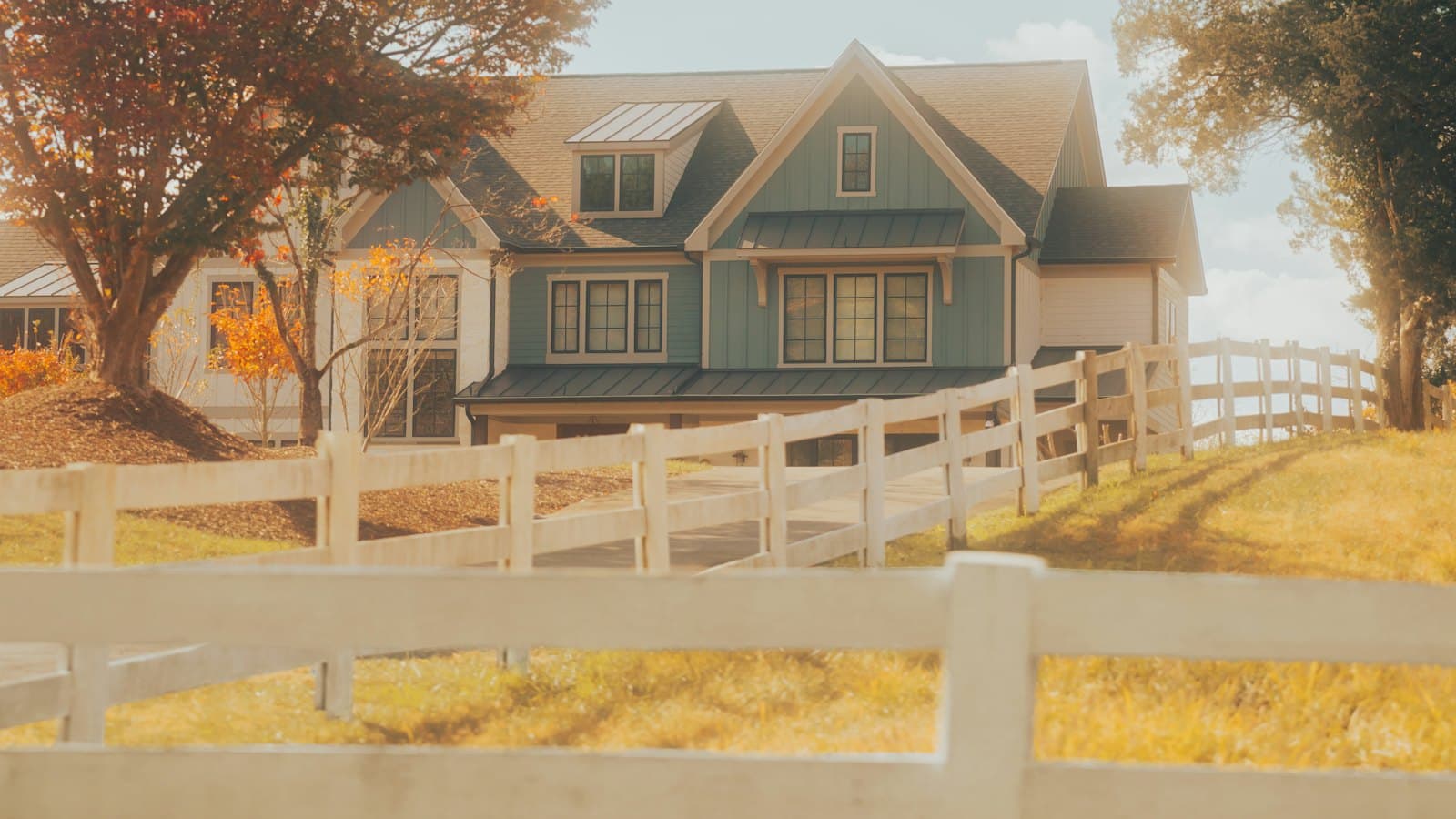
Checking the exterior is just as important as checking inside. Many infestations begin outdoors and move in through small openings.
- Cracks in stucco and along the foundation
- Gaps around doors, windows, and garage door seals
- Utility penetrations for cables, AC lines, and pipes
- Spots where soil, gravel, or mulch touches the structure
Intense sun and big temperature swings make building materials expand and contract, slowly opening gaps over time. Even tiny openings give insects enough room to get in. Rock landscaping and block walls right next to the house can also shelter scorpions and crickets, and outdoor lights draw flying insects toward doors and windows.
Sealing weak spots is an important part of prevention. Small structural fixes can lower indoor pest pressure when combined with ongoing monitoring.
Hidden Conditions That Keep Infestations Going
Not every hiding spot is obvious. Many infestations hang on because conditions inside the home keep supporting pests even after the visible ones are gone.
- Excess moisture from leaks or poor ventilation
- Clutter that creates undisturbed shelter
- Cardboard boxes that attract insects
- Low-traffic areas that rarely get cleaned
Insects do well wherever conditions stay favorable, even after visible pests are removed. That's why one-time efforts often fall short. Unless those contributing factors are addressed, activity tends to come back.
Recurring infestations are frequently tied to causes that were never dealt with. Finding those hidden conditions during an inspection explains why professional pest control looks at the whole environment instead of single sightings.
When A Professional Inspection Is The Next Step
A homeowner's inspection can reveal surface-level concerns, but it has limits. Insects often nest inside wall voids, attics, or block walls that are hard to get to. Professionals bring experience and specialized tools to spot activity patterns homeowners can miss.
A professional inspection is about more than finding insects. It evaluates risk factors, structural weak spots, and environmental conditions that influence pest behavior. That complete picture allows for targeted strategies that reduce recurrence instead of offering short-term relief.
Professional pest control also adjusts to southern Utah's seasons. Desert heat, monsoon storms, and dry stretches affect insect movement very differently than in more humid or colder regions. Local expertise keeps inspections relevant all year.
Building An Inspection Habit That Prevents Bigger Problems
Regular inspection works better than waiting until a problem is obvious. Routine checks help you notice changes before an infestation spreads.
- Watch high-risk areas when the seasons change
- Pay attention to repeated activity in the same spots
- Fix moisture issues quickly
- Schedule a professional evaluation when patterns don't go away
Treating inspections as a prevention habit rather than a reaction lowers the odds of unexpected infestations. Catching things early limits damage, reduces disruption, and supports long-term pest control success.
A Closer Look Makes All The Difference
Insect hiding spots are often in plain sight, even in homes that look clean and well kept. Knowing where to look and which conditions matter helps uncover problems early. For a thorough inspection and dependable pest control guidance tailored to the St. George area, contact Butter Pest Control to protect your home with expert care.
Dealing with this pest at your place?
Butter serves St. George and southern Utah with free inspections and a re-treatment guarantee. Get an honest quote, no pressure.
Aspen Chournos
Aspen Chournos writes about desert pest pressure and prevention for homes and businesses across St. George and southern Utah.