Free inspections & quotesSame-day service availableSatisfaction guaranteed
Licensed & Insured
Family & Pet Friendly
Same-Day Service
Re-Treatment Guarantee
Trusted Locally
Licensed & Insured · UT #24592
St. George specifics
Spider Control in St. George, honestly
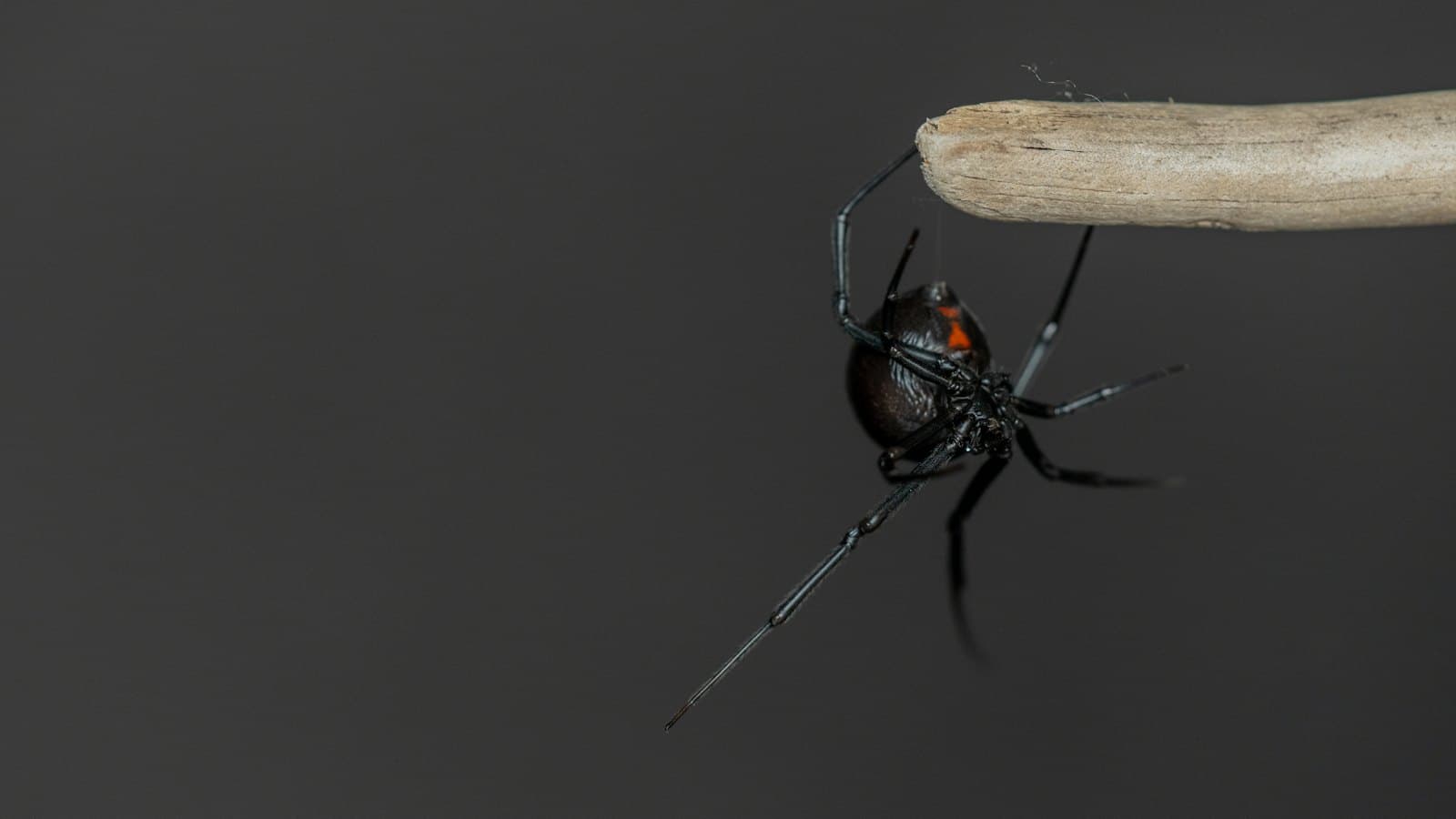
The western black widow is common across St. George, more common than most new residents expect. Widows want sheltered, undisturbed gaps close to the ground, and this town is full of them: the cores and caps of block walls between yards, the voids under rock and lava landscaping, water and gas meter boxes, pool equipment, garage corners, and patio furniture that sits for months. They aren't aggressive, but those are all places people reach into, which is why widows here need targeted work and not just a general spray.
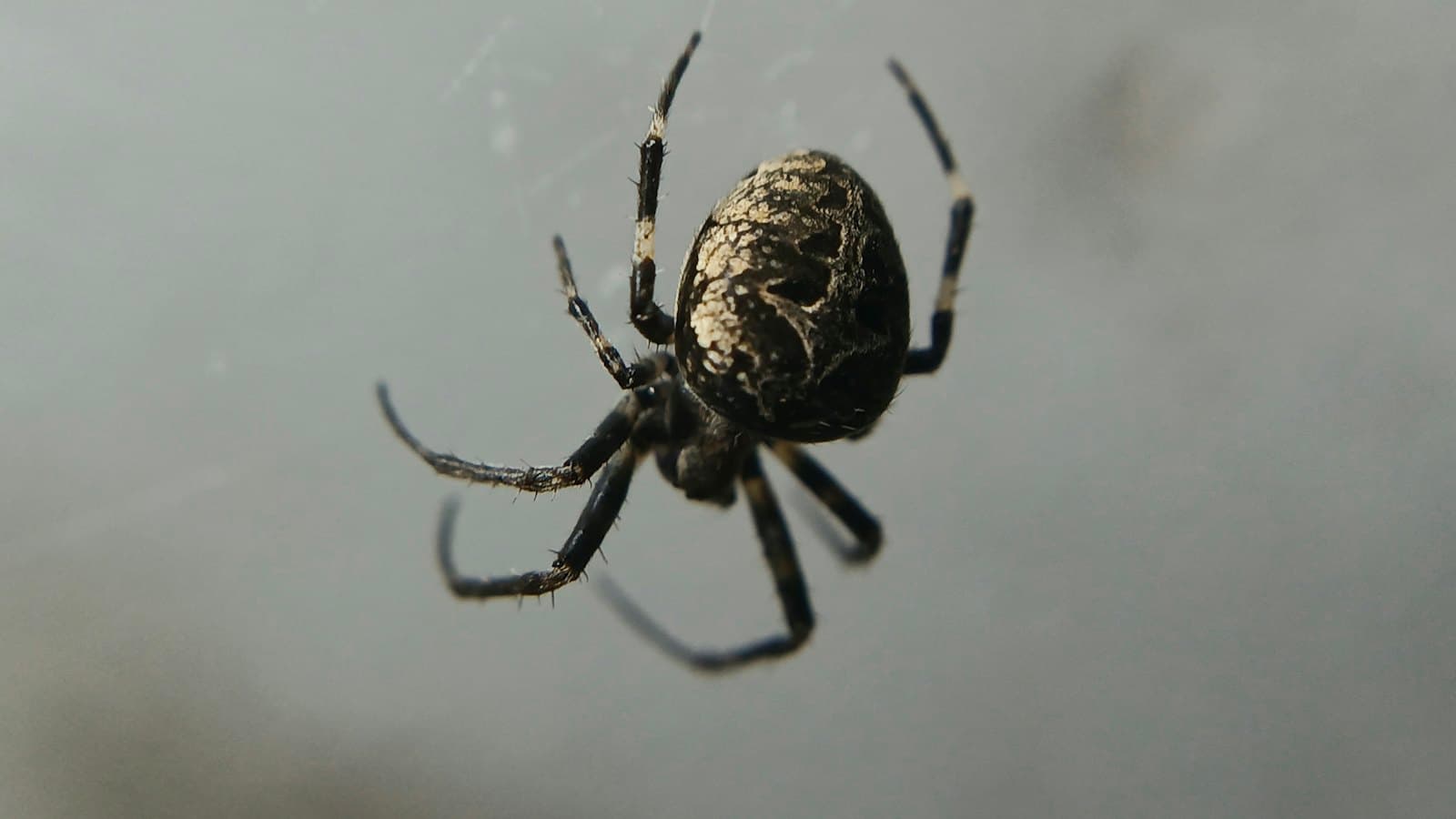
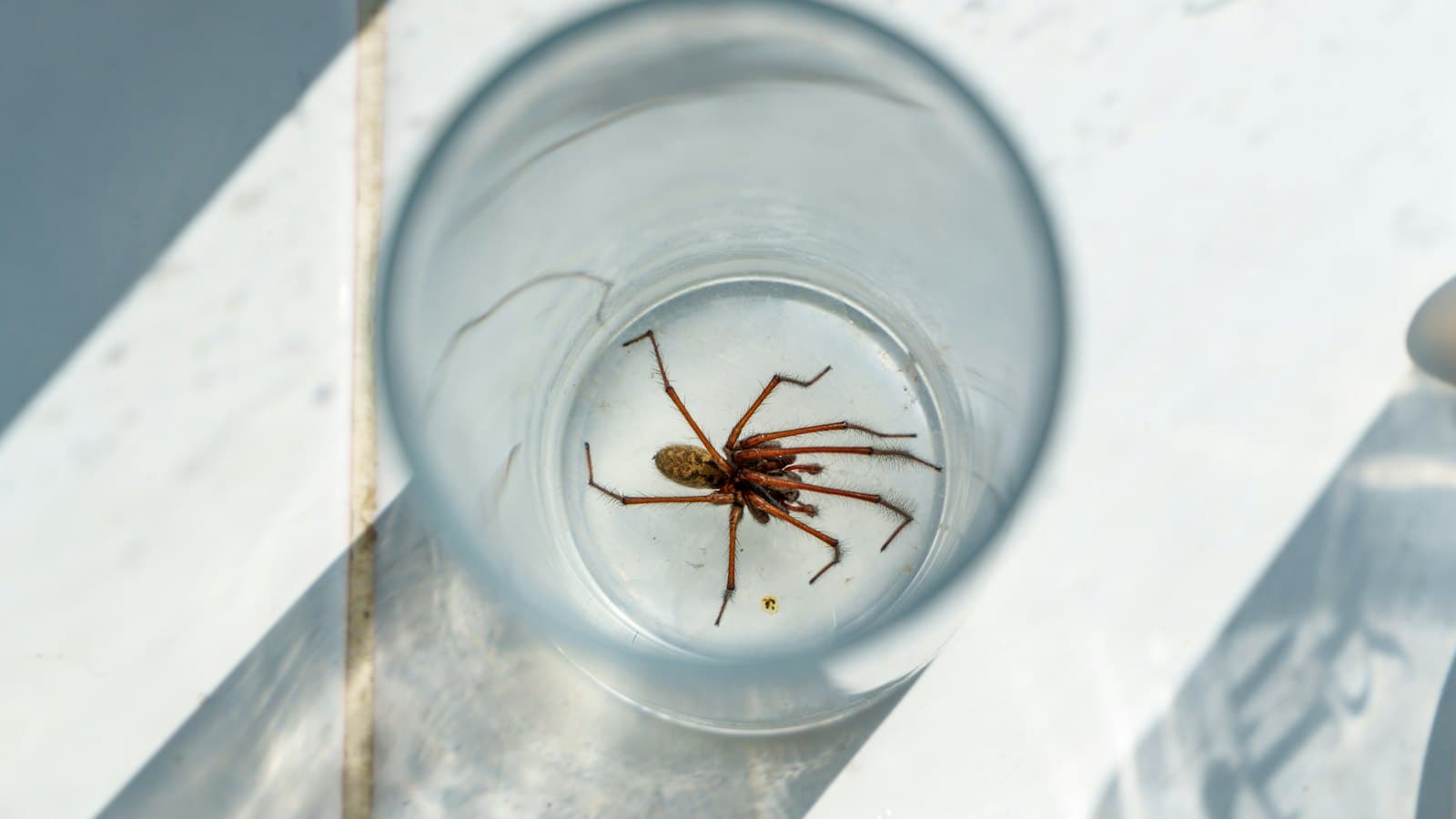
The other spiders you'll see are mostly wolf spiders, which roam at night and come inside chasing insects, along with a range of web builders on eaves and light fixtures. Desert recluse spiders do live in the region but stay in outdoor rock and debris. The brown recluse proper is not established in Utah, despite how often it gets blamed for bites.
Spiders follow food. A home with lots of crickets, moths at the porch light, and insects in the rock beds will keep growing webs no matter how often they're swept down. So the treatment covers both: clearing webs and treating the cracks and wall voids where spiders shelter, and reducing the insect population that keeps them around.
St. George isn't one pest problem, and it isn't one treatment either. These are the parts of the city where this service does the most work, and why.
Red Hills & the north side
84770
Homes below the red sandstone bluffs near Pioneer Park and the Red Cliffs reserve, with natural rock and ledges running right up to backyards. Widows and wolf spiders come off the sandstone into block walls and garages, and outer lots need the wall caps and rock lines treated, not just the house.
Bloomington & Bloomington Hills
84790
Older custom homes on sandstone hills, many with long runs of block wall, terraced rock, and outbuildings. Widow harborage is everywhere, and the golf course and river side add the insect supply that keeps spiders well fed.
Dixie Downs & Green Valley
84770
Established neighborhoods around the lava ridges on the west side, with decades-old block walls whose caps and mortar have opened up. Those gaps hold widows year-round, and meter boxes and side-yard storage need to be checked on every visit.
Sun River
84790
A 55+ community where garages hold golf carts, storage, and seasonal belongings that may sit untouched for months, which is exactly the kind of spot widows choose. Garages and patio furniture get a separate check, and many owners who spend summers elsewhere want the house looked over before they return.
Desert pest pressure is seasonal and it's predictable. Knowing which window you're in is most of knowing what to book.
Spring build-upMarch – May
Widows and web builders become active as nights warm up, and egg sacs laid now hatch into the summer population. Clearing webs and sacs from block walls and garages in spring cuts down what you'll see all summer.
Summer peakJune – September
Warm nights mean insects at every porch light and spiders hunting them. Monsoon rains bring a wave of crickets and other insects that wolf spiders follow inside. This is when most calls about spiders in the house come in.
Fall move toward the houseOctober – November
As the evenings cool, wolf spiders and widows move toward foundations, garages, and wall voids for shelter. A perimeter and garage treatment in early fall keeps that move outside.
If the pests come back, so do we.
Free re-treats between scheduled visits, no questions, no extra invoice. That’s the Butter Promise.
Eco-friendly spider control isn't about weaker products. It's about precision and prevention. Here are the low-impact methods that actually cut down spiders in a desert home.
Brutal summer heat and mild winters let spiders stay busy in St. George homes nearly year-round. Here's what steady indoor spider activity is really telling you.
An occasional spider is normal, but repeat sightings usually mean food, water, and quiet hiding spots are already in place. Here's what they're telling you about your home.
Spiders hunt at night and hide by day, so infestations often go unnoticed. Here are five signs your southern Utah home has more spiders than you think.
Southern Utah is bark scorpion country. Most stings are painful rather than life-threatening, but repeat sightings mean the house is giving them a reason to stay.
The one that matters is the western black widow, which is widespread here. Bites are uncommon and seldom serious for healthy adults, but they do warrant medical attention, especially for children and older adults. Desert recluse spiders live in the area but stay mostly in outdoor rock and debris. Wolf spiders look scary and come inside often, but they aren't medically significant. Brown recluse spiders are not established in Utah.
Why are there so many black widows in my block wall?
Because block walls are almost perfect widow habitat: hollow cores, cracked caps, gaps at the base, and nobody disturbing them. Most St. George yards are fenced with block, so most yards have widows somewhere. We treat the wall caps, the base, and the gaps, along with meter boxes and rock beds. Wear gloves when you reach into any of those spots.
Do you just knock down the webs?
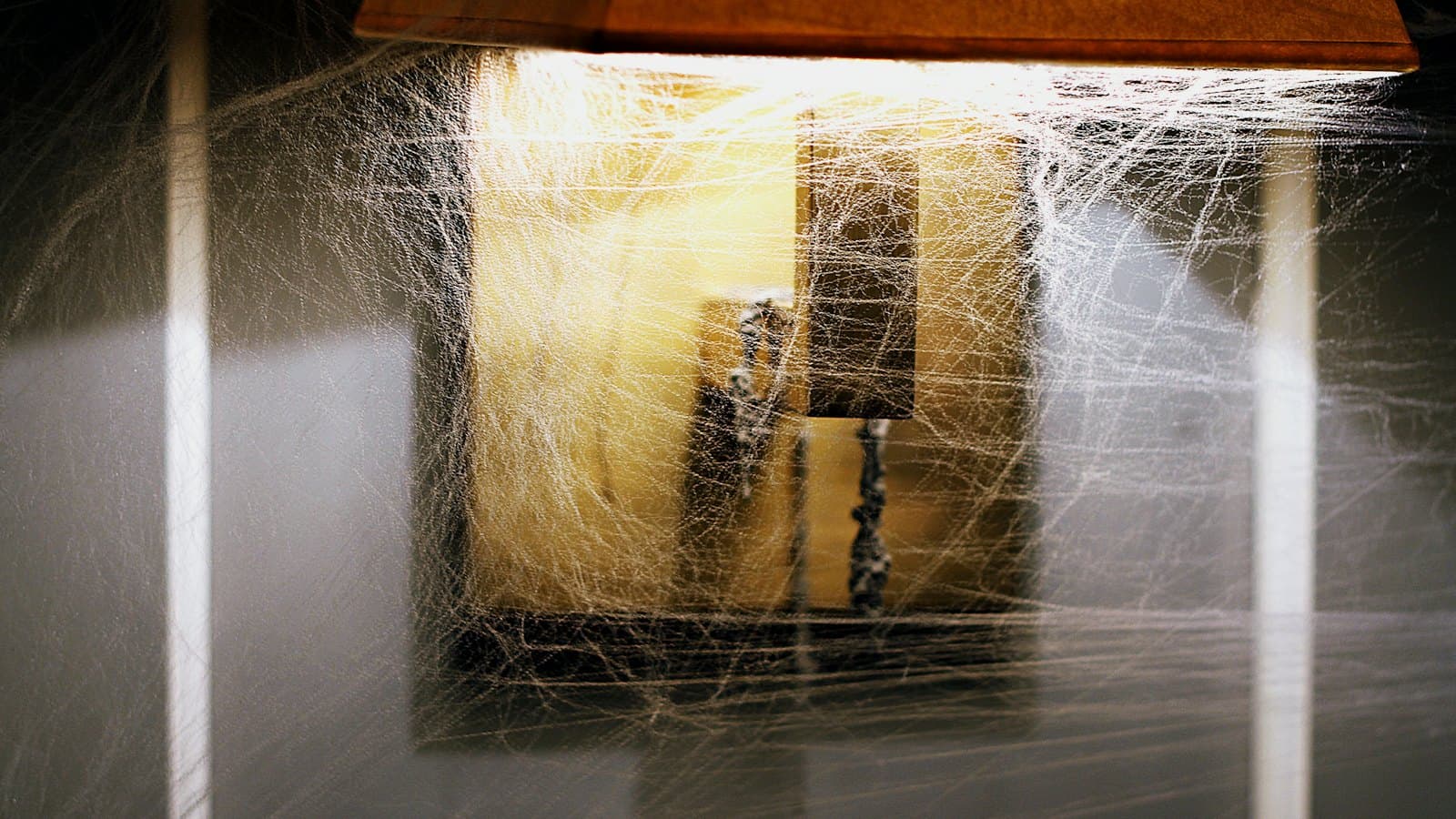
Web removal is part of it, but only part. We clear webs from eaves, corners, and entries, treat the cracks and voids where spiders hide, and target the insects they eat, because a yard full of crickets and moths will have new webs within a couple of weeks. If webs come back unusually fast, it usually points to a larger insect problem that needs attention.
Will the treatment kill scorpions too?
Partly. Scorpions and spiders shelter in the same spots, block walls, rock, and garage gaps, so treating that harborage helps with both. But bark scorpions are tougher and need their own approach, including sealing gaps at doors and weep screeds and reducing the insects they hunt. If you're seeing scorpions, tell us so we plan the visit for them as well.
How much does spider control cost in St. George?
Spider control is part of the recurring plans, because widows and the insects that feed them come back on a schedule, and the treatment that helps most is the one already in place when they do. Most St. George homes sit on one of our monthly plans: Pest Control at $65/mo (quarterly service), Pest + Weed at $125/mo (bi-monthly service), or White Glove at $599/mo (by appointment only). Larger properties or heavy infestations can run higher, and we'll quote that up front after a free inspection.
What does a spider control visit in St. George cover?
Every visit covers: web removal from eaves, corners, and entryways; treatment of cracks, voids, and hiding spots; reduction of the insects spiders feed on; exterior barrier to stop spiders before they get in. What changes by address is the weighting. Red Hills & the north side and Bloomington & Bloomington Hills are two different jobs, so the technician decides on site where the time is best spent rather than running the same checklist everywhere.
Free Estimate
Ready to see why everything is better with butter?
Tell us what’s bugging you and we’ll get back to you fast with a free quote, usually the same day.