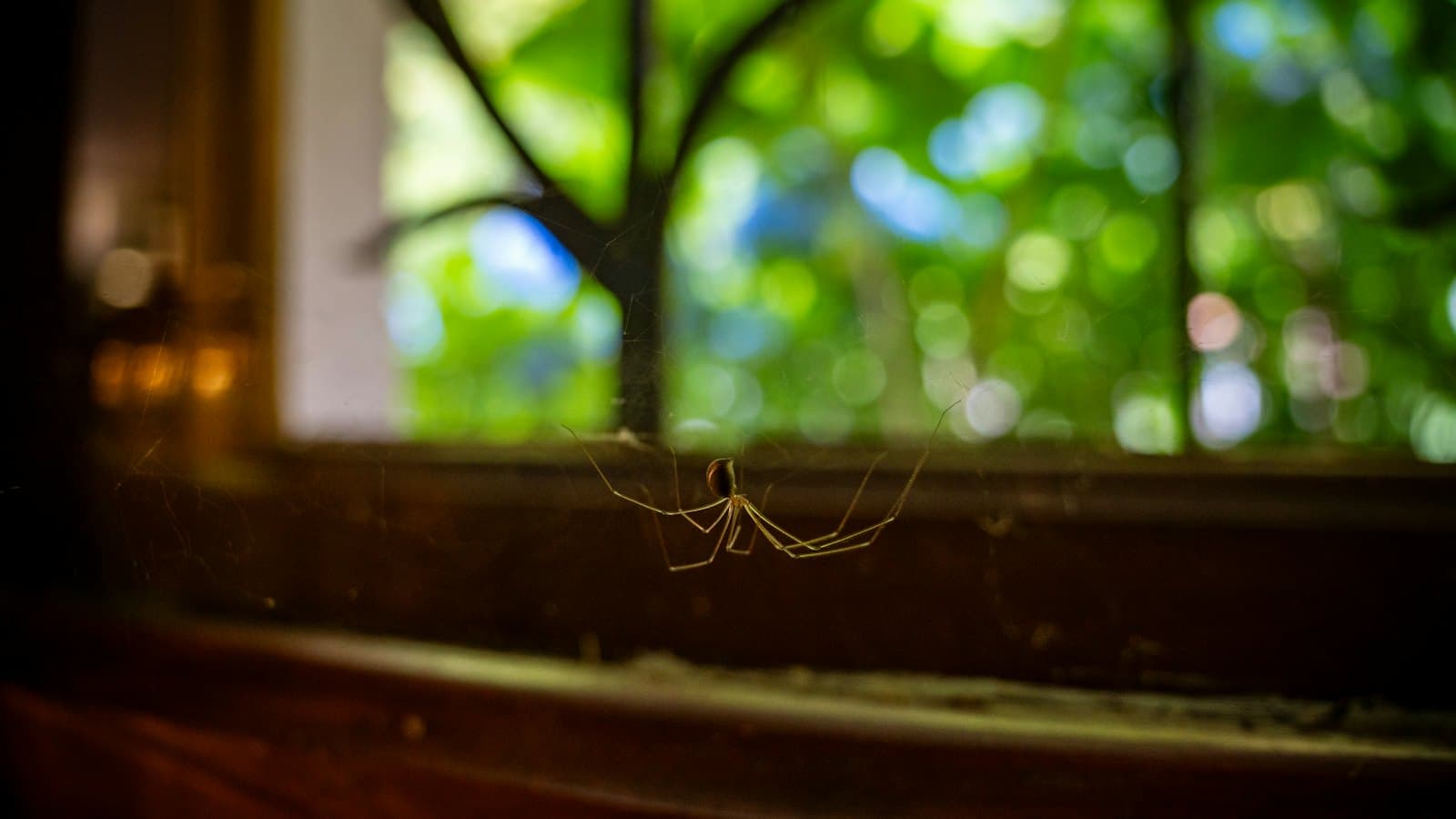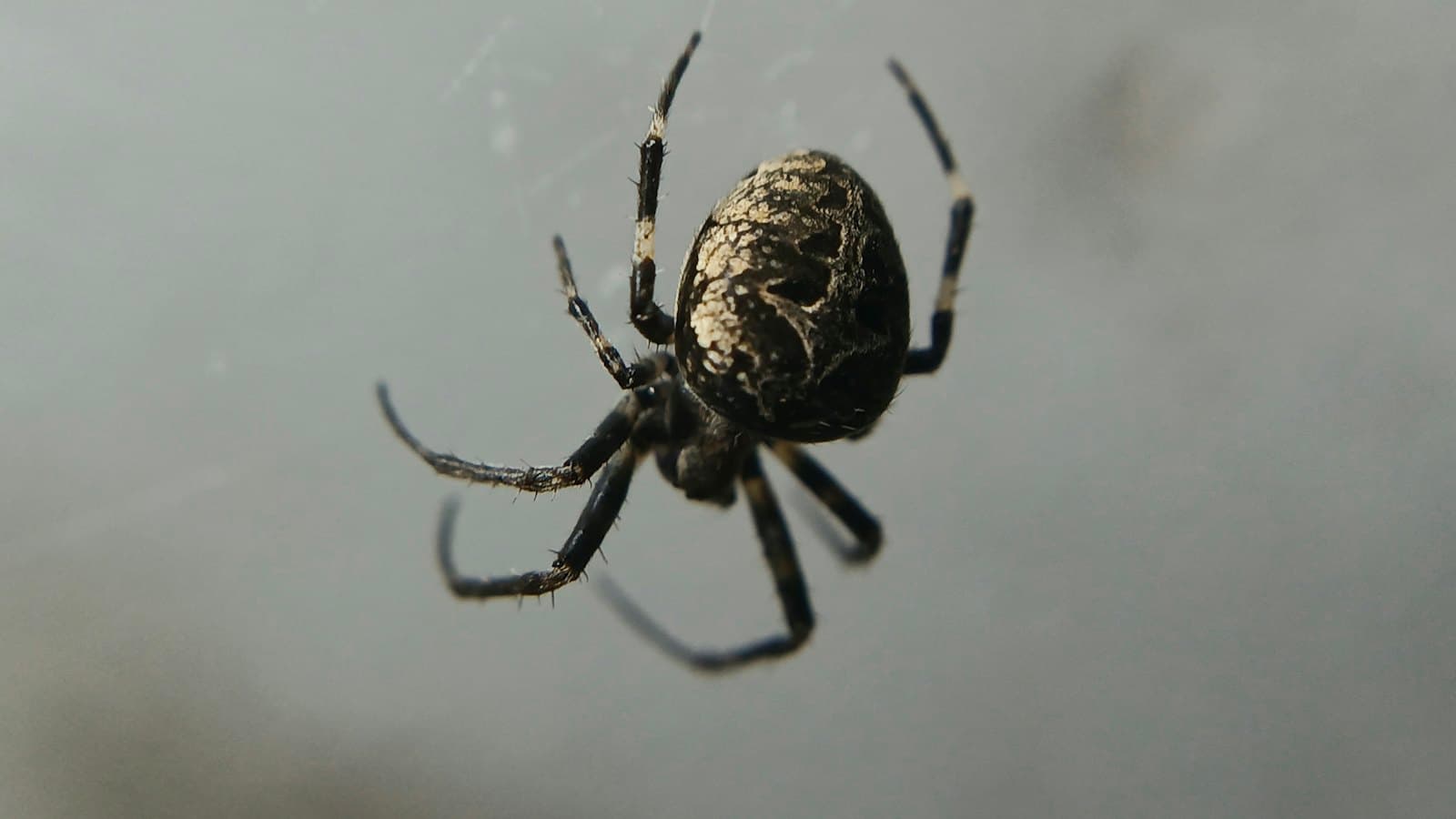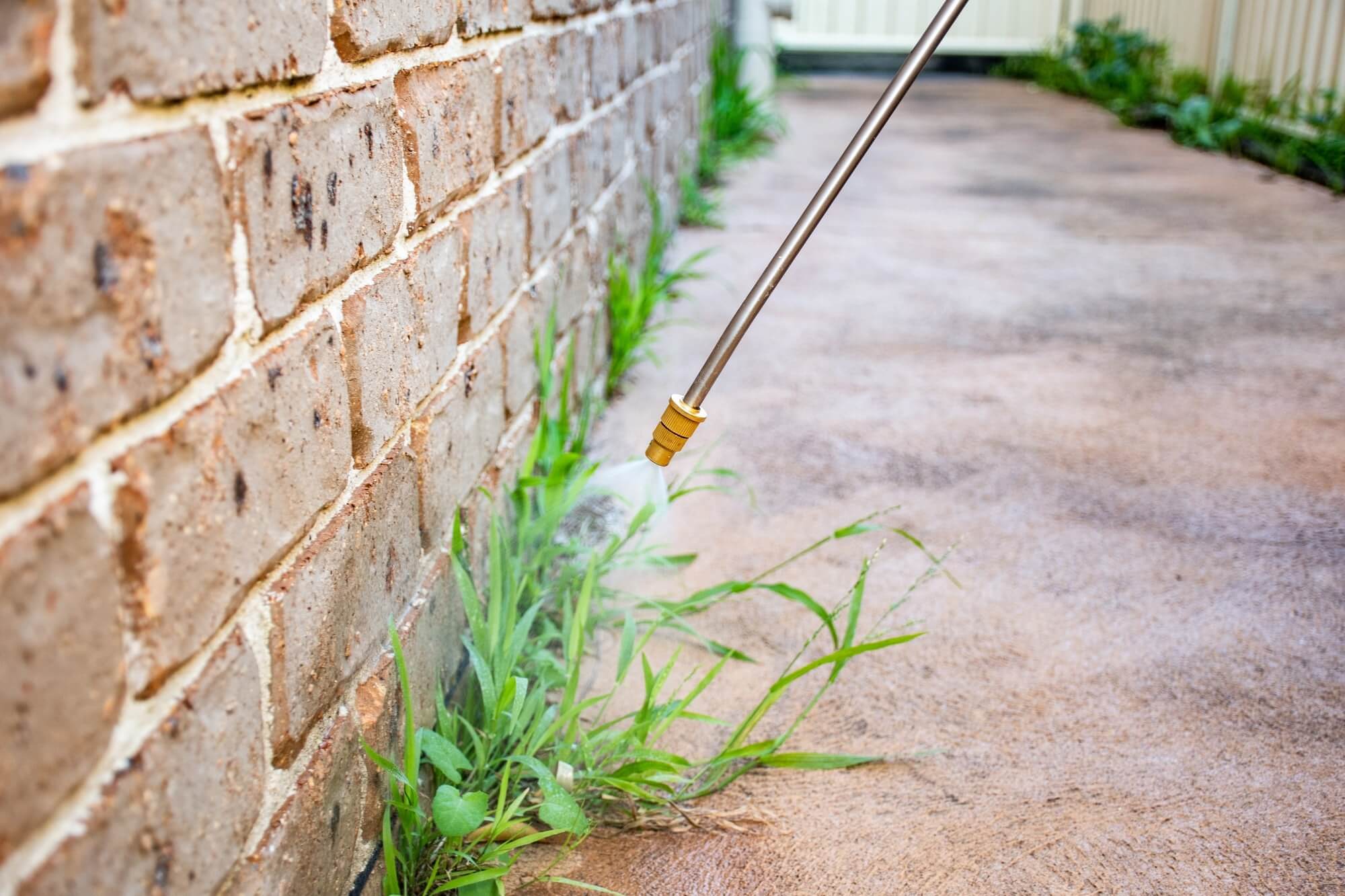
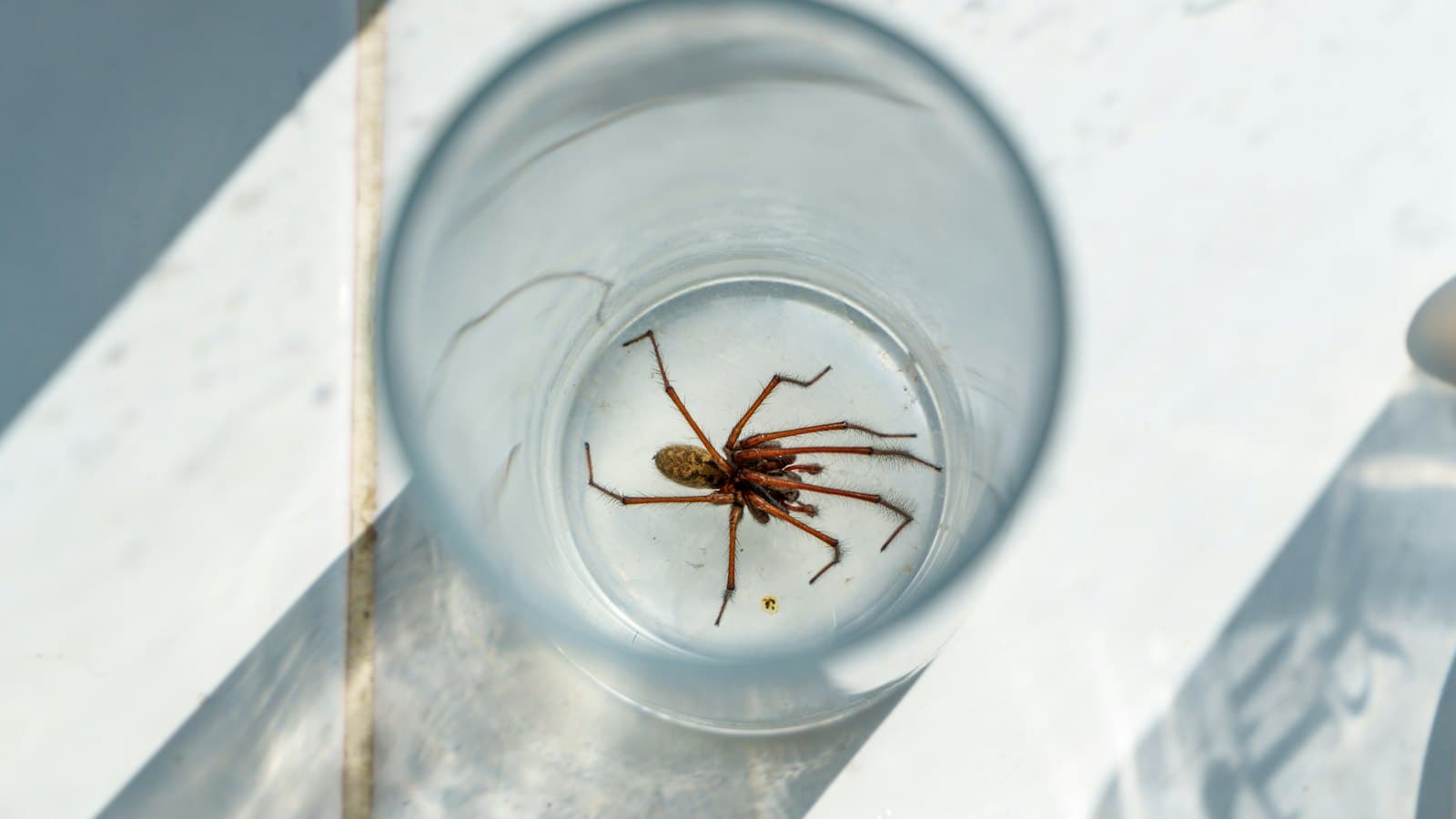
Spotting a spider indoors now and then is normal, particularly in a climate where extreme summer heat and cooler fall nights both push pests toward shelter. Repeated sightings in bathrooms, garages, kitchens, laundry rooms, or storage closets are different. They usually point to conditions that have been building around the home. Spiders settle where food, moisture, and undisturbed hiding places already exist.
Most homeowners focus on getting rid of the spider in front of them. From a professional point of view, the better question is why spiders keep showing up. Figuring out what's attracting them often uncovers other pest issues worth handling before they become harder to control.
Why Spiders Pick Certain Spots Indoors
Spiders don't scatter randomly through a house. Most species stay close to whatever lets them feed and survive. When indoor activity increases, it's often because other insects are already active nearby.
- Damp areas attract the insects spiders eat
- Cluttered storage gives them quiet, undisturbed hiding places
- Gaps around doors, vents, and utility lines provide an easy way in
- Porch and landscape lights near windows pull in flying insects at night
- Corners that never get cleaned let webs and egg sacs stay intact
In homes where ants, crickets, other insects, or rodents pick up seasonally, spider numbers often rise too, simply because food is easier to find. That's why long-term prevention usually targets the whole pest environment instead of individual spiders.
Homeowners who regularly check exterior gaps, moisture sources, and seasonal entry points tend to keep pest pressure down before spiders become noticeable. A few simple prevention habits go a long way when they're done consistently.
What Spider Patterns Can Tell You
Where and how often you see spiders can say a lot about what's happening around the property. Professional evaluations look for patterns rather than one-off sightings.
- Webs near the ceiling often point to flying insects indoors
- Spiders in the garage usually mean easy access through gaps under the door or in the stucco
- Activity around water heaters and laundry areas can point to moisture
- Several spiders near windows often follow insects drawn to lights at night
- Steady sightings in storage areas may reflect clutter and little disturbance
Not every spider means a serious problem, but consistent activity shouldn't be ignored. Egg sacs can grow a population quickly in quiet corners where webs go untouched. In southern Utah, black widows are common in garages, block walls, and outdoor storage, so it's worth being careful when reaching into those spaces.
An inspection can also show whether spiders are coming in from outside regularly or breeding indoors. That distinction matters, because treatment and prevention look different depending on the source.
Why DIY Spider Treatments Often Don't Last
Many store-bought sprays only hit the spiders you can see and leave behind whatever is attracting them. Some spiders stay hidden in insulation, stored boxes, wall voids, or attic materials where surface sprays barely reach.
Quick fixes can also miss:
- Egg sacs that hatch later indoors
- Exterior gaps that let spiders back in
- The insect populations spiders feed on
- Moisture that keeps pests alive
- Seasonal movement around the structure
That's why one round of spraying seldom fixes a recurring spider problem for long. Effective spider control means finding where spiders are nesting, what insects are feeding them, and how they're getting in.
In some homes, more eco-conscious methods can also limit unnecessary exposure while still targeting problem areas effectively.
Conditions That Make A Home Attractive To Spiders
Certain conditions make ongoing indoor spider activity much more likely. They tend to develop gradually and often go unnoticed until sightings become frequent.
Poor airflow, humid laundry or bathroom areas, stacked storage, rock and debris piled against the foundation, and untreated insect activity all create spider-friendly spaces. Cracks around windows, worn weatherstripping, gaps at the garage door, and openings around plumbing lines also give spiders reliable access.
Seasonal changes make the problem more noticeable. During the hottest stretch of summer, and again when nights cool off in fall, spiders often move indoors looking for stable shelter and easier meals. Homes with lots of insect activity naturally attract more of them, because spiders follow their food.
From a professional standpoint, good spider management focuses on reducing those conditions while monitoring activity around the structure. That broader approach delivers more dependable long-term results than reacting only after webs or spiders turn up inside.
A Better Plan For Long-Term Spider Control
Spiders inside a home are often a sign of more than a simple nuisance. They can point to hidden entry points, excess moisture, ongoing insect activity, or conditions that keep drawing pests in. For homeowners dealing with repeat sightings, a professional evaluation gives a clearer picture of where activity starts and what's supporting it. Contact Butter Pest Control to learn more about effective spider control and long-term pest prevention around St. George.
Dealing with this pest at your place?
Butter serves St. George and southern Utah with free inspections and a re-treatment guarantee. Get an honest quote, no pressure.
Aspen Chournos
Aspen Chournos writes about desert pest pressure and prevention for homes and businesses across St. George and southern Utah.