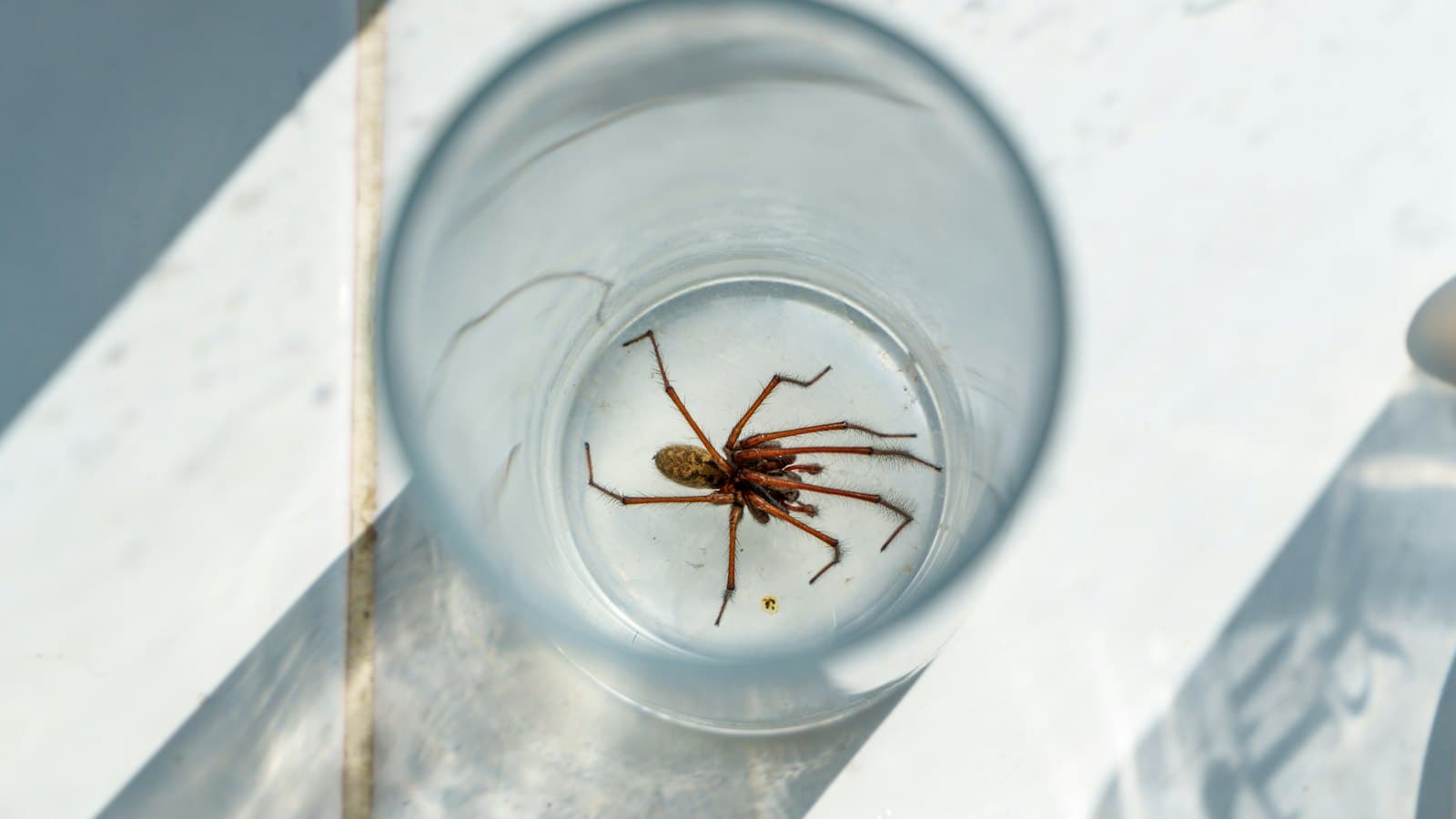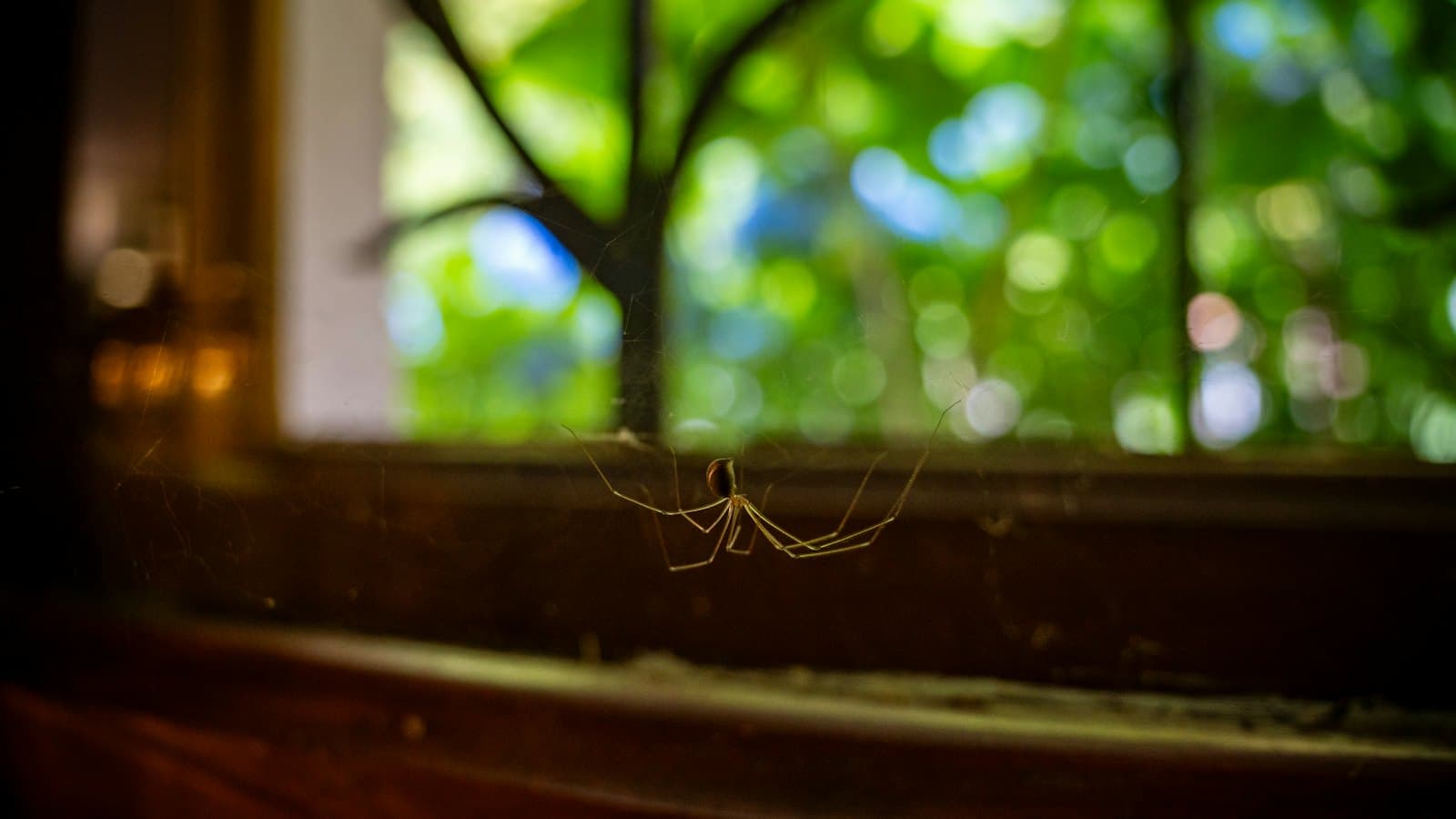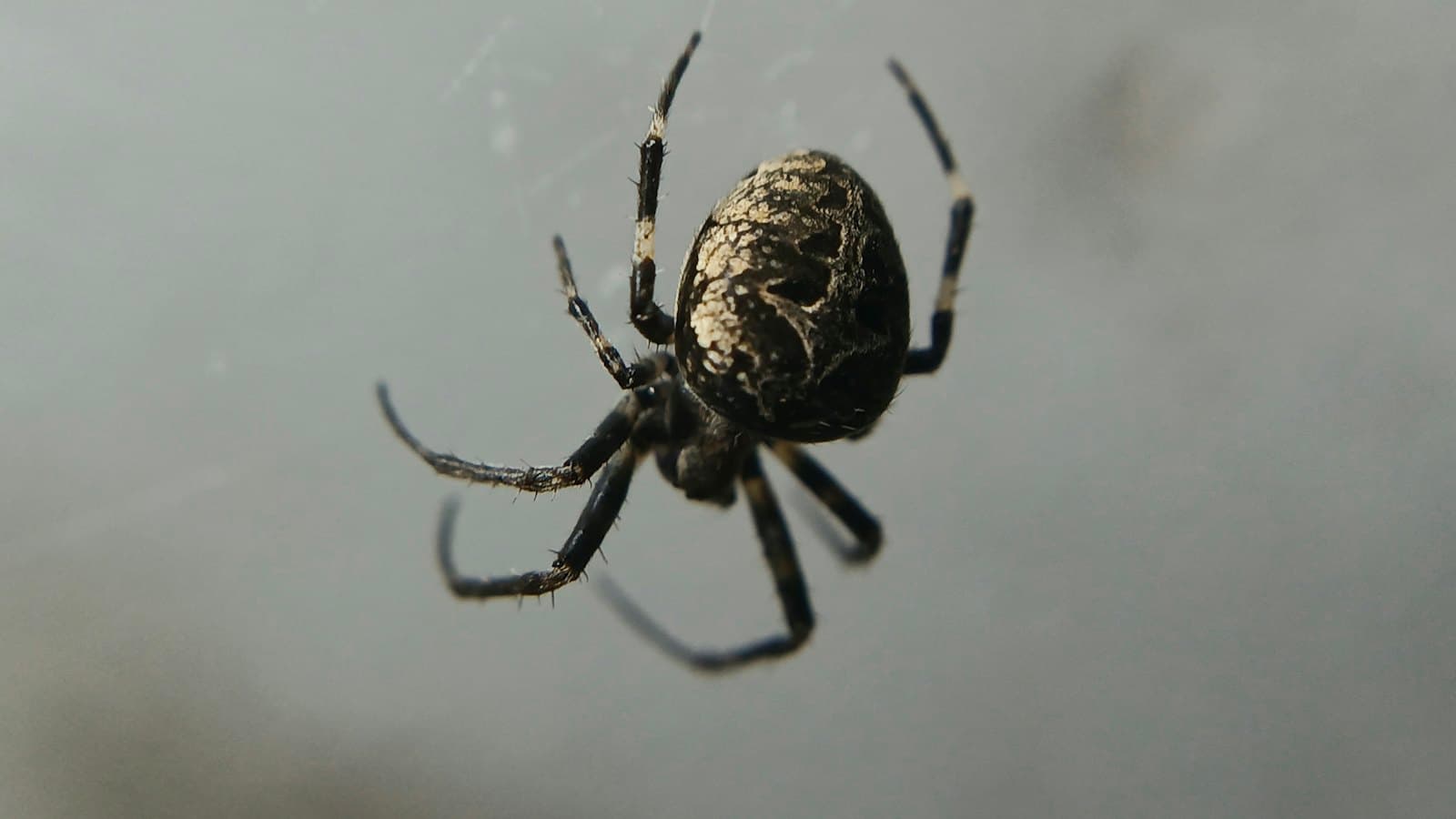
Spiders are a common complaint in St. George homes, and the desert climate gives them plenty of reasons to move in. Outdoors they help keep insects in check, but finding them in living spaces, especially black widows in the garage or wolf spiders on the floor, makes most people uncomfortable. That's led many homeowners to look for eco-conscious methods that balance results with safety.
Eco-friendly spider control aims to reduce environmental impact while still dealing with what causes the problem. From a professional point of view, these methods can work very well when they're applied strategically and backed by a broader pest control plan. Knowing how they work is the key to keeping the home comfortable and under control.
Why Spiders Are So Common In St. George Homes
The local climate drives a lot of spider activity. Intense summer heat and dry air, followed by cooler fall nights, push spiders toward shelter and food in and around houses.
Several things contribute:
- Plenty of insects. Spiders follow their food, which includes crickets, ants, and other insects drawn to irrigated yards and porch lights.
- Seasonal movement. Extreme heat in summer and the fall cool-down both nudge spiders indoors.
- Sheltered spaces. Garages, block walls, rock landscaping, and storage areas make ideal hiding spots.
- Quiet corners. Undisturbed corners and clutter let spiders build webs and go unnoticed.
Because spiders depend on a steady supply of prey, controlling the wider pest environment is essential. Good spider control always involves addressing insects and other attractants in and around the house.
What Makes Spider Control Eco-Friendly
Eco-friendly pest control relies on precision and prevention instead of heavy product use. The goal is to manage pests while limiting impact on people, pets, and the desert environment around the home.
Key features include:
- Targeted applications. Treatment goes only where it's needed, reducing unnecessary exposure.
- Lower-impact products. Materials are chosen to be effective while keeping a safer profile.
- Integrated pest management. Combining inspection, monitoring, and treatment improves results.
- Habitat changes. Adjustments to the home and yard reduce what attracts spiders and their prey.
None of this means settling for weaker results. It's about being more accurate and sustainable. Done correctly, eco-friendly spider control can deliver consistent results without excessive treatment.
Practical Eco-Friendly Steps That Work
Eco-conscious spider control combines several techniques that work together to cut down activity and prevent it from coming back.
Effective steps include:
- Sealing entry points. Closing gaps around doors, windows, garage seals, and the slab limits access.
- Reducing insects. Managing ants, crickets, and other insects removes the spiders' food.
- Keeping spaces clean. Regularly clearing webs discourages spiders from settling.
- Managing the yard. Trimming plants and clearing debris and rock piles near the house removes hiding spots.
- Rethinking lighting. Using warmer or motion-activated outdoor lights draws fewer insects to doorways.
These steps are the foundation of eco-friendly spider control. They work best when done consistently and paired with a structured pest control plan.
When weighing eco-conscious options, it's worth choosing methods that deliver on both safety and performance.
When Eco-Friendly Methods Need A Professional
Eco-friendly strategies are effective, but some situations call for a more complete approach. Large or recurring infestations often involve hidden nesting spots and multiple pest sources.
Watch for these challenges:
- Spiders that keep coming back. Repeat sightings point to conditions that haven't been fixed.
- Several pests at once. Spiders often share space with ants, crickets, scorpions, wasps, or rodents.
- Hard-to-reach areas. Attics, block walls, and wall voids can hide activity.
- Seasonal returns. Infestations come back as conditions shift through the year.
In these cases, eco-friendly spider control benefits from professional oversight. A structured plan can pinpoint problem areas, apply targeted treatment, and track results over time so both visible activity and hidden sources are handled.
Building A Long-Term Spider Plan
Lasting spider control doesn't come from one product. It takes a balanced approach that adjusts to the seasons and the conditions around the home.
A long-term plan usually includes:
- Routine inspections. Catching early signs before an infestation grows.
- Targeted treatments. Applying solutions based on how specific spiders behave.
- Habitat management. Reducing the things that attract spiders and their prey.
- Ongoing monitoring. Making sure control measures keep working over time.
This approach handles current problems and prevents future ones. By focusing on spiders and the pests they rely on, homeowners can keep a more stable, comfortable living space.
A Smarter Way To Keep Your Home Comfortable
Eco-friendly spider control offers a balanced solution that puts both effectiveness and safety first. Paired with a broader pest control strategy, it can significantly reduce spider activity while supporting long-term prevention. For a reliable, structured approach, it's worth working with professionals who know how to apply these methods well. Reach out to Butter Pest Control to explore eco-conscious options that keep your St. George home protected.
Dealing with this pest at your place?
Butter serves St. George and southern Utah with free inspections and a re-treatment guarantee. Get an honest quote, no pressure.
Aspen Chournos
Aspen Chournos writes about desert pest pressure and prevention for homes and businesses across St. George and southern Utah.