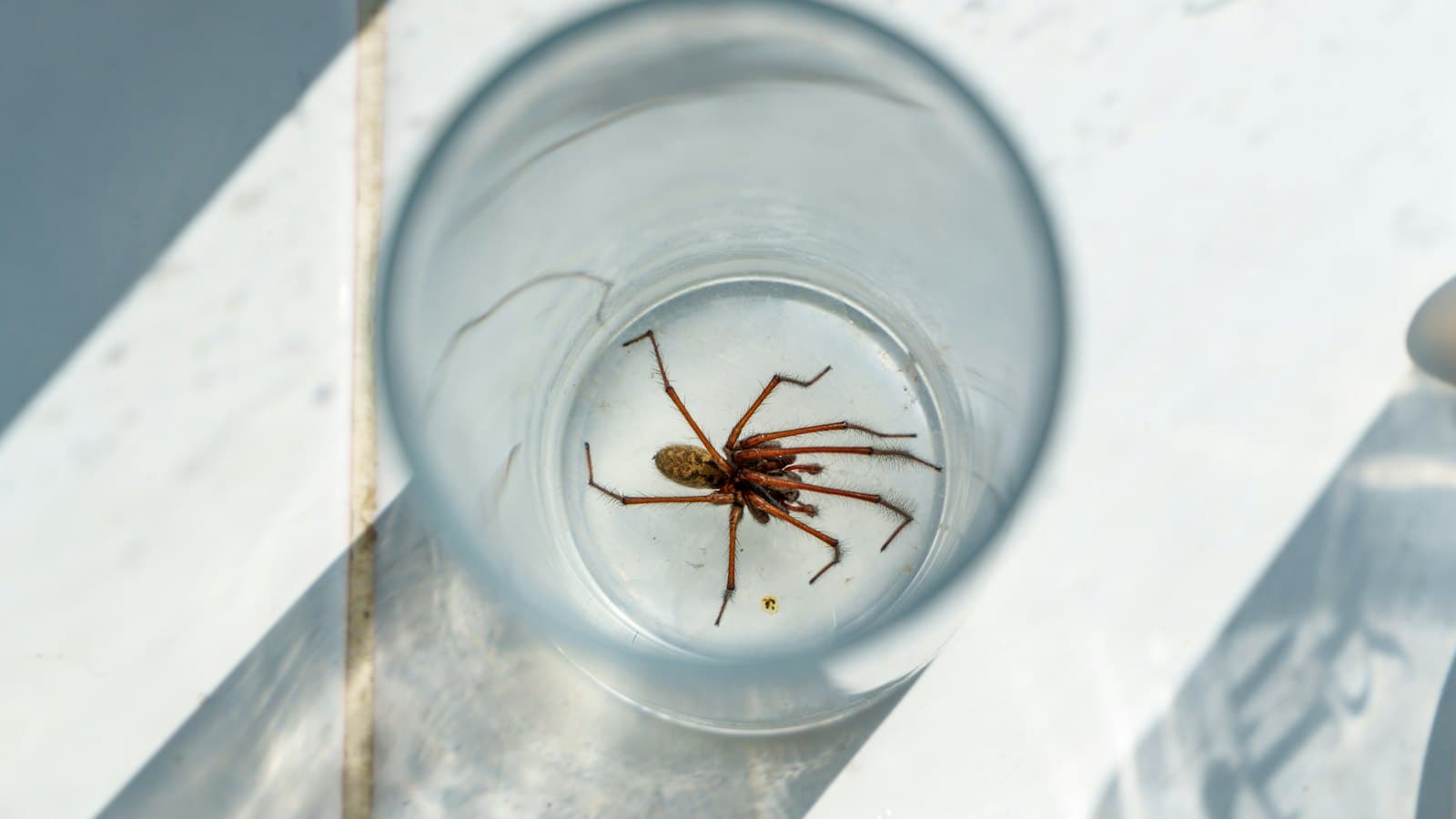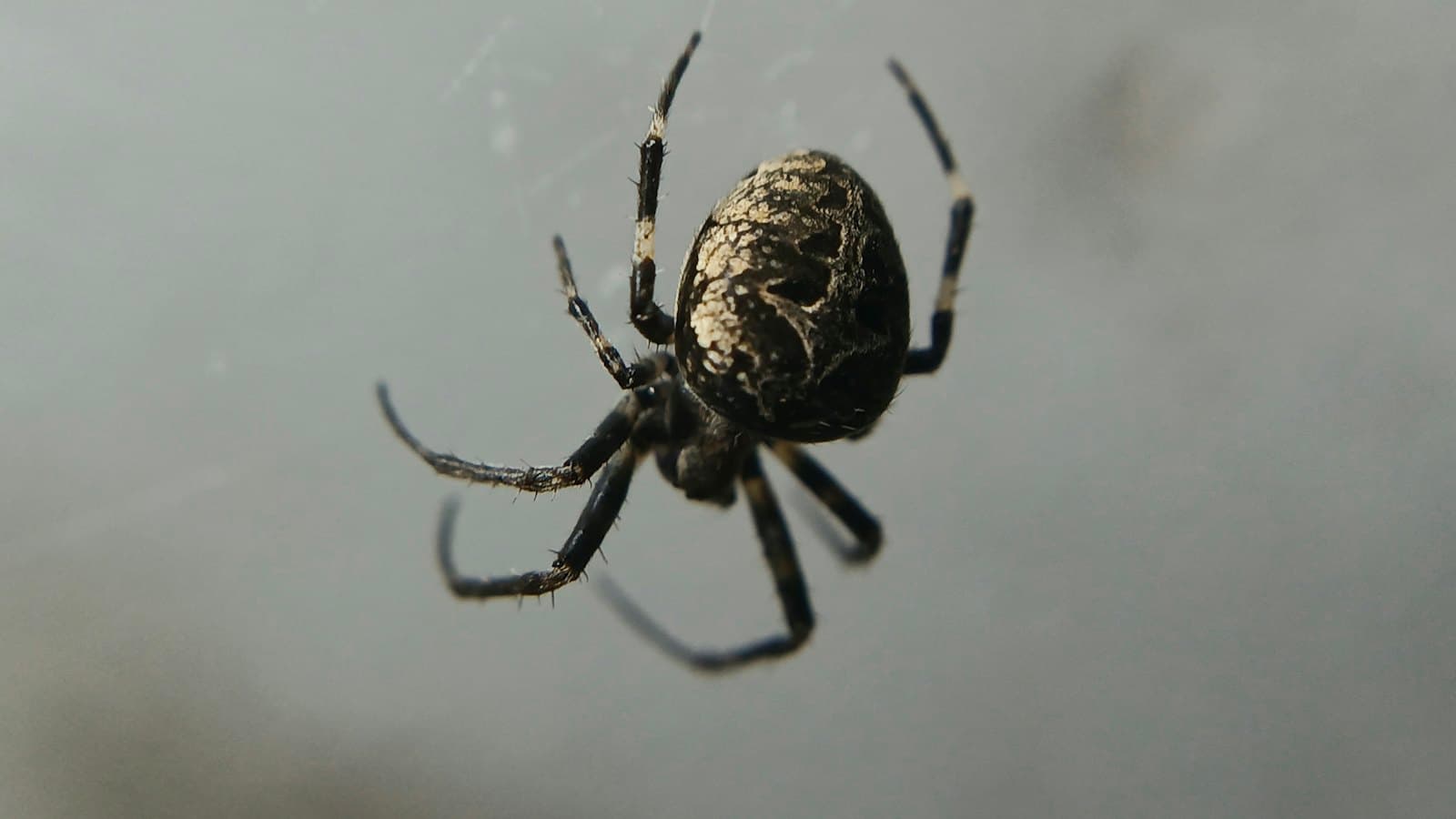
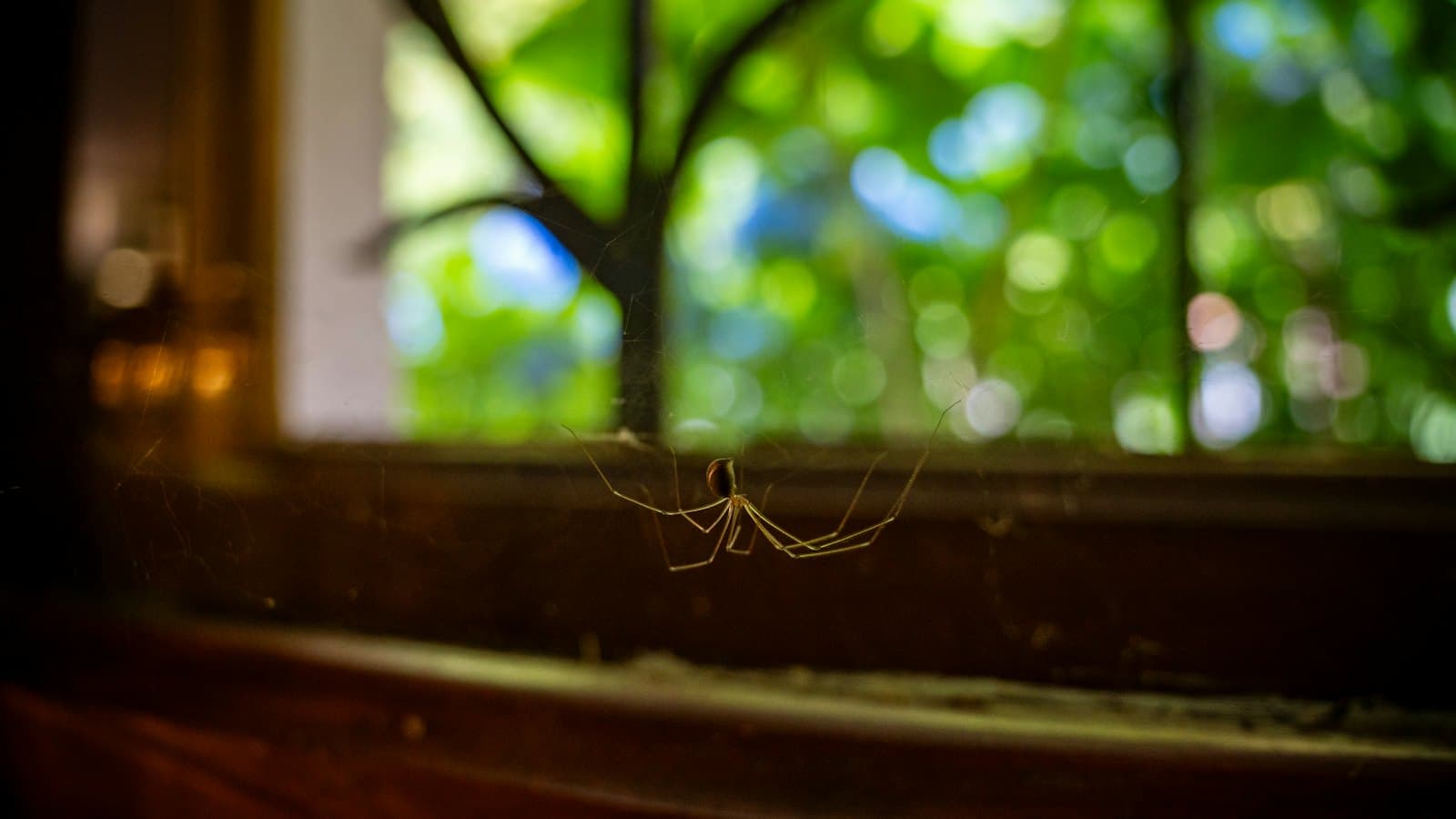
As the short southern Utah winter gives way to warm spring days, a lot of pests pick up their pace. Spiders are among the most noticeable, both around the outside of the house and inside it. They're present all year in St. George, but spring often brings a visible jump that surprises homeowners.
That increase isn't random. Spider behavior is closely linked to changes in the environment, the amount of prey available, and conditions around the structure. Understanding why spiders get busier this time of year explains how infestations develop and why spider control becomes more important as the season changes.
How The Season Changes Spider Activity
Spring gives spiders a favorable environment by bringing warmth, moisture from irrigation, and a surge in insect activity. Together those support their movement and reproduction.
- Warmer temperatures send spiders out of the sheltered spots where they spent the cooler months
- Freshly watered yards and planters support both spiders and the insects they eat
- Longer days boost insect activity, which indirectly raises spider numbers
- The seasonal shift opens up new routes for spiders to explore indoors and out
These changes set off a chain reaction. As insect populations grow, spiders follow, and they start showing up in places where there wasn't much activity before.
Why Spiders Follow Other Pests Inside
Spiders usually aren't drawn to a home for its own sake. They're attracted by the other pests that make up their food supply.
- Ants, crickets, flies, and beetles provide steady meals
- Areas with lots of insects become natural gathering spots for spiders
- Indoor spaces offer stable conditions where prey is easy to find
- Porch and landscape lights attract insects, which pull spiders toward doors and windows
That relationship means spider activity usually reflects a bigger pest picture. Managing spiders well depends on understanding that connection instead of focusing on spiders alone.
Moisture plays a big part too. Small structural gaps and damp spots attract insects, which in turn support spiders.
Where Spiders Become Active
Spiders settle where they can find shelter, prey, and very little disturbance. These spots often go unnoticed until activity becomes obvious.
- Ceiling corners, garages, and laundry rooms where webs go undisturbed
- Around windows and doors where insects come in or gather
- Storage areas such as closets, attics, and sheds with little traffic
- Outdoor spaces including eaves, patio covers, block walls, and rock landscaping
Because these areas aren't part of most daily routines, spider activity tends to build gradually. By the time webs and sightings increase, the space has already become a good home for them.
Knowing where spiders are most active helps reveal the patterns behind ongoing issues.
Why Spring Conditions Support Fast Population Growth
Spring isn't just a time of more movement. It's also when spider populations grow. Reproduction and development speed up as conditions improve.
- Warmer temperatures help eggs and young spiders develop faster
- More food lets spiders grow and reproduce more efficiently
- Milder conditions than the heat of summer improve survival
- Expanding outdoor activity gives them new places to build webs and nest
These factors lead to a noticeable rise in spider activity over a short period. A few sightings can quickly turn into a constant presence if conditions stay favorable.
Spring landscaping projects and yard work can also change how spiders use a property. Managing those conditions often involves broader pest considerations.
Why Professional Spider Control Matters In Spring
Spider activity is often a symptom of underlying conditions, not a stand-alone problem. Effective spider control addresses both the spiders and what's attracting them.
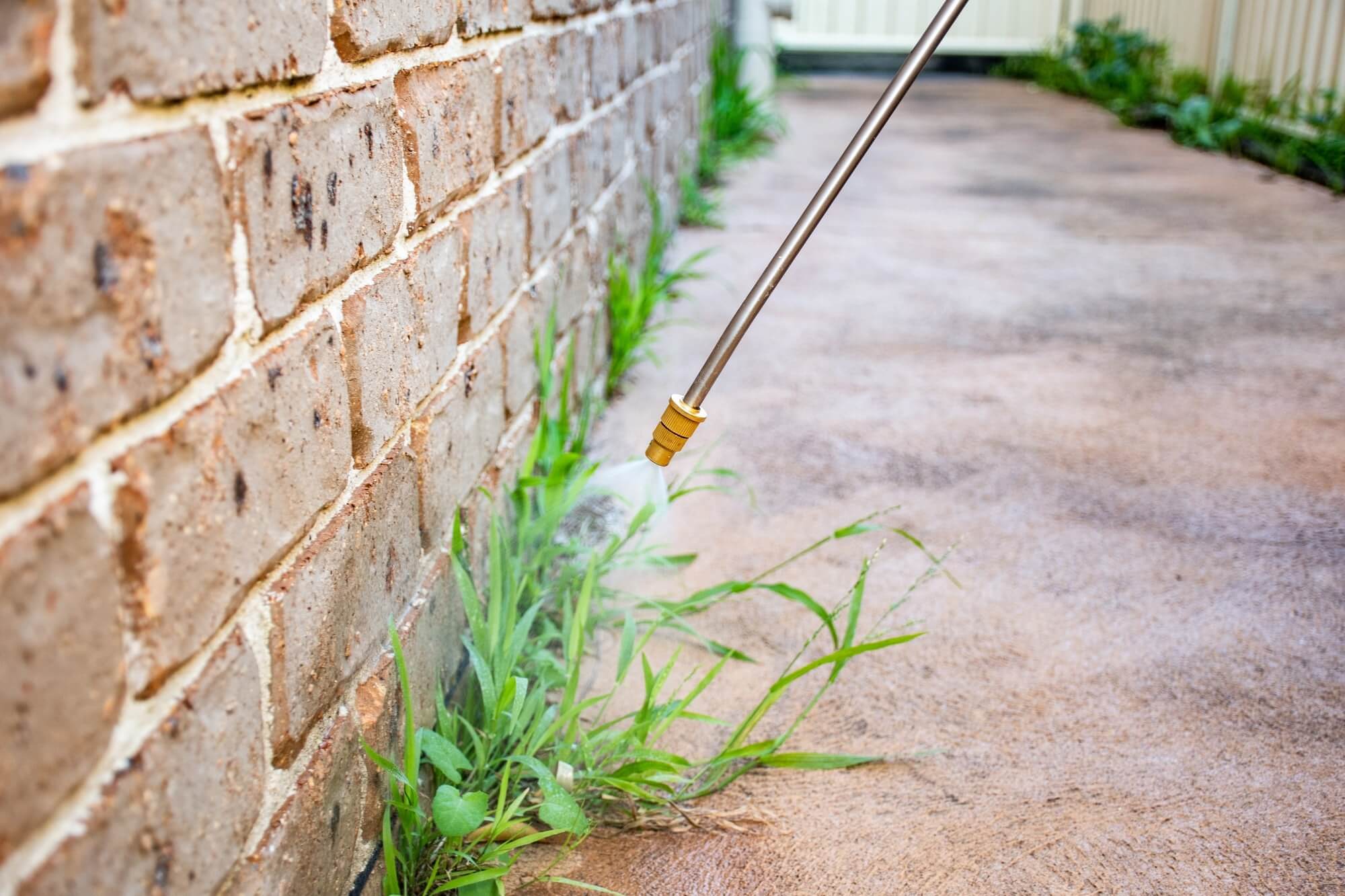
Professionals look at the whole environment. That means finding where insects are active, locating entry points, and checking moisture conditions that support pests. Handling those pieces together makes it possible to reduce spider activity more effectively. It also matters in southern Utah because some of the spiders here, like black widows, are worth handling with care.
Professional methods also focus on long-term prevention. Rather than reacting to webs and sightings, the goal is to make the home less inviting to spiders and their prey.
Because spiders adapt quickly to changes around them, a structured approach keeps control consistent and effective over time.
Feel Comfortable In Your Home Again
A rise in spider activity in spring often reflects bigger changes in the environment. When spiders start appearing more often, a focused approach can restore balance. Contact Butter Pest Control for spider control in St. George designed to reduce activity and support long-term protection.
Dealing with this pest at your place?
Butter serves St. George and southern Utah with free inspections and a re-treatment guarantee. Get an honest quote, no pressure.
Aspen Chournos
Aspen Chournos writes about desert pest pressure and prevention for homes and businesses across St. George and southern Utah.