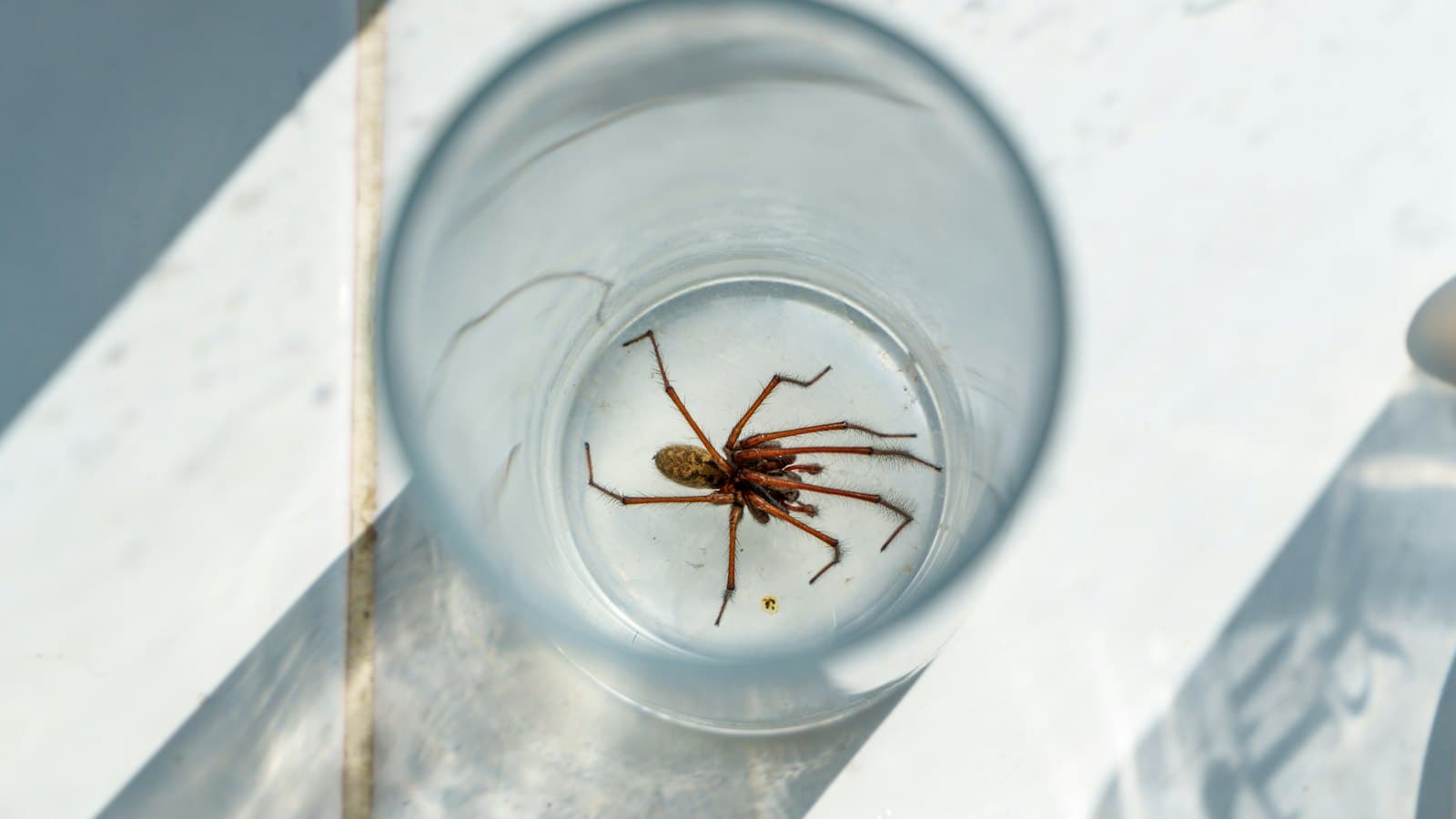
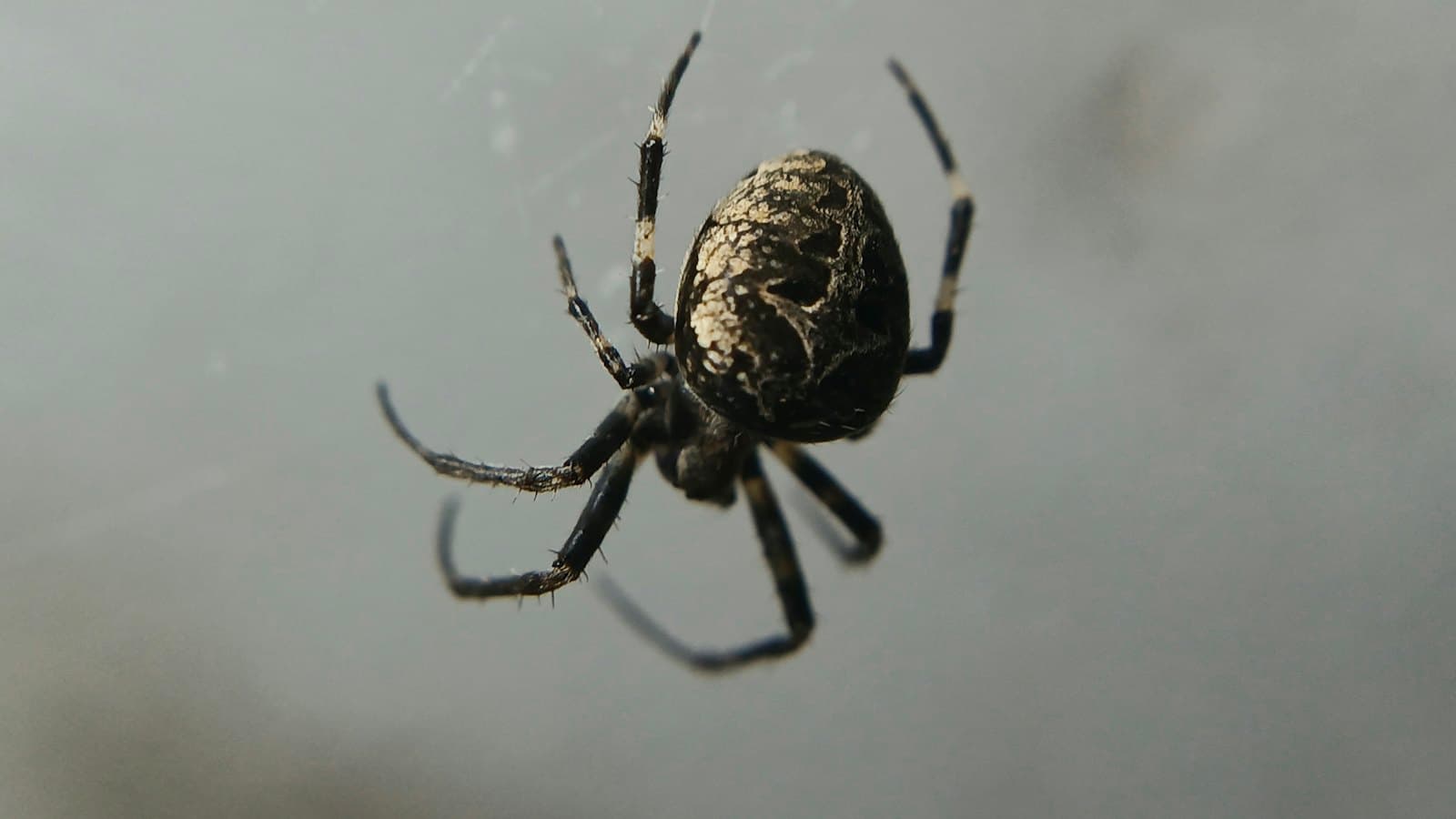
A house in the Mojave Desert is an oasis for more than the people living in it. Shade, cool air, a little moisture, and a reliable supply of small insects are hard to come by outside when the thermometer is pushing 105 degrees, and spiders figure that out quickly. In St. George and the surrounding towns, spiders don't really get a long off-season, so a problem that starts in a garage or block wall can keep building month after month. Most people treat a spider as a one-off annoyance, but steady indoor activity can carry real risks for comfort, health, and the overall pest picture in your home. Here's what tends to hide behind those sightings.
Why Desert Heat Pushes Spiders Indoors
In colder places, spiders come inside to escape the cold. In southern Utah the bigger push is heat and dryness. By midsummer, rock landscaping, stucco walls, and gravel yards bake all day and hold that heat well into the night. Spiders, and the insects they eat, go looking for anywhere that stays cooler and a little more humid, and a conditioned home checks both boxes. Garages, laundry rooms, closets under stairs, and the gaps behind block walls become the go-to retreats.
A few local conditions make that move more likely:
- Insects clustering around irrigation, drip lines, and porch lights, which pulls spiders right up against the house
- Cool, conditioned air leaking out around garage doors, weep screeds, and utility penetrations
- Damp pockets around water heaters, washers, and sink cabinets
- Stored boxes, holiday decorations, and patio cushions that sit untouched for months
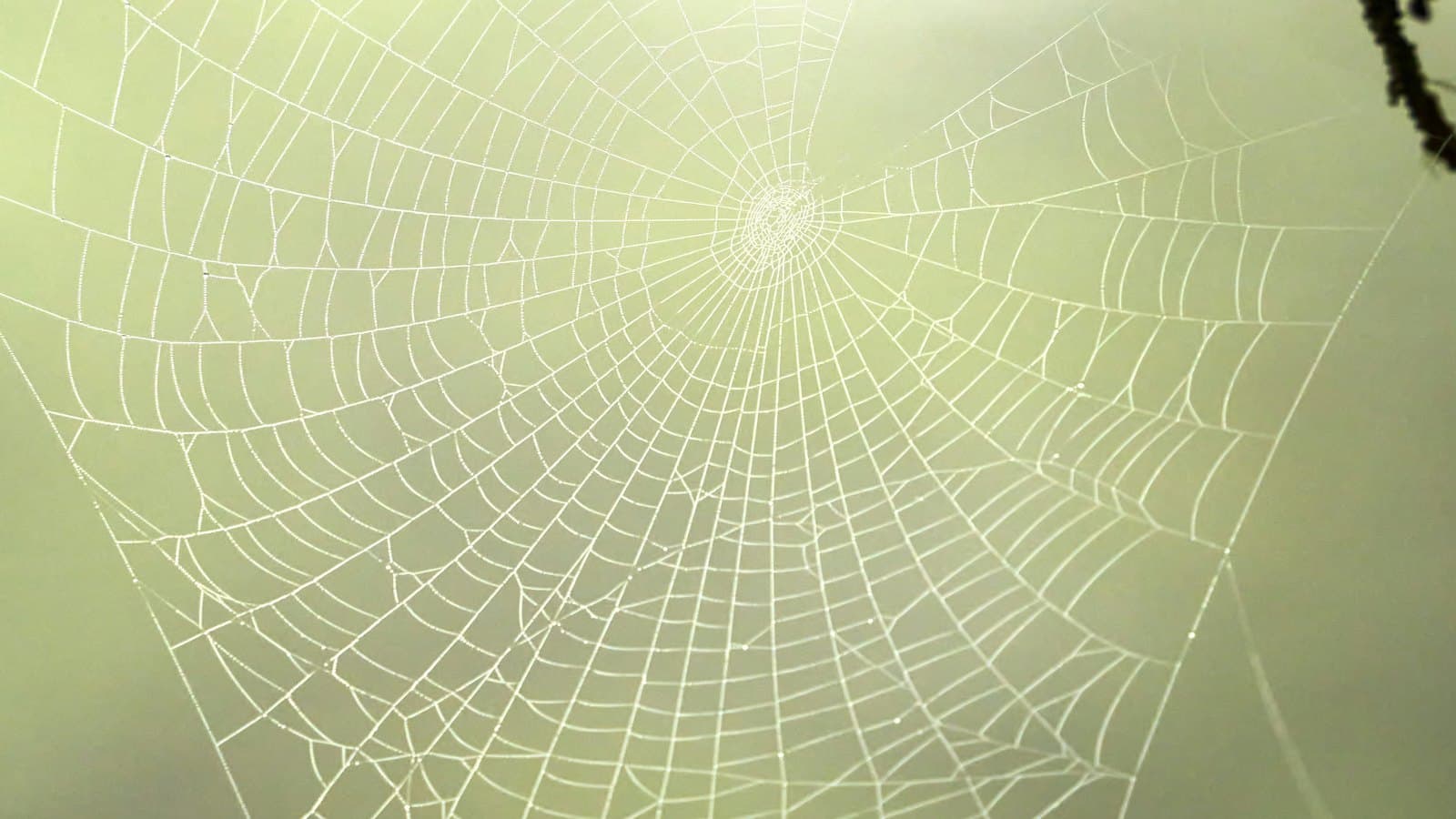
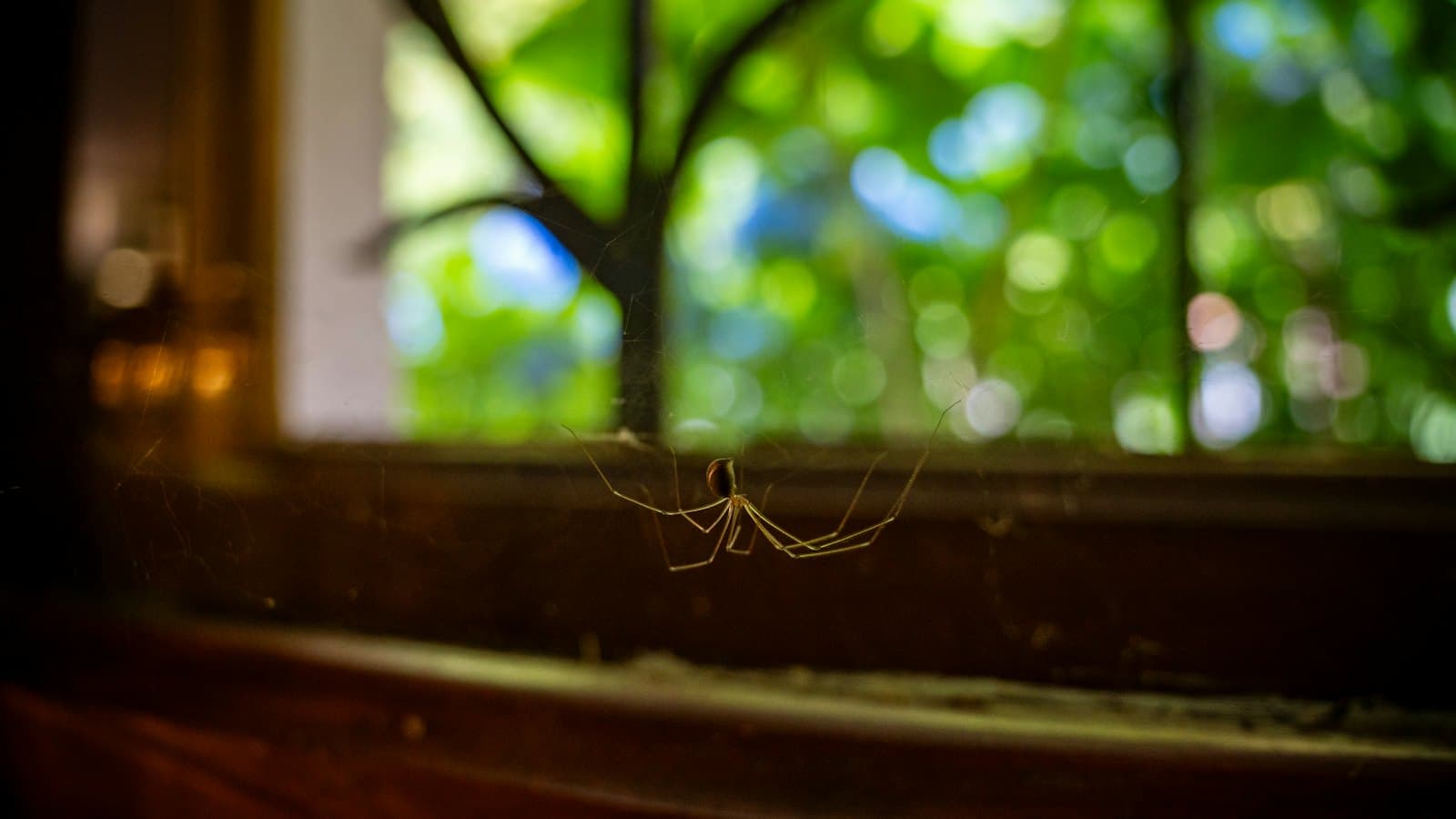
When cooler fall evenings arrive, a second wave follows as spiders look for shelter before winter. Since our winters are mild, many of them never fully go dormant. Webs you notice in a corner or window frame are usually the visible edge of something larger tucked into the quieter parts of the house, and if that early evidence gets brushed off, the population tends to settle in and resurface every year.
Health and Environmental Risks Inside the Home
Most spiders want nothing to do with people, but that doesn't make indoor activity risk-free here. Washington County has a lot of black widows, and they love the same spots homeowners reach into without looking: meter boxes, irrigation valve boxes, the underside of patio furniture, and stacked items in the garage. Bites usually happen when a spider gets pinned against skin, in a glove, a shoe left on the patio, a towel, or a box pulled off a shelf. Even a minor bite can leave a painful, irritated reaction, and a widow bite deserves medical attention.
There's another warning built into spider sightings. Spiders live where food is. If they keep turning up indoors, something is feeding them, often crickets, silverfish, small roaches, or other insects living out of view in wall voids, attics, or the space behind the block wall. The house can seem quiet while that food chain runs steadily in the background.
Hidden Infestations and Structural Indicators
Spiders favor the parts of a home nobody looks at, which is why infestations in desert homes can build for a long time before anyone notices. Garages are the usual entry point, but the real strongholds are often in places like the gap between the slab and the bottom of the stucco, the hollow cores of block walls, attic eaves under tile roofs, and the chases where plumbing and electrical lines come through.
Common spider harborage in southern Utah homes includes:
- Hollow block walls and the joints where they meet the house
- Weep screeds, stucco cracks, and gaps at the base of exterior walls
- Attic eaves and the voids beneath concrete or clay roof tiles
- Garages, storage rooms, pool equipment areas, and utility closets
Spiders won't chew wiring or damage framing, but where they gather says something about the building. Heat cycling expands and contracts stucco and masonry every day, and over a few summers that opens hairline cracks and separates seals. Those openings let in spiders, scorpions, and roaches alike. That's why repeat spider activity is worth reading as a sign of how the structure is holding up rather than shrugging off as a fluke.
Why Professional Assessment Matters in the Desert
Spider problems in desert homes rarely go away by dealing with whatever crawled across the hallway. That spider is a symptom; the cause is somewhere else. Lasting control comes from finding where spiders are sheltering, how they're getting in, and what's keeping them fed, and that takes a methodical inspection by someone who understands how heat, irrigation, and local construction shape pest behavior.
Getting it wrong also tends to drag things out. Treatments that only touch the visible areas leave the harborage intact, and the population bounces back within weeks. Homeowners end up in a loop of sightings that never quite stops, with the house seeming fine for a stretch and then the spiders reappearing.
Long-Term Protection for Desert Homes
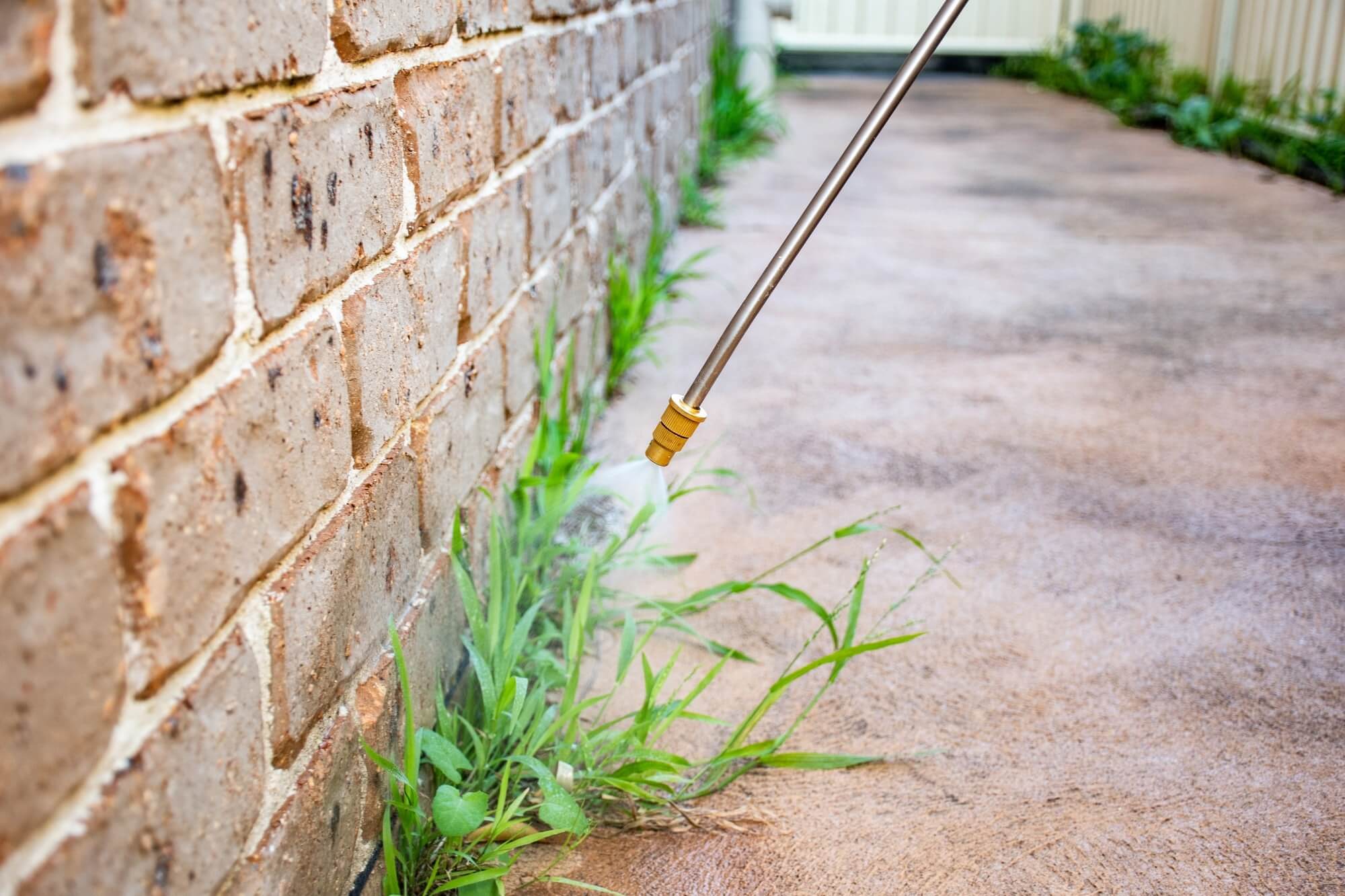
Keeping spiders down long-term is about managing conditions, not reacting to each spider you see. Homes in St. George do best with a plan that accounts for our long warm season, the ways stucco, tile, and block construction create hiding places, and the insects that irrigation keeps around. Left alone, those factors let spider activity carry on through most of the year.
What professional oversight brings to the table:
- Correct identification of black widows, wolf spiders, and the other species common in southern Utah
- An eye for patterns tied to summer heat, irrigation, and monsoon moisture
- Prevention steps that make the house less hospitable over time
- Regular service that adjusts as pest activity rises and falls through the year
Once spider activity is treated as a pattern with causes, the surprises drop off and the house simply feels more comfortable. Because spiders follow insects, a structured plan also tends to expose and reduce the hidden prey populations that were feeding them. The result is fewer webs, fewer close calls with widows, and more confidence that the home is covered through the hottest months and the mild winter that follows.
Taking the Next Step
If spiders keep coming back season after season, are showing up in new rooms, or you're finding black widows close to where your family spends time, it's worth getting a professional opinion. Contact Butter Pest Control to schedule a free inspection and talk through long-term spider protection for your desert home.
Dealing with this pest at your place?
Butter serves St. George and southern Utah with free inspections and a re-treatment guarantee. Get an honest quote, no pressure.
Aspen Chournos
Aspen Chournos writes about desert pest pressure and prevention for homes and businesses across St. George and southern Utah.