When the monsoon storms roll through Washington, the crickets and millipedes come up out of the ground all at once, and the block walls are full of roaches by morning.
Free inspections & quotesSame-day service availableSatisfaction guaranteed
Licensed & Insured
Family & Pet Friendly
Same-Day Service
Re-Treatment Guarantee
Trusted Locally
Licensed & Insured · UT #24592
Washington specifics
Insect Control in Washington, honestly
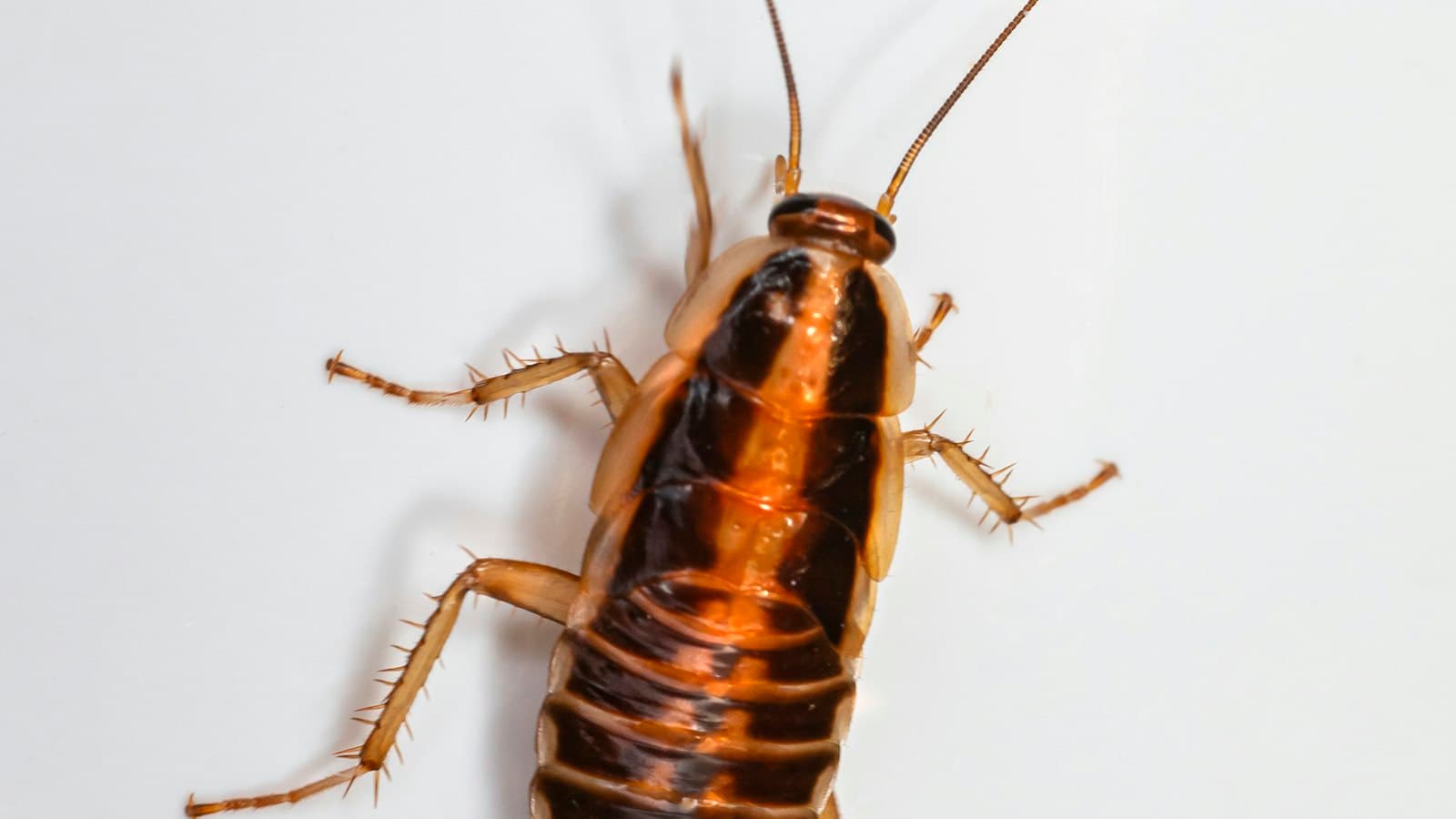
The insect that surprises newcomers most in Washington is the Turkestan cockroach. It's an outdoor roach that lives in block walls, irrigation and meter boxes, under rock landscaping, and in sewer and utility lines, and on warm nights it comes out in large numbers onto patios and driveways. Some find their way inside through gaps under doors and around pipes. They're common across the newer neighborhoods, where nearly every yard is bordered by block wall.
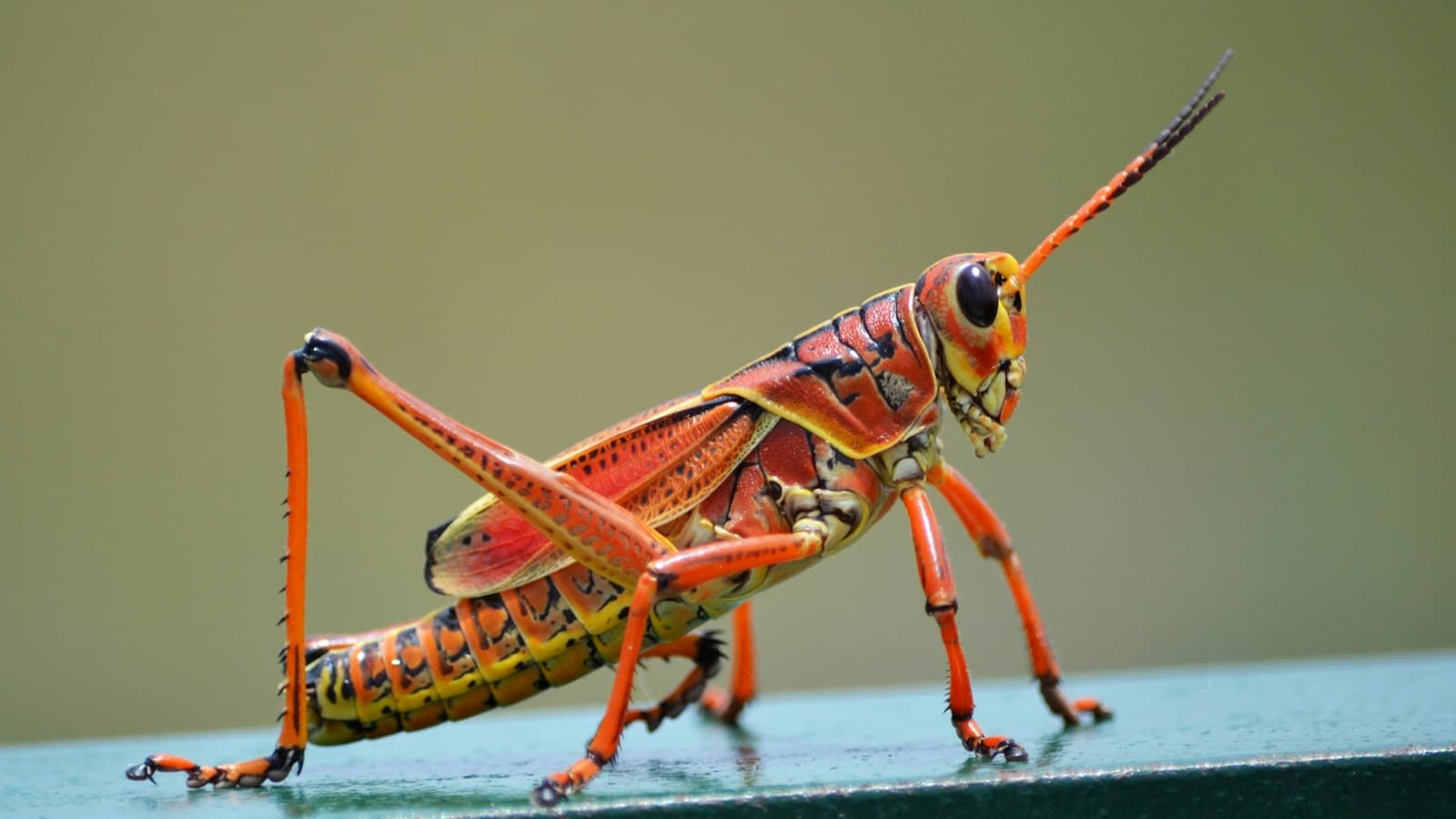
Water shapes the rest. In Washington Fields and along the irrigated yards of Green Springs, earwigs, crickets, and silverfish thrive in the damp ground and move toward houses as the summer heat dries everything else out. Summer monsoon storms from July into September flush crickets and millipedes out of the soil, and they can show up by the hundreds along foundations and in garages after a big rain.
The cool season brings its own visitors. Clover mites, tiny red specks, crawl up sunny stucco walls and in around windows in late winter and spring, often on newer homes with lawns or ground cover against the wall. A perimeter treatment that's already in place, along with door sweeps, sealed gaps, and smarter exterior lighting, handles most of this better than treating after the fact.
Washington isn't one pest problem, and it isn't one treatment either. These are the parts of the city where this service does the most work, and why.
Coral Canyon & Sienna Hills
84780
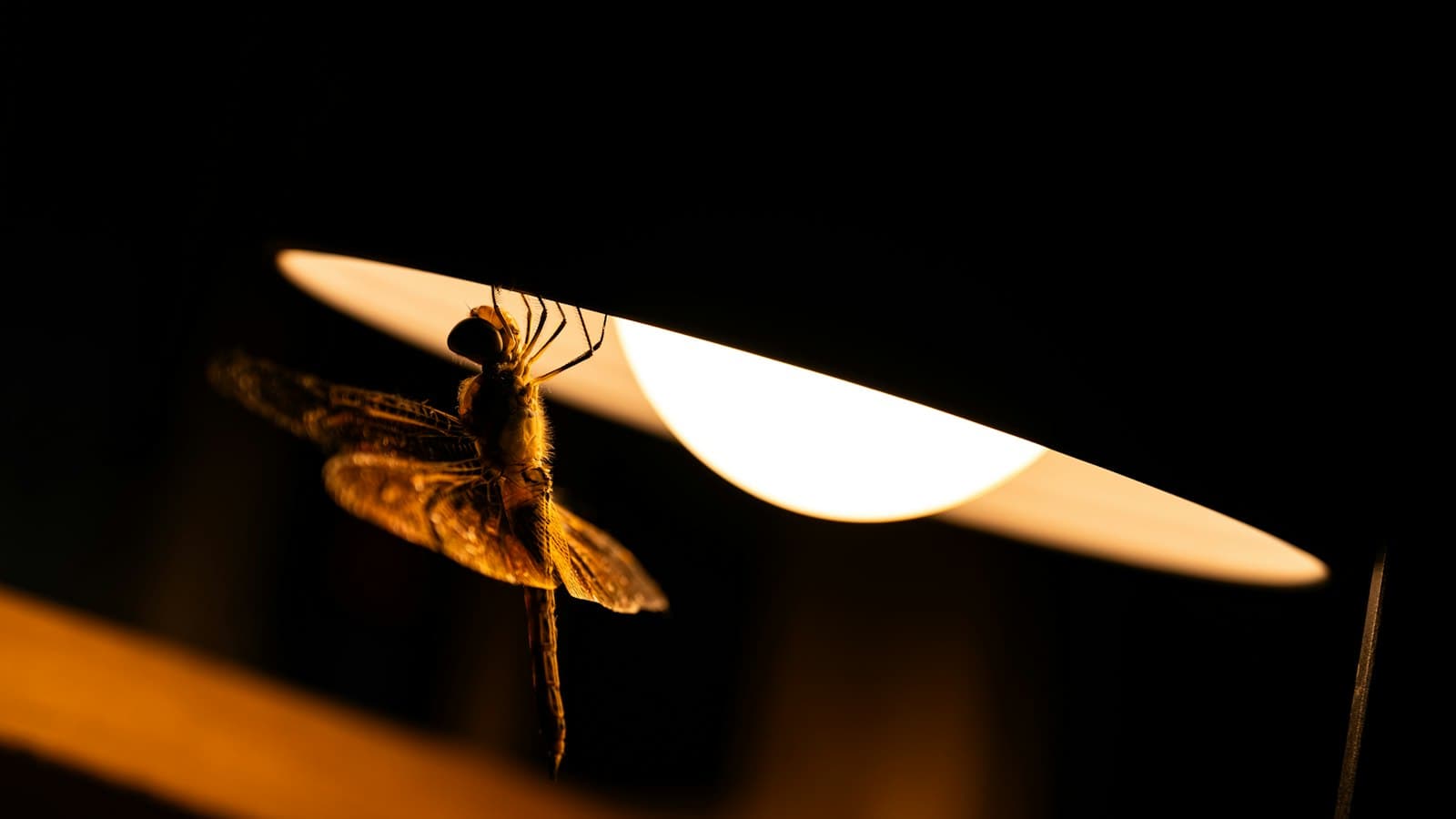
Block walls, rock landscaping, and meter and irrigation boxes give Turkestan cockroaches and crickets plenty of cover. Bright exterior lights pull insects to the doors at night. Treating walls and boxes and changing lighting makes the biggest difference.
Washington Fields
84780
Irrigated fields, ditches, and damp yards keep earwigs, crickets, and silverfish active well into fall. They stage in moist beds and under rocks next to the house before moving inside.
Green Springs
84780
Heavy turf irrigation and lush landscaping near homes. Earwigs and crickets build up in watered beds, and clover mites show up on sunny walls next to lawns in late winter and spring.
Old town around Telegraph Street
84780
Older homes and businesses with older plumbing and shared walls. German cockroaches are mostly an indoor problem tied to kitchens and plumbing, and they show up most in older multi-unit buildings and near restaurants.
Desert pest pressure is seasonal and it's predictable. Knowing which window you're in is most of knowing what to book.
Clover mite seasonFebruary – April
Clover mites climb sunny walls and get in around windows as the weather warms. Treating the base of the wall and leaving a strip of bare rock or gravel between lawn and stucco helps keep them off.
Heat & monsoonJune – September
Triple-digit heat drives earwigs and silverfish indoors for moisture, Turkestan roaches are out in force on warm nights, and monsoon rains from July on bring surges of crickets and millipedes. This is the busiest stretch of the year.
Fall slowdownOctober – November
Crickets and other insects look for shelter in garages and around foundations as nights cool. A perimeter treatment in early fall gets ahead of it.
If the pests come back, so do we.
Free re-treats between scheduled visits, no questions, no extra invoice. That’s the Butter Promise.
A lot of popular pest advice oversimplifies how insects actually behave in the desert. Here are the myths St. George homeowners should stop relying on.
Cockroaches don't wander in by accident. Kitchens and bathrooms offer water, food, warmth, and hidden pathways all in one room. Here's what attracts them and how to stop it.
In southern Utah the seasons look different: a long hot summer, a monsoon flush, and a mild winter. Here's how each one changes the insect pressure around your home.
Extreme heat, monsoon storms, and scarce water make desert pests highly opportunistic. Here's why seasonal pest control is the right strategy for southern Utah.
What are the roaches coming out of our block wall at night?
Most likely Turkestan cockroaches. They're an outdoor species common across southern Utah that lives in block walls, meter and irrigation boxes, rock landscaping, and sewer lines. They come out on warm nights and occasionally wander indoors. Treating the walls and boxes, sealing gaps under doors, and reducing outdoor lighting near entries brings them down a lot. They're a different problem from German cockroaches, which live indoors in kitchens.
Why are there millipedes and crickets everywhere after it rains?
Monsoon storms soak the ground and push them out of the soil. In Washington that usually happens from July through September, and homes near irrigated ground or open desert can see a lot of them at once. They don't bite or damage the house, and many dry out and die quickly indoors. A perimeter treatment before monsoon season and good door seals keep most of them out.
What are the tiny red bugs on our walls and windowsills?
Probably clover mites. They're very small, red, and show up on sunny walls and around windows in late winter and spring, often where lawn or ground cover grows right up to the stucco. They don't bite, but they leave red streaks if crushed. Treating the base of the wall and keeping a gravel strip between plants and the house helps a lot.
We live near Washington Fields and keep finding earwigs inside. Why?
Earwigs love damp soil, mulch, and the cover under rocks and pavers, and irrigated ground near the Fields gives them plenty of it. When the heat dries out the surface, they look for moisture inside, often in bathrooms, kitchens, and laundry rooms. Fixing leaks, pulling mulch back from the foundation, and treating the perimeter usually solves it.
How much does insect control cost in Washington?
General insect control is the core of our recurring plans rather than a separate charge, and that's usually the most cost-effective way to handle it, since the point is having protection in place before the monsoon surges and seasonal waves. Most Washington homes sit on one of our monthly plans: Pest Control at $65/mo (quarterly service), Pest + Weed at $125/mo (bi-monthly service), or White Glove at $599/mo (by appointment only). Larger properties or heavy infestations can run higher, and we'll quote that up front after a free inspection.
What does an insect control visit in Washington cover?
Every visit covers: perimeter, foundation, and block wall treatment; targeted treatment of cracks and hiding spots; sealing of entry points around doors and weep gaps; timing built around heat, monsoon, and cool-season surges. What changes by address is the weighting. Coral Canyon & Sienna Hills and Washington Fields are two different jobs, so the technician decides on site where the time is best spent rather than running the same checklist everywhere.
Free Estimate
Ready to see why everything is better with butter?
Tell us what’s bugging you and we’ll get back to you fast with a free quote, usually the same day.