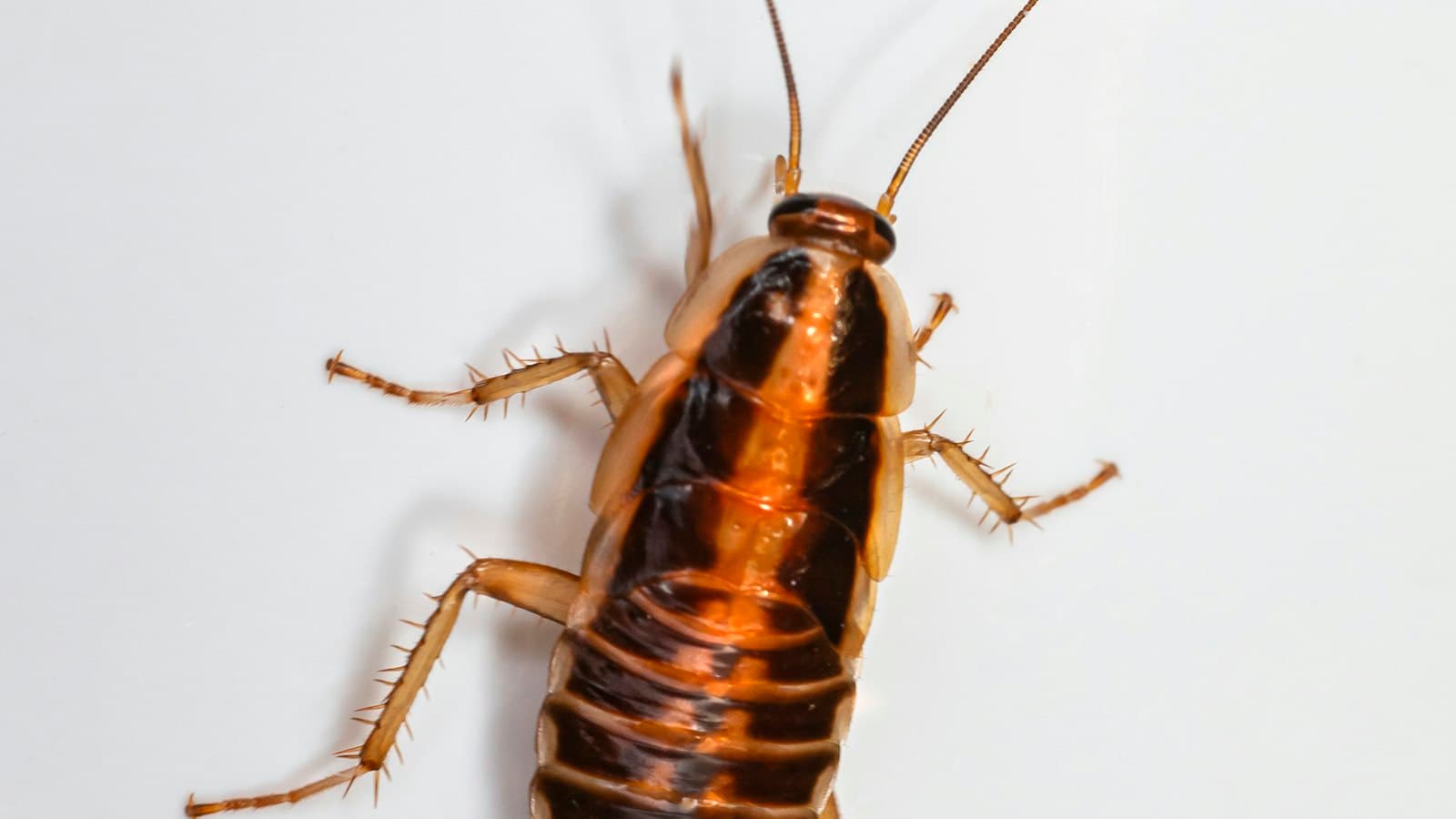
Cockroaches don't show up by chance. When they turn up in a kitchen or bathroom, they're usually responding to a dependable supply of water, food, warmth, shelter, and hidden travel routes. Those rooms tend to offer all of that within a few feet, which is why roaches can keep going even when every counter looks spotless.
In southern Utah, the heat plays a big role. When summer temperatures push past 100 degrees, outdoor roaches like Turkestan and American cockroaches go looking for cooler, damper places, and sewer lines, block walls, and plumbing gaps lead them toward the house. Indoors, German cockroaches arrive in grocery bags, boxes, used appliances, and shared walls. Getting control begins with understanding what attracts them and then fixing the conditions that let them return.
Water Is The Biggest Draw
Roaches need water even more than they need a big food supply. That's why bathrooms, kitchens, laundry rooms, and utility closets are the usual trouble spots. A small leak, a damp cabinet floor, a sweating pipe, or a wet mop can keep them going far longer than you'd think.
- Drippy faucets, loose supply lines, and slow drains provide a steady water source.
- Condensation on pipes, toilets, and under-sink plumbing keeps hidden spaces damp.
- Damp towels, bath mats, and rags hold moisture overnight.
- Bathrooms without good ventilation stay humid long after a shower.
What happens outside counts too. If water collects near the foundation from drip lines or a monsoon downpour, roaches gather near entry points before moving in. An inspection shows whether the problem starts indoors, outdoors, or somewhere in between.
Crumbs And Residue Give Roaches A Reason To Stay
Kitchens attract roaches because very little food goes a long way. Crumbs under the fridge, grease near the stove, residue under trash bags, pet food, and open pantry packages can all sustain a population. Bathrooms add organic material from drains, hair, soap scum, and debris in forgotten corners.
Roaches are excellent scavengers, and they don't need a dirty kitchen to thrive. A clean home can still have hidden food behind appliances, under cabinet toe-kicks, in floor gaps, and around the trash. Wiping surfaces makes a room look better without ending the infestation.
Outdoor watering affects indoor activity as well. When irrigation keeps the soil damp along exterior walls, pests become more active right next to the house and then slip in through small gaps. It's worth thinking about the link between summer irrigation and pest movement when kitchen or bathroom sightings increase in warm weather.
Plumbing And Utility Gaps Make Hidden Highways
Roaches can squeeze through tiny openings to get in and move around. Kitchens and bathrooms usually have more utility penetrations than any other room: water lines, drains, vents, cabinets, and wall voids. Those features create sheltered routes that keep roaches out of sight during the day.
- Openings around under-sink pipes connect wall voids to cabinets.
- Worn door sweeps and window seals let outdoor roaches in.
- Gaps at vents, baseboards, and utility lines link one room to another.
- Shared walls and plumbing chases help roaches spread through condos, townhomes, and apartments.
Because roaches are active at night, any visible roach usually means more are hidden. Professional control centers on inspection, careful placement, and prevention rather than spraying the few roaches you happen to see.
Clutter And Warmth Protect A Growing Population
Roaches like tight, dark, protected spots. Kitchens and bathrooms are full of them: cabinets, drawers, storage bins, cleaning supplies, the backs of appliances, vanity bases, and wall gaps. The more cluttered those spaces are, the easier it is for a population to hide.
Warmth adds to the appeal. Appliance motors, water heaters, dishwashers, and refrigerator compressors create cozy harborage. In bathrooms, vanity cabinets and plumbing voids often stay warmer and more humid than the rooms around them.
Moisture-related openings can feed the problem before roaches ever reach the kitchen. Understanding how moisture gaps attract pests shows why sealing, drainage, and exterior upkeep often matter as much as cleaning inside.
A single treatment can easily miss these hidden conditions. The better approach is to find where roaches rest, how they travel, and what's keeping them alive.
Repeat Sightings Mean The Source Needs Work
One roach can seem like no big deal, but repeat sightings deserve attention. Roaches reproduce quickly when food, water, and shelter stay available, and they can contaminate surfaces as they move through drains, trash, wall voids, and food prep areas.
- Seeing roaches at night usually points to active movement near food or water.
- Droppings, cast skins, or a musty smell can signal hidden harborage.
- Roaches out during the day may mean crowding or a disturbed hiding spot.
- Activity near sinks, tubs, and appliances often points to a moisture problem.
Lasting results take more than wiping counters or setting out random products. The most effective plan looks at sanitation, moisture, entry points, room layout, and how the particular roach species behaves. That targeted approach matters because kitchens and bathrooms pack food, water, warmth, and shelter into a very small space.
Dealing with this pest at your place?
Butter serves St. George and southern Utah with free inspections and a re-treatment guarantee. Get an honest quote, no pressure.
Aspen Chournos
Aspen Chournos writes about desert pest pressure and prevention for homes and businesses across St. George and southern Utah.