
Old-town Hurricane
84737Older homes with orchards, gardens, sheds, and irrigation ditches. Fallen fruit and stored feed or seed keep mice fed through the year, and older foundations give them more ways in than a modern build does.
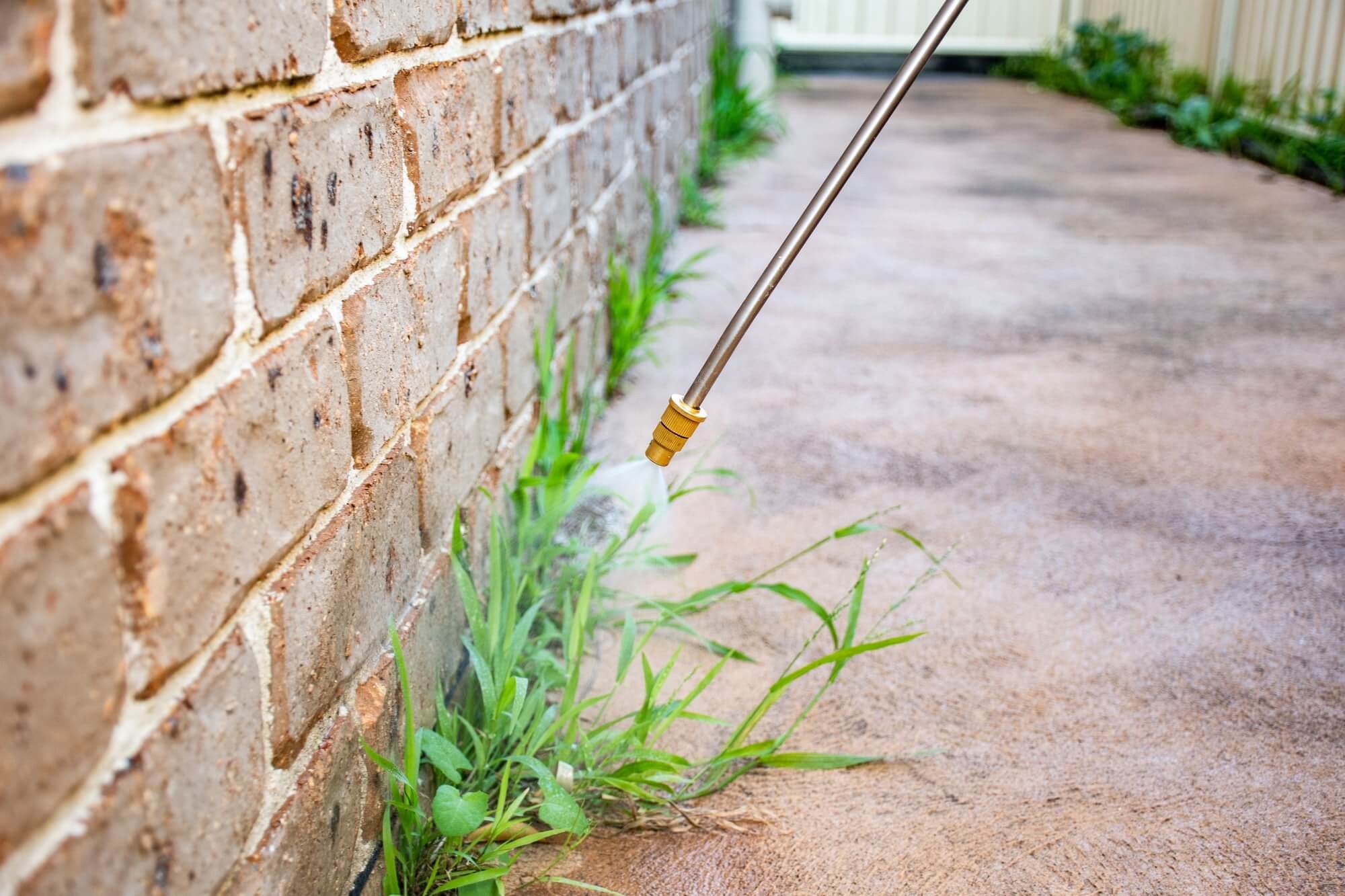
Out here the rodent that does the most damage is the one living under the hood of the side-by-side you park for the season.
Rodent Control at a glance
Hurricane, UT
Hurricane ZIP codes served
Hurricane has more open and agricultural ground woven through it than almost anywhere else we work. Orchards on old-town lots, Hurricane Fields to the south, and open desert at the edge of every newer neighborhood mean there's a steady supply of mice right next door. When the nights cool in fall, that supply heads for the nearest warm building, and in Hurricane that's often a garage, a shed, or a crawl space.
The other big one is the pack rat. Desert woodrats build large stick-and-debris nests in rock piles, brush, and anything left sitting still, and they love engine bays. With so many trucks, trailers, RVs, and UTVs parked for weeks between trips to Sand Hollow or the dunes, chewed wiring is one of the most common rodent calls in town, and it can be an expensive one.
Trapping is always the last step, not the first. A mouse fits through a gap about the width of a pencil, so a building that hasn't been sealed just fills back up. We find how they're getting in, close it, and then deal with what's already inside. Deer mice can carry hantavirus, so cleaning up droppings in a closed shed or cabin is a job to do carefully, and we'll tell you how.
Pests this covers
Every rodent control visit includes all of this. Where the time goes depends on your address.
Hurricane isn't one pest problem, and it isn't one treatment either. These are the parts of the city where this service does the most work, and why.
Older homes with orchards, gardens, sheds, and irrigation ditches. Fallen fruit and stored feed or seed keep mice fed through the year, and older foundations give them more ways in than a modern build does.
Agricultural ground south of town where field mice and pack rats live in numbers. Barns, equipment, and parked vehicles are the first place they move when the weather turns, so outbuildings need as much attention as the house.
Rentals and second homes that sit empty, plus garages full of toys parked between trips. Quiet buildings and still vehicles are exactly what pack rats and mice look for, and they often go unnoticed until something has been chewed.
Newer homes against broken basalt and native desert. Pack rats nest in the rock and brush along the edge, and garage door seals and gaps around utility lines are the usual way they get from there into the structure.
Covering every Hurricane ZIP from 84737 to 84737. Don’t see your street? See the full Hurricane breakdown or call (435) 900-8529.
Desert pest pressure is seasonal and it's predictable. Knowing which window you're in is most of knowing what to book.
The fall move indoorsOctober – November
As nights cool and the fields are harvested or go dormant, mice and rats look for shelter. Hurricane's slightly cooler nights can start this a little earlier than down in the St. George valley.
Settled in for winterDecember – February
Winters are mild, but warm buildings are still worth staying in. Scratching in walls or attics and droppings in the garage or pantry are winter calls, and parked vehicles get nested in over the off-season.
Sealing seasonLate winter – spring
A good time to seal, before the heat and before the next fall push. On farm lots and rentals this is the single most useful thing you can do to keep the following year quiet.
If the pests come back, so do we.
Free re-treats between scheduled visits, no questions, no extra invoice. That’s the Butter Promise.
Written for southern Utah specifically, not generic advice pulled from somewhere with a different climate.
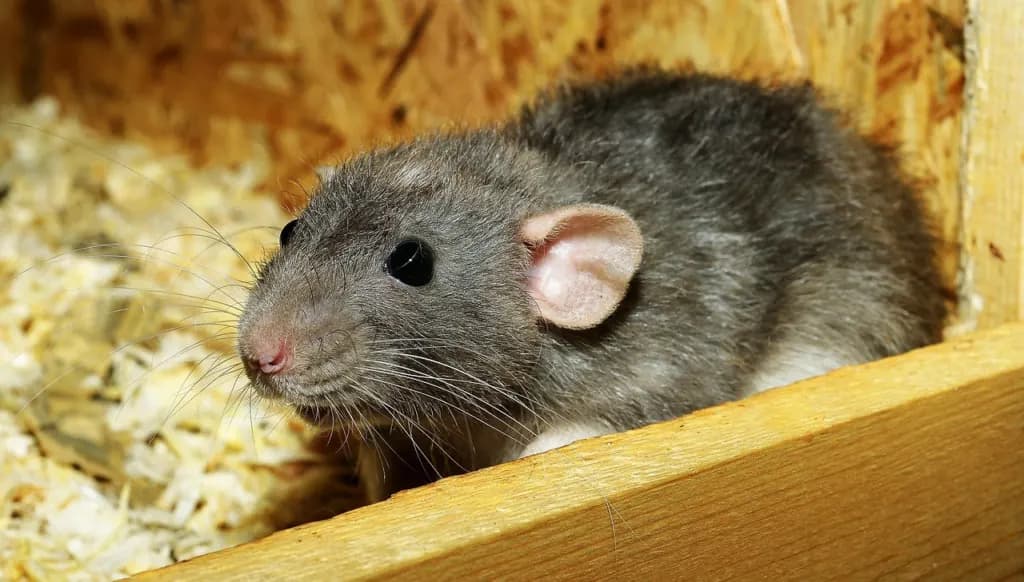 Rodents
As fall cools the desert and outdoor food thins out, rodents look to your attic, garage, and walls. Here's why they move indoors around St. George and how to stop them.
Read article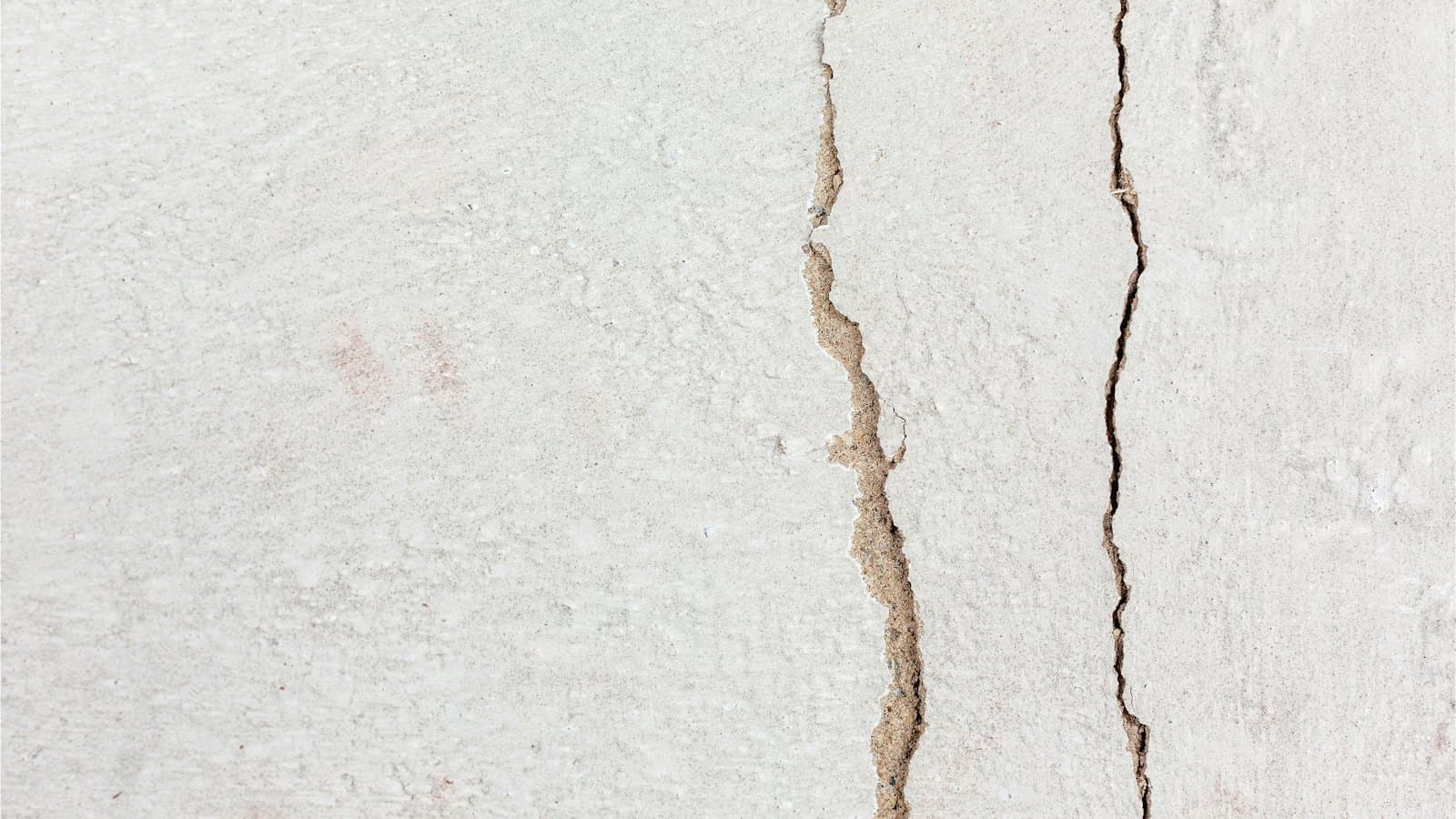 Rodents
 get in through openings most homeowners pass every day without noticing. Here is where to look and what actually keeps them out.
Read articleRodentsRodents gnawing on wires is a recognized fire hazard, and the chewing happens in attics, walls, and engine bays where nobody is looking.
Read article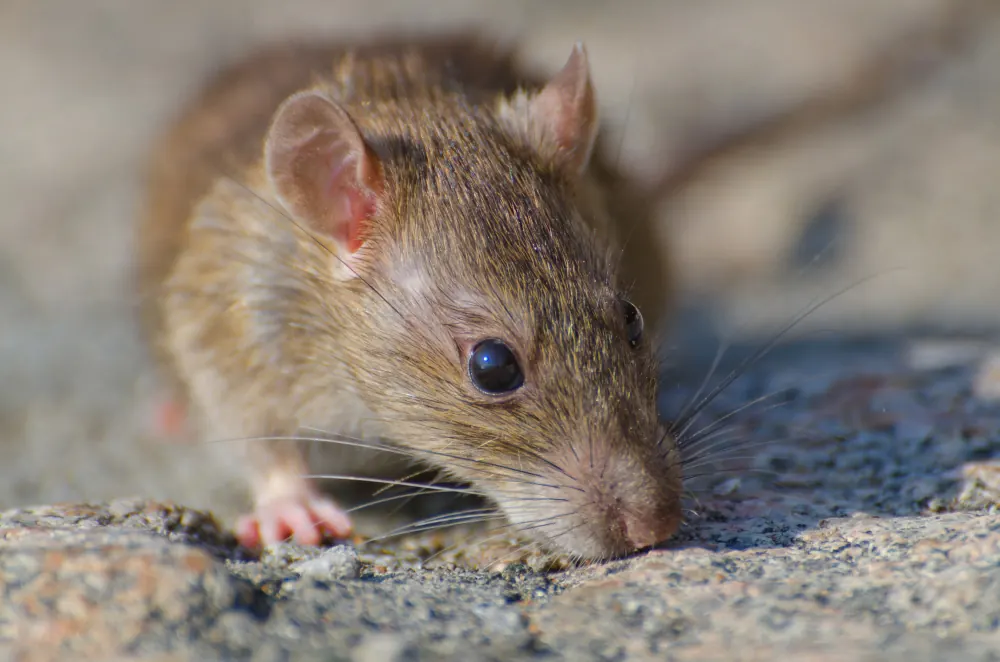 Rodents
A backyard shed is often where rodents set up shop before they ever find a way into the house.
Read article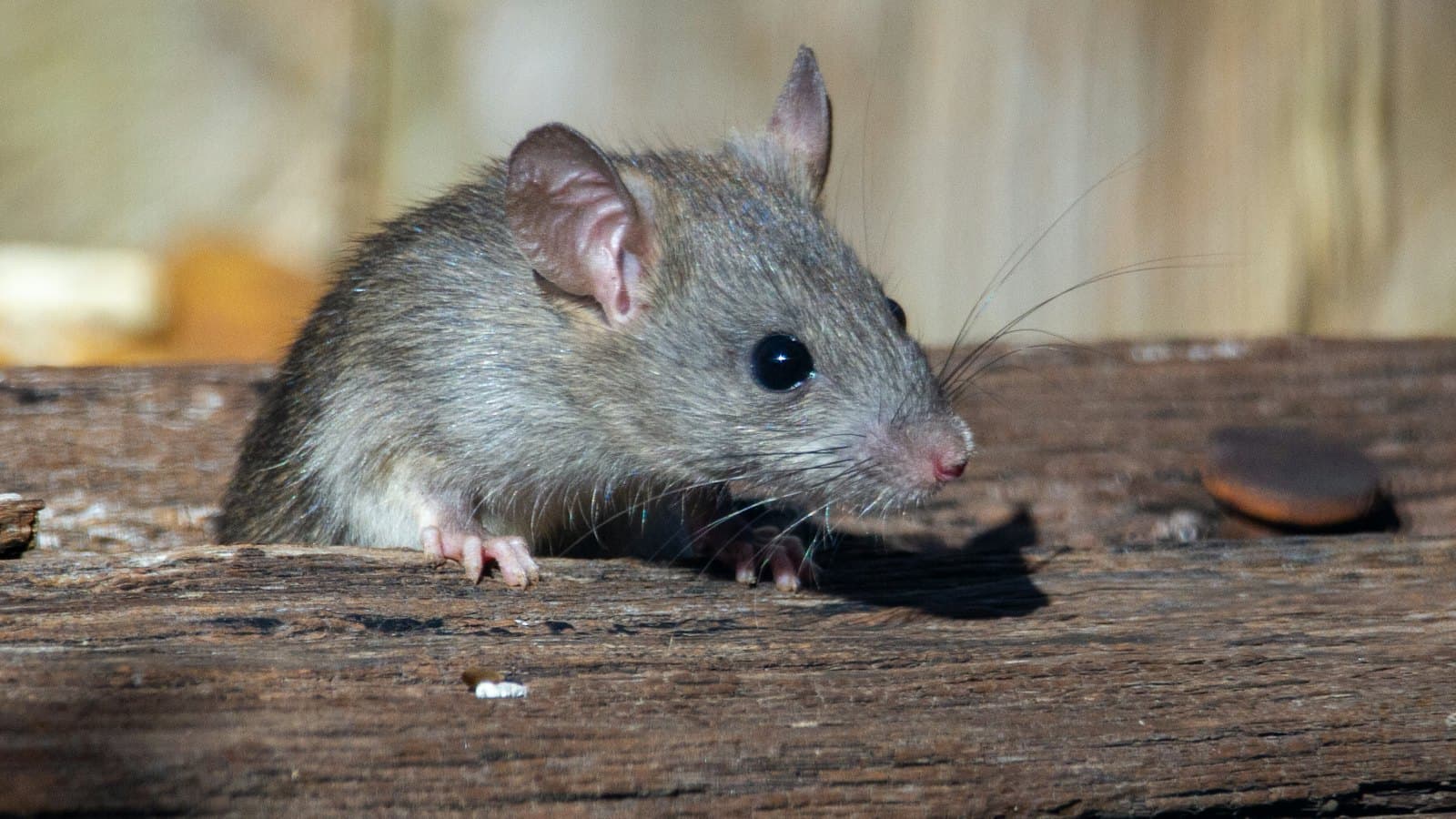 Rodents
Much of the health risk from rodents travels through the air, so how you clean up matters as much as getting rid of them.
Read article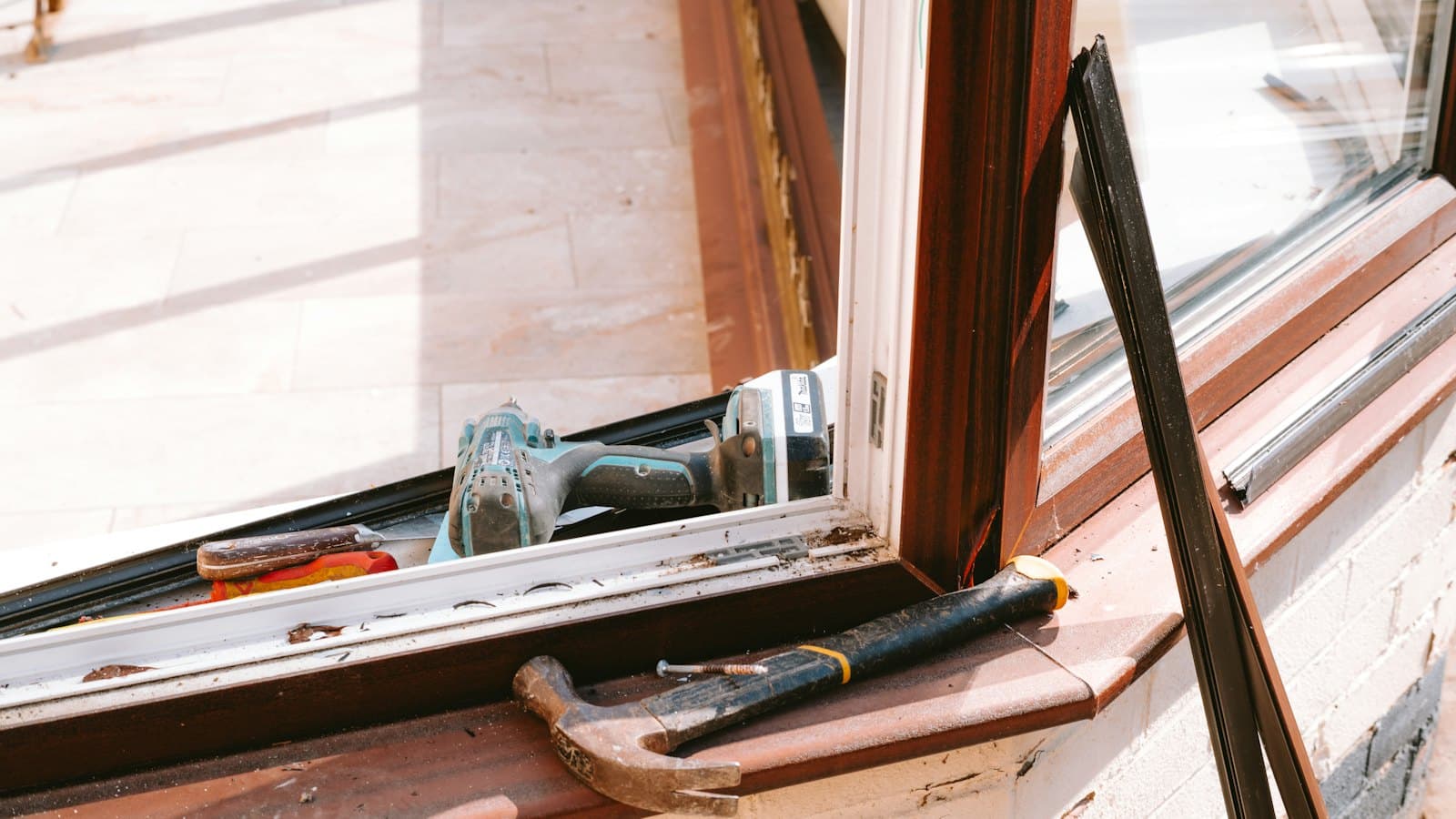 Rodents
A lot of rodent work really can be done yourself. The parts that cannot are usually the ones that decide whether it works.
Read articleStill curious about something? Call us any time, we're happy to talk it through, no pressure.
Very likely a pack rat, also called a woodrat. They're common around Hurricane, they nest in engine bays and anywhere warm and still, and they chew wiring and hoses. Moving the vehicle regularly helps, but the lasting fix is finding where they're living on the property, often a rock pile, brush, or a cluttered shed, and dealing with that along with the garage.
Seal it properly once, then check it regularly. Empty houses give rodents weeks of quiet, so a gap that a busy household would notice can go unnoticed for a season. We seal entry points, set monitoring where it makes sense, and can schedule checks between bookings so you aren't relying on a guest to find the problem.
Do it carefully. Deer mice in this area can carry hantavirus, which spreads through dust from droppings and nesting material. Air the space out first, don't sweep or vacuum dry droppings, wet them down with a disinfectant, and wear gloves. If it's a large or enclosed mess, we can handle it or walk you through it.
Sparingly, and never as the first step, which matters on lots with chickens, dogs, or livestock. We start with sealing and trapping. Where bait is truly needed, it goes in locked, tamper-resistant stations placed where pets and other animals can't reach, and we'll show you exactly where each one is.
Rodent work is quoted after the inspection, because the price follows how much sealing the building needs rather than how many mice you've seen. The inspection is free, there's no distance surcharge for Hurricane, and you get the price before any work starts. Either way you get the number before any work starts, and there's no trip charge for Hurricane: we're based in St. George, so it's a routine stop on our route rather than a special trip.
Every visit covers: full inspection for entry points and travel routes; sealing and exclusion of gaps and openings; a planned trapping and baiting program; follow-up monitoring until they're gone. What changes by address is the weighting. Old-town Hurricane and Hurricane Fields are two different jobs, so the technician decides on site where the time is best spent rather than running the same checklist everywhere.
Tell us what’s bugging you and we’ll get back to you fast with a free quote, usually the same day.