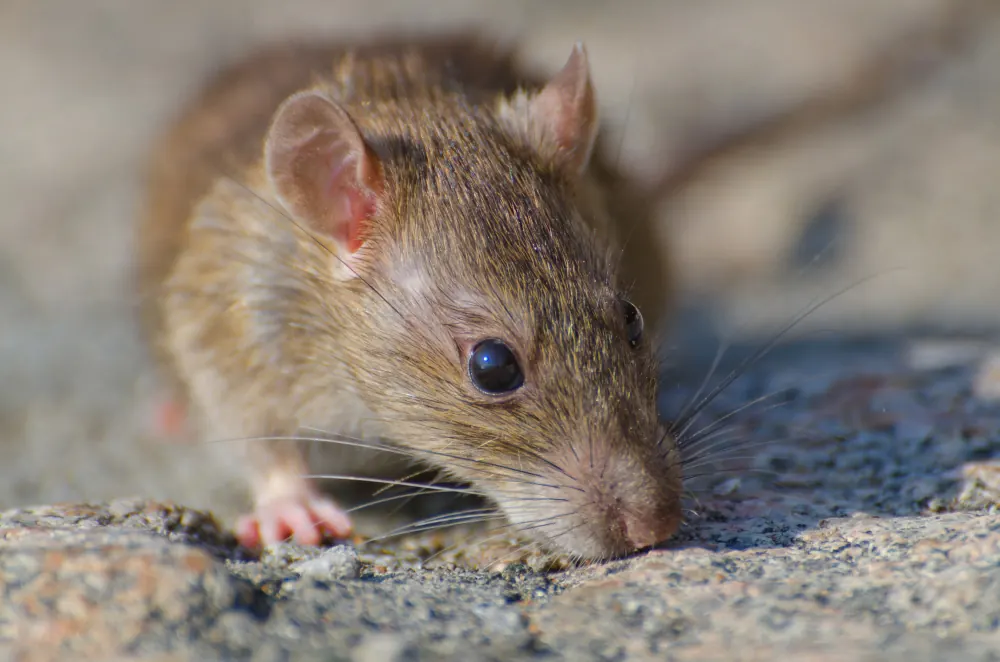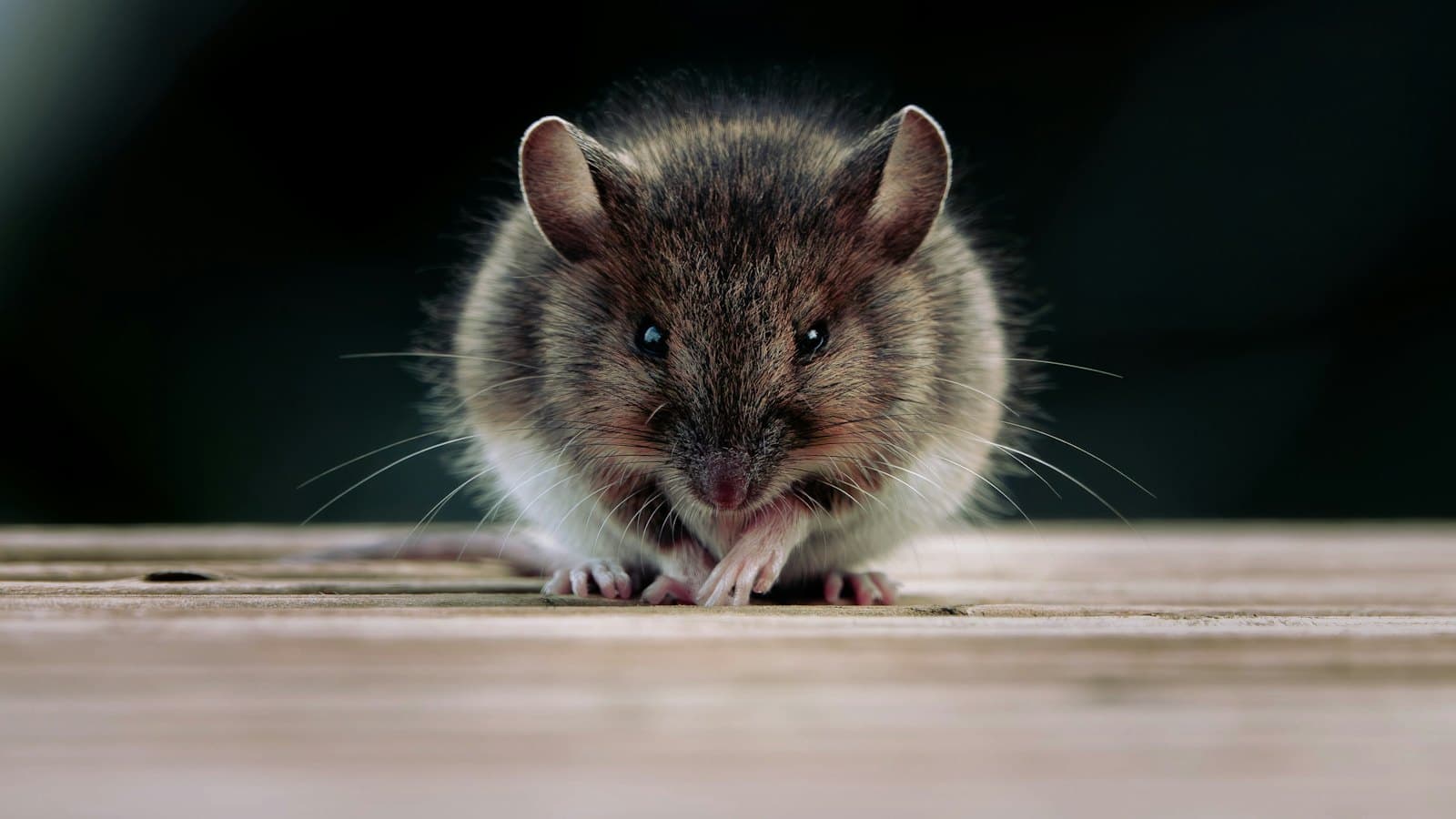
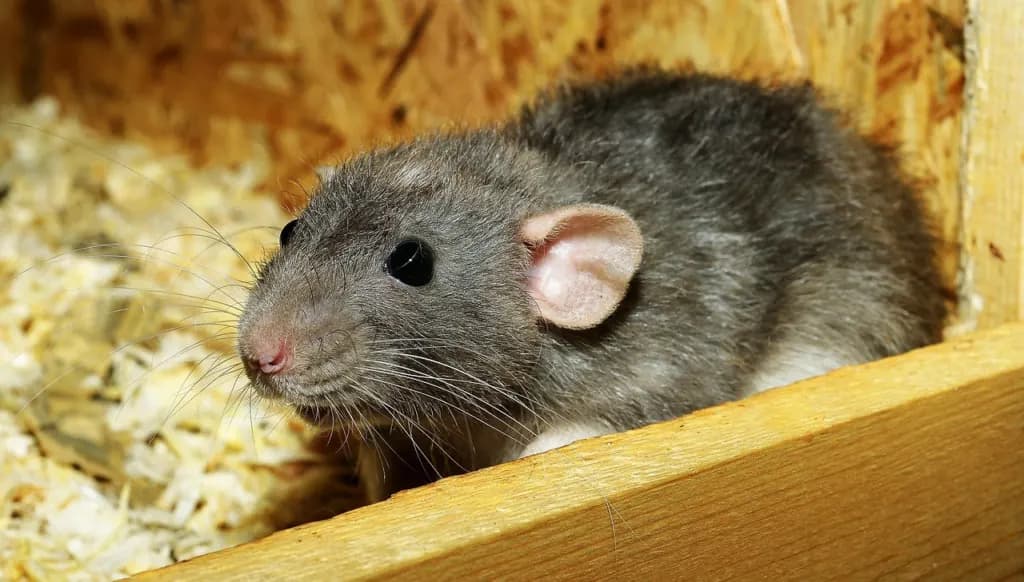
Most people think of rodents as a sanitation problem. Fewer realize that mice and rats chewing on electrical wiring is a documented cause of house fires, one that fire investigators and insurance companies take seriously.
The difficulty is that the damage happens out of sight. Attics, wall cavities, under-cabinet spaces, and engine compartments are exactly where rodents like to work and exactly where homeowners rarely look.
Why Rodents Chew Wire At All
It is not about the wire. It is about their teeth.
A rodent's front teeth never stop growing. To keep them at a usable length, mice and rats gnaw constantly on anything that offers the right resistance: wood, drywall, plastic, insulation, and the plastic or rubber coating around electrical wire.
Wiring checks every box. It is firm but chewable, and it runs through the same hidden pathways rodents use to move around a structure.
In southern Utah, pack rats (woodrats) add another layer. They are notorious for nesting in engine bays and outdoor HVAC units and chewing through the wiring harnesses they find there.
How Chewed Wire Becomes A Fire
The plastic jacket on a wire keeps the conductors separated. Once a rodent chews through it, several things can go wrong:
- Arcing - bare conductors touch or come close enough for electricity to jump between them, throwing sparks hot enough to ignite nearby material
- Short circuits - a damaged circuit pulls more current than it was built for, and the wire heats up
- Hot spots - partially chewed wire carries normal current through less copper, which makes that section run hot
All of this happens in tight, enclosed spaces packed with things that burn: insulation, dry framing, dust, and often a rodent nest made from shredded paper, fabric, and plant material.
A breaker is designed to trip on a dead short. A slow hot spot may never trip it, and can smolder unnoticed for a long time.
Where The Damage Happens
Rodents follow the same paths again and again, so the chewing tends to cluster along them:
- Attic wiring where it crosses ceiling joists
- Wall cavities near plumbing and utility openings
- Behind and under dishwashers, refrigerators, and washers
- Garage walls and the area around the electrical panel
- Outdoor AC condensers and heat pumps
- Engine compartments of cars, trucks, and RVs, a common and costly problem across Washington County
Since these spaces are hidden, damage usually comes to light during a remodel, a repair visit, or a failure.
Warning Signs Worth Acting On
You will usually notice the rodents before you notice electrical trouble:
- Scratching or skittering in walls or the ceiling, mostly at night
- Droppings in the attic, garage, pantry, or under sinks
- Nests of shredded paper, insulation, or plant material
- A stale, musky smell that does not go away
- Gnaw marks on wood, food packaging, or stored items
- Sticks, cactus pieces, and debris piled in the engine bay or around the AC unit, a classic pack rat sign
Electrical symptoms that call for an inspection right away:
- Lights that flicker on one particular circuit
- A breaker that keeps tripping for no clear reason
- Outlets or switch covers that feel warm
- A burning or hot-plastic smell you cannot find the source of
That last one means calling an electrician today, not next week.
Why Southern Utah Homes Are Exposed
St. George does not get a hard winter, but rodents still move. When fall nights cool off, house mice and deer mice push toward structures, and the dry stretches of summer send them looking for water and shelter as well. Pack rats live in the desert brush and rock right at the edge of many neighborhoods.
Tile roofs, stucco gaps, and block walls give rodents plenty of ways in. A mouse can squeeze through an opening about a quarter inch wide. Attics are especially appealing: quiet, insulated, rarely visited, and full of wiring.
Deer mice also carry hantavirus, so cleanup of droppings and nests should be done carefully, without sweeping or vacuuming dry material.
Reducing The Risk
Exclusion is what lasts. Trapping removes the rodents that are already inside, and sealing keeps new ones from replacing them.
- Seal gaps at the roofline, under tile edges, and around vent openings with rodent-proof material
- Screen attic and foundation vents
- Close openings around plumbing, electrical, and HVAC lines
- Add sweeps to garage and exterior doors
- Cut back branches and shrubs that touch the roof or walls
- Keep pet food, birdseed, and stored goods sealed and away from the house
- Avoid parking vehicles for long periods next to brush, woodpiles, or rock piles
Steel wool, hardware cloth, and quality sealant hold up. Spray foam by itself does not, because rodents chew right through it.
If you hear movement in your walls or attic, or you have found droppings anywhere in the house or garage, do not wait to see what happens. Contact Butter Pest Control for an inspection. We will find how they are getting in, remove the ones that are there, and seal the house against the next round.
Dealing with this pest at your place?
Butter serves St. George and southern Utah with free inspections and a re-treatment guarantee. Get an honest quote, no pressure.
Aspen Chournos
Aspen Chournos writes about desert pest pressure and prevention for homes and businesses across St. George and southern Utah.