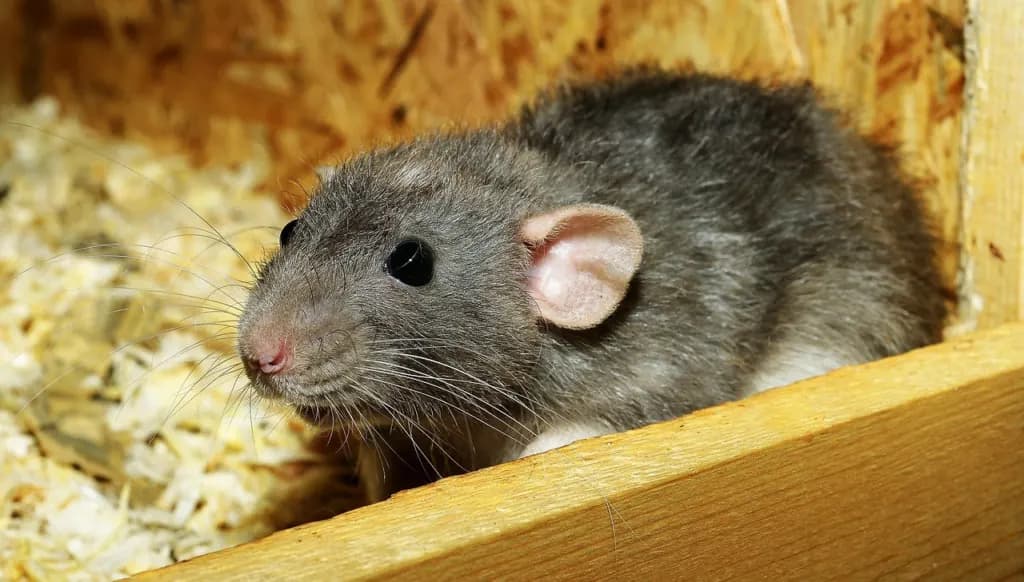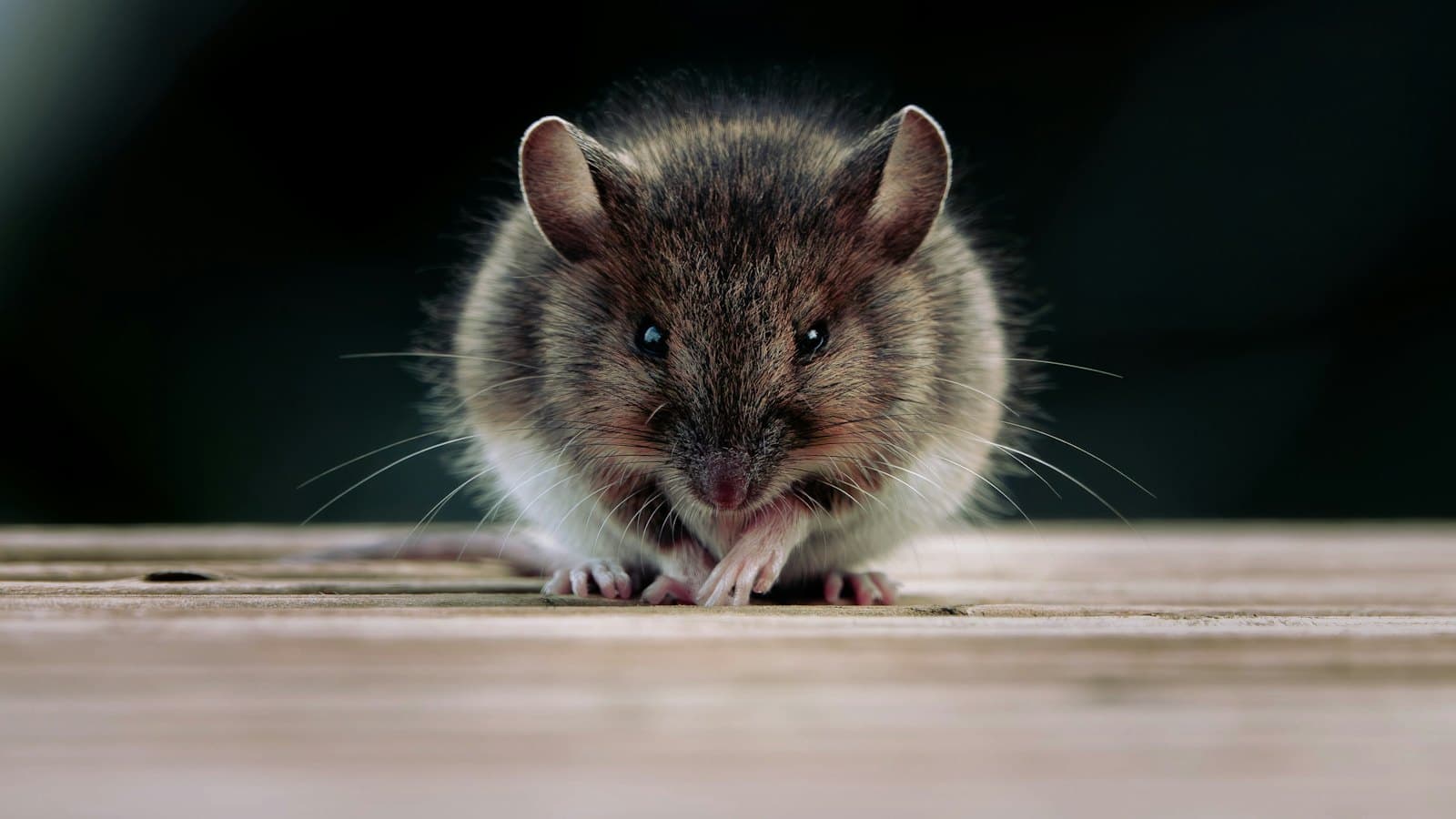
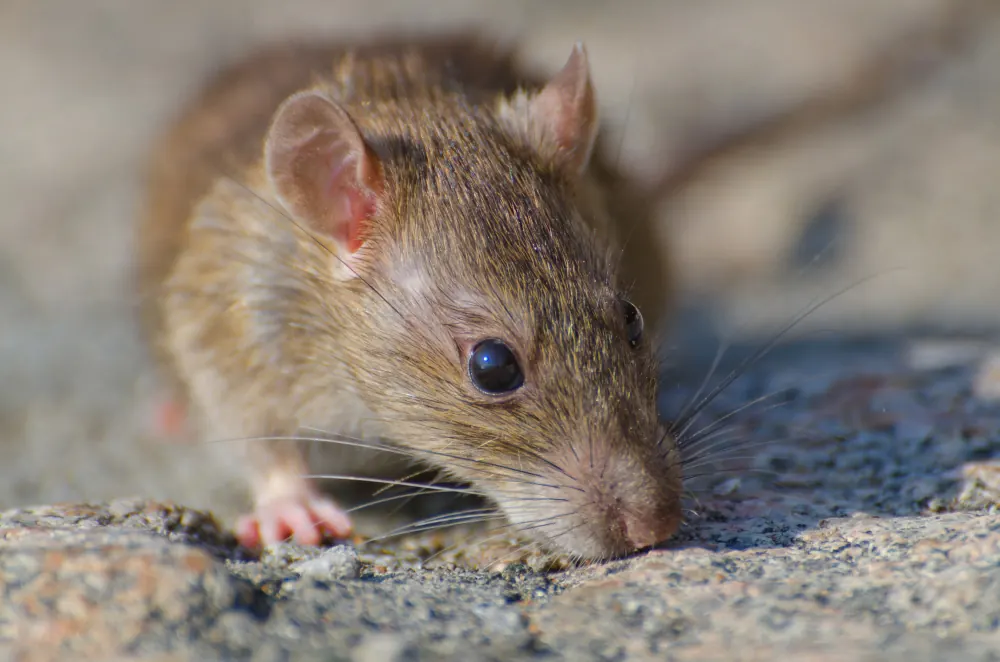
St. George doesn't get the long, hard winters of colder places, but rodents still notice when the season turns. Once fall nights start dropping into the 40s and 30s, mice, rats, and pack rats shift into survival mode and look for warmth, protection, and steady shelter. Homes, garages, sheds, and commercial buildings offer all of that, which makes the cooler months one of the busiest times for rodent intrusion. Rodent proofing ahead of time cuts the risk of indoor nesting and long-term infestation before the weather changes.
Rodent proofing isn't reactive pest control. It's a preventive process built around exclusion, structural reinforcement, and awareness of the surroundings. When weak spots are fixed early, rodents are much less likely to get inside or stay there once cooler weather sets in.
Why cooler weather increases rodent pressure
The shift from summer to fall changes what's available to rodents outdoors. Desert plants dry out, seeds and insects become scarce, and cold nights make open ground less comfortable. Those pressures push rodents to explore buildings more aggressively, especially ones that leak warm air or offer hidden access.
- Cooler nights increase the demand for insulated nesting spots
- Native food sources dwindle after summer and the monsoon
- Natural cover thins out as vegetation dies back
- Warm air escaping around structures draws rodents to entry points
Once a rodent finds a building that offers warmth and protection, activity can build quickly. Understanding why rodents move indoors as temperatures drop explains why rodent proofing should happen before the cooler months, not after the first sighting.
Common entry points rodents use as weather cools
Rodents are extremely adaptable and can get through openings that look insignificant to property owners. In southern Utah, months of intense sun and temperature swings crack stucco, loosen seals, and widen gaps, and rodents actively search for those openings as outdoor shelter gets harder to find.
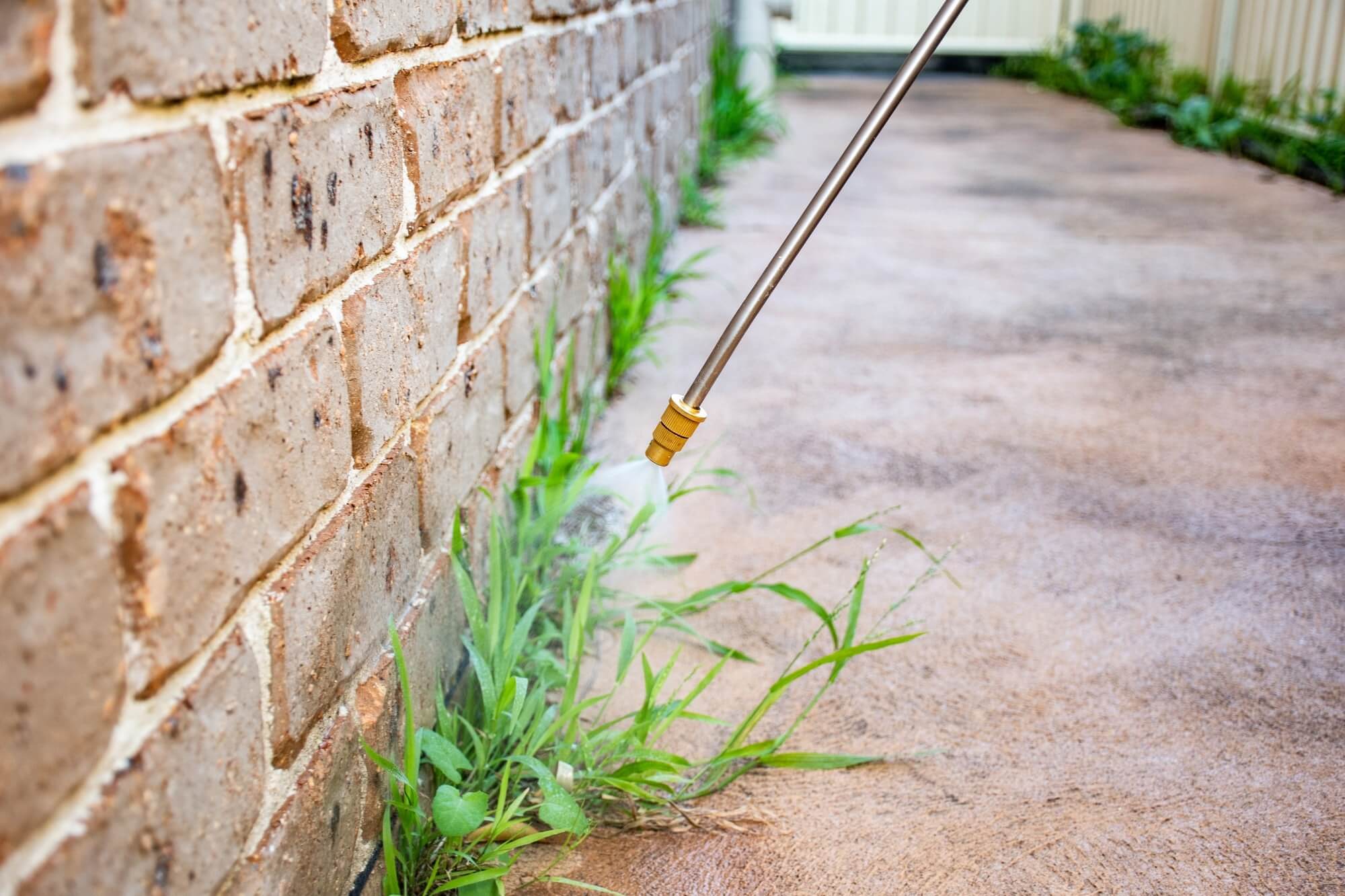
- Stucco cracks and gaps at the slab. Small breaks in the stucco, gaps along weep screeds, and openings where the wall meets the foundation give rodents hidden paths into wall voids and lower parts of the house.
- Utility and service penetrations. Water lines, electrical conduit, AC line sets, and gas lines often leave gaps where they pass through exterior walls. These openings leak warm air and lead straight into undisturbed interior cavities.
- Rooflines, tile edges, and attic vents. Elevated entry points are especially appealing because they offer protection and warmth. Rodents use gaps under roof tiles, damaged vent screens, and openings at the fascia to reach attics, where insulation makes a warm nest.
- Garage doors and access panels. Garages act as a halfway point between outdoors and indoors. Worn bottom seals, gaps at the sides of the door, and utility access points let rodents in and then let them work their way deeper into the house. Pack rats are also known for nesting in parked vehicles and chewing engine and HVAC wiring.
- Sheds, block walls, and stored materials. Woodpiles, stacked pavers, and debris along block walls give rodents a staging area right next to the house, often out of sight until damage shows up.
Once rodents get in through any of these spots, they rarely stay put. Wall systems, ceiling cavities, and floor voids let them travel through the structure without visible signs. That's why effective rodent proofing requires a full inspection instead of patching a single gap after activity becomes obvious.
Finding and reinforcing these entry points early greatly reduces the chance of rodents setting up nests indoors for the cooler months.
Signs rodent proofing is needed
Rodent activity often starts quietly. Waiting for obvious damage or a sighting gives populations time to establish before anyone steps in. Proofing works best when it's done at the first signs.
- Scratching or scurrying sounds in walls or ceilings
- Droppings along baseboards, in storage areas, or in the garage
- Gnaw marks on wiring, insulation, or building materials
- Nesting debris in attics, sheds, or under the hood of a car
Recognizing early signs of rodent activity lets you put exclusion measures in place before rodents settle in for the season. Early action greatly reduces the chance of indoor breeding and long-term damage. If you find droppings, especially from deer mice, avoid sweeping or vacuuming them dry, since disturbed droppings can carry hantavirus.
How professional rodent proofing handles seasonal risk
Rodent proofing is a structured process that goes well beyond plugging visible holes. Professional work focuses on long-term exclusion by looking at how rodents travel, where they nest, and how the building holds up to seasonal stress.
- A complete inspection of exterior and interior weak spots
- Identification of both active and potential entry points
- Durable materials chosen to hold up to desert heat and sun
- Reinforcement of structural transitions that tend to shift over time
A professional evaluation considers how heat, UV exposure, monsoon moisture, and temperature swings affect a building over time. That keeps the exclusion work effective all season instead of failing as conditions change. Handling weak spots before cooler weather also reduces the need for urgent calls once rodents are already inside.
Why rodent proofing takes experience
Seasonal changes complicate both rodent behavior and the condition of the property. Rodents become far more persistent once they're established indoors, and sealing done without understanding how they move often leaves gaps they keep using.
Experienced professionals know how rodents travel along block walls and rooflines, how buildings expand and contract in desert temperature swings, and which areas are most likely to open up again. That insight keeps exclusion strategies effective through the cooler months and into spring.
Good rodent proofing also limits secondary damage. Rodents nesting indoors can chew insulation, wiring, and building materials, and pack rats can disable a car or an AC unit by chewing wires, leading to repair bills that add up quickly. Preventing access early protects both the property and the comfort of the people inside.
Protect your property before the weather turns
Rodent proofing is most effective when it's finished before cooler weather sends rodents looking for shelter. For professional inspection and rodent exclusion in St. George and Washington County, contact Butter Pest Control.
Dealing with this pest at your place?
Butter serves St. George and southern Utah with free inspections and a re-treatment guarantee. Get an honest quote, no pressure.
Aspen Chournos
Aspen Chournos writes about desert pest pressure and prevention for homes and businesses across St. George and southern Utah.