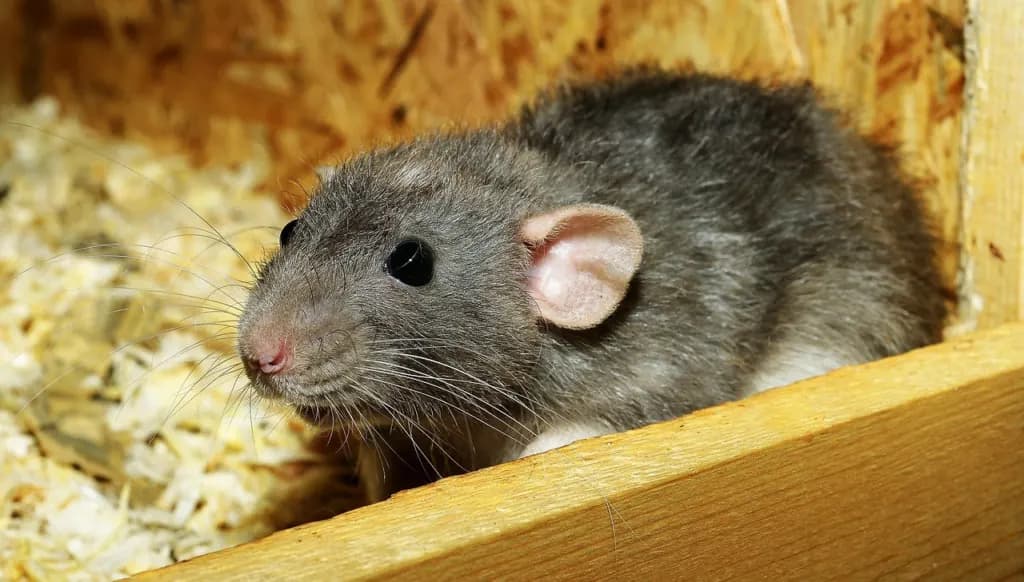
St. George winters are mild, but the drop from summer heat to cool fall nights is still enough to change how rodents behave. As evenings cool and the desert's seeds and green growth dry up, mice and rats start looking for more reliable food and shelter, and homes, garages, and attics fit the bill. Homeowners often notice the first signs this time of year: scratching overhead, droppings in the garage, or chewed wiring in a car that's been parked for a while.
Knowing why rodents move inside as temperatures fall makes it easier to stop them before a few become many. Once they're established, rodents can damage property, spread disease, and multiply quickly, which is why professional rodent control matters for long-term protection.
Why Rodents Seek Shelter Indoors as It Cools
Rodents adjust quickly to their surroundings. In Washington County, the swing from 100-degree afternoons to chilly fall mornings, along with occasional frost in winter, pushes them toward sheltered, insulated spaces. Their survival instinct is to find somewhere enclosed, protected, and close to food.
Several things drive rodents indoors in fall and winter:
- Shrinking outdoor food. Desert plants go to seed and dry out, and rodents look for steadier sources like pet food, bird seed, and pantry goods.
- Cooler nights. Small mammals lose body heat quickly, so attics, garages, and wall voids become appealing.
- Easy access. Gaps at garage doors, roof tiles, vents, and utility lines give rodents a way in.
- A safe place to breed. Indoors, they're shielded from owls, snakes, and coyotes and can reproduce without interruption.
Pack rats (woodrats) add a local twist. They're common around desert and rock-landscaped properties, and they like to nest in engine compartments, HVAC units, and storage sheds, where they chew wiring and pile up debris. Once inside, rodents build nests from insulation, paper, fabric, and plant material, usually close to food or warmth.
Common Entry Points and Hiding Areas
Rodents don't need much room to get in. A mouse can slip through an opening about the size of a dime, and rats can squeeze through a gap roughly the size of a quarter. Even a newer, well-built home can have openings that go unnoticed.
Common ways in include:
- Gaps around plumbing, A/C line sets, and cable lines where they pass through walls.
- Openings under roof tiles and around attic vents that lead into warm attic space.
- Worn seals under garage doors and gaps rodents can chew wider.
- Weep holes, block wall joints, and utility closets that offer hidden travel routes.
Once inside, rodents look for quiet, low-traffic spots. Attics, garages, the space behind appliances, and wall cavities are favorites. These places give them food and water nearby while keeping them out of sight.
Catching activity early is important. Droppings, gnaw marks, or scratching noises at night can confirm a problem before it grows.
Risks Associated With Indoor Rodent Infestations
Rodents can look like a minor nuisance, but they carry real health and safety risks. They contaminate food, chew wiring, and tear up insulation, all while breeding quickly. A pair can turn into a sizable population in a matter of weeks.
The main risks:
- Disease. Rodents can spread salmonella and other illnesses through droppings and urine, and deer mice in Utah can carry hantavirus, so cleanup needs care.
- Allergens. Nesting debris and waste can trigger allergies and breathing irritation.
- Property damage. Constant gnawing damages wood, drywall, ductwork, and stored belongings.
- Fire and vehicle damage. Chewed wires in attics, HVAC units, and cars can cause fires and expensive repairs.
- Secondary pests. Fleas and mites that ride in on rodents can spread through the house.
Because indoor rodents can breed year-round, a small problem grows fast. Early, professional intervention prevents much bigger repair and cleanup costs.
Why Professional Rodent Control Is More Effective
Many homeowners start with a few traps or a repellent from the store. Those may catch a mouse or two, but they rarely solve the whole problem. Rodents are smart and cautious, and they learn to avoid poorly placed traps.
Professional rodent control covers both the current problem and keeping new rodents out. Technicians combine inspection, exclusion, and targeted removal for results that last. A typical approach includes:
- A detailed inspection to find nests, travel paths, and entry points.
- Exclusion work that seals gaps, vents, and utility openings to keep rodents from getting back in.
- Trapping and baiting placed strategically for effectiveness while keeping people and pets safe.
- Guidance on sanitation and storage to remove food sources and nesting spots.
- Follow-up visits to confirm the problem is gone and stays gone.
Professionals also have tools and regulated products that aren't available to homeowners, and their experience means treatment fits the property rather than following a generic routine.
A broader pest plan also helps with other pests that move toward homes as the weather changes. Sealing gaps and keeping the yard and garage tidy discourage insects and scorpions as well.
Long-Term Prevention and Seasonal Maintenance
After rodents are removed, prevention keeps them from coming back. Regular upkeep plus periodic professional inspections gives you protection year-round.
To keep your home rodent-free:
- Check and seal openings. Look over exterior walls, roof tiles, vents, and garage doors for new gaps.
- Store food securely. Keep pet food, bird seed, and pantry goods in sealed containers, including in the garage.
- Limit outdoor attractants. Pick up fallen fruit, trim plants away from the house, and keep woodpiles and debris off the ground and away from walls.
- Clear clutter. Rodents settle in where there's cover and plenty of nesting material.
- Schedule inspections. A professional can spot early signs before rodents get established.
Consistency is what works. An inspection each fall, as the heat breaks, catches vulnerabilities before rodents start looking for shelter.
When the weather cools, rodents look for somewhere safe, and your home is an easy target. Taking action now prevents damage that's much more costly to fix later. With professional help, rodent control can be handled efficiently and safely to protect your property all year.
Dealing with this pest at your place?
Butter serves St. George and southern Utah with free inspections and a re-treatment guarantee. Get an honest quote, no pressure.
Aspen Chournos
Aspen Chournos writes about desert pest pressure and prevention for homes and businesses across St. George and southern Utah.