
The Virgin River & north edge of town
84737Homes near the river corridor and the north bluffs, toward La Verkin. Shady, damp ground along the water keeps mosquitoes around from late spring into fall.
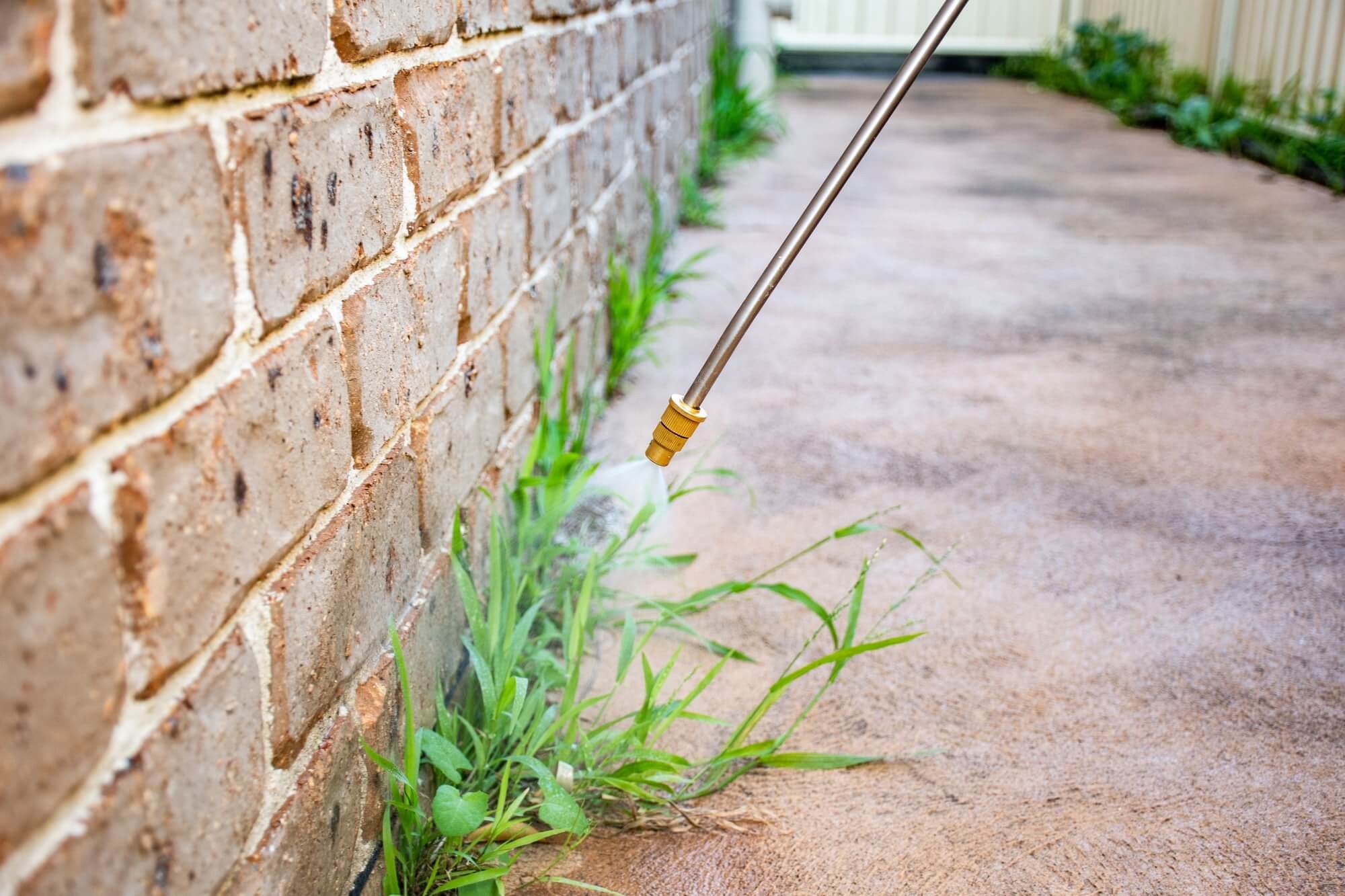
For a desert town, Hurricane holds a lot of water: a river along the north side, reservoirs, irrigation ditches, and flood-irrigated fields.
Mosquito Control at a glance
Hurricane, UT
Hurricane ZIP codes served
Hurricane has more mosquito habitat than people expect in the desert. The Virgin River runs along the north side of town, Sand Hollow and Quail Creek reservoirs are close by, and old-town Hurricane still has irrigation ditches running past yards. Out in Hurricane Fields, flood irrigation and stock water leave standing water through the warm months. Monsoon storms add more from July on.
What works is treating where mosquitoes rest, not fogging the air. Adult mosquitoes spend the day in shady, humid spots, like under decks, in dense shrubs, in tall grass, and behind stored items, then come out to bite at dawn and dusk. Treating those resting spots cuts down the biting population and lasts. A fog is gone by morning.
We're honest about the limit. We can't treat the river, the reservoirs, or the canal system; public mosquito abatement in this area is handled by the local mosquito abatement district. What we can do is treat your property, help you get rid of standing water on your own ground, and keep a regular schedule through summer. With West Nile virus showing up in Utah some years, cutting down mosquitoes around the house is worth doing.
Pests this covers
Every mosquito control visit includes all of this. Where the time goes depends on your address.
Hurricane isn't one pest problem, and it isn't one treatment either. These are the parts of the city where this service does the most work, and why.
Homes near the river corridor and the north bluffs, toward La Verkin. Shady, damp ground along the water keeps mosquitoes around from late spring into fall.
Irrigation ditches, gardens, and mature trees on big lots. Ditches, buckets, and low spots that hold water after watering turns are common breeding spots that are easy to overlook.
Flood-irrigated fields, stock tanks, and ditches. On farm properties, the water on your own land usually produces more mosquitoes than anything nearby, and much of it can be managed.
Homes and rentals near the reservoir with outdoor living spaces and lush landscaping. Evening patio use is the selling point of these properties, so keeping mosquitoes down at dusk matters.
Covering every Hurricane ZIP from 84737 to 84737. Don’t see your street? See the full Hurricane breakdown or call (435) 900-8529.
Desert pest pressure is seasonal and it's predictable. Knowing which window you're in is most of knowing what to book.
First hatchApril – May
Mosquitoes start as the weather warms and irrigation begins. Getting rid of standing water before anything breeds in it is worth more than any treatment later in the season.
Heaviest bitingJune – September
Heat shortens the mosquito life cycle, and monsoon storms from July add new standing water. This is when regular treatment does the most, and when an untreated yard near water becomes hard to use at dusk.
Tapering offOctober
Cooler nights slow breeding. Mild falls can stretch the season a little, especially near the river and on irrigated properties.
If the pests come back, so do we.
Free re-treats between scheduled visits, no questions, no extra invoice. That’s the Butter Promise.
Written for southern Utah specifically, not generic advice pulled from somewhere with a different climate.
 Pest Control
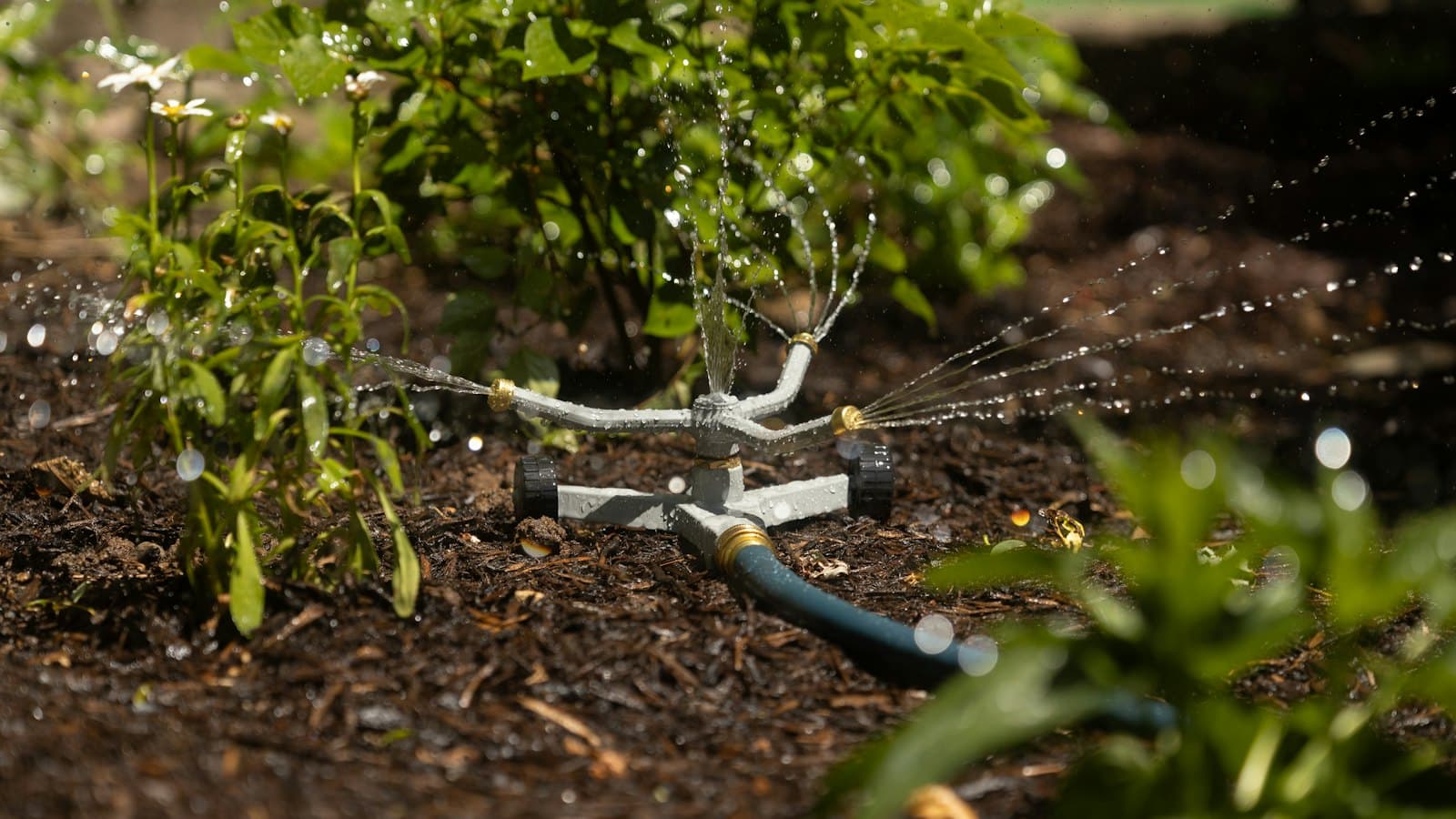
In the Mojave heat, a watered yard is an oasis, and pests treat it that way. Here's how summer irrigation can quietly increase pest pressure and how to water smarter.
Read article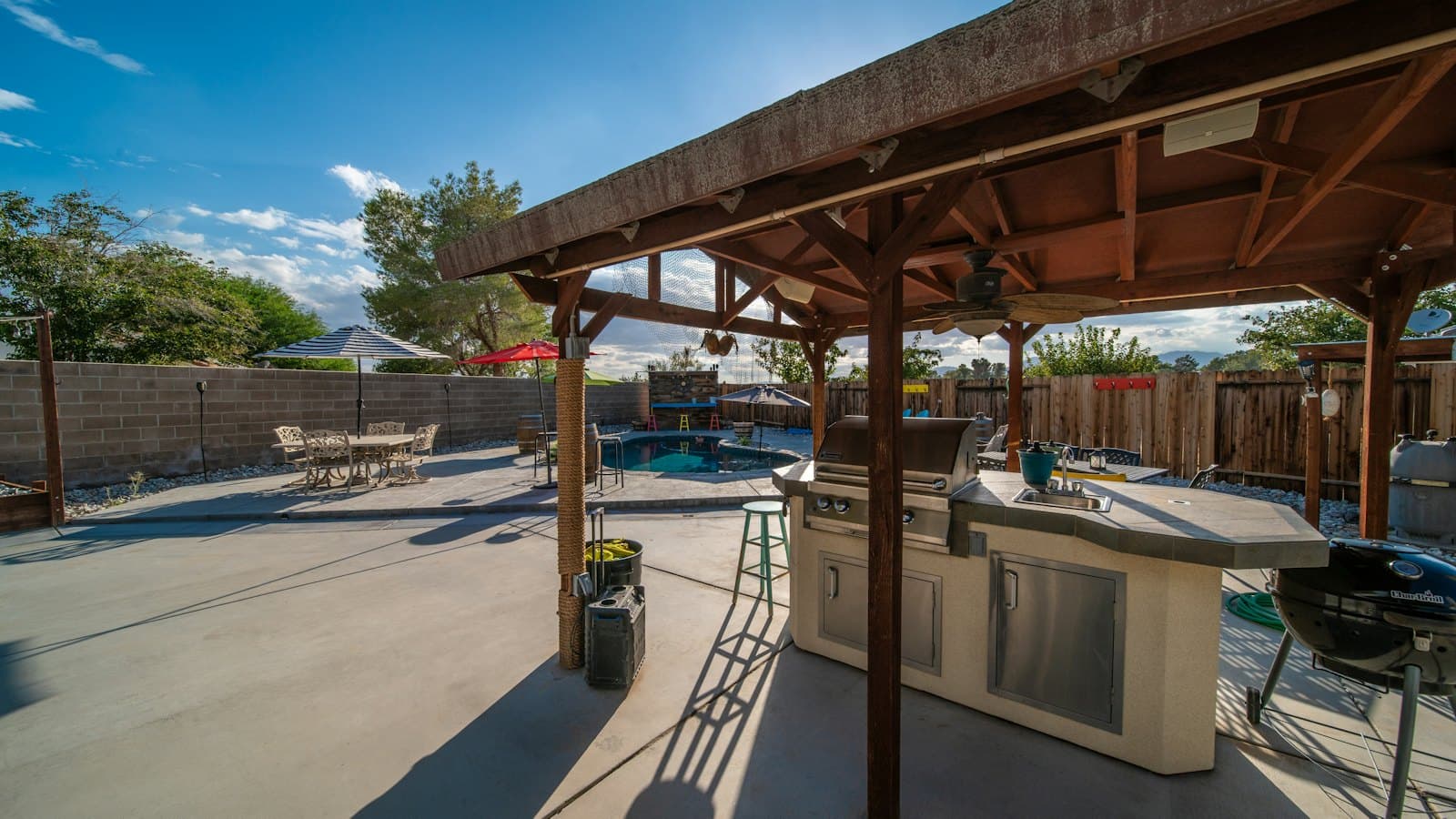 Pest Control
When evenings finally cool off, St. George backyards fill up with people and pests alike. Here's how to remove the food, water, and shelter that bring ants, spiders, scorpions, and wasps in.
Read article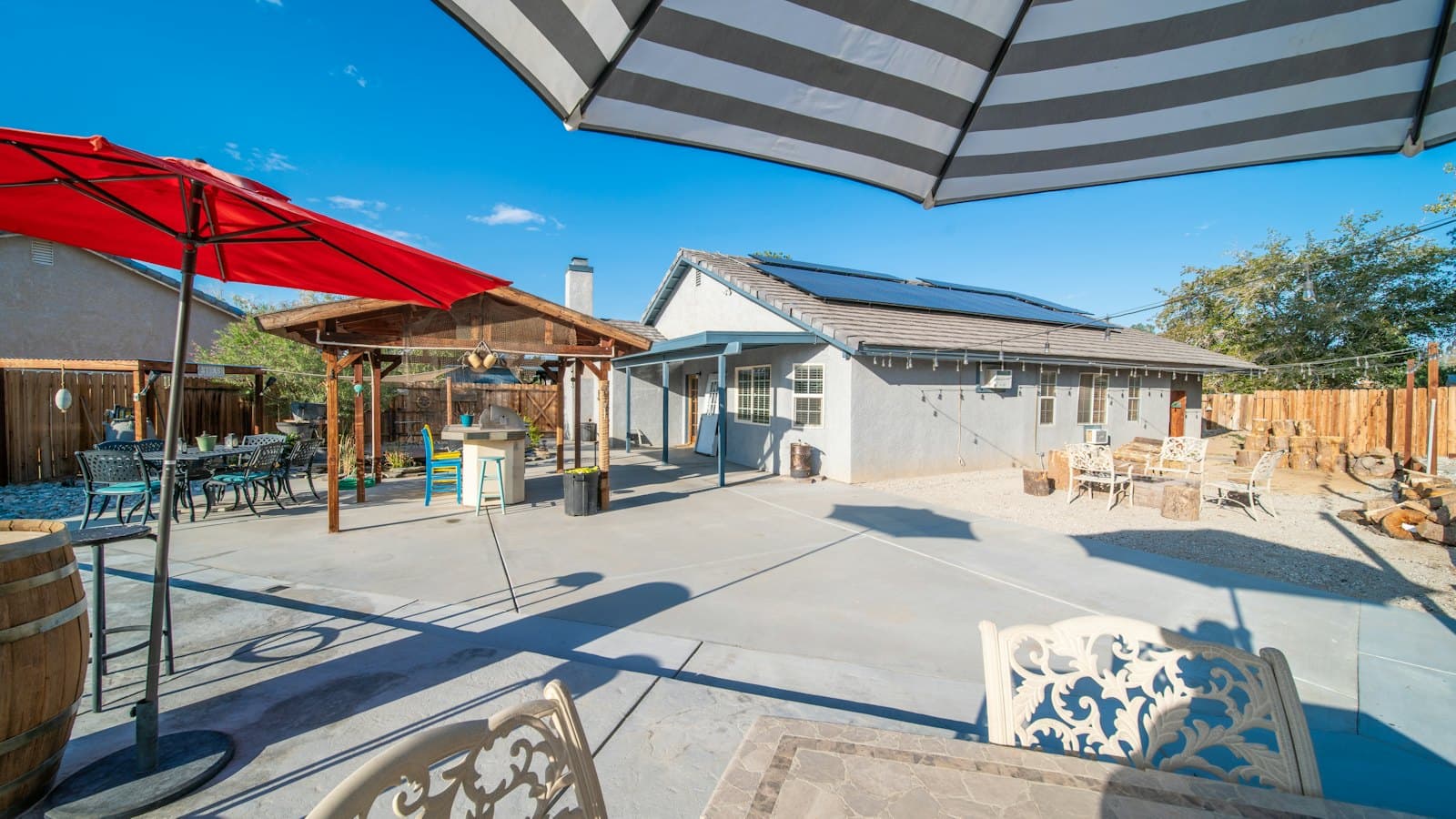 Pest Control
Southern Utah's summer heat sends pests looking for shade and water. Here's why treatment timing matters most in these months.
Read article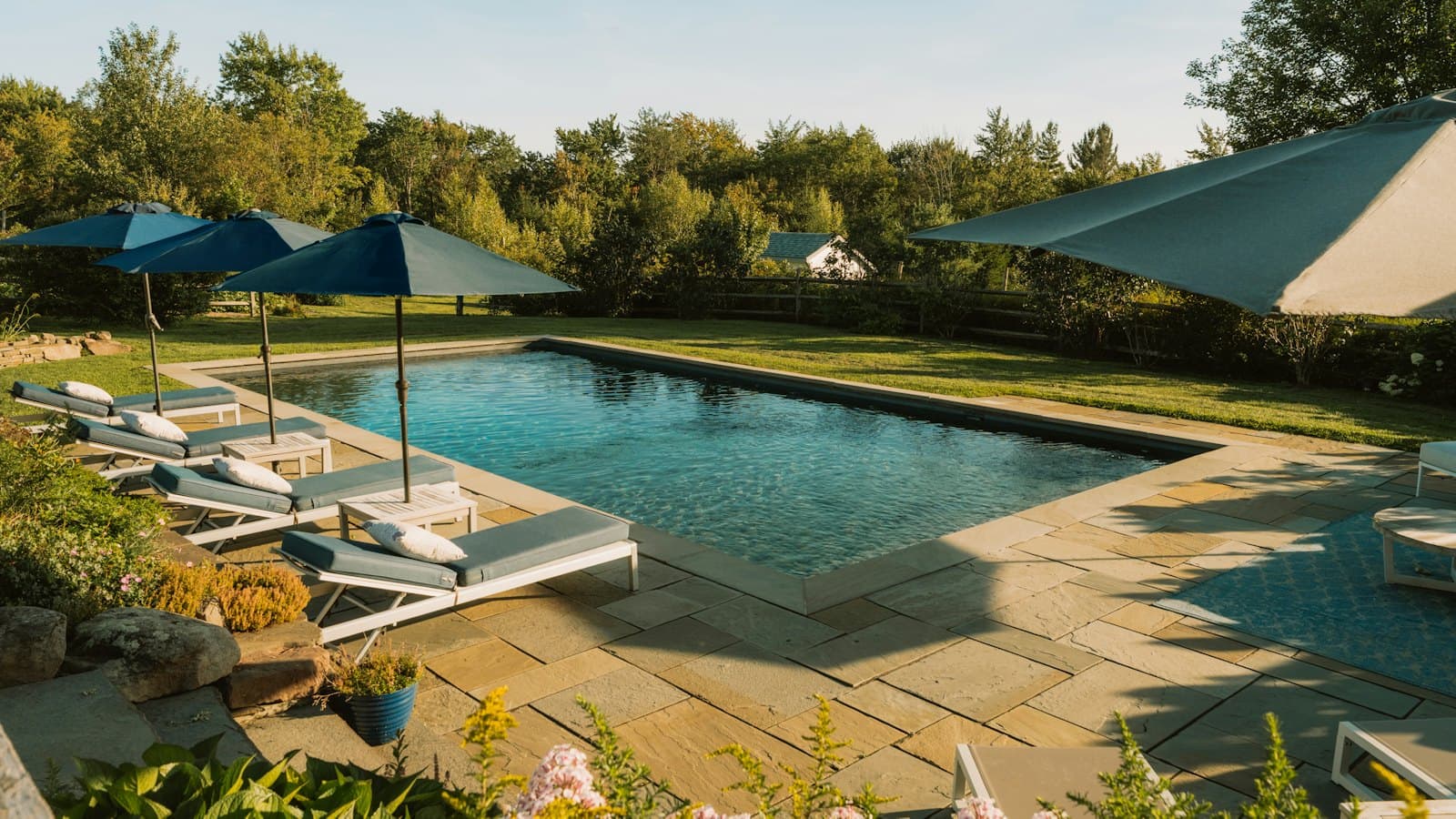 Pest Control
Summer pests here are driven by heat and irrigation, and both point toward the same prevention plan.
Read article Pest Control
In a dry climate, any damp spot and tiny gap gives pests the water and access they're after. Here's how moisture and entry points invite infestations and what to check.
Read article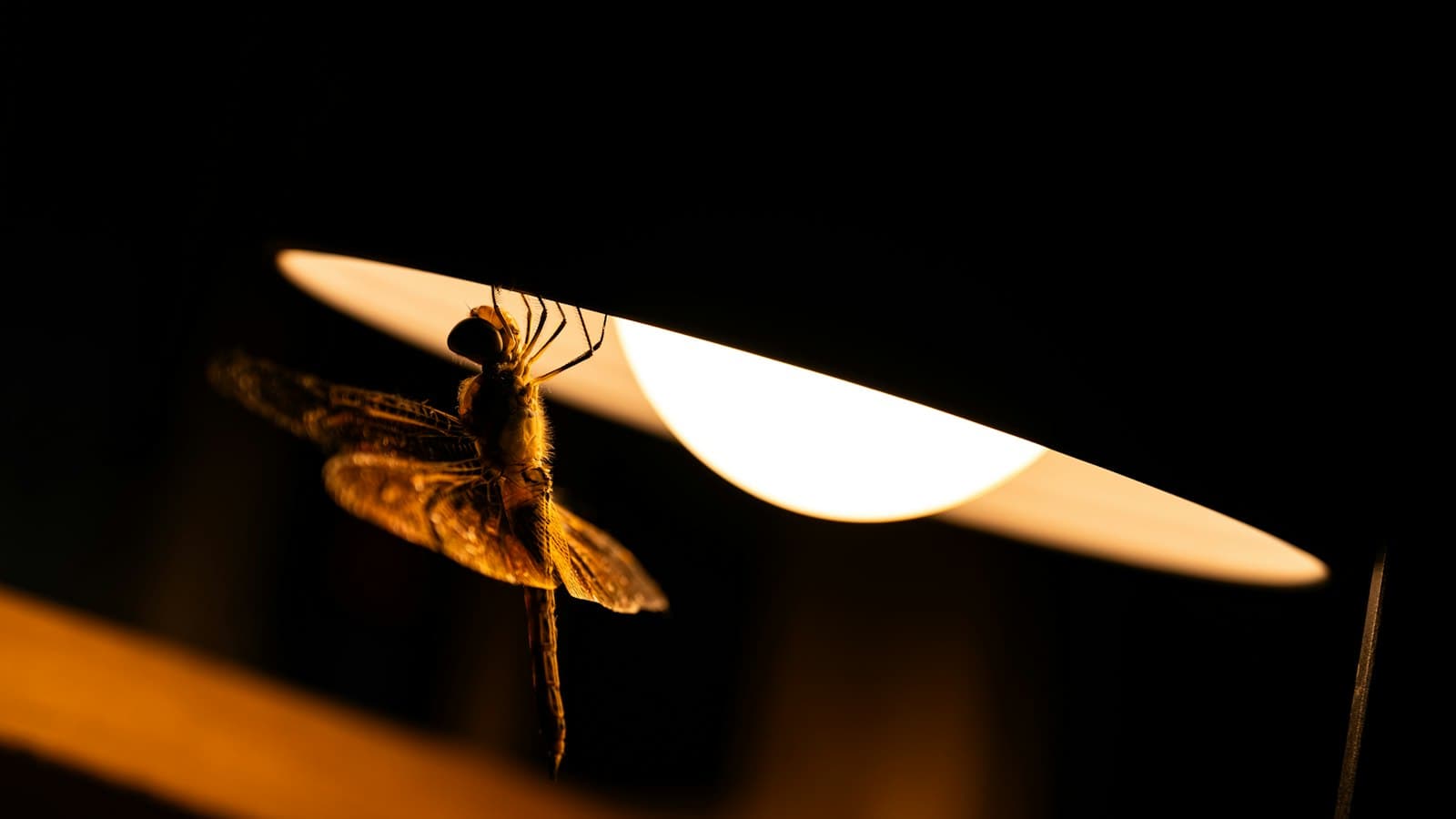 Insects
Outdoor lighting is one of the few pest problems you can improve just by changing a bulb.
Read articleStill curious about something? Call us any time, we're happy to talk it through, no pressure.
We can't treat the river, Sand Hollow, or Quail Creek, and public abatement is the mosquito abatement district's job. What we can do is treat the places mosquitoes rest on your property and help you get rid of standing water on your own ground. For homes close to the water, a regular summer schedule makes a real difference.
About a tablespoon. Plant saucers, buckets, clogged gutters, a tarp that holds water, a stock tank, an old tire, or a low spot in the yard after irrigation can all breed mosquitoes. On farm lots in Hurricane Fields, the ditches and troughs on your own land are often the biggest source.
It's worth being aware of. West Nile is detected in Utah in some years, and it's spread by mosquitoes. Most people who are infected have no symptoms, but it can be serious for some. Reducing mosquitoes around your home, wearing repellent at dusk, and fixing screens all lower the risk.
We apply it to be. Treatment goes onto foliage and structures where mosquitoes rest, not onto flowers, and we avoid the hours when pollinators are busiest. If you keep bees, chickens, or livestock, tell us where they are and where water is before the first visit and we'll plan around them.
Mosquito control is a seasonal add-on through the warm months rather than a year-round service. It's quoted on lot size and how much shade, cover, and standing water the property has, after a walkthrough, with no distance surcharge. Either way you get the number before any work starts, and there's no trip charge for Hurricane: we're based in St. George, so it's a routine stop on our route rather than a special trip.
Every visit covers: inspection for breeding sites and standing water; treatment of shady resting spots, shrubs, and under decks; larvicide in water that can't be drained; repeat treatments through the warm months. What changes by address is the weighting. The Virgin River & north edge of town and Old-town Hurricane are two different jobs, so the technician decides on site where the time is best spent rather than running the same checklist everywhere.
Tell us what’s bugging you and we’ll get back to you fast with a free quote, usually the same day.