
Homes naturally offer shelter, steady temperatures, and access to food. In a desert like the one around St. George, add moisture or a few small gaps in the structure and a house becomes even more attractive to pests looking for a place to settle. Insects and rodents rely on water and easy entry points to survive and reproduce, and water is the one thing the surrounding landscape doesn't offer.
Many infestations start when pests find small weak spots on the outside of a home. Hairline stucco cracks, gaps at the slab, poorly sealed doors, or damp areas around plumbing and irrigation give pests ideal conditions to move indoors. Once inside, they can spread quickly through walls, attics, and garages.
Understanding how moisture and openings attract pests helps homeowners spot risks before an infestation gets serious. Addressing those conditions early, along with professional pest control, helps protect the home from ongoing activity.
Why moisture makes such a strong attraction
Moisture drives a lot of pest activity because many species can't survive without it. A reliable water source lets insects and rodents stay active, reproduce, and build nests near food.
The damp spots around a home are often the first places pests gather. Common sources in southern Utah include leaky drip emitters, sprinklers that hit the wall, poor drainage after monsoon storms, pool and spa splash-out, evaporative cooler runoff, and condensation from AC lines and water heaters.
Plenty of pests are drawn to damp areas, including ants, cockroaches, spiders, scorpions, crickets, earwigs, and subterranean termites. Rodents look for wet spots where water is easy to reach too.
Moisture attracts pests for several reasons:
- A dependable water supply helps insects and rodents survive longer in the heat
- Softened building materials such as damp wood are easier for pests like termites to get into
- Higher humidity in small spaces creates better living conditions for insects
- Hidden damp spots give pests shelter for nesting and breeding
When moisture problems go unaddressed, pest populations often grow and work their way deeper into the structure.
Common ways pests get inside
Even a well-maintained home has small openings pests can use. Many insects only need a tiny crack to get in, and rodents can squeeze through gaps that hardly look big enough to notice.
Exterior walls, the slab edge, windows, and utility lines often have small gaps that lead inside. Over time, settling, sun exposure, and temperature swings can widen them.
Some of the most common entry points include:
- Cracks in stucco or the foundation that lead into wall cavities
- Unsealed door and window frames that let ants, scorpions, and spiders inside
- Gaps around pipes, AC lines, and cables passing through exterior walls
- Roofline gaps, attic vents, and openings under tile edges that give pests access to upper areas
- Damaged screens or worn weatherstripping that leave small openings exposed
Once inside, pests often stay hidden in walls, insulation, or storage areas where they can keep multiplying.
Because these entry points can be hard to find without a detailed inspection, professional pest control usually starts by examining the outside of the property for structural weak spots.
Signs moisture and gaps may be drawing pests in
Early warning signs often show up before pests become obvious inside. Paying attention to small clues can help homeowners catch a developing infestation before it grows.
Signs that moisture and gaps may be attracting pests include:
- Frequent ant, spider, or scorpion sightings along baseboards or windows
- Musty odors in closets, cabinets, or around the water heater
- Small droppings or gnaw marks that may point to rodents
- Clusters of insects near plumbing where moisture collects
- Visible ant trails or mud tubes along exterior walls or the slab
Ant activity in particular often climbs when there's moisture near the foundation. Ants build trails from outdoor nests into kitchens or storage areas, and understanding how those patterns form helps explain why infestations happen.
Recognizing these early signs lets homeowners get a professional evaluation before pests spread through the structure.
How professional pest control handles moisture and entry points
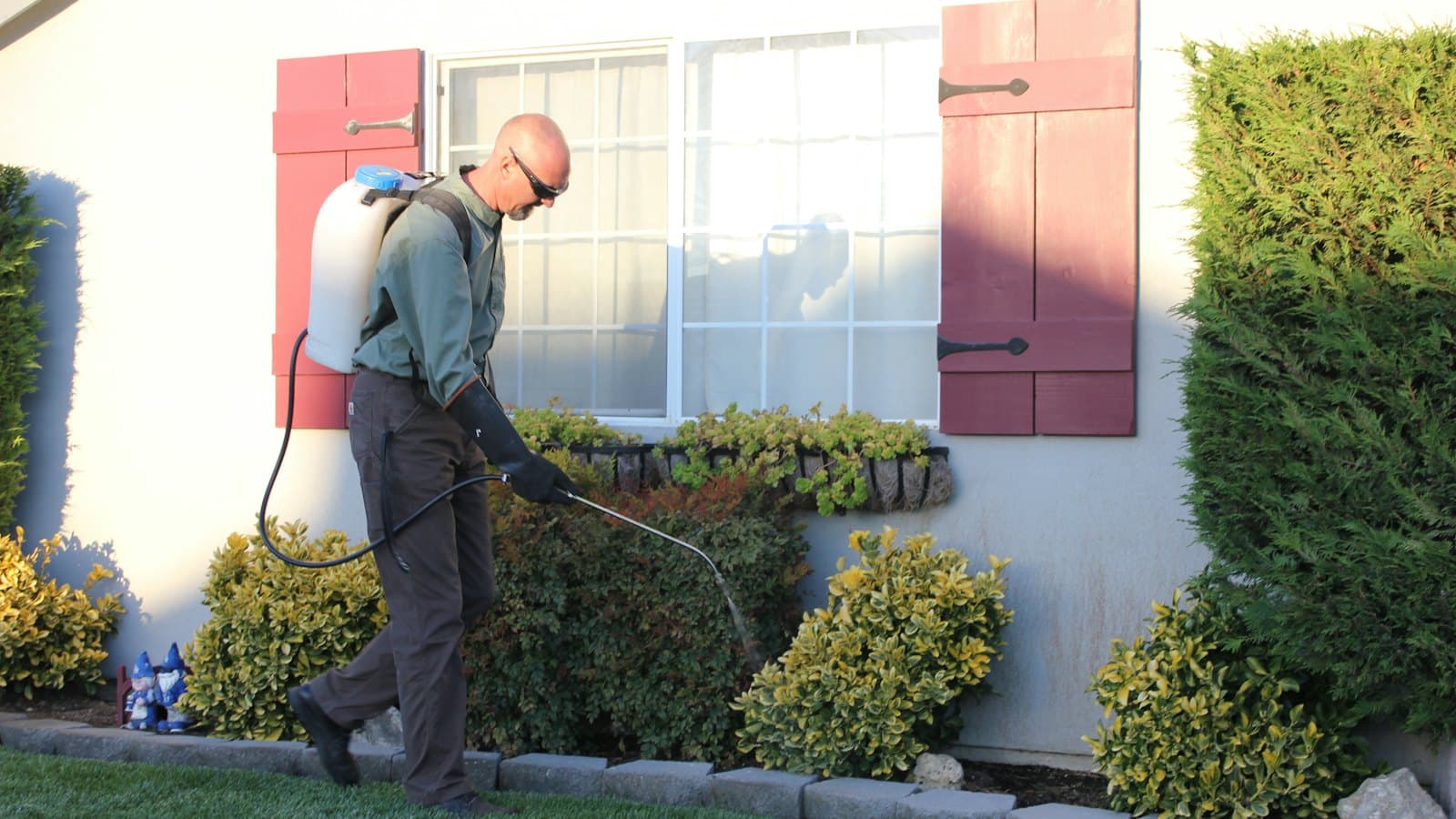
Good pest management isn't only about removing pests. It also addresses the conditions that attract them. A professional evaluates both the inside and outside of the property to figure out how pests are getting in and where moisture problems exist.
A professional inspection often includes:
- Finding structural openings that let pests into the home
- Locating moisture sources such as leaks, condensation, or drainage problems
- Reviewing pest activity patterns around the property
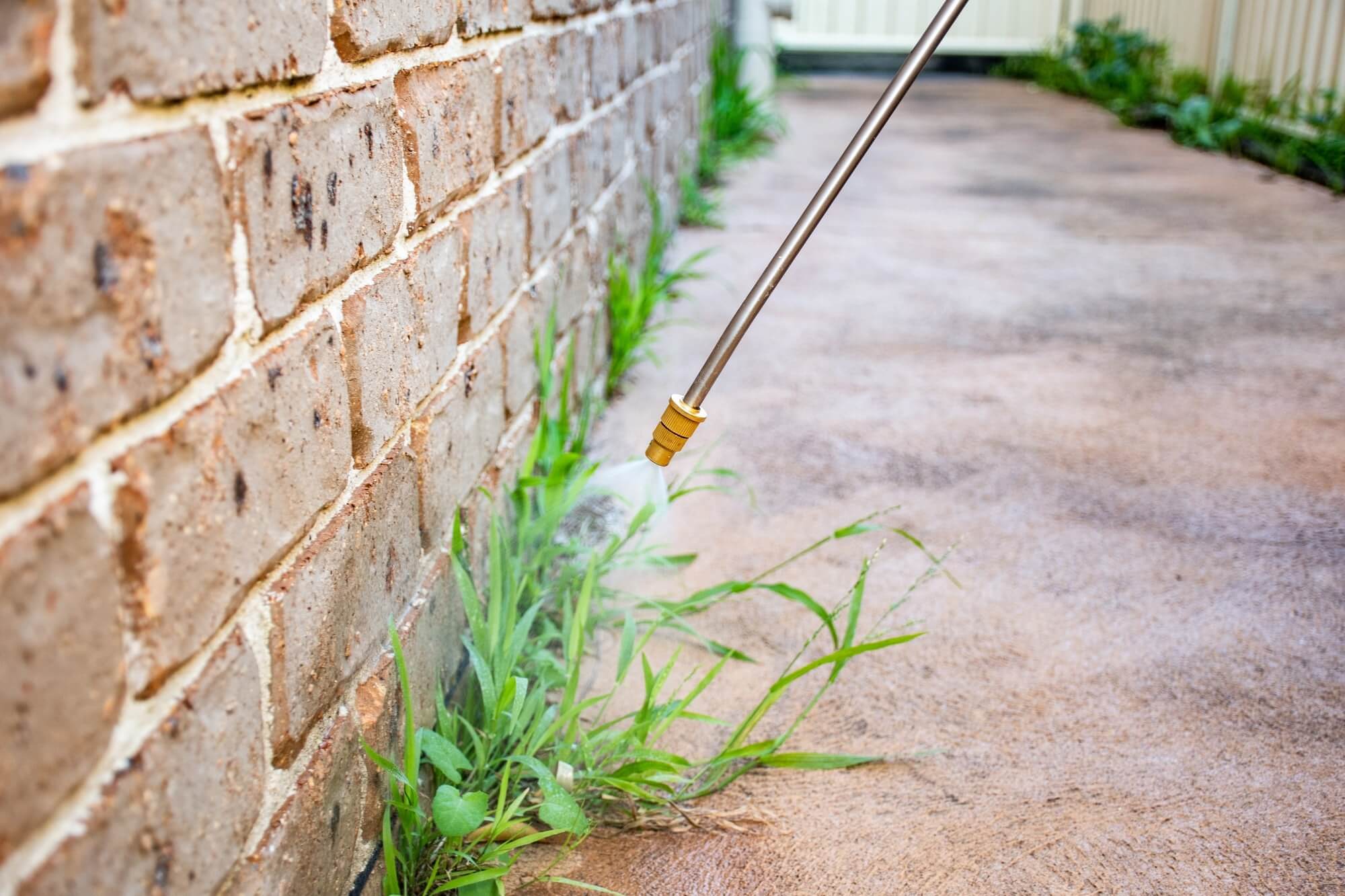
- Applying targeted treatments designed for the specific pest
- Recommending improvements that make the home less attractive to pests
By addressing both entry points and the conditions around the home, professional pest control offers a more complete solution than treating only the pests you can see.
Targeted strategies help remove pests effectively while lowering the chance of future infestations.
Why ongoing prevention matters
Pest activity changes with the seasons, and conditions around a home shift through the year, from summer heat to monsoon storms to cooler winter nights. Even after an infestation is resolved, new activity can start if moisture problems or gaps remain.
Ongoing monitoring and prevention help keep pests from returning. Regular inspections let professionals catch early signs of activity and deal with them before they become bigger problems.
Preventive programs may include property inspections, monitoring stations, and seasonal treatments designed to maintain protection all year.
A proactive, year-round approach keeps moisture problems and structural gaps from continuing to draw pests in.
Protect Your Home With Professional Help
Moisture and gaps can quietly attract pests long before an infestation becomes visible. Early identification and a professional evaluation make sure those conditions are fixed before pests spread through the home. For expert pest management in St. George and Washington County, contact Butter Pest Control. A professional can find entry points, address moisture issues, and help protect your home from recurring infestations.
Dealing with this pest at your place?
Butter serves St. George and southern Utah with free inspections and a re-treatment guarantee. Get an honest quote, no pressure.
Aspen Chournos
Aspen Chournos writes about desert pest pressure and prevention for homes and businesses across St. George and southern Utah.