
Sky Mountain & the bench
84737Homes built into broken basalt with lava rock landscaping and block walls. This is prime bark scorpion habitat, so door sweeps, weep screed gaps, wall caps, and rock borders get close attention.
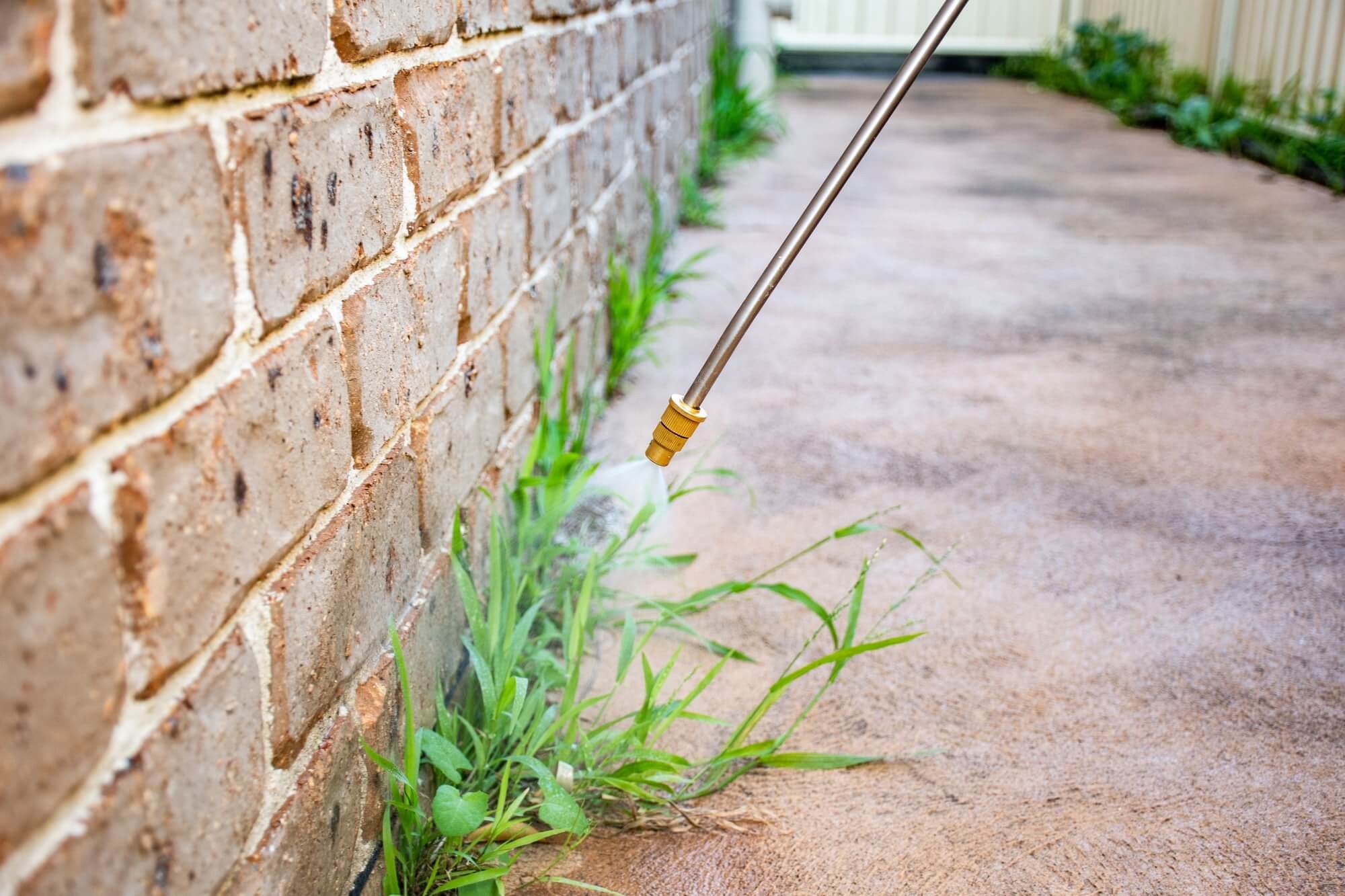
The lava rock under the Hurricane Cliffs is beautiful to build on, and bark scorpions think so too.
Insect Control at a glance
Hurricane, UT
Hurricane ZIP codes served
The insect that worries Hurricane homeowners most is the Arizona bark scorpion, and for good reason. It's the one scorpion in this area with a sting worth taking seriously, and it loves broken rock. The black basalt along the Hurricane Cliffs, the lava rock used in landscaping, and the block walls between yards give it endless places to hide during the day. Bark scorpions also climb, so they turn up on walls, ceilings, and in bedding, not just on the floor.
Scorpions are part of a bigger picture. They eat crickets, cockroaches, and other insects, so a yard with lots of those will have more scorpions. In Hurricane, the insect supply is boosted by irrigated yards, gardens, orchards, and fields, and by monsoon storms from July through September that bring surges of crickets, millipedes, and other insects after the rain.
The other common calls depend on the property. Old-town lots with irrigation and mature trees see more earwigs, crickets, and silverfish. Homes near the fields get more flying insects and beetles at the porch light. Turkestan and American cockroaches live outdoors in block walls and sewers and wander inside, especially in the heat. In every case, the work is the same: seal the entry points, treat where insects live and hide, and cut down the moisture and food that keep them around.
Every insect control visit includes all of this. Where the time goes depends on your address.
Hurricane isn't one pest problem, and it isn't one treatment either. These are the parts of the city where this service does the most work, and why.
Homes built into broken basalt with lava rock landscaping and block walls. This is prime bark scorpion habitat, so door sweeps, weep screed gaps, wall caps, and rock borders get close attention.
Irrigated yards, ditches, gardens, and fruit trees keep the ground damp. Earwigs, crickets, and silverfish thrive here, and older foundations give them more ways in.
Established homes on the south side with open desert nearby. Crickets and scorpions come straight off the surrounding ground, especially after monsoon storms.
Fields and orchards that support large insect populations. Homes and outbuildings next to farmland see more flying insects, beetles, and crickets, especially around outdoor lights.
Covering every Hurricane ZIP from 84737 to 84737. Don’t see your street? See the full Hurricane breakdown or call (435) 900-8529.
Desert pest pressure is seasonal and it's predictable. Knowing which window you're in is most of knowing what to book.
SpringMarch – May
Scorpions and insects become active as nights warm. Hurricane can run a little behind St. George in spring, but by April most pests are moving. A spring treatment sets the perimeter before the heat.
Heat and monsoonJune – September
Scorpions are at their most active, and insects move indoors looking for water and shade. Monsoon storms from July bring surges of crickets, millipedes, and other insects after the rain.
FallOctober – November
As nights cool, crickets and other insects look for warm walls and garages. Scorpions slow down but can still be active on warm evenings.
If the pests come back, so do we.
Free re-treats between scheduled visits, no questions, no extra invoice. That’s the Butter Promise.
Written for southern Utah specifically, not generic advice pulled from somewhere with a different climate.
 Pest Control
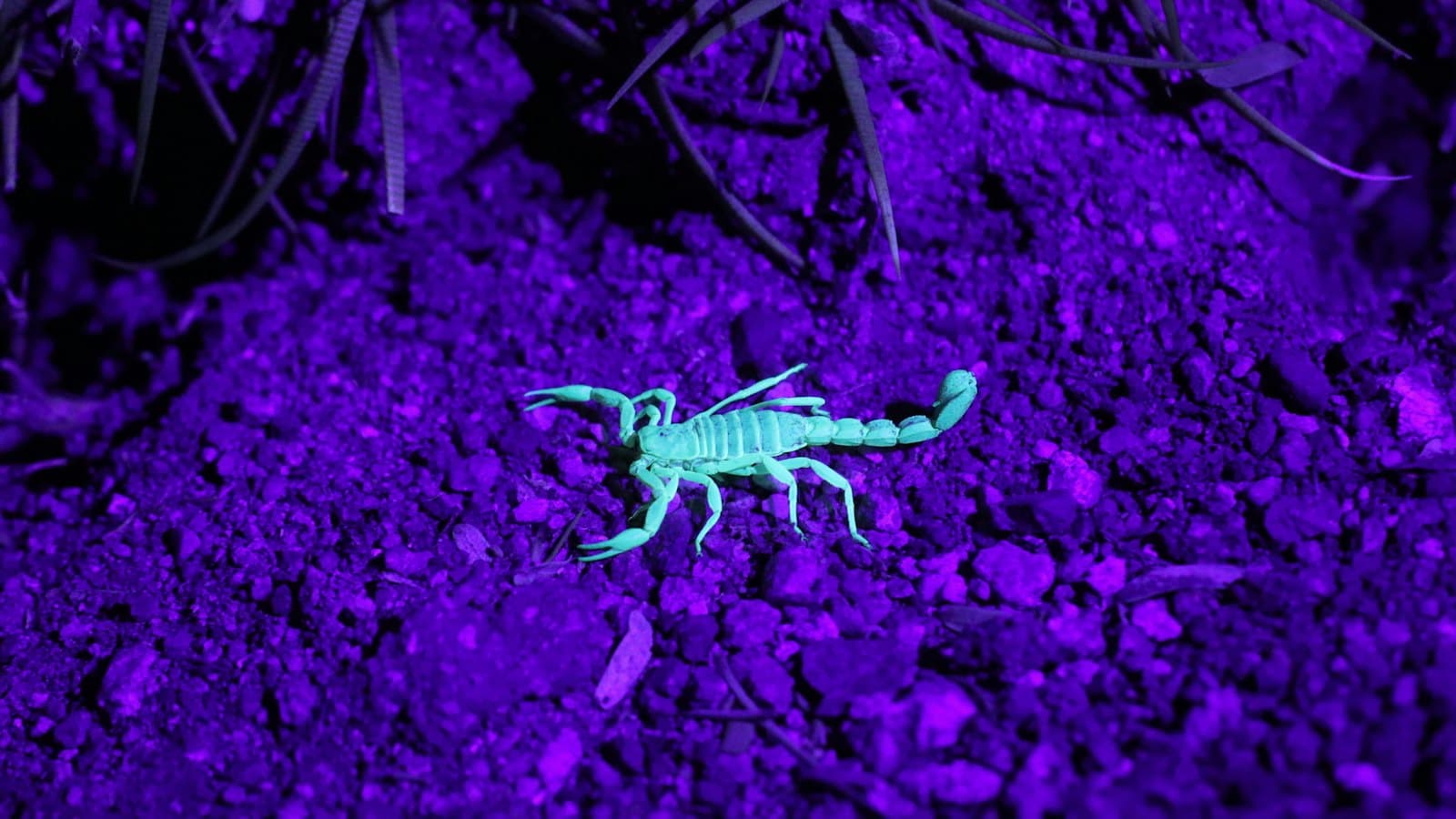
Southern Utah is bark scorpion country. Most stings are painful rather than life-threatening, but repeat sightings mean the house is giving them a reason to stay.
Read article Insects
In southern Utah the seasons look different: a long hot summer, a monsoon flush, and a mild winter. Here's how each one changes the insect pressure around your home.
Read article Insects
A lot of popular pest advice oversimplifies how insects actually behave in the desert. Here are the myths St. George homeowners should stop relying on.
Read article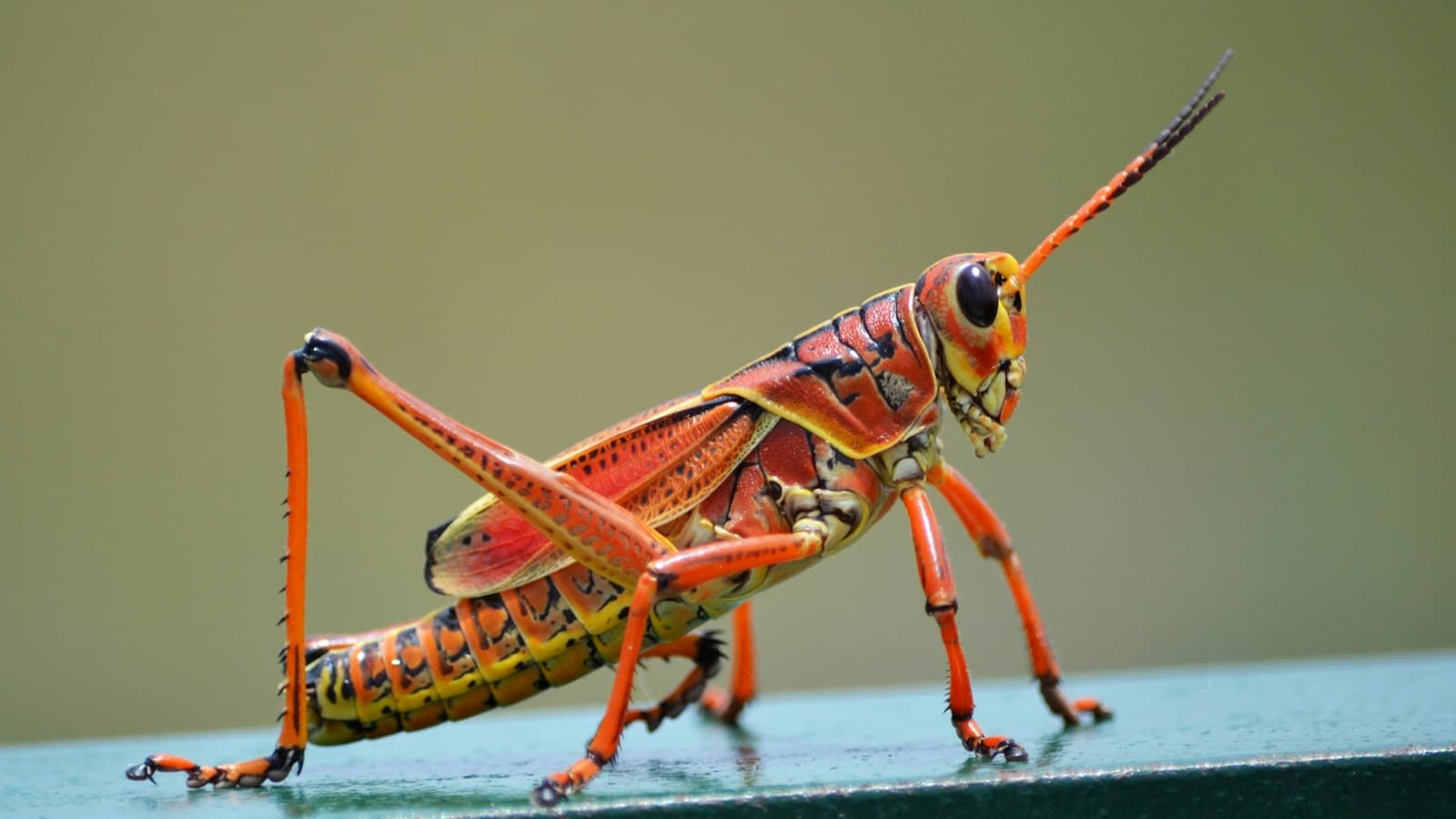 Insects
A field guide to the bugs that actually turn up in southern Utah homes, and the time of year each one tends to arrive.
Read article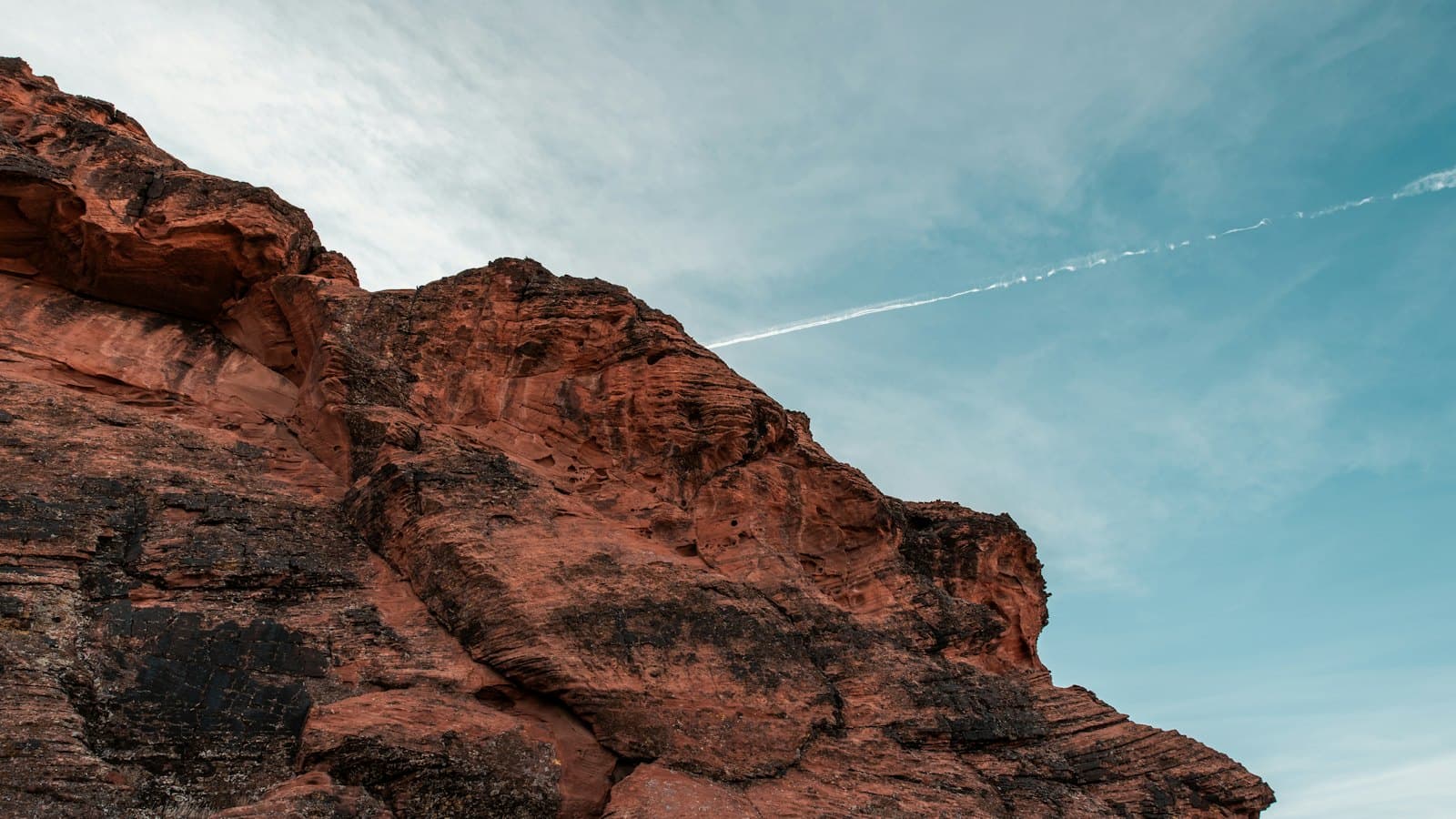 Insects
Summer heat does not slow insects down here. It steers them toward the coolest, dampest place around, and that is usually your house.
Read article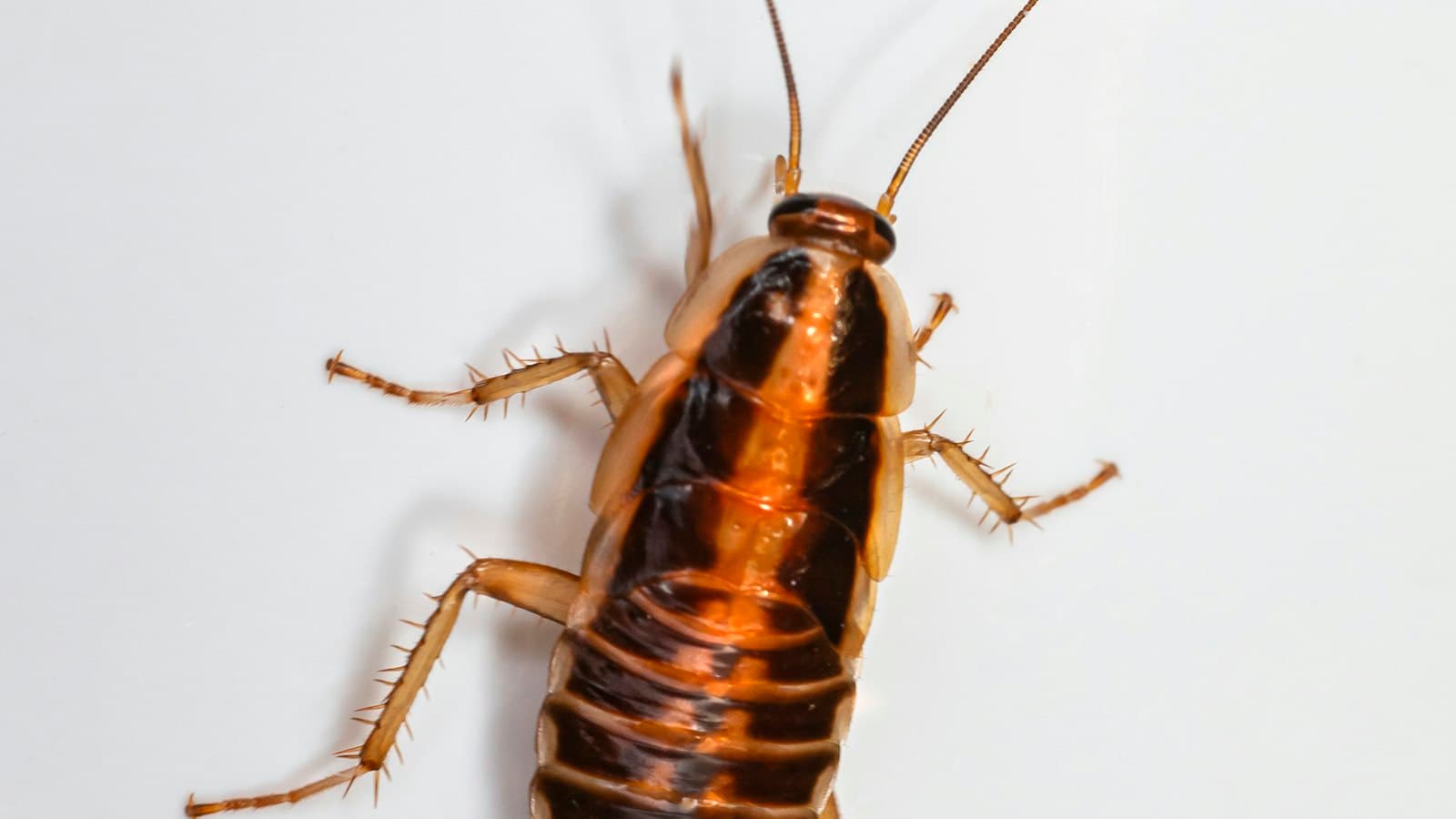 Cockroaches
 don't wander in by accident. Kitchens and bathrooms offer water, food, warmth, and hidden pathways all in one room. Here's what attracts them and how to stop it.
Read articleStill curious about something? Call us any time, we're happy to talk it through, no pressure.
For most healthy adults, a sting is very painful but not life-threatening. Young children, older adults, and people with health conditions can have stronger reactions and should get medical advice after a sting. Call Poison Control or seek care if symptoms are more than local pain. Knowing they're around and reducing them near the house is the practical step.
Seal the gaps they use: door sweeps, weather stripping, weep screed gaps at the bottom of stucco, and openings around pipes. Move rock, woodpiles, and debris away from the foundation. Shake out shoes and check bedding, and pull beds slightly away from walls. Regular perimeter treatment and reducing the insects they eat do the rest.
Monsoon rain from July through September triggers a burst of insect activity, and crickets are one of the most visible. They head for shelter and light, so they gather around garages, doors, and porch lights. Swapping to yellow or warm bulbs, sealing garage door gaps, and keeping a perimeter treatment in place all help, and fewer crickets also means less food for scorpions.
Usually from outside. Turkestan and American cockroaches live in block walls, sewers, and irrigation boxes, and come in through drains, doors, and garages, especially in hot weather. German cockroaches are different: they live indoors, usually in kitchens, and arrive in boxes or used appliances. Knowing which one you have decides the treatment.
General insect control, including scorpions, is the core of the recurring plans rather than a separate charge. In Hurricane, a plan mostly buys consistency: the rock borders, wall caps, and door gaps get treated on schedule through scorpion season. Most Hurricane homes sit on one of our monthly plans: Pest Control at $65/mo (quarterly service), Pest + Weed at $125/mo (bi-monthly service), or White Glove at $599/mo (by appointment only). Larger properties or heavy infestations can run higher, and we'll quote that up front after a free inspection.
Every visit covers: perimeter, foundation, and block wall treatment; targeted treatment of cracks and hiding spots; sealing of entry points around doors and weep gaps; timing built around heat, monsoon, and cool-season surges. What changes by address is the weighting. Sky Mountain & the bench and Old-town Hurricane are two different jobs, so the technician decides on site where the time is best spent rather than running the same checklist everywhere.

Tell us what’s bugging you and we’ll get back to you fast with a free quote, usually the same day.