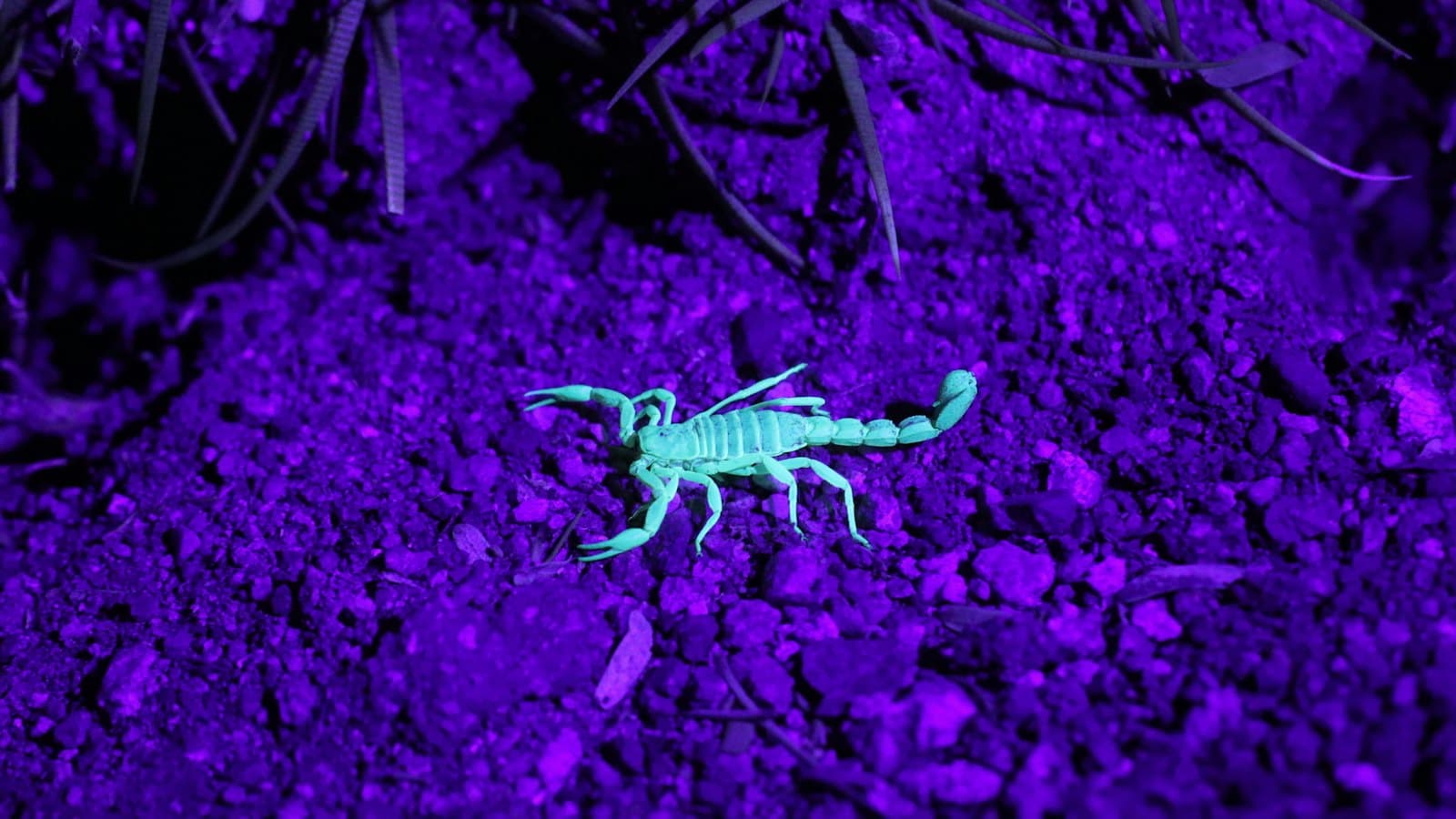
Finding a scorpion on the bathroom floor or curled inside a shoe is a rite of passage for a lot of new St. George residents. It is also a reasonable thing to take seriously. Washington County sits at the northern edge of the Arizona bark scorpion's range, and that species behaves differently from the bulky desert scorpions most people picture.
Which Scorpions Live Around St. George
Two scorpions account for most of what homeowners in southern Utah run into.
The Arizona bark scorpion is small, slender, and tan to straw-colored, usually two to three inches long with thin pincers and a skinny tail. It is the one species in the region whose venom is considered medically significant. It is also a climber, which is why it turns up on walls, ceilings, and inside light fixtures rather than only on the floor.
The desert hairy scorpion is much larger, often four inches or more, with a darker back and fine hairs on the tail. It looks far more frightening and is far less of a concern. Its sting is generally compared to a bee sting.
Both are drawn to the same things:
- Shaded, tight spaces to wait out the daytime heat
- Insects to hunt once the sun goes down
- Cracks and voids in rock, block, and stucco that stay a few degrees cooler
- Undisturbed clutter along the base of the house
What A Sting Actually Involves
A bark scorpion sting typically causes sharp, burning pain followed by numbness or tingling that can spread beyond the sting site and last for hours. For most healthy adults it is miserable but manageable.
Young children, older adults, and anyone with heart or breathing conditions are at greater risk. Symptoms such as unusual eye movements, drooling, trouble swallowing, muscle twitching, or difficulty breathing call for immediate medical care. When in doubt, call Poison Control or head to urgent care rather than waiting it out.
Stings almost always come from accidental contact. A scorpion sheltering in a folded towel, a glove left on the patio, or a boot in the garage is not hunting anyone. It is pinned against skin and reacting.
Why Scorpions Indoors Signal Something Else
Scorpions eat insects, and they go where the insects are. A home that keeps producing scorpions is almost always a home with a steady supply of crickets, cockroaches, silverfish, or other prey somewhere nearby.
Entry is the other half of the problem. A bark scorpion can slip through a gap about the thickness of a credit card. The usual routes are:
- Worn weatherstripping under entry and garage doors
- Unsealed openings where plumbing, cable, and irrigation lines enter
- Weep screeds and cracks at the bottom of stucco walls
- Roof tiles, attic vents, and gaps at the roofline, which bark scorpions reach by climbing
Conditions That Invite Them In
The Mojave setting does most of the work. Summer heat sends scorpions searching for cooler, damper shelter, and a watered yard next to a shaded wall is exactly that.
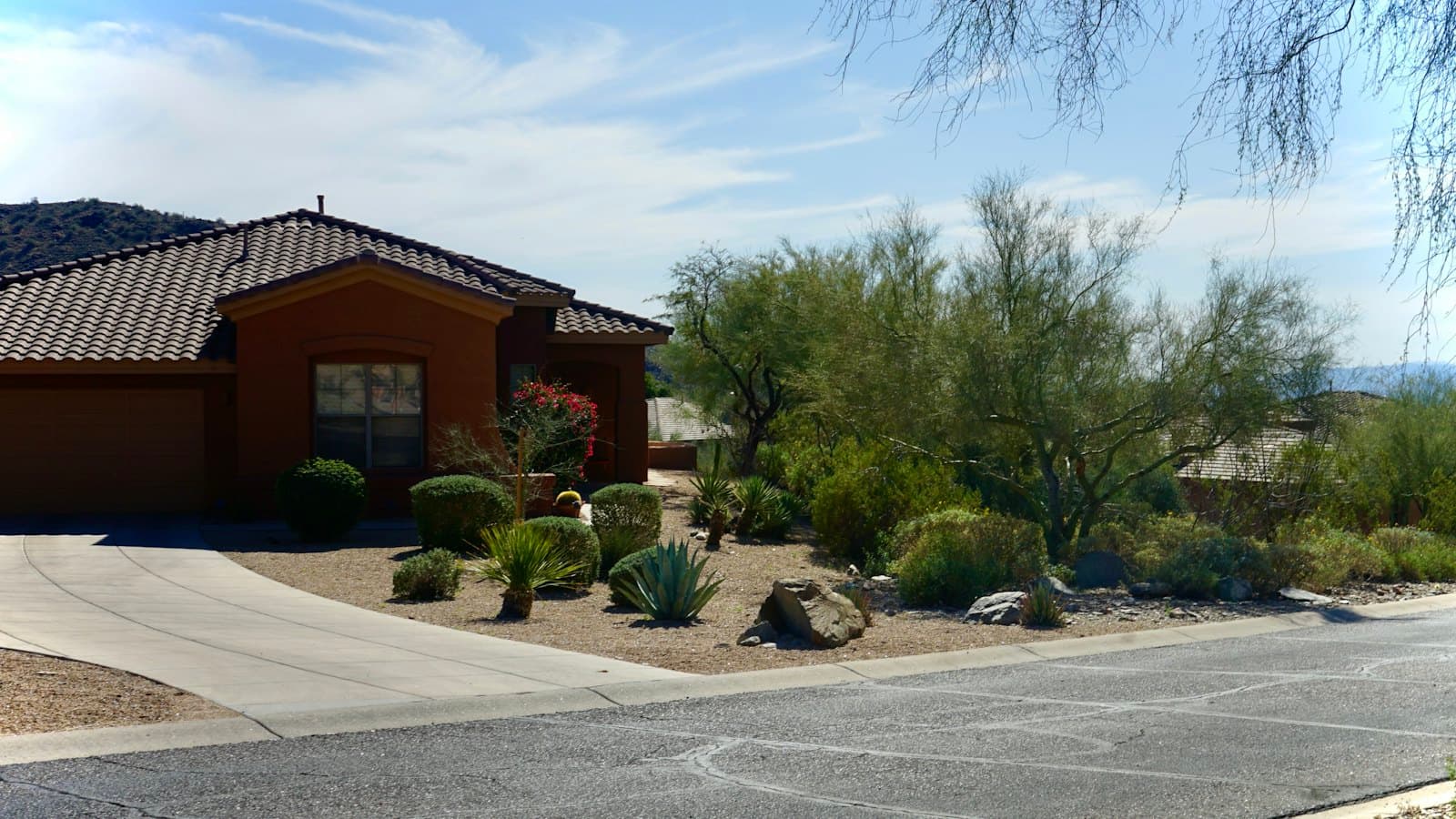
Common St. George landscaping makes it easy for them. Decorative lava rock, river rock, block walls between yards, stacked pavers, and boulders all hold the narrow, stable cracks scorpions favor. Palm skirts, woodpiles, and storage bins along the side yard add more.
Small changes make a measurable difference:
- Pull rock and gravel back from the foundation so there is a clean band against the wall
- Fix drip emitters and sprinkler heads that keep the base of the house damp
- Trim shrubs and vines away from walls and the roofline
- Keep firewood, pavers, and lumber stacked off the ground and away from the house
- Shake out shoes, gloves, and towels left in the garage or outside
Why Store-Bought Treatment Falls Short
Scorpions are tough. They tolerate many common insecticides, can go a long time without eating, and spend most of the day inside walls and rock voids where a surface spray never lands.
Spraying the scorpions you happen to see also leaves the prey population and the entry gaps untouched. That is why so many homeowners describe the same cycle: a few quiet weeks, then another one on the kitchen wall.
Lasting results come from working the whole system: reducing the insects that feed them, sealing the openings they use, treating the cracks and voids where they actually rest, and changing the yard conditions that make the house the best shelter on the street.
When To Call
Seeing one scorpion during a heat wave is not unusual in southern Utah. A pattern is. Multiple sightings in a week, scorpions in bedrooms or on ceilings, or any sighting in a home with toddlers or pets is a good reason to bring in help.
If scorpions are becoming regular visitors at your St. George area home, contact Butter Pest Control for a free inspection. We will find out what is feeding them, where they are getting in, and what it will take to keep them outside.
Dealing with this pest at your place?
Butter serves St. George and southern Utah with free inspections and a re-treatment guarantee. Get an honest quote, no pressure.
Aspen Chournos
Aspen Chournos writes about desert pest pressure and prevention for homes and businesses across St. George and southern Utah.