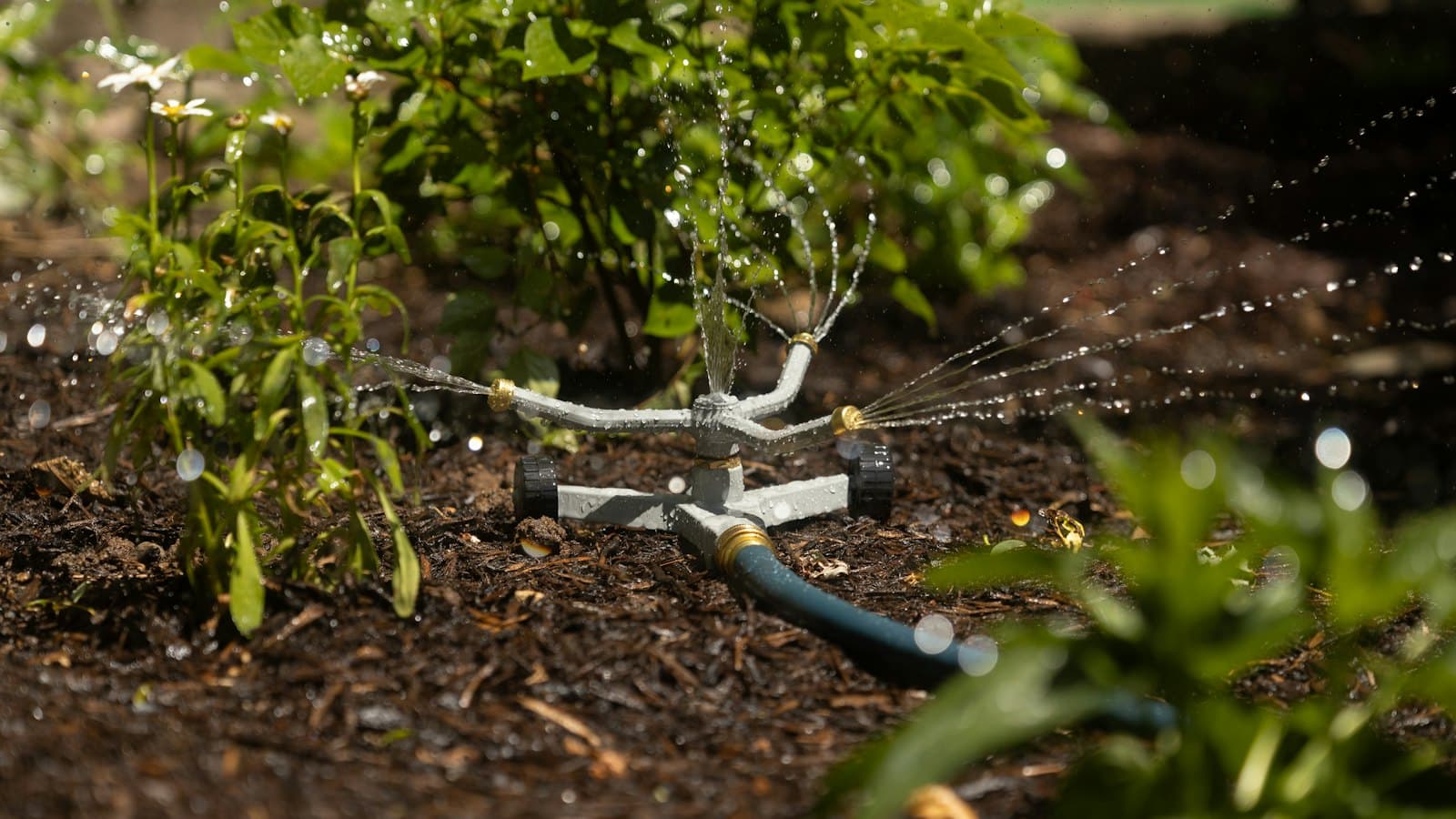
Irrigation is what keeps lawns, trees, shrubs, and garden beds alive through a St. George summer, but it also changes the pest picture around a home. Water softens the soil, cools shady spots, feeds plant growth, and leaves damp pockets where ants, rodents, spiders, scorpions, wasps, mosquitoes, termites, and weeds can thrive.
Watering isn't the enemy. Landscapes need it, especially in the Mojave Desert, where summer highs regularly top 100 degrees. The issue is how the water is applied, where it ends up, and what it supports near the house. When the system runs too often, sprays the stucco, or keeps mulch soggy beside the foundation, pests gain shelter, moisture, and food. That's why summer pest control has to look at the landscape as well as the structure.
Water Changes How Pests Use A Yard
Pests go where the resources are. In the desert, a watered yard stands out like an oasis against the surrounding heat. Ants trail toward damp soil and planters. Spiders and scorpions follow the insects that gather there. Rodents use thick plantings, weeds, and watered edges as covered travel lanes. Wasps hunt around patios where insects, water, and shade come together.
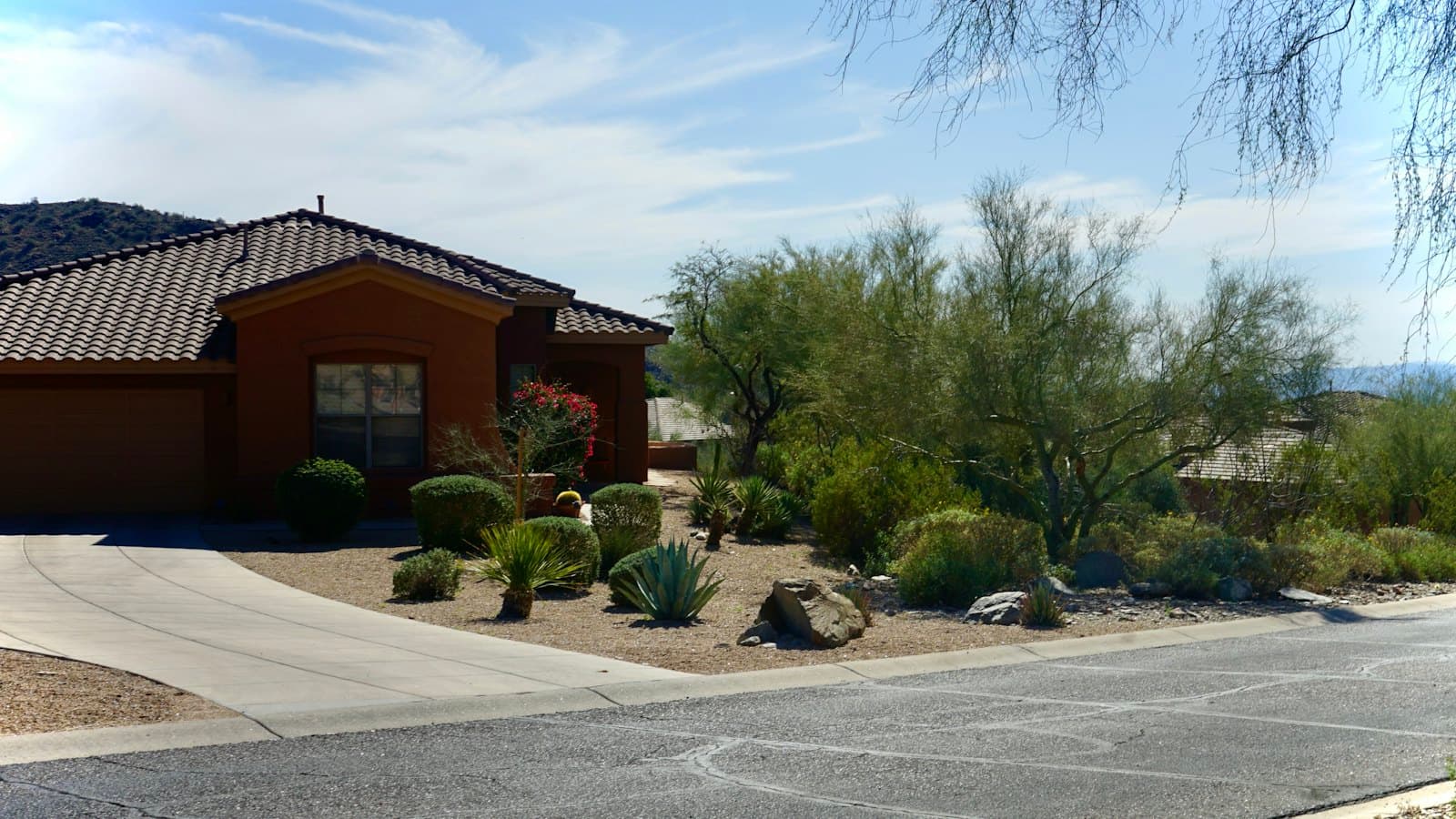
Local knowledge matters here because southern Utah's heat, wind, sandy and clay soils, and watering schedules affect pest movement in ways that differ from cooler, wetter regions. That's one reason homeowners often benefit from local pest help when summer activity won't let up.
- Moisture: Wet soil, overwatered beds, and leaking drip lines attract insects and give pests a reason to move in.
- Shelter: Dense shrubs, tall weeds, and thick ground cover offer cooler hiding places.
- Food: Irrigated landscapes support more insects, which pulls in spiders, scorpions, and wasps.
- Access: Damp areas beside the foundation guide ants, insects, and rodents toward openings in the structure.
Irrigation Can Feed Mosquitoes And Other Insects
Mosquitoes need standing water, and irrigation can create it without anyone noticing. Water settles in low spots, plant saucers, buckets, drains, tarps, toys, and uneven pavers. In summer heat, even a small amount can produce mosquitoes quickly. Overspray and runoff can leave hidden pockets that stay wet long after the system shuts off, and summer monsoon storms add even more.
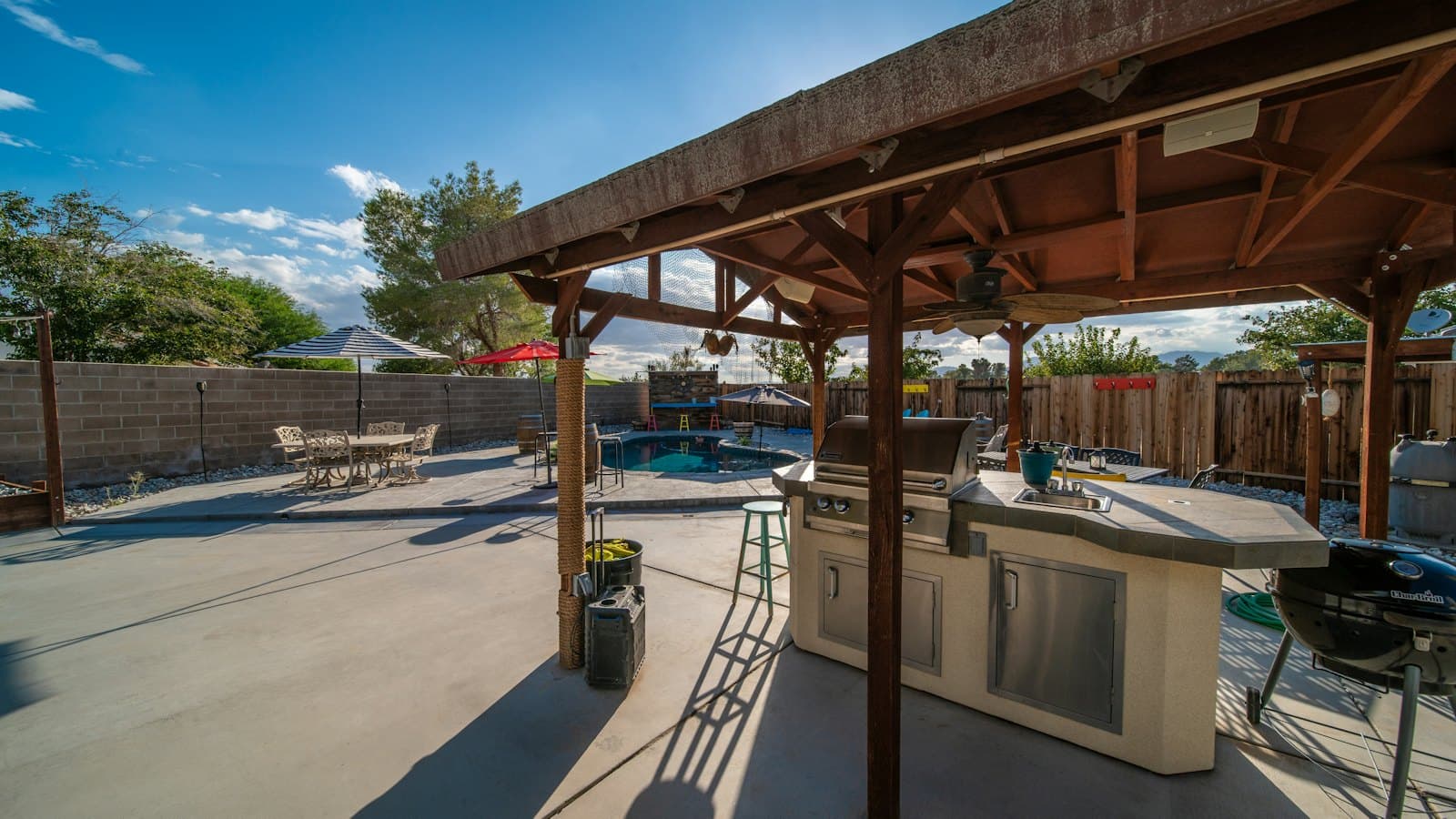
General insect activity tends to rise around damp lawns and shady beds too. Insects collect near lights, patio doors, garages, and seating areas, especially when moisture and plant growth are close by. More insects bring more spiders and scorpions, and wasps hunt around watered areas, making patios and walkways less pleasant.
- Runoff: Water running across patios, driveways, or low ground leaves small pools where mosquitoes can breed.
- Overspray: Sprinklers that hit walls, block fences, doors, and windows keep entry points damp.
- Debris: Wet leaves, grass clippings, and organic buildup give insects a place to hide.
- Lighting: Exterior lights near damp areas draw insects and the predators that feed on them.
Weeds And Dense Growth Give Pests Cover
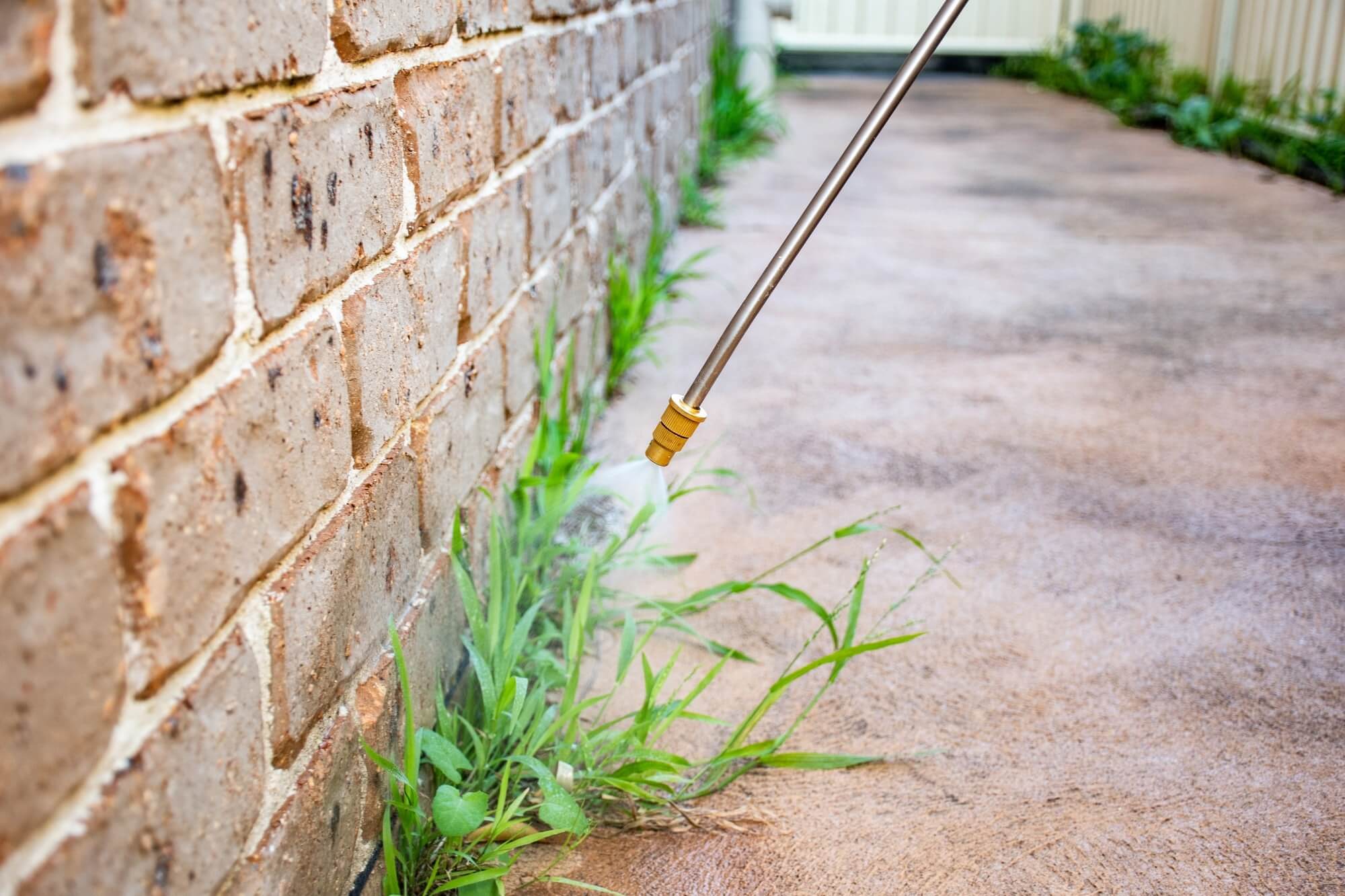
Irrigation feeds the plants you want and the ones you don't. Weeds along block walls, foundations, gravel beds, and unused corners give pests cover. Rodents travel through them unseen. Insects shelter beneath thick growth. Spiders build where insect traffic is steady, and ants use the protected soil edges for their trails.
Summer growth can hide a problem until it's obvious. Valve boxes, drip manifolds, sheds, planters, and the edges of the garage deserve attention because they combine moisture, shade, and little disturbance. A methodical inspection uncovers these conditions before pests move inside, and checking those tucked-away spots is a big part of prevention.
- Weeds: Unchecked growth gives rodents, insects, and spiders covered pathways.
- Mulch: Bark or wet mulch piled against the house holds moisture at the foundation, which subterranean termites look for.
- Storage: Pots, hoses, tools, and yard items trap moisture underneath.
- Edges: Block-wall lines, garage corners, and utility areas often hide early activity.
Smart Watering Supports Long-Term Prevention
Irrigation and pest control work best when the property is managed as a whole. The goal isn't to stop watering; it's to water in a way that keeps plants healthy without creating permanent shelter for pests. Water should land on the landscape, not the stucco, doors, or garage. Soil should be allowed to dry between cycles when it makes sense. Low spots, broken heads, clogged drains, and leaking emitters should be fixed before they become constant moisture sources.
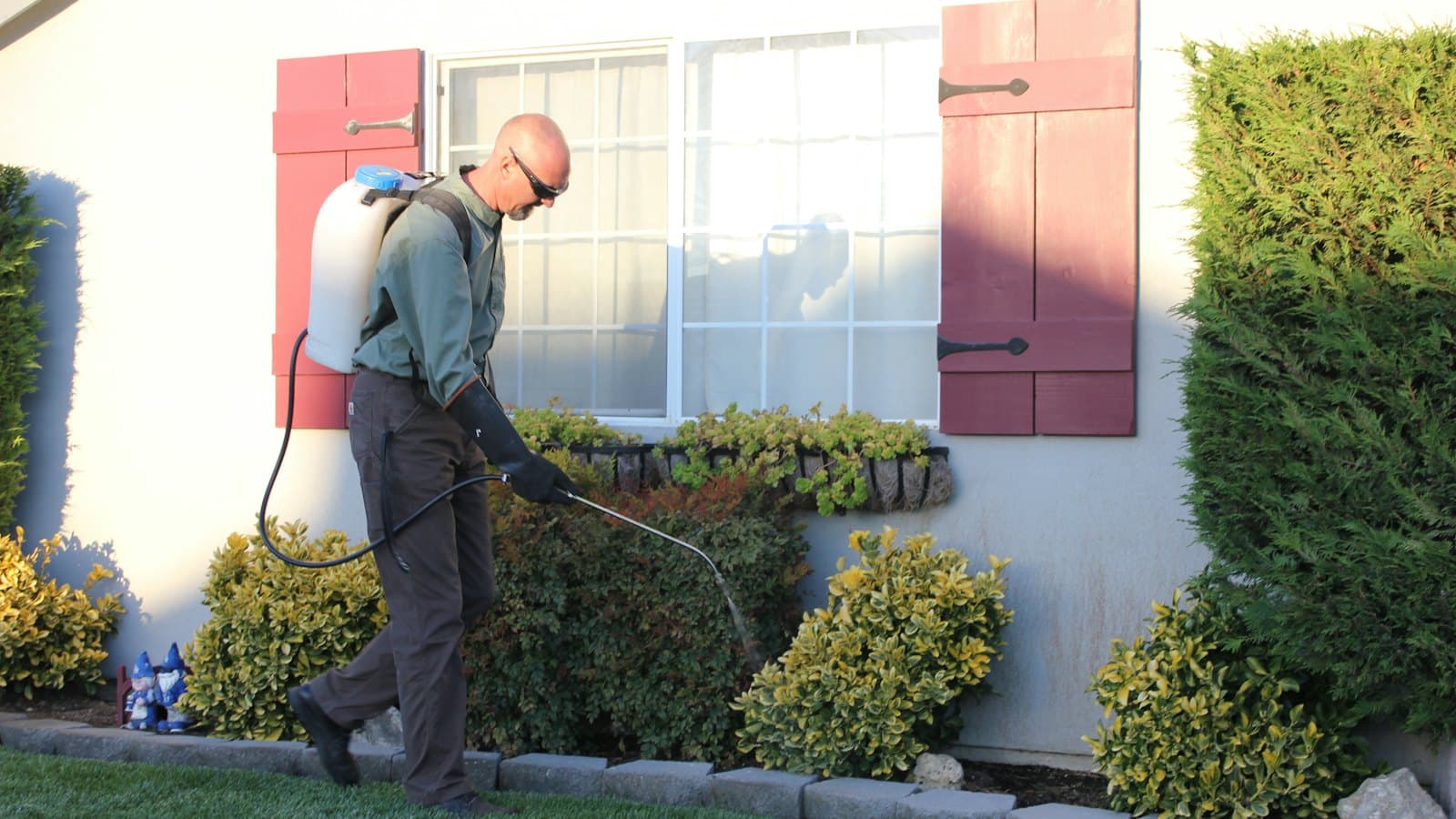
Professional inspections add another layer, because a trained technician can tie pest sightings back to what's happening outside. Ant trails, spider and scorpion activity, wasp traffic, rodent signs, mosquito problems, and weed growth often trace back to patterns in water, shade, storage, and access.
The takeaway for homeowners is straightforward: water with purpose, not excess. When irrigation is aimed carefully and pest activity is watched early, the home is far better protected from repeat problems.
Dealing with this pest at your place?
Butter serves St. George and southern Utah with free inspections and a re-treatment guarantee. Get an honest quote, no pressure.
Aspen Chournos
Aspen Chournos writes about desert pest pressure and prevention for homes and businesses across St. George and southern Utah.