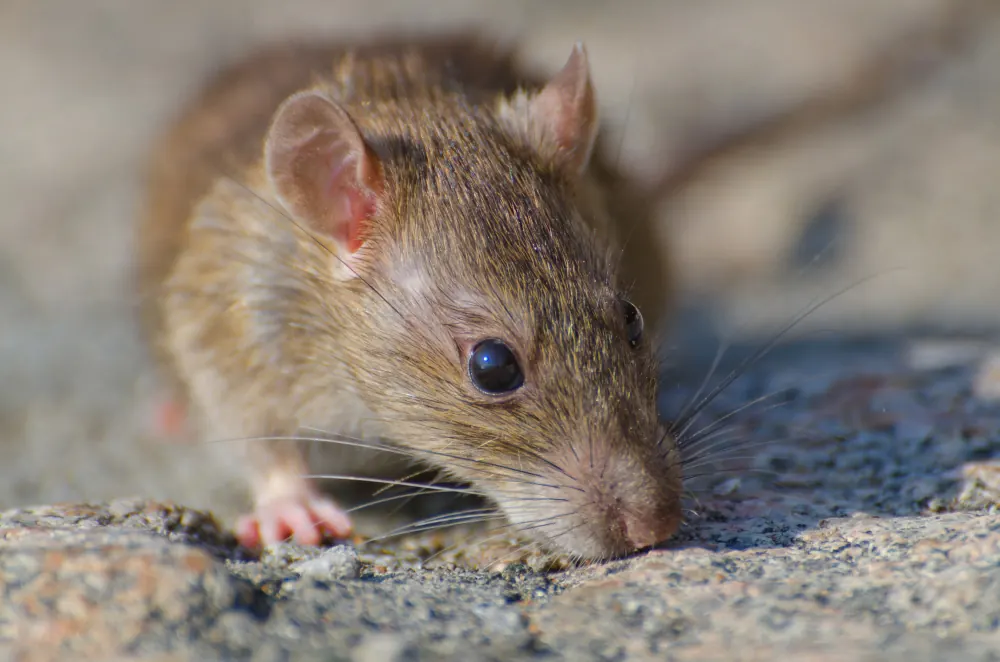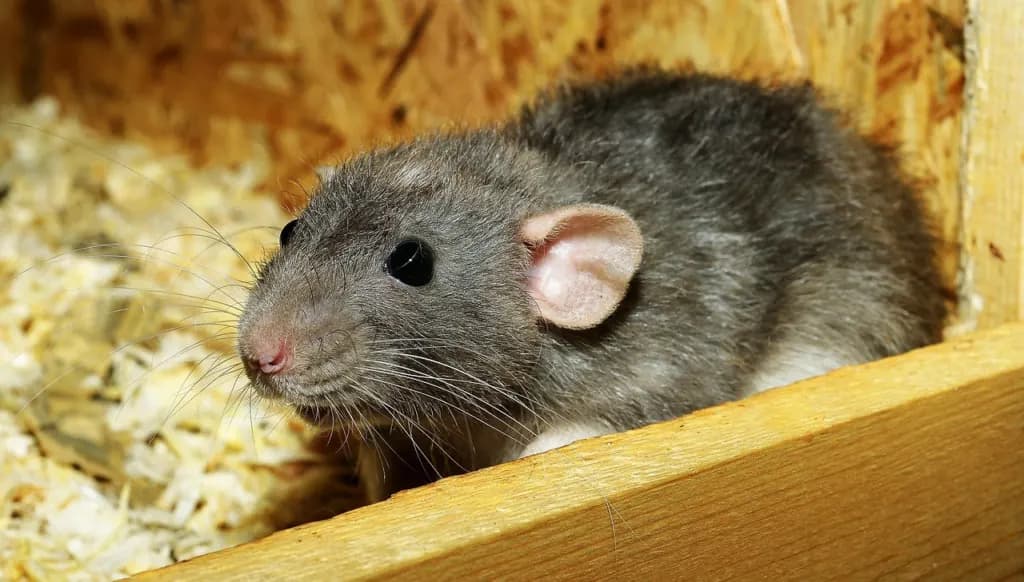

Rodents are some of the most common uninvited guests in a home, slipping in to find food, water, and a protected place to nest. Once inside, they can damage property and create health risks by contaminating food and surfaces. Recognizing the early signs of rodent activity gives homeowners a chance to act before a small intrusion becomes a full infestation.
Knowing how rodents behave, where they tend to hide, and what they leave behind is the key to keeping a home safe. Catching those clues early helps prevent damage, protects stored food and belongings, and keeps the house cleaner and healthier.
Common Clues of Rodent Presence
Rodents leave plenty of evidence before anyone sees one. They're mostly active at night, so the activity itself happens out of view, but the signs build up quickly in the places they travel.
The most common indicators of rodents in a home or business:
- Droppings: Small, dark pellets near food, along baseboards, or behind appliances. Fresh ones look moist and shiny; older ones are dry and dull.
- Gnaw marks: Rodents chew constantly to keep their teeth worn down, leaving marks on packaging, wood, plastic, and wiring.
- Nesting material: Shredded paper, fabric, insulation, or dried plant material piled in a hidden corner or box.
- Rub marks: Dark, greasy smudges along walls and entry points where rodents brush past repeatedly.
- Noises: Scratching or scurrying in walls, ceilings, or the attic, usually at night.
Rodents reuse the same routes, so finding several of these signs clustered in one area is a strong indication of an active problem.
Areas Where Rodents Typically Hide
Rodents look for quiet spaces where they can stay hidden during the day and reach food at night. The longer those areas go unchecked, the more likely a problem gets established.
Common hiding and nesting spots indoors:
- Kitchens and pantries: Grains, cereal, pet food, and crumbs are all attractive.
- Garages: Stored pet food, bird seed, boxes, and clutter make garages a frequent starting point in southern Utah homes.
- Attics and wall voids: Insulation makes good nesting material, and these spaces are rarely disturbed.
- Storage rooms and closets: Cardboard boxes and stacked items provide cover.
- Utility areas: Water heater closets, laundry rooms, and the space under sinks offer warmth and moisture.
Rodents climb well, so attics, roof tiles, and vents are common entry routes. In the desert, pack rats also move into vehicles, HVAC units, and sheds before working their way closer to the house.
Early Damage and Contamination Signs
Rodents are destructive by habit. They chew to collect nesting material and to keep their teeth in check, and even a few can cause visible damage within weeks. Spotting the early damage helps limit how far it goes.
Watch for:
- Chewed packaging: Small holes or tears in bags, boxes, and containers.
- Damaged wiring: Chewed cords and wires in the attic, garage, or a parked car, which can create fire risk and costly repairs.
- Disturbed insulation: Tunnels or matted areas in attic insulation.
- Stains and smudges: Rub marks, droppings, and urine stains along baseboards and corners.
- Shredded fabrics: Chewed cushions, stored clothing, or rugs.
Beyond the damage, rodents can carry pathogens like salmonella, and deer mice in Utah can carry hantavirus, so contaminated areas should be cleaned carefully and not swept or vacuumed dry. Good sanitation reduces what they can eat, but sealing them out is what provides long-term control.
Why DIY Methods Often Fail
Many people start with traps or a repellent from the store. Those tend to address what's visible without touching the source. Rodents are cautious and quick to learn, and they'll avoid badly placed traps or rebound after a partial cleanup.
Why DIY efforts commonly fall short:
- Missed entry points: Without a thorough inspection, the gaps they're using stay open.
- Fast breeding: A few survivors can rebuild the population within weeks.
- Hard-to-reach areas: Nests are often in walls, attics, or under roof tiles where typical tools can't reach.
- Safety concerns: Handling baits and cleaning up droppings incorrectly can put people and pets at risk.
An effective approach combines exclusion, sanitation, and monitoring. Professional technicians use tools like inspection cameras and tracking powder to locate nests and travel routes, and then build a plan that removes rodents and keeps them out.
Preventing Future Rodent Infestations
Once rodents are gone, routine prevention keeps new ones from moving in. Rodents are opportunists and will return if the home stays accessible or inviting.
Ways to lower the risk:
- Close gaps: Check the roofline, tiles, vents, garage door seals, and utility penetrations. Seal anything larger than about a quarter inch.
- Store food properly: Keep dry goods and pet food in sealed containers and clean up spills right away.
- Keep the yard tidy: Trim plants back from the house, pick up fallen fruit, and remove debris piles that offer shelter.
- Cut clutter: Organize storage areas and garages so there's less cover.
- Schedule inspections: A professional can catch new entry points early, before rodents get settled.
Regular monitoring matters in southern Utah, where rodents move between desert, yards, and structures throughout the year and push toward homes as fall evenings cool. A clean, well-sealed home is the foundation of good rodent control.
Stay Ahead of Rodent Problems
Rodent problems grow quickly when the early signs are ignored. Spotting droppings, chew marks, and nesting material early means you can act before the damage adds up. For a thorough inspection and dependable rodent control, contact Butter Pest Control.
Dealing with this pest at your place?
Butter serves St. George and southern Utah with free inspections and a re-treatment guarantee. Get an honest quote, no pressure.
Aspen Chournos
Aspen Chournos writes about desert pest pressure and prevention for homes and businesses across St. George and southern Utah.