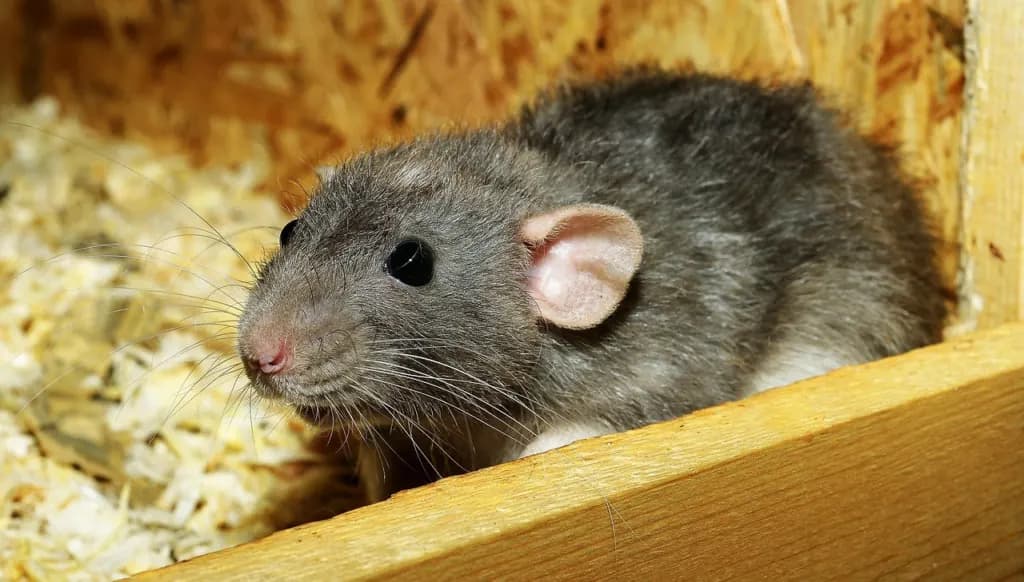
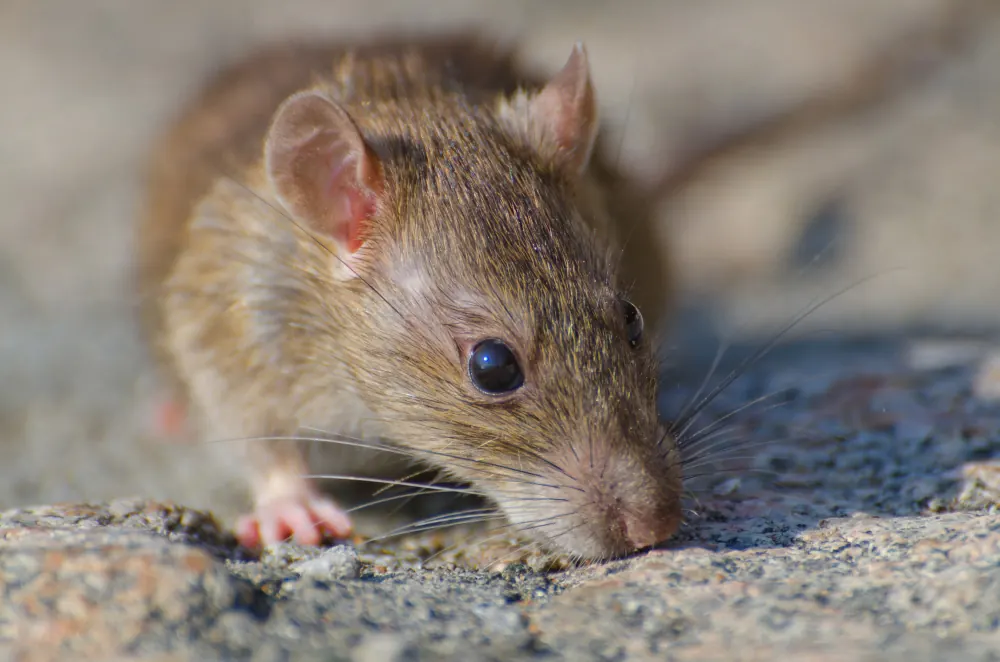
Sheds rarely get much attention when people think about rodents, which is a shame, because a shed is often where a population gets established long before anything shows up in the house.
From a rodent's point of view, a shed is ideal. Nobody goes in for weeks, it is packed with hiding spots, it is usually not sealed well, it often holds birdseed or pet food, and it sits a short trip from the house.
Why Fall Matters
Rodents change their habits as the nights cool. Through the summer they live and breed outside. As temperatures drop, they start looking for enclosed shelter with food nearby.
In St. George, that shift usually happens from October into December, when nights finally turn chilly. A shed sealed in early fall stays empty. A shed sealed in January may already have tenants locked inside.
The order matters: inspect, remove anything already living there, then seal. Sealing first traps them in.
Start By Emptying It
You cannot inspect or seal a shed that is packed full. This is the step people skip, and it is the step that makes everything else work.
Pull everything out. As you go, look for:
- Droppings, especially in corners and along the walls
- Shredded paper, fabric, or insulation balled into nests
- Piles of sticks, cactus pieces, and debris, the trademark of pack rats
- Chew marks on stored items and on the shed itself
- Dark, greasy smudges along walls and shelves where rodents travel
- Chewed packaging on anything edible
Keep in mind that sheds are also favorite spots for black widows and scorpions, so wear gloves and move items carefully.
An empty shed also lets you spot daylight coming through gaps, which is the fastest way to find entry points.
Seal The Structure
Sheds tend to fail in the same places.
Where the floor meets the walls. The most common way into a wood shed, especially if the floor has shifted or the bottom plate has weathered. Check the full perimeter from inside.
Underneath. Sheds set on blocks or skids have an open space underneath that rodents love. Wrapping the base with hardware cloth buried a few inches into the soil closes it off.
Door gaps. Shed doors are almost never tight. Add a sweep and check the sides and top. If you can see light, a rodent can get through.
Vents and windows. Cover them with quarter-inch hardware cloth or finer. Regular window screen will not survive chewing.
Corners and seams. Panel joints, especially on metal and resin kit sheds, often leave gaps. Desert heat warps resin panels over time, opening gaps that were not there when the shed was new.
Utility openings. Any electrical line or water line coming in.
Roofline and gable ends. Especially on peaked roofs where the roof panels meet the walls.
Materials that hold up: hardware cloth, copper mesh or stainless steel wool packed into gaps, sheet metal over chewed edges, and sealant on top. Spray foam alone will not hold, because rodents chew right through it.
Remove What Attracts Them
Sealing helps. Taking away the reason to try helps even more.
Birdseed is the big one. It is the number one rodent draw in a backyard shed, and it is nearly always stored poorly. Move it into a metal can with a tight lid or a heavy-duty sealed bin. A paper bag on a shelf is an open invitation.
Pet food, grass seed, fertilizer, and bulbs all belong in sealed, hard containers for the same reason.
Soft items. Patio cushions, tarps, old clothes, rags, and upholstered items make perfect nesting material. Store them in sealed bins.
Cardboard boxes. They provide both shelter and nesting material. Swap them for plastic bins with locking lids.
Paper and old documents. Same problem.
Reduce Harborage Inside And Out
Inside: get everything off the floor and onto shelves. Leave a gap between stored items and the walls so you can see the perimeter. Do not stack things flat against a wall, since that creates a protected runway.
Outside: clear a strip around the shed. Pull weeds, thick ground cover, stacked materials, and debris away from the walls. Move woodpiles away from the shed, not just the house, and keep them up off the ground. Watch for pack rat nests in nearby prickly pear, brush, and rock piles, which are often the source of the problem.
Plants touching a shed do exactly what they do to a house: they give cover all the way to the opening and hide the gaps from you.
Set Monitors
Once the shed is cleaned out and sealed, put a few snap traps or monitors along the walls, especially in the corners, and check them now and then through fall and winter.
They tell you whether the sealing worked. Catches after sealing mean you missed an opening, which is far better to find out in November than in spring.
Why This Protects The House
A shed with rodents living in it is a reservoir. The population grows there through fall, and when conditions get tougher or they run out of room, they move toward the next best option, which is your house or garage.
Sealing the shed takes away that staging area. It is one of the most effective things you can do to protect the house, and it gets ignored because a shed feels unimportant.
While You Are Out There
The same fall window applies to the house. Roof edges, vent screens, pipe openings, and garage door seals should all be handled now, before the cool nights set in.
If you want the whole property checked, contact Butter Pest Control. We will inspect your sheds and outbuildings along with the house and seal what needs it before winter.
Dealing with this pest at your place?
Butter serves St. George and southern Utah with free inspections and a re-treatment guarantee. Get an honest quote, no pressure.
Aspen Chournos
Aspen Chournos writes about desert pest pressure and prevention for homes and businesses across St. George and southern Utah.