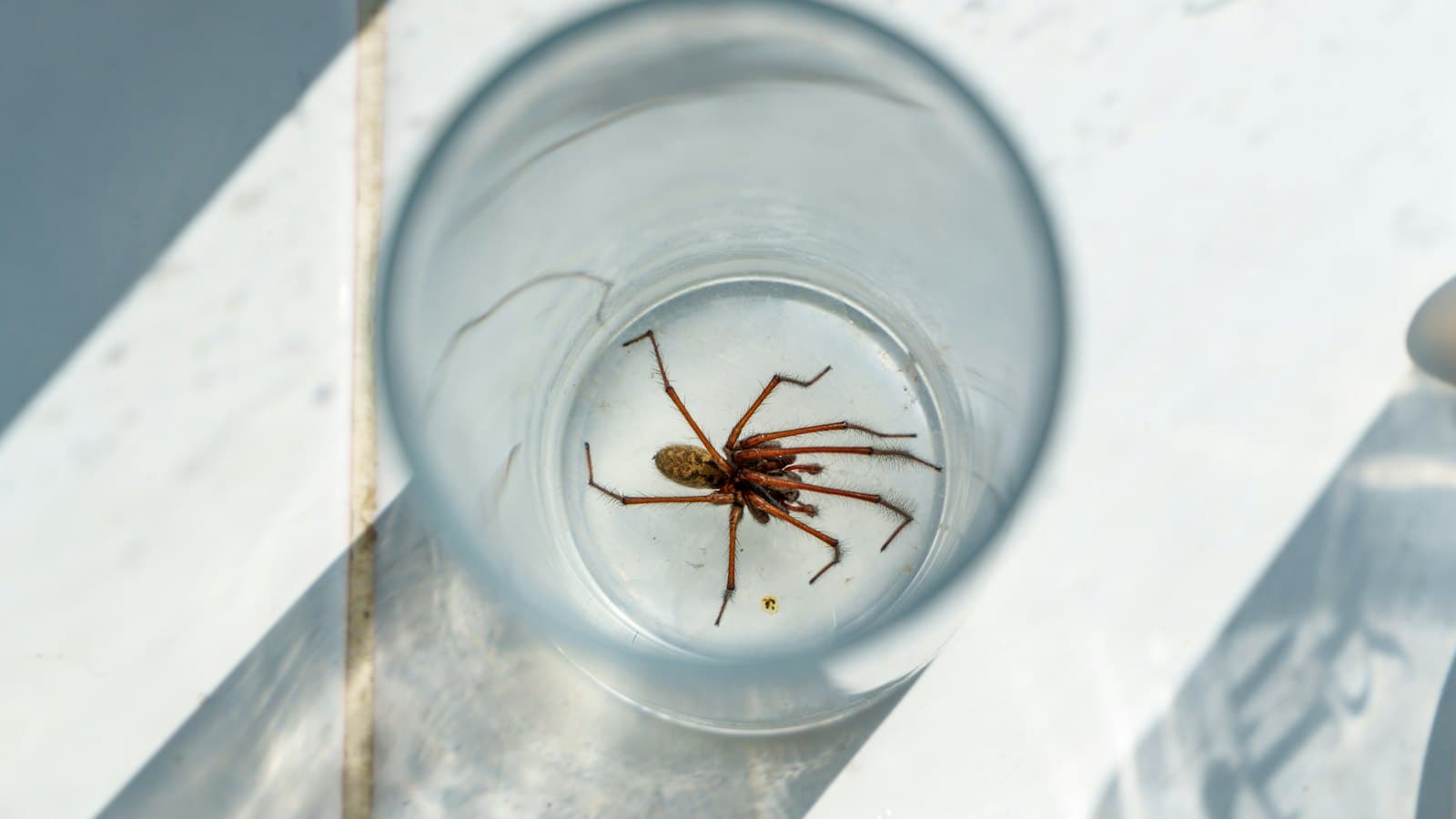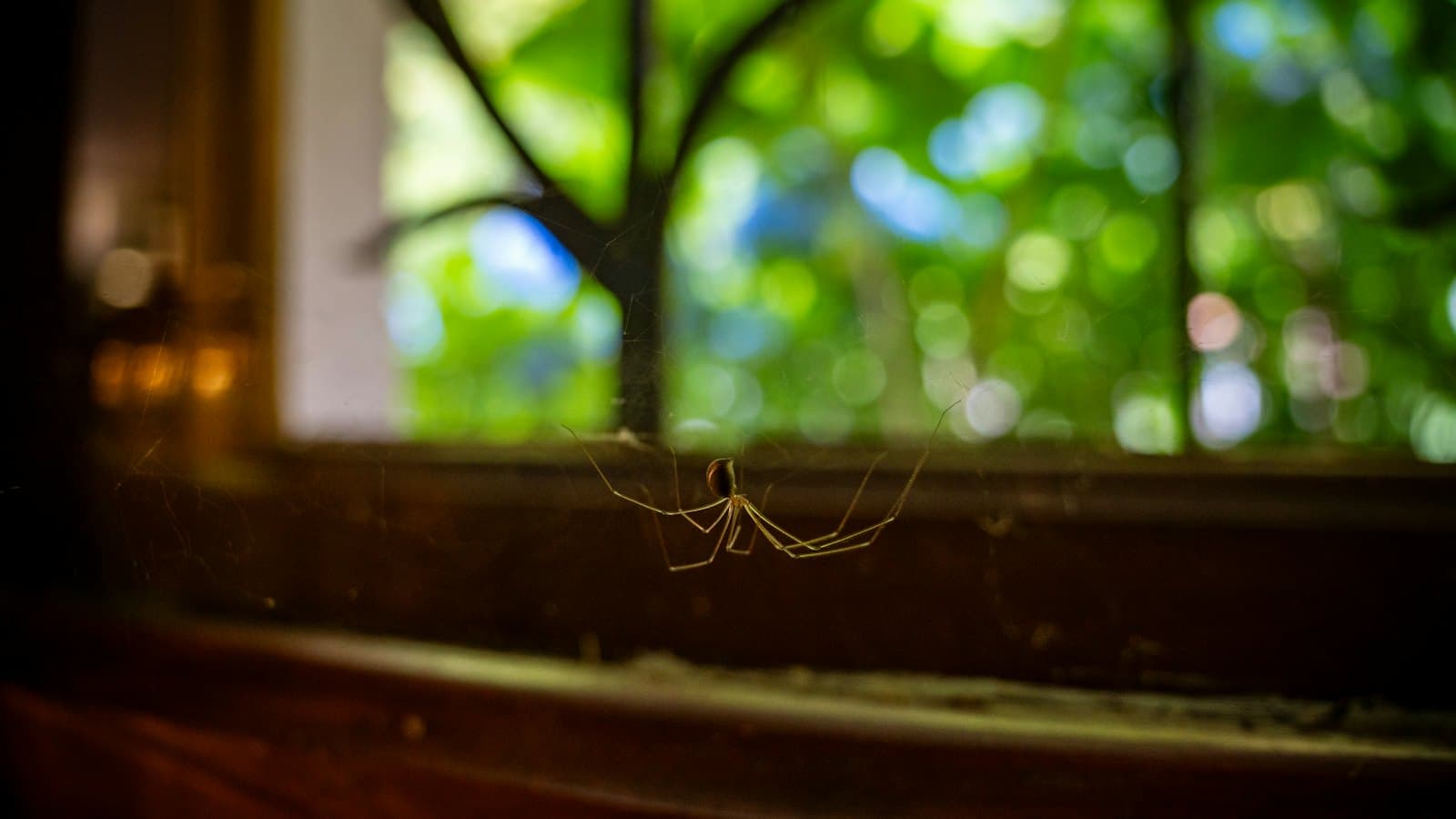
A couple of spiders around the house can actually help keep other bugs in check, but once they start multiplying indoors, it's a different story. Most homeowners don't realize they have a spider problem until it's already well established. Spiders are mostly active at night and like quiet, dark spaces, so an infestation can grow for a while before webs or bites make it obvious.
In St. George's hot, dry climate, spiders move indoors looking for shade, moisture, and the insects that gather around homes. Knowing the early signs can keep a small issue from turning into a large one, and catching it early protects both your home and your peace of mind.
Frequent Webs in Unused Corners
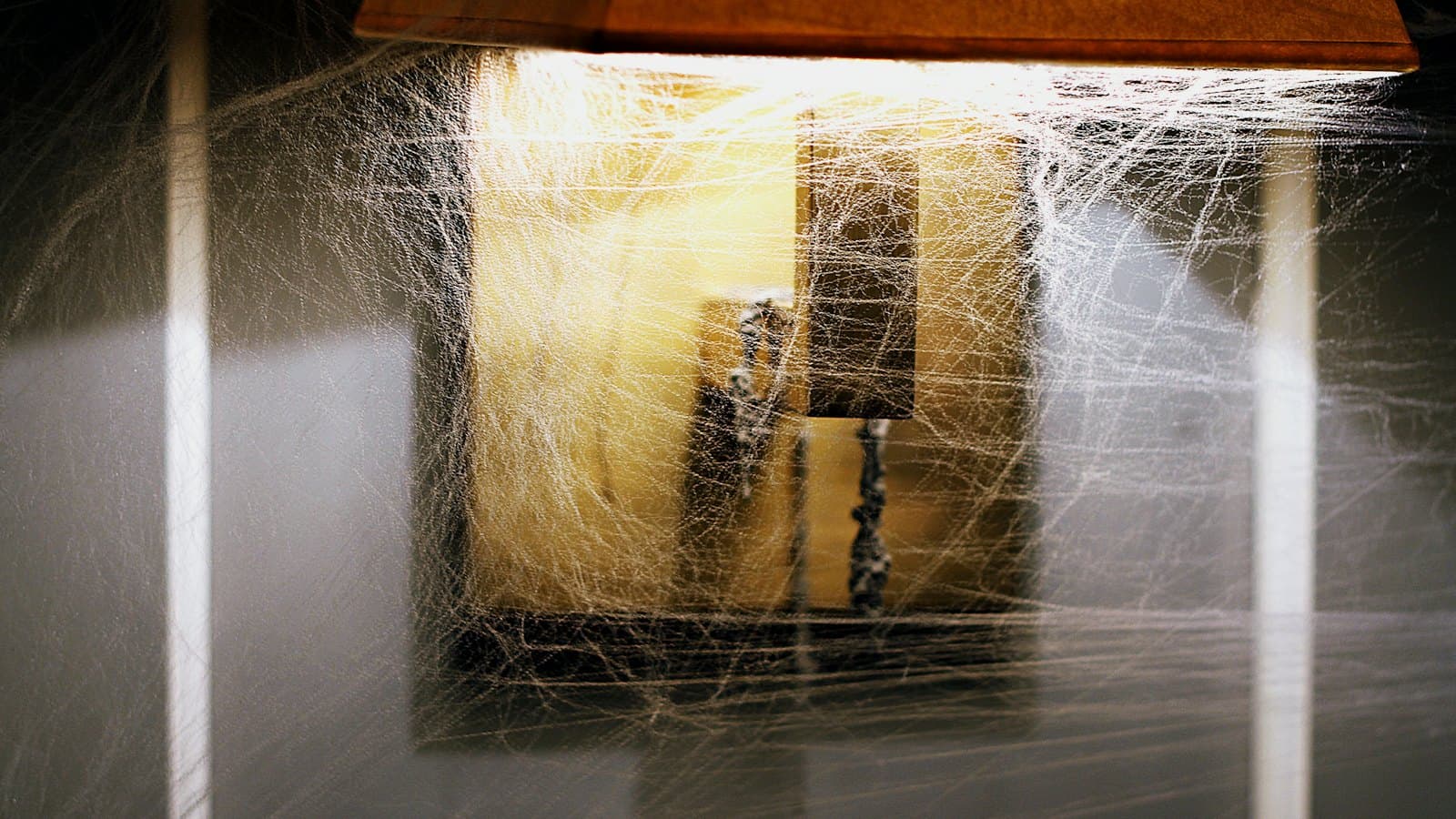
The clearest sign of a growing spider population is webbing that keeps showing up around the house. One web isn't much to worry about. Webs that come back again and again, especially right after you've cleaned, are a warning.
Different spiders build different webs. Black widows and other cobweb spiders spin tangled, messy webs low to the ground, while orb weavers build the classic round webs, often outdoors near lights. Fresh webs appearing day after day in corners, garages, or along ceilings suggest spiders are breeding and settling into your home.
Webs tend to collect in:
- Garages and storage rooms where there's little light or foot traffic.
- Ceiling corners, window frames, and behind furniture where insects gather.
- Exterior light fixtures, block walls, and garage door edges that lead indoors.
Cleaning alone won't fix it. Lots of new webs mean spiders are feeding, reproducing, and spreading into more hiding places.
A Surge in Insect Activity
Spiders go where food is plentiful. If you've been seeing more ants, crickets, flies, or other insects, spiders will follow. They often set up near lights, vents, and windows where insects collect.
Insects that commonly draw spiders in:
- Crickets that pile up around garages and doorways in late summer.
- Ants foraging in kitchens and pantries.
- Moths, flies, and small beetles attracted to lights and moisture.
More spiders often means your home already has a second pest issue. Real control deals with both the spiders and what they're eating. Cut back the insects and the spiders lose their reason to stay.
Egg Sacs or Clusters in Hidden Areas
Spider egg sacs are small, round, and usually white, tan, or cream-colored. Depending on the species, one sac can hold dozens to hundreds of eggs that hatch within a few weeks. Finding even one means an infestation is actively developing.
Egg sacs usually turn up in protected spots like:
- Behind furniture or inside storage boxes that rarely get moved.
- Under window sills, along baseboards, and in garage corners where spiders hide.
- Near vents, water heaters, and light fixtures where warmth speeds development.
The risk of leaving egg sacs alone is how fast the numbers grow. After hatching, spiderlings spread out and start new hiding spots around the home. Vacuuming the sacs you can see helps, but rarely gets them all. A professional inspection finds the hidden breeding areas and treats them before the problem spreads further.
Unusual Bite Marks or Skin Reactions
Most house spiders are harmless, but black widows are very common in southern Utah, and their bites can be painful and sometimes serious. (Brown recluse spiders, often blamed for bites, aren't established in Utah; desert recluse relatives exist in the region but are seldom found indoors.) Unexplained red, swollen, or painful spots may point to spiders sheltering close by.
Bites aren't always noticed right away. Some reactions show up hours later, which makes it hard to pin down the cause. Repeated unexplained marks, especially if more than one person in the house is getting them, can suggest an infestation.
If bites keep happening, or seem tied to particular rooms, check for hiding spots behind furniture, inside closets, and near beds. Since misidentifying the spider can lead to the wrong approach, having a professional look is the safest move. A technician can figure out how big the problem is and recommend targeted control that keeps it from coming back. Any suspected widow bite should get medical attention.
Consistent Activity in Garages, Attics, and Storage Areas
Spiders like cluttered, quiet spaces where they can hunt undisturbed. In desert homes, garages, attics, closets, and pool equipment areas give them shelter from the heat and from predators. Regular sightings in those spaces usually mean there's more going on than the webs you can see.
Signs to watch for:
- Movement after dark. Spiders are most active once the house quiets down.
- Dusty webs along rafters, shelves, or garage ceilings. Old webs point to spiders that have been there for weeks or months.
- Dead insects or shed skins. These leftovers show spiders are feeding steadily nearby.
Because spiders hide during the day, infestations can go unnoticed for a long time. A professional inspection can find clusters in wall voids, block walls, and storage areas so they can be fully removed and prevented.
Preventing Hidden Spider Infestations
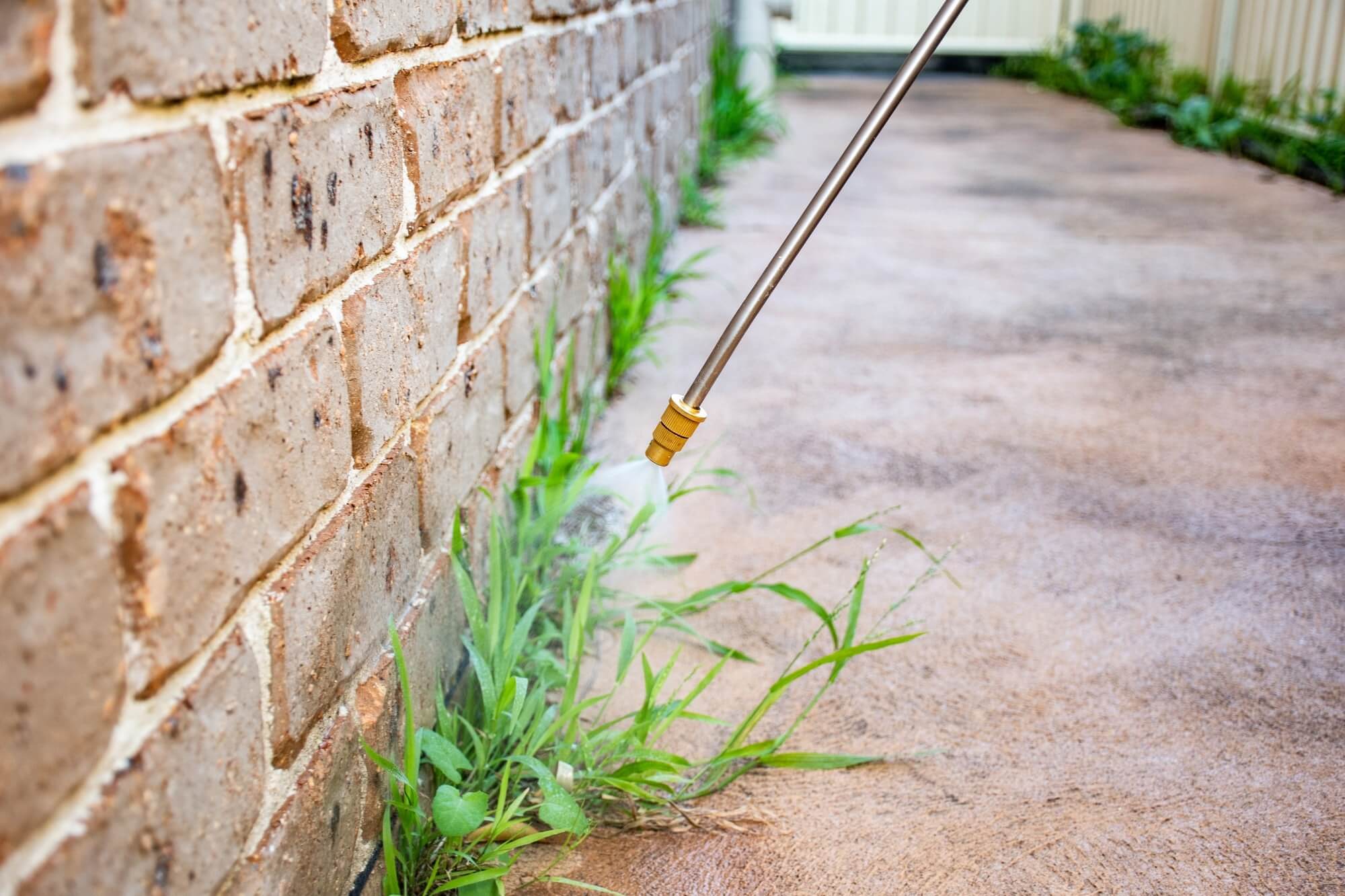
Once spiders are established indoors, cleaning and an occasional spray won't solve it. Lasting prevention combines sealing the house, cutting down on the insects spiders eat, and making the environment less inviting.
Steps that help:
- Seal entry points. Caulk cracks, replace worn door sweeps, and close gaps around utility lines.
- Cut down on clutter. Store items in sealed bins off the floor and keep storage areas organized.
- Manage moisture. Fix leaks, check drip lines near the house, and keep laundry and bathroom areas dry.
- Adjust outdoor lighting. Warm-colored or yellow bulbs attract fewer insects, which means less food for spiders.
- Schedule regular inspections. Routine checkups catch new webs and entry points before they become a problem.
A professional plan goes after both spiders and the insects that feed them. Technicians can tailor treatments to your home and focus on where the problem actually lives.
Take Back Control of Your Space
Spiders have their place outdoors, but a growing indoor population can quickly become more than a nuisance. Spotting the signs early helps avoid stress, discomfort, and potential bites. A trained technician can inspect your home, find where spiders are breeding, and apply targeted treatment to bring things back under control. For a thorough inspection and effective spider control, contact Butter Pest Control to schedule a free assessment and keep your home protected all year.
Dealing with this pest at your place?
Butter serves St. George and southern Utah with free inspections and a re-treatment guarantee. Get an honest quote, no pressure.
Aspen Chournos
Aspen Chournos writes about desert pest pressure and prevention for homes and businesses across St. George and southern Utah.