Monitoring is what lets you learn about a problem while it is starting instead of after it has happened. It is the backbone of integrated pest management, it is cheap, and it is the step people skip most often.
Here is how to do it well.
What Monitoring Is For
It is not for killing insects. A monitor catches only a tiny slice of any population and is useless as a control tool.
Monitoring answers four questions:
- Is something there before you can see it?
- Which species is it, so treatment can be aimed correctly?
- Where is the activity concentrated, which points to the source?
- Is the population growing or shrinking, which tells you whether treatment is working?
The last question is the most important, and it depends on keeping records. A monitor checked once tells you very little. The same monitor checked over eight weeks shows you which way the problem is heading.
Methods
Glue boards. The everyday tool. Flat or folded cards with adhesive, set along travel routes. They work well for cockroaches, spiders, scorpions, silverfish, crickets, beetles, and most crawling insects. Cheap and easy to put out in large numbers.
Pheromone traps. Species-specific lures for pantry pests such as Indianmeal moths and stored-product beetles, and for clothes moths. Very sensitive, and great for finding the one infested item in a big storage area.
Insect light traps. An ultraviolet light paired with a glue board. Useful for flying insects in commercial buildings. Place them away from doors and out of view from outside so they do not pull insects in from the parking lot.
Visual inspection. Still the most informative tool. A methodical look through hiding spots with a strong flashlight held at a low angle.
UV blacklights. Especially useful in southern Utah. Scorpions glow under ultraviolet light, so a nighttime sweep of walls, block fences, and rock landscaping shows where they are living.
Moisture meters. Indirect but valuable, because water drives so much insect activity in a desert climate.
Placement
Placement decides whether monitoring works at all. The usual mistake is putting monitors in open, convenient spots instead of where insects actually travel.
Against walls, not in the middle of the room. Most crawling insects follow edges instead of crossing open floor.
In corners. Travel routes meet there, so catches add up.
Behind and under appliances. Refrigerators, ranges, dishwashers, and water heaters are warm, dark, and undisturbed.
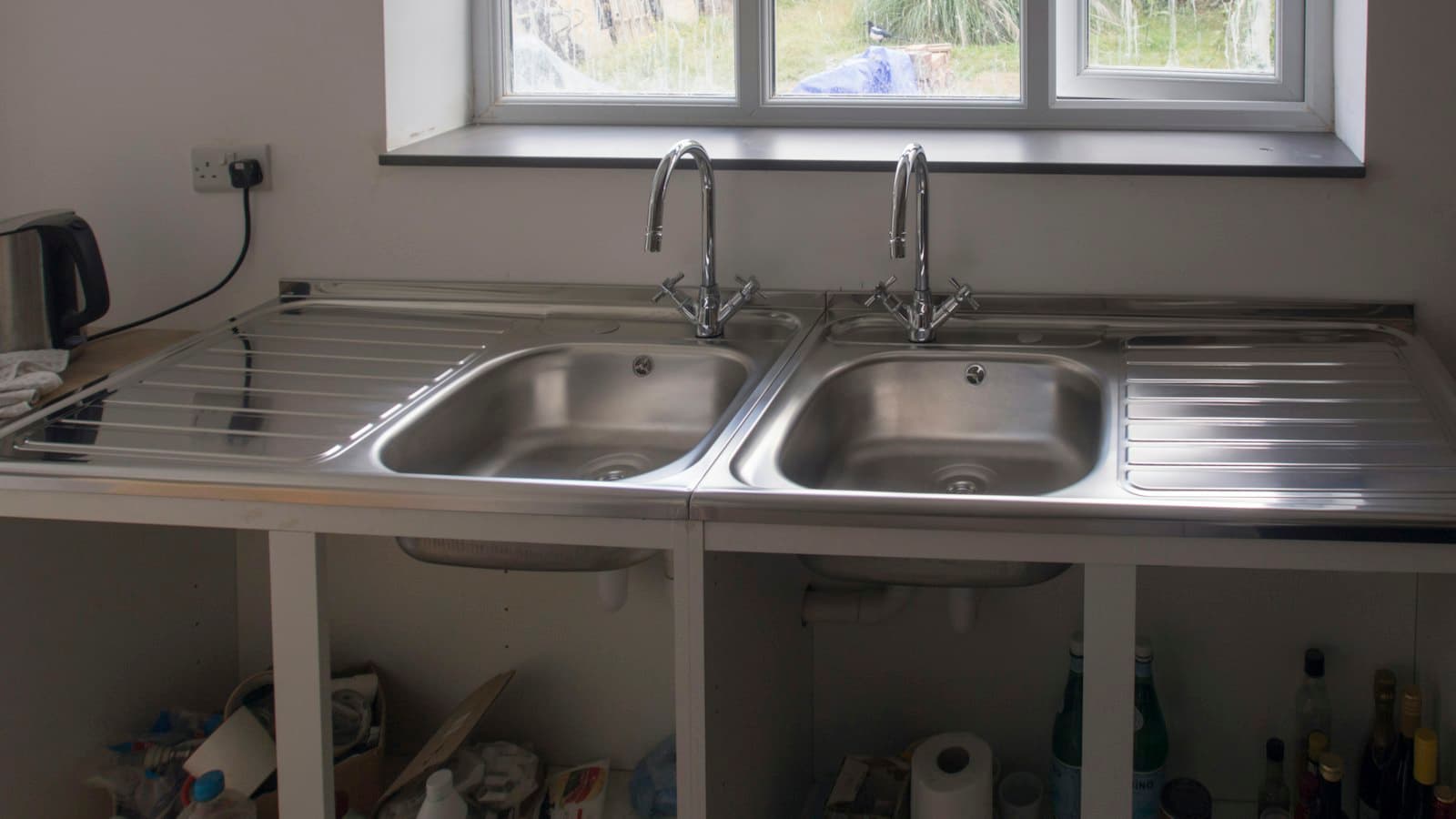
Near water. Under sinks, around pipe openings, by drains, and next to water heaters and AC air handlers.
At entry points. Door thresholds, garage door corners, pipe openings, and loading docks.
In storage. Pantries, dry storage, supply rooms, and closets.
Near suspected hiding spots. If sightings cluster somewhere, monitor that area heavily.
Put out more than you think you need. Monitors are cheap; a missed infestation is not.
Records
Monitoring without records is just setting traps.
At each check, note:
- The date
- The monitor's location and number
- The species found
- How many, not just whether any were present
- Any change since the last check
Number every monitor and keep a map. Without a map, you cannot tell whether activity moved or you just put the monitor somewhere else.
The value lives in the trend. Three silverfish this week means little. Three, then seven, then fifteen means something is building. Fifteen, then seven, then three means the treatment is working.
Frequency
Homes: once a month is enough for most houses. Weekly if you are working on a known problem.
Low-risk businesses, such as offices: monthly.
Food service: weekly at a minimum, and health inspectors generally expect it rather than just recommend it.
Active infestations: weekly, so you can see whether the trend is changing.
Swap out glue boards when they get dusty or dirty, or about every three months, since the adhesive weakens. In our heat and dust, they may need replacing sooner in garages and outdoor areas. Pheromone lures expire and should be replaced on the manufacturer's schedule.
Interpreting What You Find
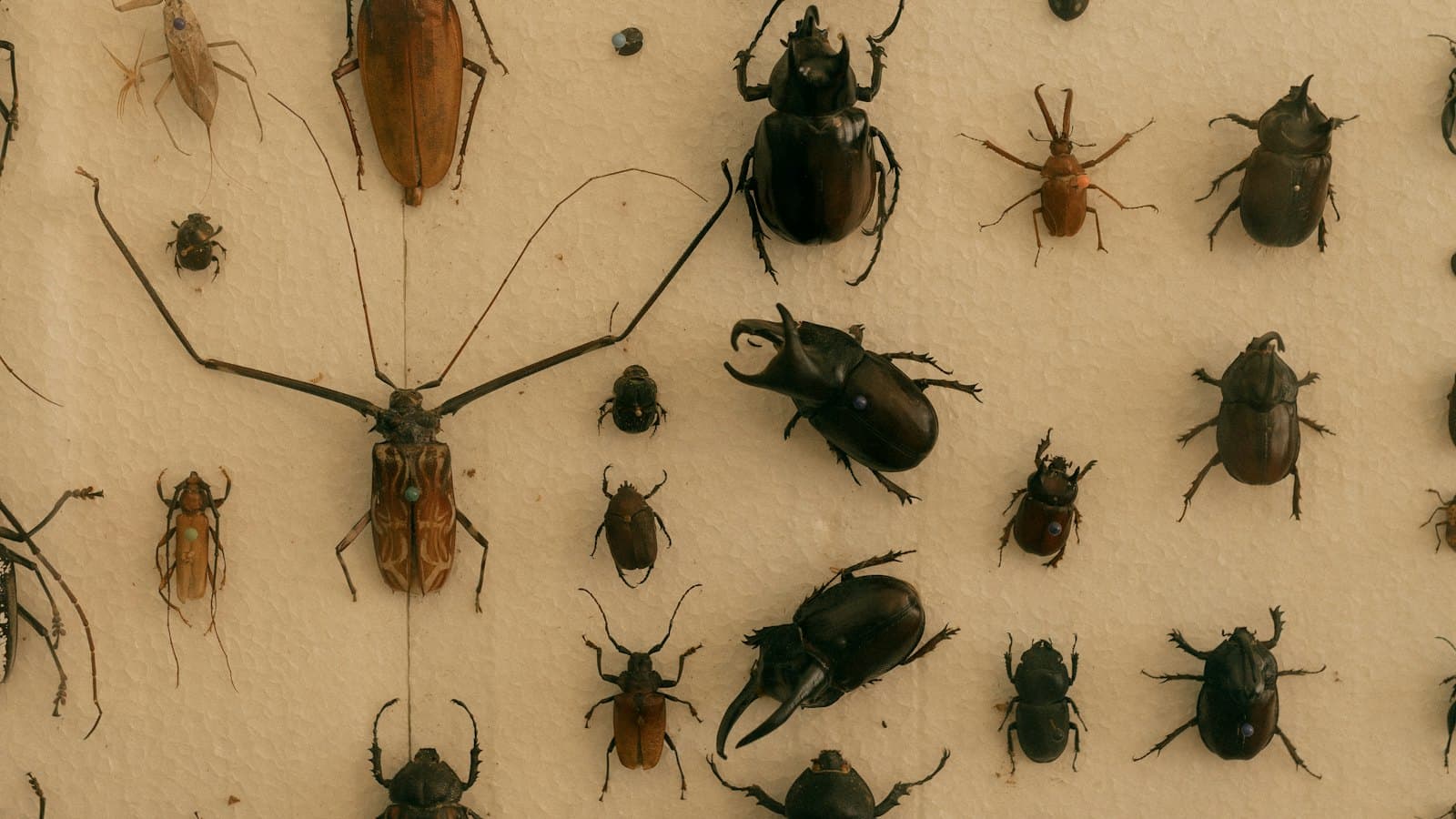
Species matters more than numbers. One German cockroach matters more than twenty ground beetles, because the cockroach can start a population indoors and the beetles cannot. The same goes for a single bark scorpion on a glue board in a bedroom.
Location points to the source. Catches concentrated on one monitor mean the hiding spot is close by.
Life stage matters. Nymphs and larvae mean breeding inside the building. Adults alone may just be wandering in.
Zero catches is also information, but only if the monitors are in the right places. An empty monitor in the wrong spot tells you nothing.
Season matters. A spike in crickets or millipedes after a monsoon storm is expected. The same spike in January is not.
Common Mistakes
- Putting monitors where they are convenient instead of where insects travel
- Writing down presence but not counts, which ruins the trend data
- Never replacing monitors, so the glue is dead
- Treating monitors as a way to control pests
- Not mapping locations
- Checking on an irregular schedule, which makes the trend meaningless
- Ignoring catches because they look harmless
Where This Pays Off Most
Monitoring matters most in commercial food settings, where inspectors usually expect it and problems grow fastest. It is also valuable for any property with recurring issues, because it turns "we keep seeing them" into real data about where and when.
In an ordinary home without an active problem, regular professional service visits usually cover it.
Butter Pest Control builds monitoring into commercial programs across St. George and Washington County, with mapped device locations and trend records ready for inspection. Get in touch to talk about what your facility needs.
Dealing with this pest at your place?
Butter serves St. George and southern Utah with free inspections and a re-treatment guarantee. Get an honest quote, no pressure.
Aspen Chournos
Aspen Chournos writes about desert pest pressure and prevention for homes and businesses across St. George and southern Utah.