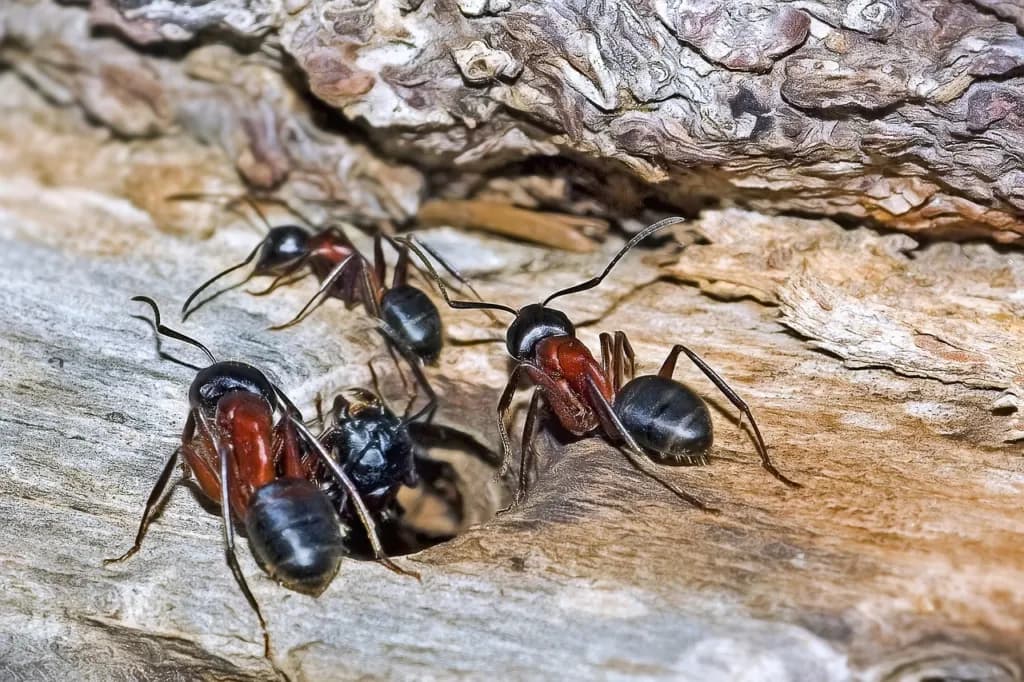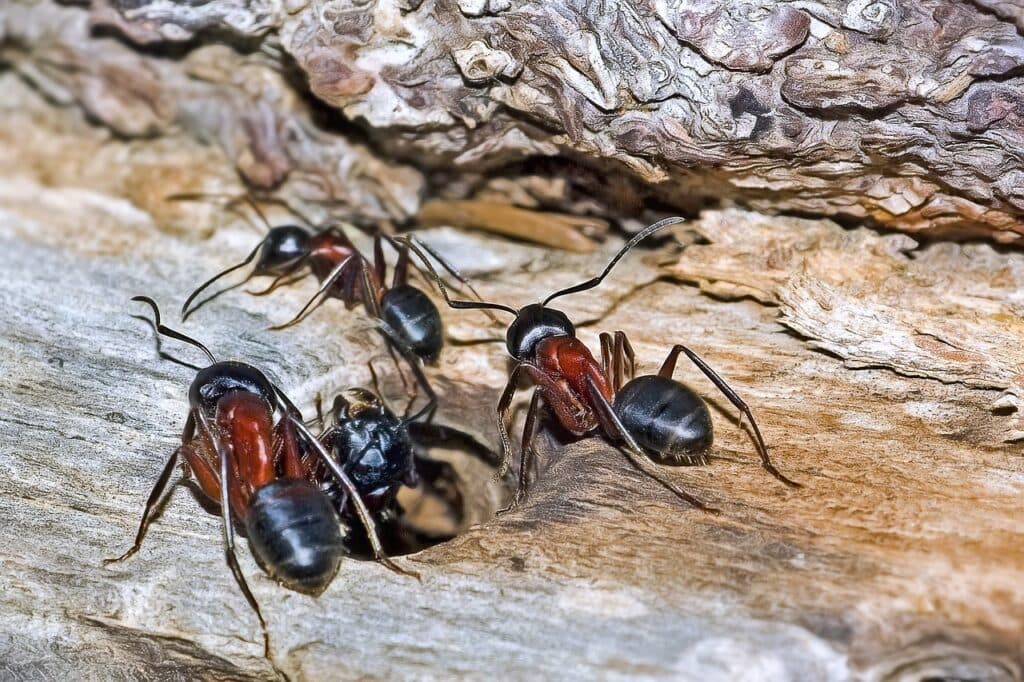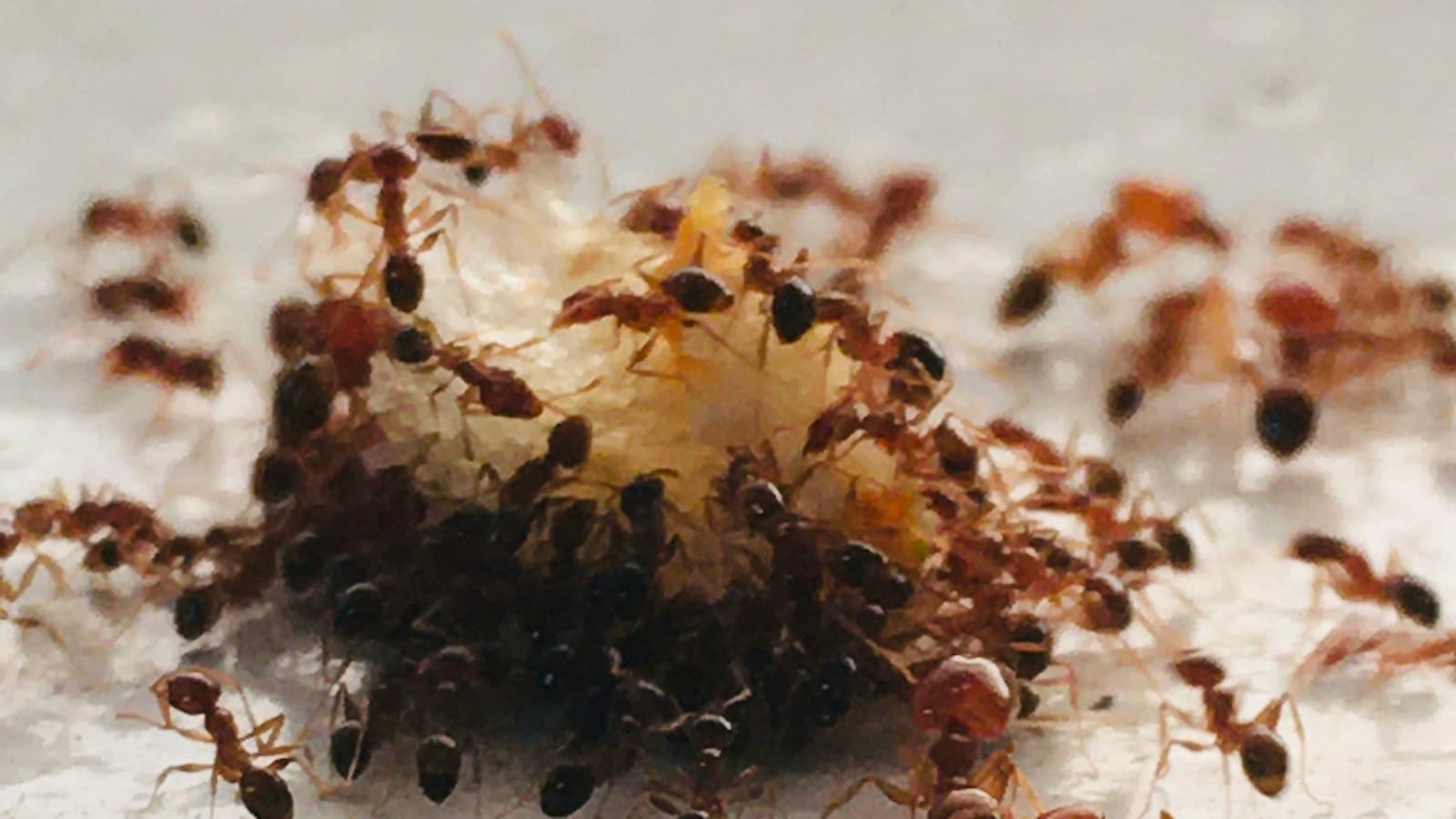
When the summer heat finally breaks in southern Utah, a lot of homeowners expect ants to settle down. In reality, fall often brings a different kind of ant activity: less obvious than the summer rush toward water, but just as important. Colonies use the cooler weeks to stock up on food, expand their trails, and move into protected spots near or inside the house. Because so much of this happens quietly, the first clear sign is often a trail in the kitchen after the colony has already set up shop.
Understanding what drives ants in the fall explains why infestations can seem to appear suddenly and why professional help is usually the quickest way to get ahead of them. Ants respond fast to changing conditions, and fall gives them a window to relocate and build up before winter.
Why Ants Become More Active as the Heat Breaks
In St. George, fall isn't a shutdown; it's often a second busy season. After months of foraging in the cool hours only, ants can work through more of the day once temperatures drop out of the triple digits. At the same time, their instincts shift toward getting the colony ready for the slower months.
That shows up as:
- A push to collect food before outdoor sources thin out
- Movement toward stable, sheltered spots near the foundation or inside walls
- Trail patterns that change as evenings cool
- More scouting as workers look for reliable nesting sites
Ants notice even small temperature changes. As nights get cooler, they gravitate toward steady warmth, moisture, and food, and a home provides all three. That's why fall activity can look minor at first and then pick up quickly once a colony commits to a new spot.
Overlooked Entry Points Inside and Outside the Home
Most people think about doors and windows when they picture how ants get in. Ants can use far smaller openings than that, and in fall their scouting turns up weaknesses most homeowners never notice.
Commonly missed entry points include:
- Hairline cracks in stucco and at the base of exterior walls
- Gaps around hose bibs, A/C line sets, and irrigation lines entering the house
- Weep screeds and the joint where the slab meets the stucco
- Worn caulking around windows, sliders, and door frames
Even a well-kept newer home has openings ants can find. Once inside, they set up short trails between food and nest, often behind baseboards, under flooring, or inside wall cavities, where they stay hidden while staying active.
Finding those points takes attention to small details. Most homeowners underestimate how many routes ants have into a house as the weather turns.
Ant Trails That Reveal Hidden Activity
Trails are the most visible sign of fall ant activity, but they're often misread. A trail isn't just a few ants hunting for crumbs. It's an organized route the colony is using, and it often points to a developing infestation.
Trail behavior worth watching:
- Lines that reappear across floors or counters at the same times each day
- Trails hugging baseboards, which often lead back to a hidden entry point
- Activity spreading into new rooms as the colony moves
- More movement in the evening and overnight
These routes are deliberate. Ants build them to move food efficiently and to connect satellite nests. Reading them correctly helps pinpoint where ants are getting in, where they're nesting, and where they're expanding. Without that, a trail can look harmless while a colony grows inside the wall.
Food Sources That Attract Ants During Fall
As the desert dries out and insect populations change with the season, ants work to gather as much food as they can. That often means more indoor foraging, in places homeowners assume are under control.
Food sources that often get overlooked:
- Pet food left out in the kitchen, garage, or patio
- Fruit sitting on the counter or in an open bowl
- Spills and residue under appliances and inside cabinets
- Pantry items in bags or boxes that aren't tightly sealed
A tiny amount of sugar, grease, or moisture can draw ants, especially when the colony is stocking up. Ants share what they find quickly, so a single crumb can bring a crowd in a short time.
Since those food sources are spread around the house, fall ants may show up in unexpected places like laundry rooms, bathrooms, or upstairs bedrooms as the colony explores.
Why DIY Ant Treatments Often Make the Problem Worse
Plenty of homeowners reach for bait stations or a spray when fall ants show up. Those can reduce what you see for a while, but they seldom take out the colony. Some can even make things worse by causing a colony to split into several satellite nests.
Common DIY problems:
- Sprays that kill foragers but never reach the colony
- Baits the ants ignore because they don't match what the colony wants right now
- Treatments in the wrong spots that push ants deeper into walls
- Misidentifying the species and using a product that doesn't fit
Because colonies are preparing for winter in fall, they behave differently than they do in spring or summer. Their focus is on survival and relocation, which makes treatment trickier. Getting the species right and targeting the colony are what make control last.
DIY approaches rarely deal with the root of the problem: the entry points, the moisture around the foundation, and where the colony actually lives. A professional evaluation solves it at the source instead of just at the surface.
Dealing with this pest at your place?
Butter serves St. George and southern Utah with free inspections and a re-treatment guarantee. Get an honest quote, no pressure.
Aspen Chournos
Aspen Chournos writes about desert pest pressure and prevention for homes and businesses across St. George and southern Utah.