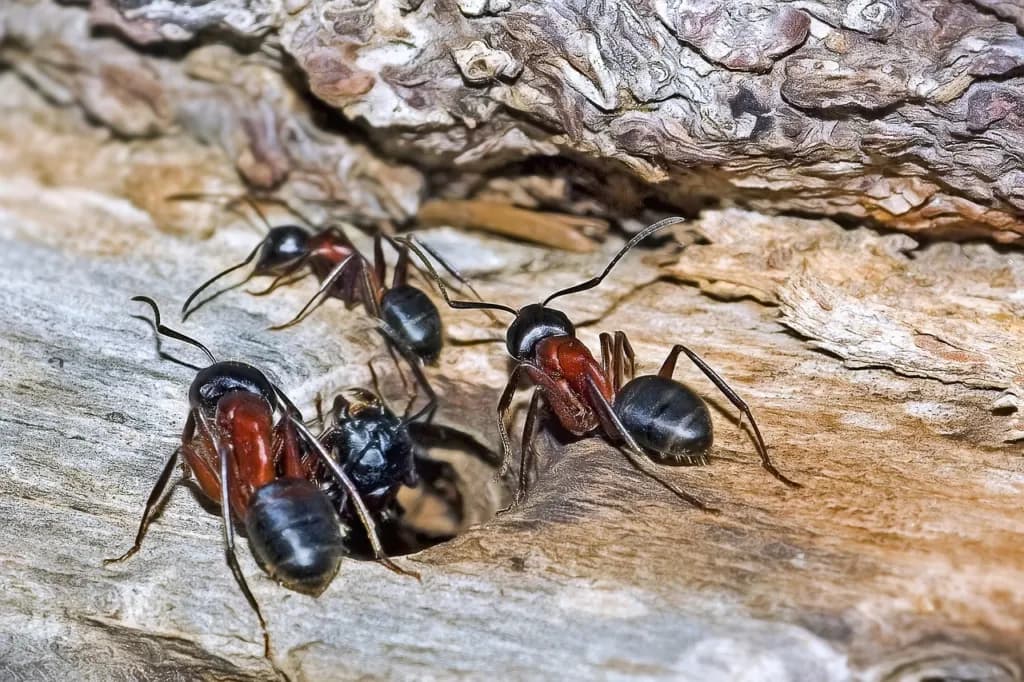
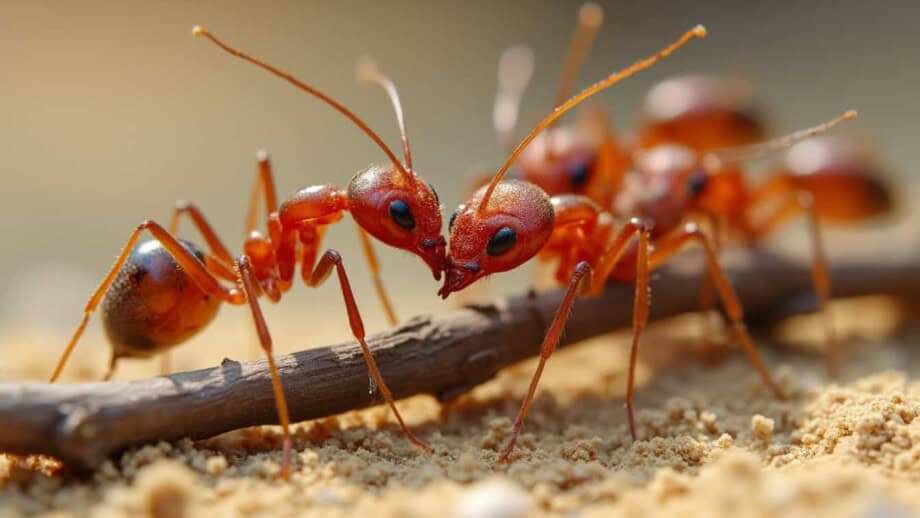
Ants in St. George can go from a small annoyance to a stubborn, recurring problem very quickly. The desert heat, irrigated landscaping, and seasonal swings all push ants to search hard for food, water, and shelter. Store-bought baits are usually the first thing homeowners reach for, but they seldom handle the whole problem.
Effective ant control takes a wider strategy. Baits can be part of it, but they're just one piece of a system that also includes inspection, targeted treatment, and long-term prevention. Seeing how those pieces fit together leads to more consistent, lasting results.
Why Ants Keep Coming Back After Baiting
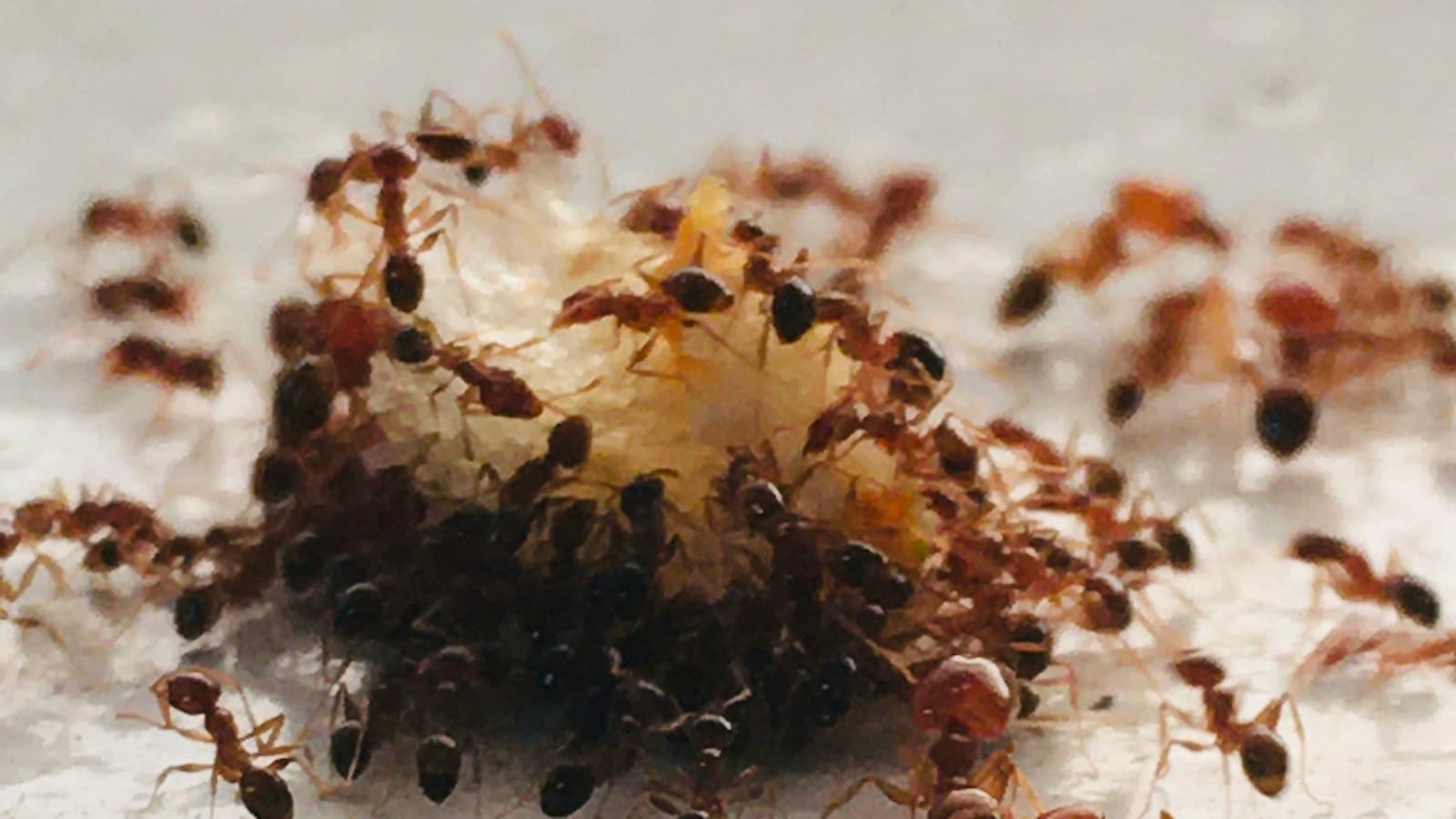
Baits are designed to attract worker ants, which carry the active ingredient back to the colony. That can cut down on visible activity, but used on their own, baits often come up short.
Common shortcomings of baits:
- They may not reach every member of a large colony
- Several separate colonies can be active in the same yard
- Ants change what they're feeding on, so a bait can stop being attractive
- Nests hidden in walls, under slabs, or beneath rock beds go untouched
- Activity drops for a while without the problem actually being solved
Ant colonies can be large and spread out. In many cases, the trail you see is only a small slice of the overall infestation.
That's why depending on baits alone usually leads to repeat activity. A more complete approach is needed to handle both the ants you can see and the colony behind them.
How Ants Behave In A Southern Utah Yard
Ant behavior depends heavily on the environment. In St. George, the seasons shape how and where ants travel, nest, and forage.
Patterns worth knowing:
- Activity jumps as temperatures warm and food becomes plentiful
- Ants move indoors during hot, dry stretches looking for water
- Colonies expand in spring and again after monsoon rains
- Foraging shifts depending on what resources are nearby
- Ants use stucco cracks, slab gaps, drip lines, and block walls to reach the house
Understanding these patterns is essential for good ant control. Finding where ants actually enter the home, for example, makes it possible to target treatment much more precisely.
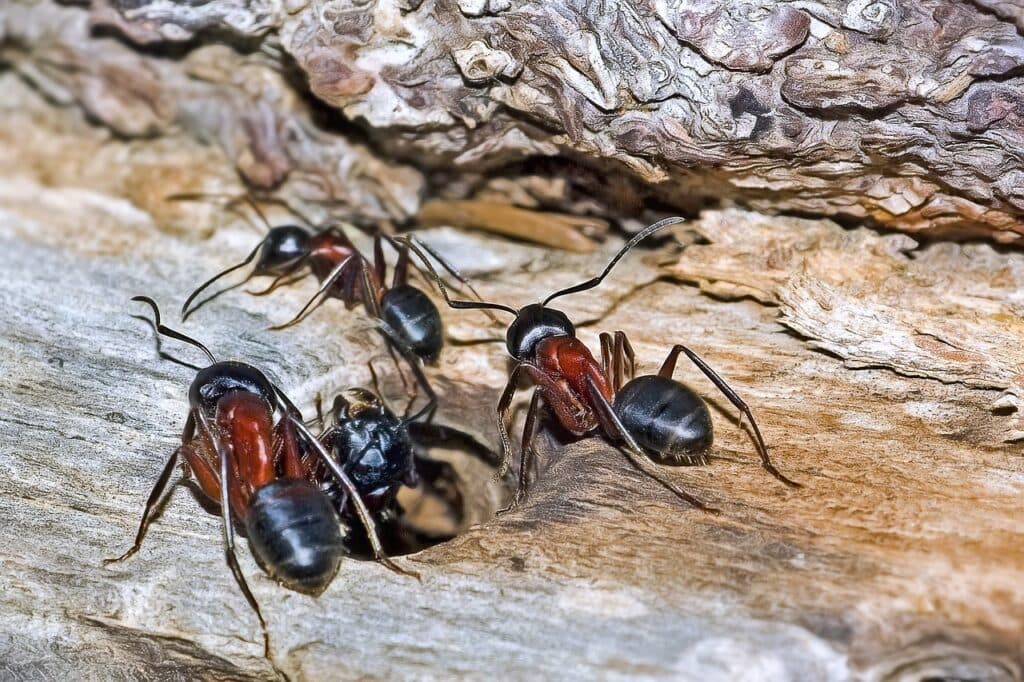
Tracking movement matters too. Focusing on behavior rather than just the ants in view makes the whole strategy more effective. It also helps to know which ant you're dealing with: pavement ants, odorous house ants, and harvester ants each respond differently, and harvester ants can deliver a painful sting.
Methods That Go Further Than Baits
Dependable results come from several methods working together to eliminate colonies and keep new ones from moving in.
Effective strategies include:
- A thorough inspection to find nests and entry points
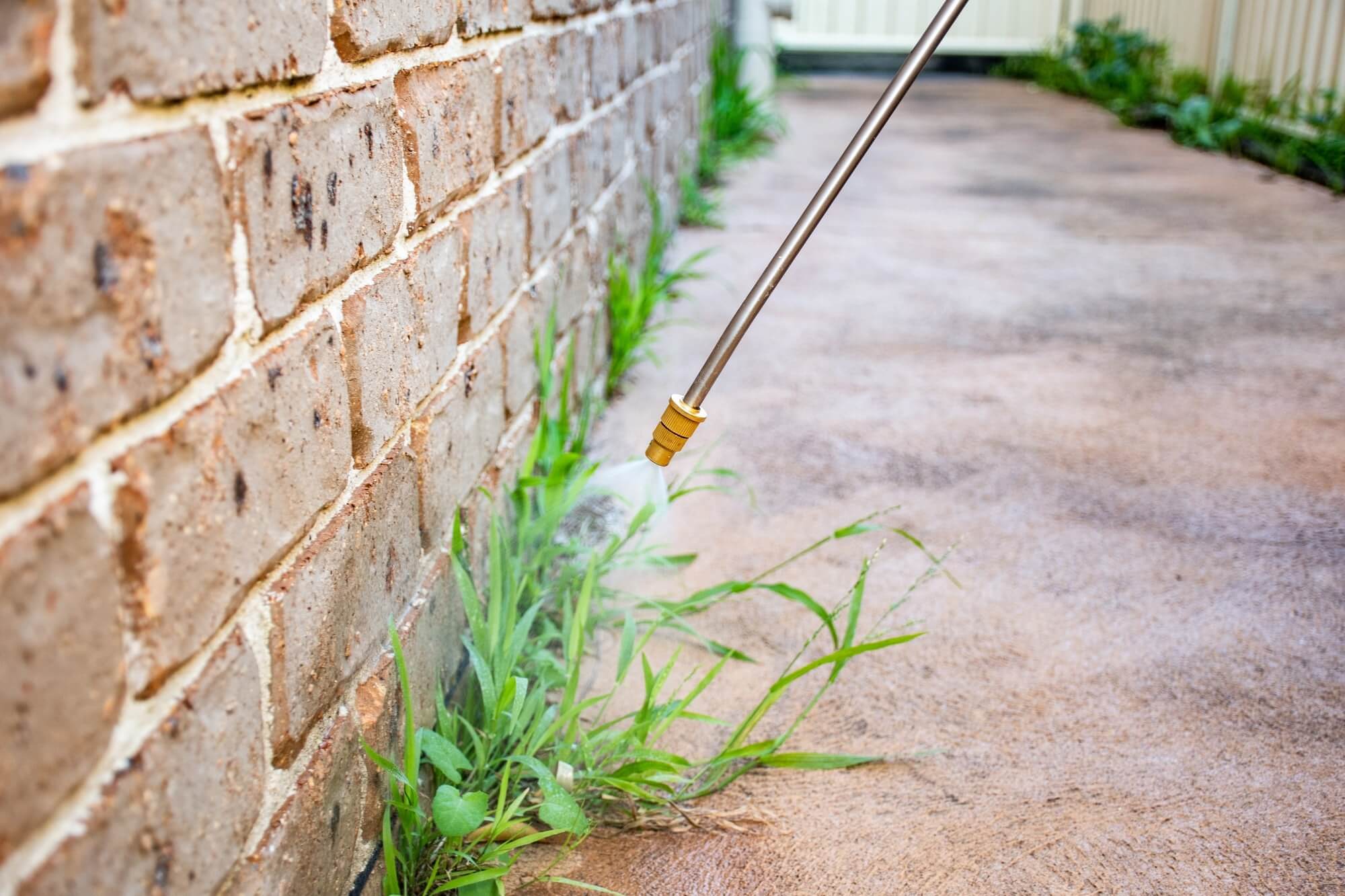
- Targeted treatments applied directly where ants are active
- Perimeter applications that make it harder for ants to get inside
- Monitoring to track changes in activity over time
- Adjustments based on the season and current conditions
Together these form a layered approach. Instead of relying on one product, they attack the problem from several directions.
Targeted treatments reach places baits can't, while perimeter work helps keep new ants from coming in. Monitoring confirms that the plan is still working as conditions change.
That level of precision is hard to achieve without training and the right equipment, which is why professional help usually produces better outcomes.
Prevention Keeps Ants From Returning
Prevention is central to keeping ant problems from coming back. Once an infestation is handled, making the property less attractive to ants helps the results last.
Key prevention steps:
- Sealing cracks and gaps that let ants inside
- Managing moisture from irrigation, leaks, and pool areas
- Keeping food storage clean and sealed
- Maintaining the yard to cut down on nesting spots
- Scheduling regular inspections to keep an eye on activity
These steps reduce the conditions that draw ants in. Even so, weather and neighboring properties can still influence activity.
Prevention isn't something you do once. It takes consistency to keep new colonies from settling in.
Why A Complete Approach Works Better
Ant control works best when inspection, treatment, and prevention are combined into a single strategy. Relying on just one method tends to leave the job half done.
A complete approach offers:
- More accurate identification of where colonies are
- Targeted solutions that address the root cause
- Ongoing monitoring that adapts to changing conditions
- Lower odds of recurring infestations
- More stable, predictable results overall
This approach accepts that ant infestations change over time. They shift with the weather, available resources, and the condition of the structure.
Handling every part of the problem makes long-term control realistic and cuts down on repeat treatments that only buy a little time.
Professional pest control is built to provide that kind of coverage, so each stage of ant activity is handled properly.
Dealing with this pest at your place?
Butter serves St. George and southern Utah with free inspections and a re-treatment guarantee. Get an honest quote, no pressure.
Aspen Chournos
Aspen Chournos writes about desert pest pressure and prevention for homes and businesses across St. George and southern Utah.