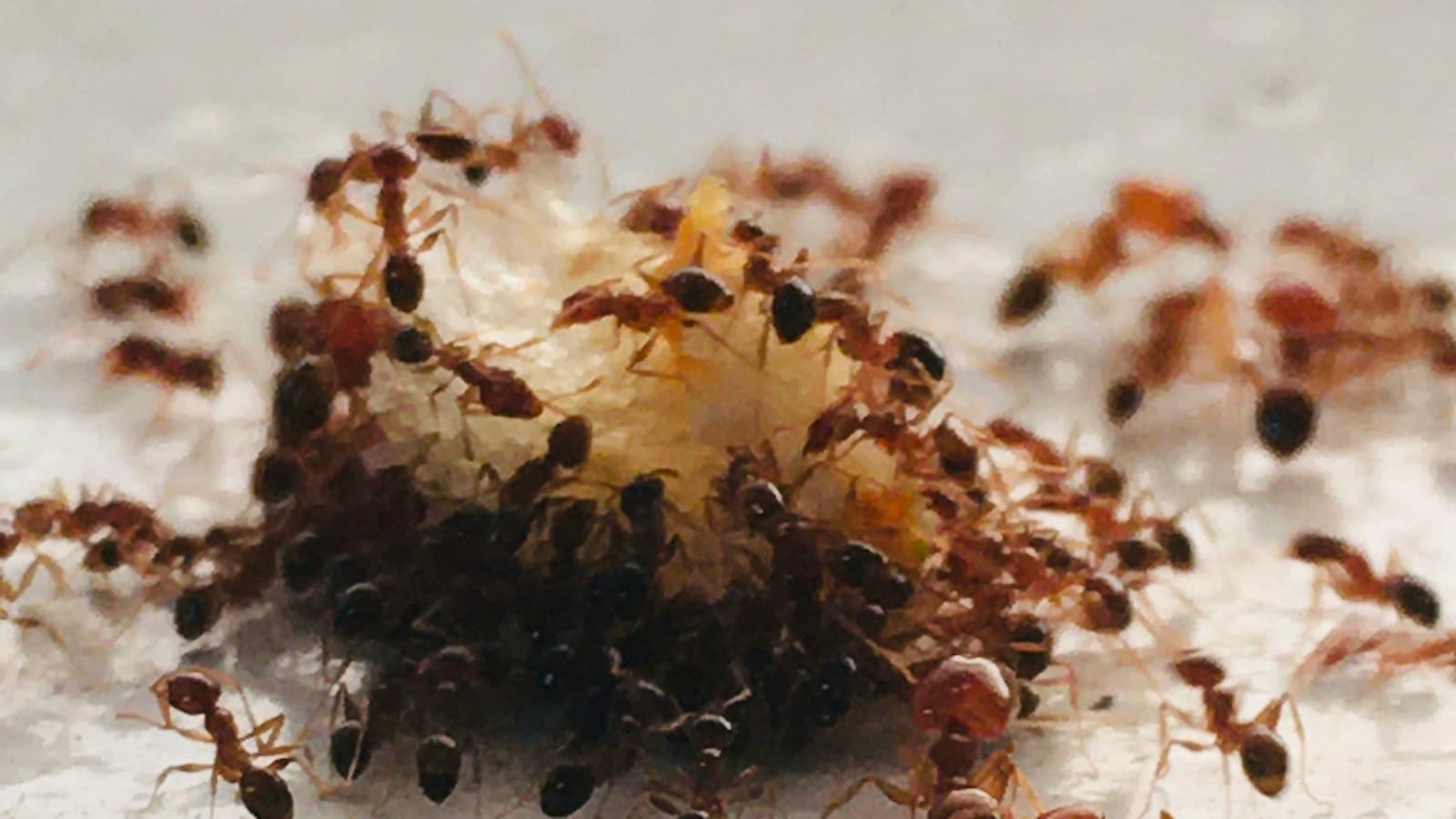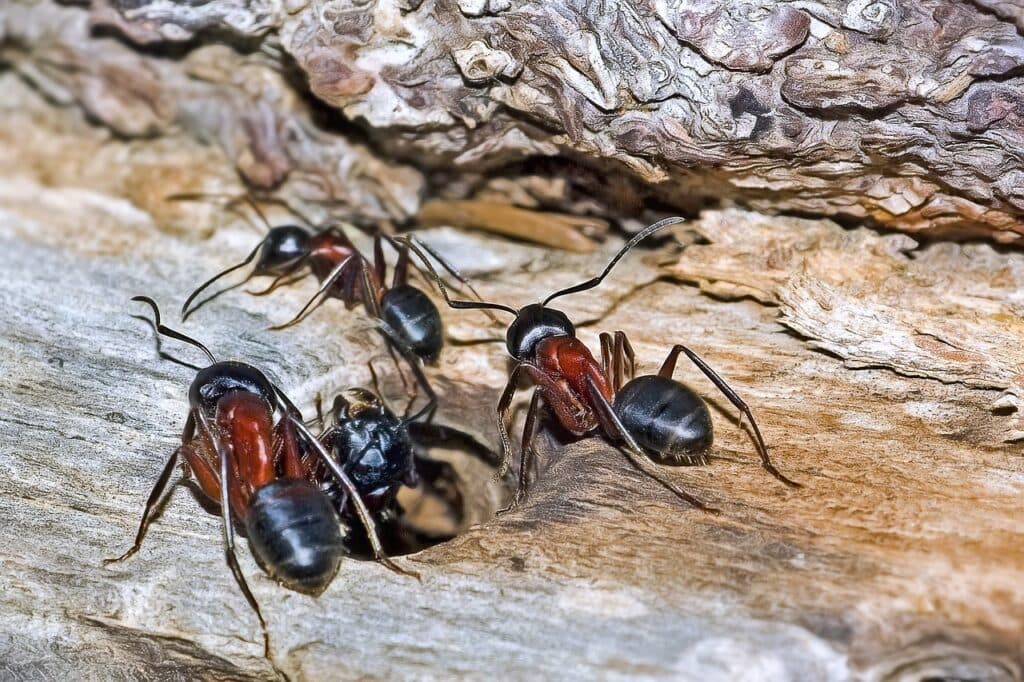
Spring comes early in southern Utah. By February and March, St. George has warm afternoons, longer days, and irrigation systems turning back on, and pests respond right away. One of the first things many homeowners notice is ant trails running across kitchen counters, along baseboards, and over the patio. What starts as a thin line of foragers can quickly turn into a stubborn indoor problem.
From a professional point of view, ant problems are almost never isolated. The trail you see is only a small part of a larger colony living behind walls, under the slab, or in the gravel and soil around the house. Effective professional ant control goes after the source, not just the surface activity.
Why Ant Activity Picks Up In Spring
As temperatures climb, ant colonies become more active and start searching harder for food and water. The slower pace of winter gives way to expansion and reproduction, which makes it more likely foraging ants will find their way indoors.
Several spring factors drive the surge:
- irrigation restarting, which puts fresh moisture along foundations and planters
- warm days that speed up colony growth after the mild winter
- blooming plants and new growth that support outdoor nests
- small gaps in stucco, slabs, doors, and windows that give ants a way in
Ants follow pheromone trails, so once one finds food, others quickly follow the same path. Wiping away the ants you can see doesn't remove the chemical trail they leave behind. Without targeted treatment, activity usually starts again within a few days.
Professional ant control focuses on finding entry points, the colony's location, and the nesting habits of the ants common in this area.
What A Trail Tells You About The Colony
An ant trail is more than a nuisance. It's a communication highway linking a food source to the nest. Watching where the ants appear and where they go offers useful clues about where the colony is.
Common nesting spots include:
- soil along the foundation
- under concrete slabs, patios, and sidewalks
- inside wall voids
- beneath rocks, gravel, pavers, and landscape fabric
- near drip lines, valve boxes, or damp wood
Different species call for different approaches. Some ants set up several satellite colonies, which makes them harder to eliminate. Others expand fast once they've found food inside. Harvester ants, common in desert yards, build large mounds and can deliver a painful sting.
When homeowners rely on surface sprays, they may kill the workers they see while the reproductive core of the colony survives. That can cause the colony to split, with groups moving off and making the infestation worse.
Long-term success depends on understanding how the species behaves and targeting the whole colony network.
The Limits Of A One-Time Treatment
It's tempting to treat the trail you can see and call it done. But ants are persistent and adaptable, and a single application seldom covers the full infestation.
Activity tends to come back because:
- hidden nests are left undisturbed
- food sources are interrupted but not removed
- moisture keeps attracting ants
- neighboring colonies move into the space that opened up
That's why one-time treatments so often fail against recurring pest problems.
Professional ant control usually involves inspection, species identification, strategic bait placement, and follow-up monitoring. That systematic approach lowers the chance of reinfestation and leads to longer-lasting results.
Along with ants, homes around St. George may also deal with spiders, scorpions, cockroaches, wasps, rodents, and bed bugs. Integrated pest management makes sure conditions that favor one pest don't accidentally encourage another.
Seasonal Patterns Homeowners Miss
Ant activity doesn't stop when spring ends. Colonies change their behavior through the year, and each seasonal shift affects how deep they nest and where they forage.
For example:
- extreme summer heat sends ants indoors looking for water
- monsoon storms can trigger flights and new nest building
- leaking irrigation can keep colonies going year-round
- food storage habits influence where ants forage indoors
Knowing these patterns helps prevent surprise infestations when the seasons change. What looks like a break in activity may just mean the ants have moved.
Professional providers watch for these patterns and time treatment to match. Instead of reacting only to visible trails, they look at the conditions that keep the problem coming back.
Why Professional Ant Control Gets Better Results
Managing ants well takes precision. Professionals handle infestations with inspection, identification, and targeted application instead of broad surface spraying.
A complete plan may include:
- finding the main nest and any satellite colonies
- using bait formulations matched to the species
- sealing structural entry points
- addressing moisture and sanitation issues
- scheduling follow-up visits
That approach keeps disruption low while having the biggest effect on the colony itself.
Professional ant control also reduces related pest problems. When ant numbers drop, the conditions that attract spiders, scorpions, and other predators often change too. Keeping the home environment in balance supports overall pest stability.
Homeowners can try short-term fixes, but long-term suppression depends on accurate diagnosis and methodical treatment. Ant biology is complex and colonies are resilient, so precision and consistency are what bring lasting control.
Spring ant trails are often the first visible sign that a colony has settled in nearby. Dealing with it early keeps the population from growing and lowers the risk of it spreading to other parts of the house.
Stop The Trail Where It Starts
If ant trails are showing up in your home this spring, a thorough inspection can uncover the cause and keep the activity from coming back. A professional evaluation makes sure treatment targets the colony, not just the workers you can see. For reliable professional ant control around St. George, contact Butter Pest Control to discuss a plan built for your property.
Dealing with this pest at your place?
Butter serves St. George and southern Utah with free inspections and a re-treatment guarantee. Get an honest quote, no pressure.
Aspen Chournos
Aspen Chournos writes about desert pest pressure and prevention for homes and businesses across St. George and southern Utah.