Frequently, yes, but not quite the way people expect. Ants do not draw other pests in. Instead, ants and other pests are reacting to the same conditions around a home, and ants just happen to be the easiest to notice.
That makes an ant problem worth treating as a clue, not just an annoyance.
Ants Are Sensitive Indicators
Ants cover a lot of ground, find resources quickly, and react fast to changes in moisture, food, and access. When a property shifts in a direction that favors pests, ants are usually the first to show it.
They are also hard to overlook. A trail across a counter gets noticed long before silverfish in a closet or a cockroach in a block wall. So ants often act as the warning sign for conditions that were already supporting other pests.
Shared Condition One: Moisture
In the Mojave, this is the biggest one. When the surrounding landscape is bone dry most of the year, any steady water source stands out.
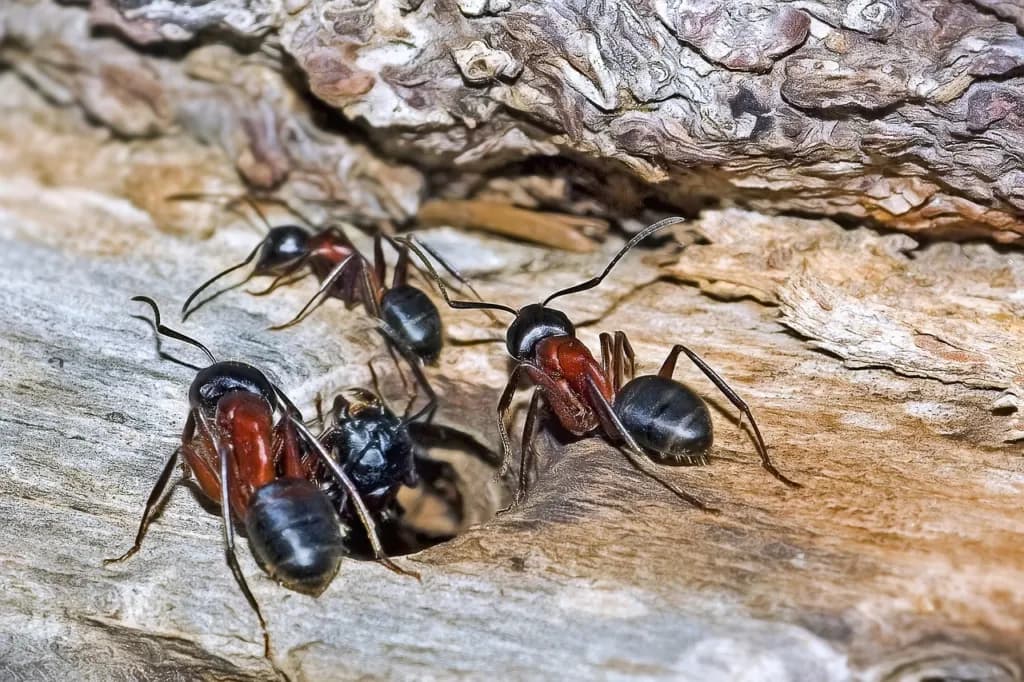
Leaking drip lines, sprinklers that soak the foundation, a slow leak under a sink, condensation from an AC line: ants find all of these fast. Carpenter ants, more common at higher elevations like Pine Valley, specifically target wood that has been softened by water.
The same moisture supports a long list of other pests:
- Silverfish
- Earwigs
- Crickets
- Cockroaches, including the Turkestan and American roaches common outdoors here
- Fungus gnats and drain flies
- Spiders and scorpions, which follow all of the above
If ants led you to a water problem, that water problem was almost certainly supporting other pests too.
Shared Condition Two: Accessible Food
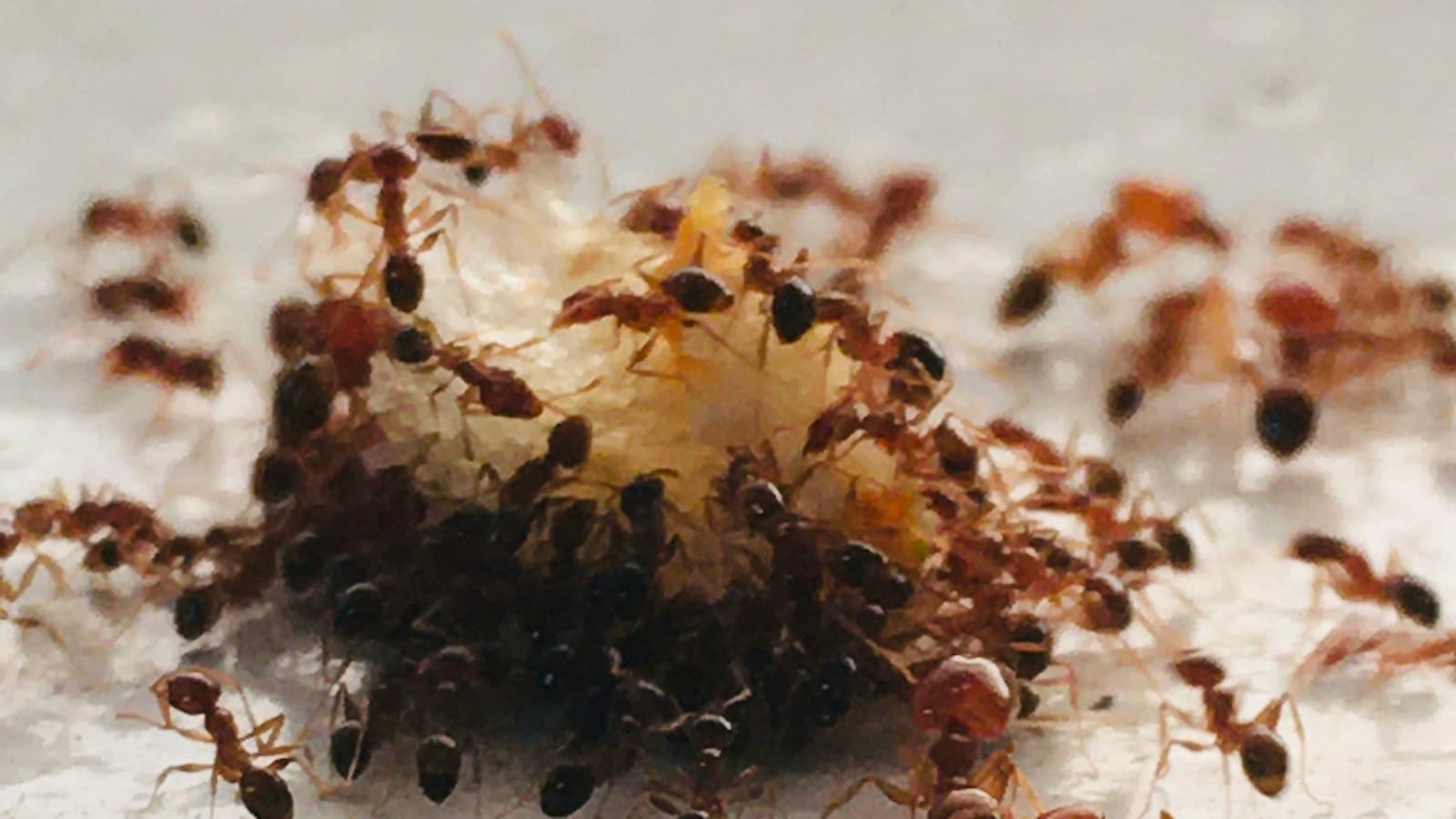
Ants are good at finding food residue: crumbs behind the stove, a sticky spot under the pantry shelf, an open bag of chips, pet food left out overnight, a trash can that does not close all the way.
None of that only attracts ants. Cockroaches, pantry beetles, flies, and mice use the same food, usually much more quietly. Mice in particular can live off a pantry for a long time without being noticed.
A trail leading to food tells you that source is easy to find and not secured, and that applies to every other pest nearby as well.
Shared Condition Three: Structural Access
Ants get in through openings, and those openings are rarely ant-sized only.
- Gaps around window and door frames
- Unsealed plumbing, electrical, and AC line openings
- Cracks in stucco and at the base of walls
- Weep screeds and expansion joints
- Gaps under roof tiles and at eaves
- Garage doors with worn seals
An opening a quarter inch wide lets in a mouse. A gap ants use is often big enough for scorpions, spiders, earwigs, and crickets. Tracing where ants enter almost always uncovers a weak point that matters for much more than ants.
Shared Condition Four: Landscaping Contact
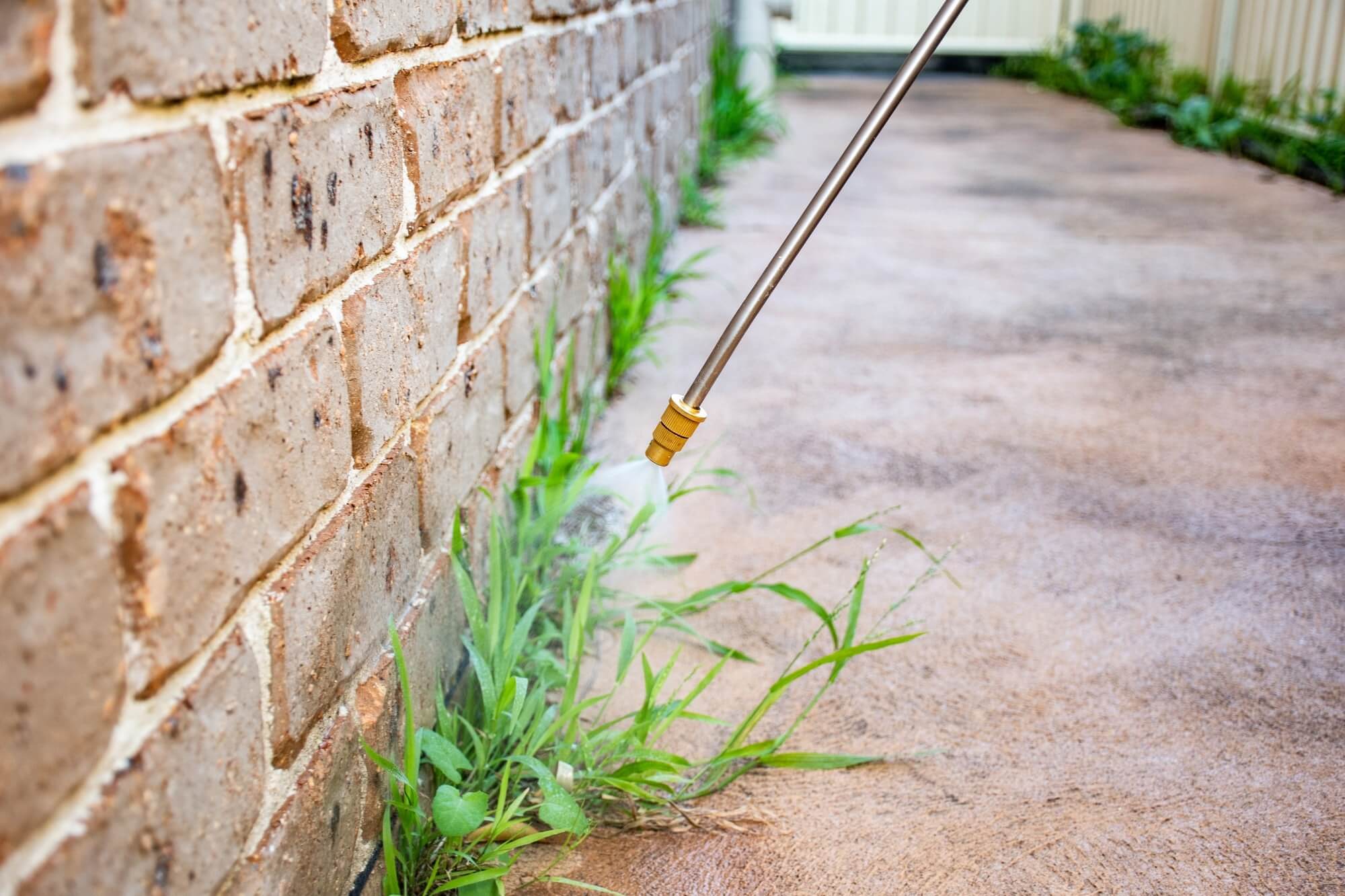
Plants touching the house give ants a bridge over any treated perimeter. They do the same for spiders, wasps scouting for nest sites, and rodents looking for a way onto the roof.
Bark mulch, dense groundcover, rock piled against the stucco, and irrigated beds right up against the foundation create a strip of habitat directly against the house. Ants nest there. So do plenty of other pests.
Ants As A Direct Attractant
There is also a more direct connection. Ants are food for other things.
Spiders, scorpions, and some beetles eat ants. A large, steady ant population can support a predator population, which is one reason homeowners sometimes notice more spiders or scorpions at the same time as an ant problem.
Some ants also tend aphids and scale insects on landscape plants for their sugary honeydew, protecting them from predators. That can boost plant pests in the yard and add to overall insect activity around the house.
What To Do With The Information
The takeaway is that killing the ants and stopping there only solves half the problem. A better approach:
- Follow the ants to where they come in and note the spot
- Look for water: under sinks, around the water heater, at AC drain lines, and along irrigation near the house
- Figure out what food they found and seal it up
- Look along the trail for other evidence: droppings, shed skins, webs, or wood damage
- Fix the conditions, not just the ants
A careful inspection that starts with an ant complaint often turns up something the homeowner had no idea was there. That is exactly the point.
If ants have found their way into your St. George home, contact Butter Pest Control. We will treat the ants and look for anything else those same conditions might be supporting.
Dealing with this pest at your place?
Butter serves St. George and southern Utah with free inspections and a re-treatment guarantee. Get an honest quote, no pressure.
Aspen Chournos
Aspen Chournos writes about desert pest pressure and prevention for homes and businesses across St. George and southern Utah.