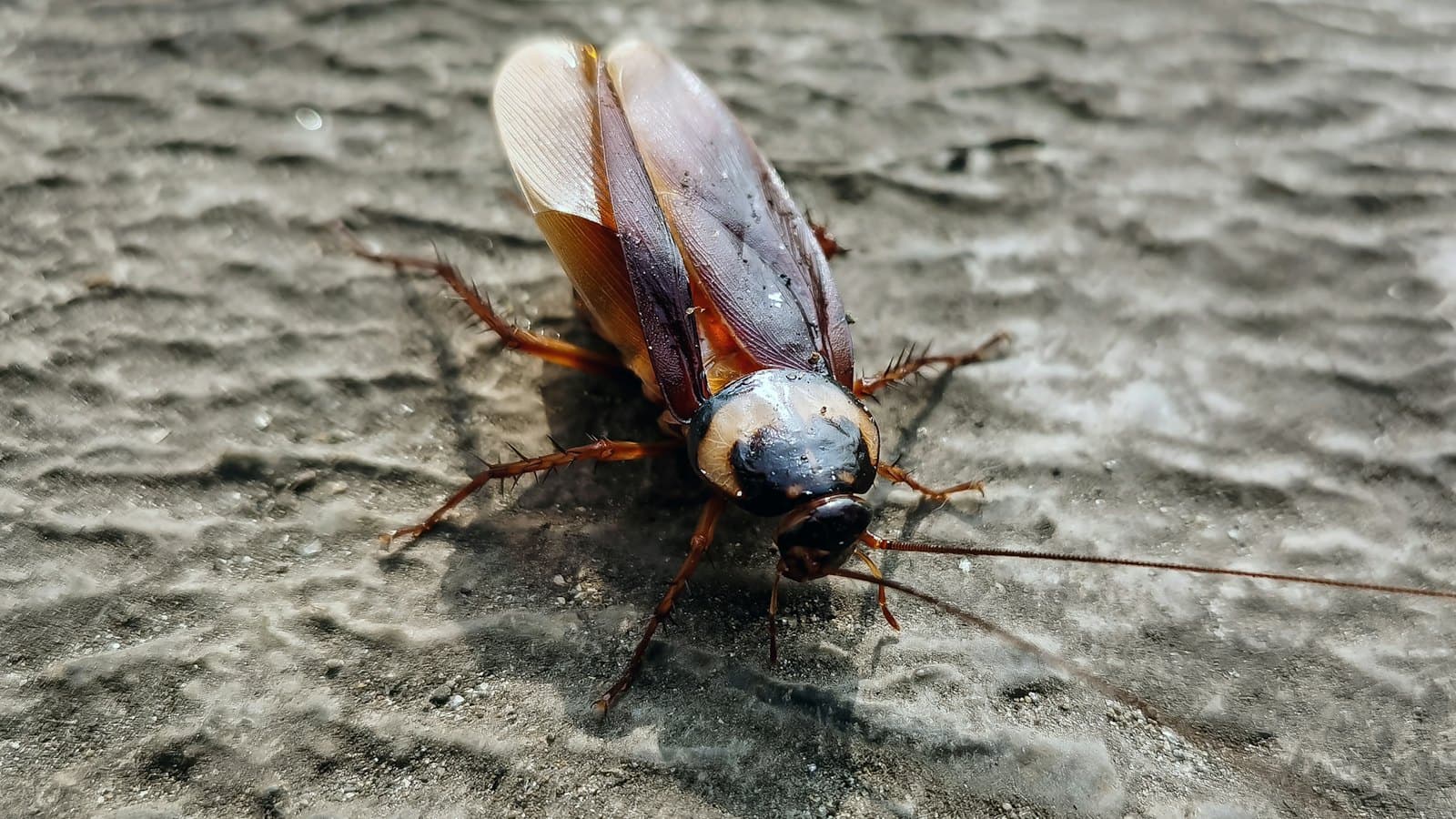
Seeing a pest usually means the problem is already settled in. Most household pests come out at night, stay hidden, and live inside walls and cabinets you never open, so the one you happen to spot is the exception.
The clues they leave behind show up much sooner. Here is what to watch for.
Droppings
The most dependable clue, and often specific enough to tell you what you are dealing with.
About the size of a grain of rice, dark, with pointed ends. Mice. Fresh ones are dark and soft; older ones turn gray and crumble.
Much larger and capsule shaped. Rats or pack rats. Pack rats also tend to leave piles of sticks, cactus pieces, and debris near where they nest.
Like coarse black pepper or coffee grounds. Cockroaches. Look in cabinet corners, behind appliances, and along drawer runners.
Tiny dark specks, sometimes with a powdery texture. Various insects, depending on where you find them.
Fine, sand-like or sawdust-like pellets. Frass from wood-feeding insects. Small, hard pellets piling up below wood can point to drywood termites, while subterranean termites leave mud tubes instead.
Check the backs of cabinets, under sinks, along baseboards, in the pantry, in the garage, and in the attic.
Sounds
- Scratching or scampering in walls and ceilings, mostly at night
- Gnawing, which sounds like grinding rather than scratching
- Squeaking
- A faint rustling or papery buzz inside a wall on a warm day, which can mean a wasp or bee colony in a void
Write down when and where you hear it. Night noises overhead usually mean rodents in the attic. Steady daytime buzzing in a wall suggests something else, and if it could be bees, keep your distance.
Odors
A smell that lingers after cleaning is worth tracking down.
- A musky, ammonia smell points to an established rodent population
- An oily, musty smell can mean a sizable cockroach population
- A sudden smell of something rotting in a wall or ceiling usually means an animal died in a void
Damage
- Chew marks on food packages, wood, wiring, or stored items
- Small holes in wool or other natural fabrics, usually carpet beetle larvae rather than moths
- Ragged edges or holes in paper, books, and cardboard, typical of silverfish
- Tiny holes in packaged dry food, pointing to pantry pests
- Shredded or flattened insulation
- Chewed wiring under the hood of a car, a classic pack rat sign
- Wood that sounds hollow or feels soft
Nesting Material
Shredded paper, fabric, insulation, or plant debris gathered into a clump. A nest means the population lives there rather than passing through.
Look in attics, wall voids, behind and inside appliances, in stored boxes, inside furniture, and under car hoods.
Tracks, Rub Marks, And Mud Tubes
Rodents travel the same routes every night and leave dark, greasy streaks on walls, beams, and pipes from the oil in their fur. These marks are some of the most helpful clues because they map exactly where the animals move.
In dusty spots, a flashlight held low across the surface shows footprints and tail marks.
Pencil-width mud tubes running up a foundation, slab edge, or garage wall are a sign of subterranean termites and deserve a professional look right away.
Webs, Shed Skins, And Egg Cases
- Webs in corners that come back within a day or two of being cleared
- Messy, tangled webs low in garages, block walls, and under patio furniture, the typical black widow style
- Egg sacs, which mean spiders are breeding inside rather than wandering in
- Shed skins, common with cockroaches and some other insects
- Cockroach egg cases, small dark capsules tucked into cabinet corners and behind appliances
Live Pests In Daylight
Most household pests avoid light and open floor. Seeing them during the day usually means the population has grown big enough to push some out into the open.
A cockroach out in daylight is a strong sign of a large population. A scorpion indoors, especially one on a wall or ceiling, usually means bark scorpions have found shelter in or around the house and there are more nearby.
Plant And Yard Signs
- Ant trails along the slab, walkways, or up stucco walls
- Insects flying back and forth to one point on the house, which means a nest
- Harvester ant mounds with cleared bare ground around them
- Small holes, mounds, or soft tunnels in turf, typical of gophers or voles
- Burrows near the foundation, under sheds, or in rock landscaping
- Chewed plants or irrigation lines at ground level
Pet Behavior
Dogs and cats notice pests long before we do. A pet that keeps fixating on one wall, cabinet, appliance, or vent is telling you something.
Unexplained scratching in a pet can also mean fleas or mites, which sometimes come in with rodents.
Bites And Skin Irritation
Mystery bites, especially a group of them appearing overnight, deserve attention. So does ongoing itching with no clear cause, which can be mites carried in by rodents or birds.
Keep in mind that most skin sores blamed on spiders turn out not to be spider bites at all.
Signs That Warrant A Prompt Call
- Rodent droppings anywhere in the house
- Mud tubes or any sign of wood damage
- Cockroaches in any number
- Scorpions inside the home
- Noises in walls or ceilings
- A musky smell that will not go away
- Activity that keeps returning after you have dealt with the obvious cause
Where To Look
Clues tend to collect in the same places: under sinks, behind and under appliances, at the back of lower cabinets, in the pantry, in the garage, in the attic, in utility and laundry rooms, and along the outside of the foundation and block walls.
A flashlight held low and angled across a surface reveals tracks, rub marks, and droppings that ceiling lights wash out. A UV blacklight at night makes scorpions glow and is the easiest way to check walls and rock landscaping for them.
If you are noticing any of this in your St. George or Washington County home, contact Butter Pest Control. Acting on early signs costs far less than dealing with a full-blown infestation.
Dealing with this pest at your place?
Butter serves St. George and southern Utah with free inspections and a re-treatment guarantee. Get an honest quote, no pressure.
Aspen Chournos
Aspen Chournos writes about desert pest pressure and prevention for homes and businesses across St. George and southern Utah.