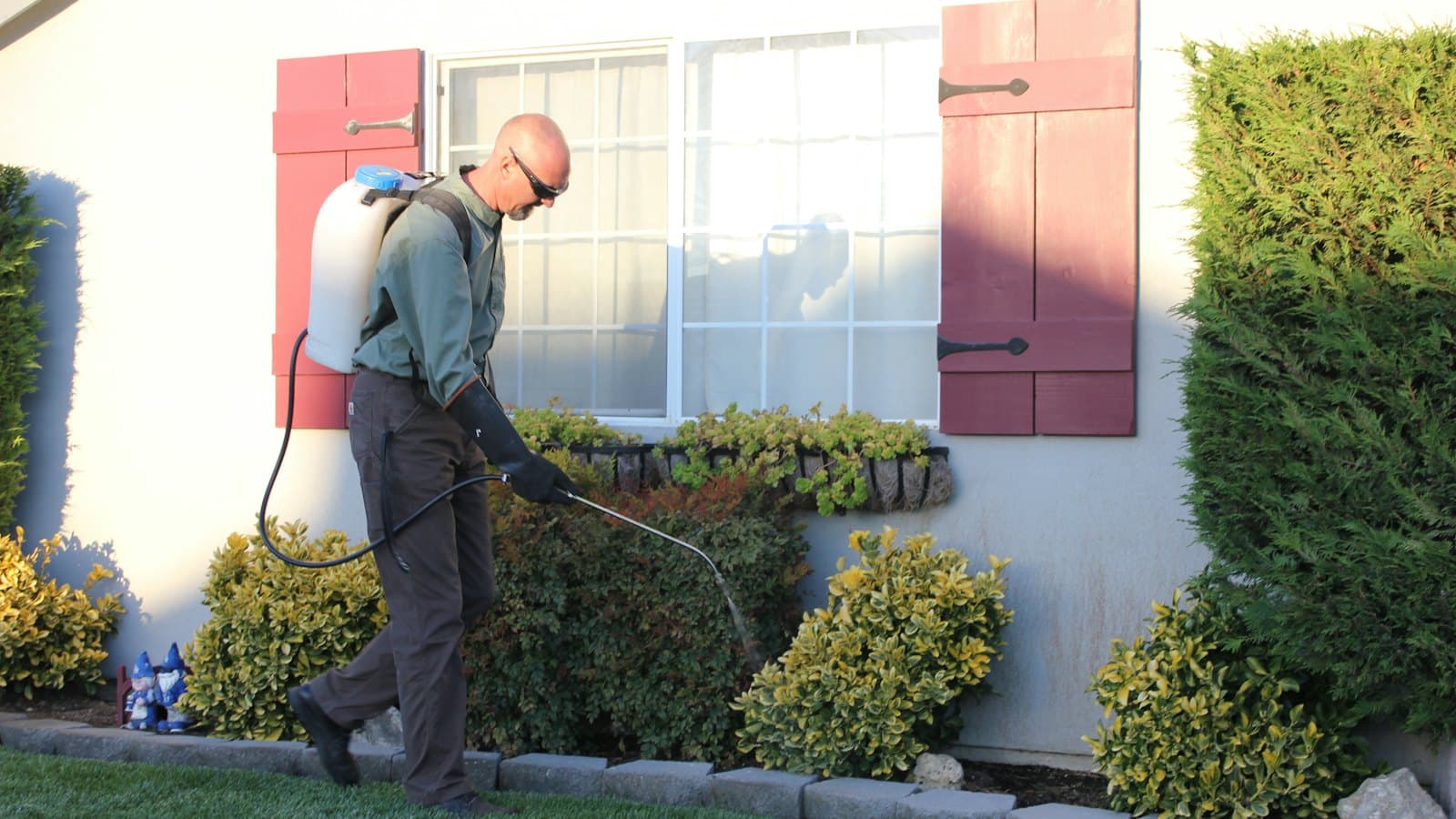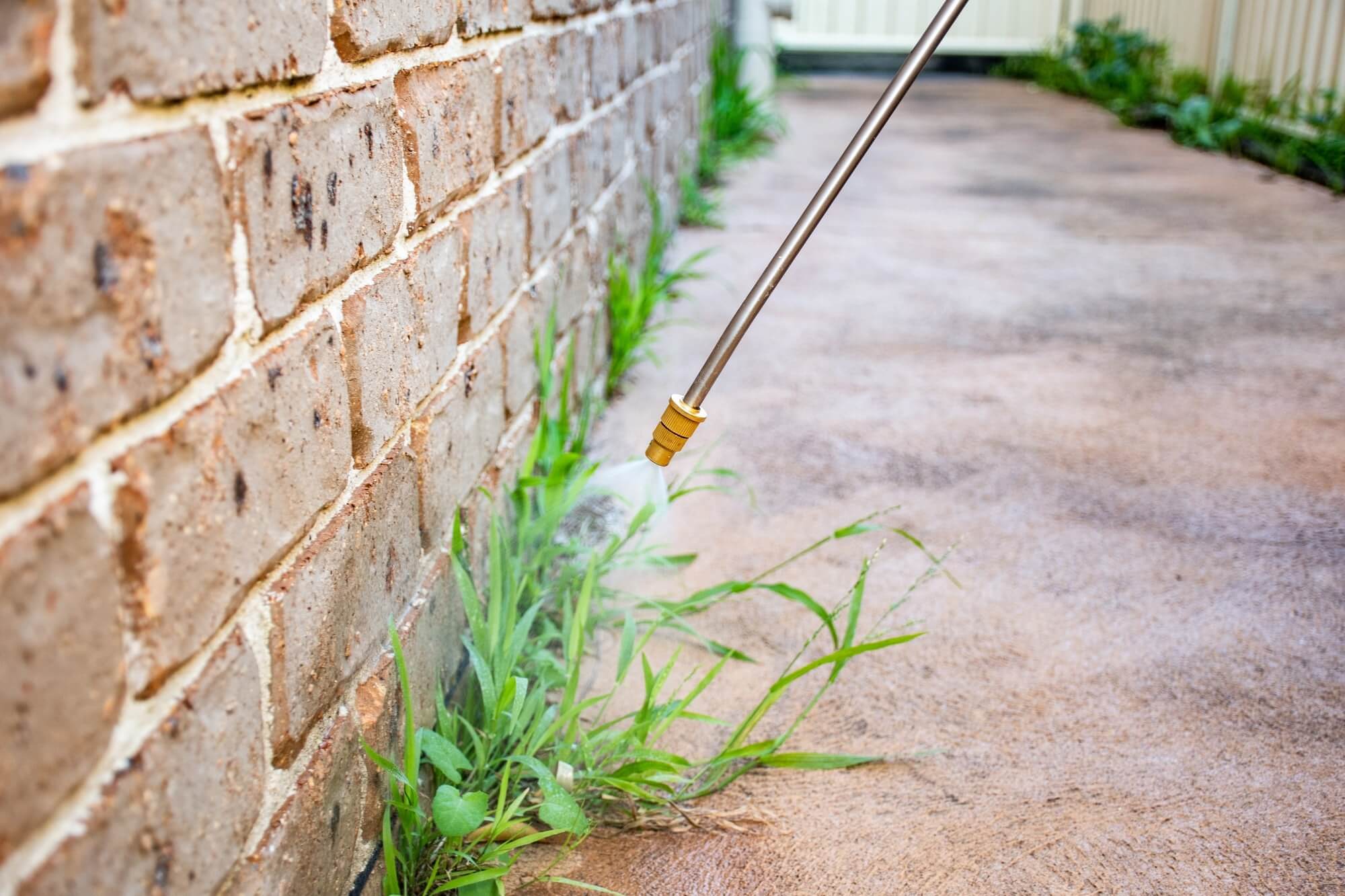
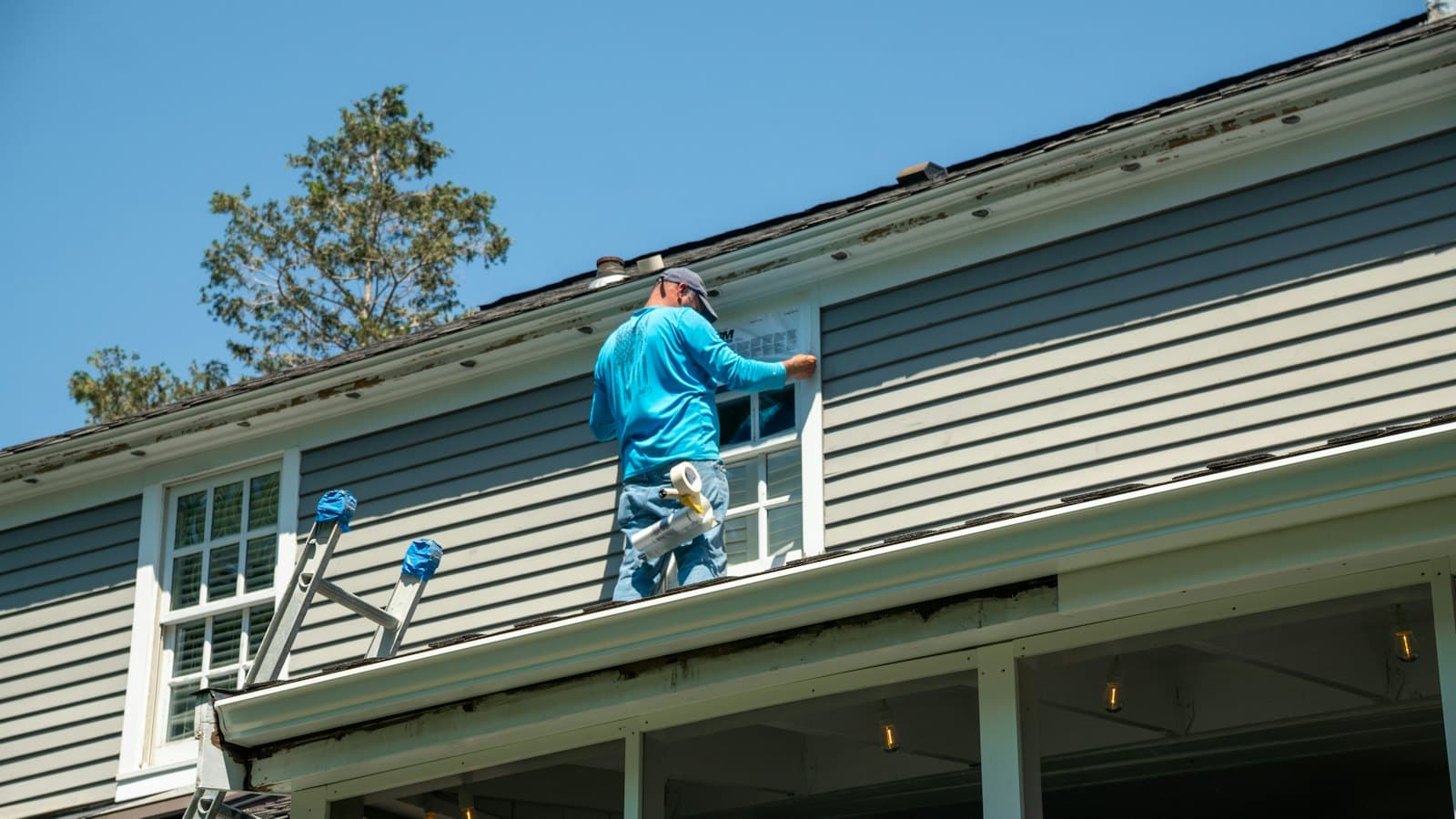
Spring is a fresh start for the yard, but in southern Utah it's also when pest activity really takes off. As temperatures climb and irrigation systems kick back on, insects and rodents become more active and go searching for food, water, and shelter. A home that hasn't been looked after through that transition can quickly become an inviting place for them.
From a professional point of view, spring pest control begins with preparation. Keeping pests out isn't only about treatments. It's about maintaining the house so pests have fewer chances to get in and settle. Focusing on a handful of key tasks can greatly reduce the risk of infestations through the season.
Knowing which tasks matter most makes it easier to keep the home protected.
Why Spring Upkeep Matters So Much For Pest Prevention
Spring brings changes that directly affect how pests behave, which makes it the most important time to check the house and get it ready.
- Warming temperatures. Pests move and reproduce faster
- Irrigation restarts. Damp soil and emitters create good conditions for insects
- New plant growth. Fresh greenery draws pests closer to the house
- Shelter seeking. Pests look for stable spots in and around the structure
- A fast transition. Activity levels change quickly in a matter of weeks
These factors stack on top of each other. Without maintenance, small weak spots can quickly turn into entry points or nesting areas.
Dealing with these risks early makes spring pest control more effective and reduces the need for reactive fixes later in the summer.
Outdoor Tasks That Keep Pests Out
The outside of the house is the first line of defense. Keeping it in good shape prevents entry and lowers the odds that pests move indoors.
- Seal stucco and slab cracks. Close gaps that let insects, scorpions, and rodents in
- Repair window and door screens. Keep flying insects from coming through
- Clear roof drainage. Remove debris from scuppers, valleys, and any gutters that hold moisture
- Trim plants. Keep shrubs, palms, and branches off walls and the roof
- Check the roofline. Look for gaps at vents, under tile edges, and around the fascia
These tasks create a barrier that limits access. Even tiny gaps can let pests in, so regular checks are essential.
Timing matters too. Getting ready before peak activity gives any spring treatment more room to work.
Indoor Tasks That Make The Home Less Attractive
Conditions inside the house also play a big role. Keeping things clean and controlled reduces the factors that draw pests in.
- Wipe food surfaces. Clean up crumbs and spills right away
- Store food properly. Use sealed containers to keep pests out
- Handle trash. Keep bins covered and empty them often
- Fix leaks. Remove the water sources pests depend on
- Cut clutter. Reduce hiding places in closets and storage areas
These steps make the home less appealing. When food and water are hard to find, pests are less likely to stay or nest inside.
Consistency is what counts. Even small lapses can give pests an opening to come back.
Parts Of The Home That Need Extra Attention
Some areas of a house attract more pests because of how they're built and used. Paying close attention to them helps catch problems early.
- Kitchens. Food and water make this a high-risk room
- Bathrooms. Humidity and plumbing attract pests
- Laundry and water heater closets. Warm, damp spaces support activity
- Attics. Hot, quiet spaces give pests shelter
- Garages. Gaps under the door and stored items create hiding spots
Checking these spaces regularly helps spot early signs of trouble, and handling issues there lowers the chance of a larger infestation.
It also helps to understand how pests behave across the year. A steady, year-round approach to upkeep adds even more value.
Why Maintenance Alone May Not Be Enough
Maintenance is a critical part of spring pest control, but it can't cover every factor behind pest activity. Many pests start outside the home, especially in the surrounding desert, washes, and neighboring yards, and they can still find a way in despite your best efforts.
Weather, neighboring properties, and seasonal changes all influence pest behavior. Even a well-kept home can have problems if the surrounding conditions support large pest populations.
Professional pest control adds another layer of protection. By finding hidden risks and applying targeted treatments, it complements maintenance and delivers more consistent results.
Ongoing monitoring means new activity gets handled quickly. That level of attention keeps things under control through the season and lowers the chance of repeat problems.
Without both pieces working together, pest control can stay incomplete. Maintenance lays the groundwork, and professional support strengthens long-term protection.
Preparation That Pays Off
Spring maintenance is one of the best ways to cut down on pest activity before it starts. By focusing on the key areas and staying consistent, homeowners can keep the house far more protected. For extra protection and expert support in St. George and Washington County, reach out to Butter Pest Control and take the next step toward a pest-free home.
Dealing with this pest at your place?
Butter serves St. George and southern Utah with free inspections and a re-treatment guarantee. Get an honest quote, no pressure.
Aspen Chournos
Aspen Chournos writes about desert pest pressure and prevention for homes and businesses across St. George and southern Utah.