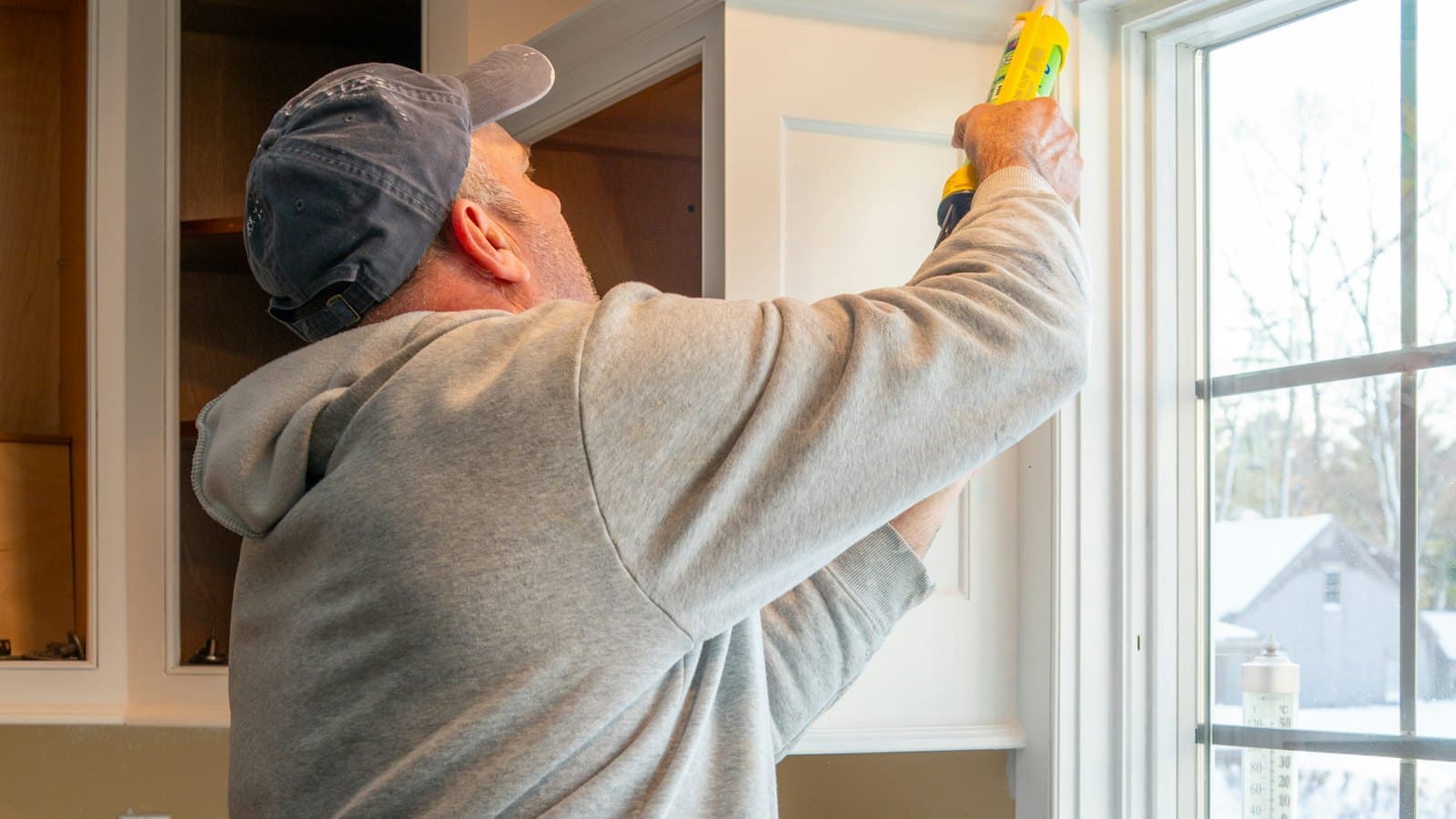
Winter in St. George is mild by most standards, but when nights dip toward freezing, pest behavior changes in predictable ways. Cooler temperatures mean less food and shelter outdoors, so many pests go looking for warmth and protection inside. Homes offer steady temperatures, hidden spaces, and plenty of entry points that often go unnoticed until activity picks up. Preventing winter infestations starts with understanding how pests get in and why sealing those openings matters before the coldest weeks arrive.
Winter pests don't show up at random. They follow structural weak spots, seasonal pressure, and changes in their surroundings. Good prevention focuses on blocking the routes in rather than reacting once pests are already settled. A professional assessment plays a big role in finding openings that are easy to overlook but very attractive to pests this time of year.
Why winter brings more entry attempts
Cooler months put survival pressure on pests that depend on sheltered spaces to get through cold nights. As desert plants go dormant and insects become scarcer, pests explore buildings more aggressively in search of warmth and places to nest.
- Gaps in stucco and at the slab that opened during the hot season stay open
- Utility penetrations leak warm air and provide hidden access
- Rooflines, tile edges, and vents offer high, undisturbed entry routes
- Garages act as a halfway shelter between outdoors and indoors
These openings are often small and hard to spot without experience. Once pests find a reliable way in, activity can increase quickly. Sealing entry points early interrupts seasonal migration and greatly lowers the chance of indoor nesting.
Common openings winter pests use
Pests take advantage of structural transitions where different materials meet and shift. In southern Utah, months of intense sun and wide temperature swings work these joints loose, leaving gaps that may not be visible from inside the house.
- Cracks in stucco and along the foundation edge
- Gaps around plumbing, electrical, and AC line penetrations
- Unscreened attic vents and openings under roof tiles
- Worn door sweeps, garage seals, and window framing
These openings let pests move straight into wall voids, attics, and garages without being exposed. Once inside, they can travel through the structure using hidden pathways. Understanding these routes shows why sealing takes precision instead of a quick once-over.
Why sealing takes more than one visit
Effective exclusion isn't a one-time job. Homes change with the seasons, and new weak spots appear as materials age and conditions shift. That's why sealing needs to be thorough and checked periodically.
- Temporary materials break down under heat and UV exposure
- Missed openings let pests back in
- Structural movement reopens gaps that were sealed before
- Pest pressure builds again with each seasonal cycle
This explains why some infestations keep coming back despite earlier efforts. Lasting results depend on exclusion strategies that adapt to structural and seasonal changes instead of one-off fixes.
Pests drawn in by indoor warmth
Different pests react to cooler weather in their own ways, but all of them are drawn to indoor warmth and shelter. Rodents, spiders, and overwintering insects are among the most common winter intruders around St. George.
- Rodents and pack rats look for insulation and protected nesting areas
- Spiders, including black widows, move indoors following their prey
- Overwintering insects settle into wall voids and attics
- Crawling pests and scorpions use low gaps at the foundation and door thresholds
Some of these pests carry risks that aren't obvious right away. Winter spider activity, for example, shouldn't be written off as harmless. Indoor conditions let pests stay active longer, which raises the chance of an infestation growing.
Why professional sealing offers stronger protection
Professional sealing focuses on finding and addressing every access point, not just the visible gaps. Specialists evaluate the structure, how its materials behave, and how pests move before choosing sealing methods.
- Entry points found through a systematic inspection
- Durable materials chosen for pest resistance and longevity
- Sealing timed to match seasonal pest behavior
- Vulnerable areas reinforced to hold up through the seasons
This approach makes it less likely pests will adapt or find another way in. Instead of relying on short-term fixes, professional sealing emphasizes durability, coverage, and prevention. Homes see fewer infestations and less need for reactive treatment through the winter.
A professional evaluation also accounts for local pest pressure and climate. Openings that stay quiet during the warm months may become the main entry routes once nights cool off. Addressing those risks early keeps the home protected through the whole cooler season.
Keep winter pests from moving in
Preventing winter pest activity takes more than reacting once pests are visible. Effective exclusion begins with understanding how pests get into a structure, why those openings become active in cooler months, and which areas are most likely to reopen as materials shift. A thorough sealing plan protects interior spaces, lowers long-term infestation pressure, and keeps the home more comfortable all winter. For reliable winter pest prevention and professional exclusion around St. George, contact Butter Pest Control.
Dealing with this pest at your place?
Butter serves St. George and southern Utah with free inspections and a re-treatment guarantee. Get an honest quote, no pressure.
Aspen Chournos
Aspen Chournos writes about desert pest pressure and prevention for homes and businesses across St. George and southern Utah.