People share their homes with spiders whether they like it or not, and a lot of the common wisdom about them does not hold up. Some of the corrections are just interesting. Others change how you should approach a spider problem.
1. Many Indoor Spiders Were Born Indoors
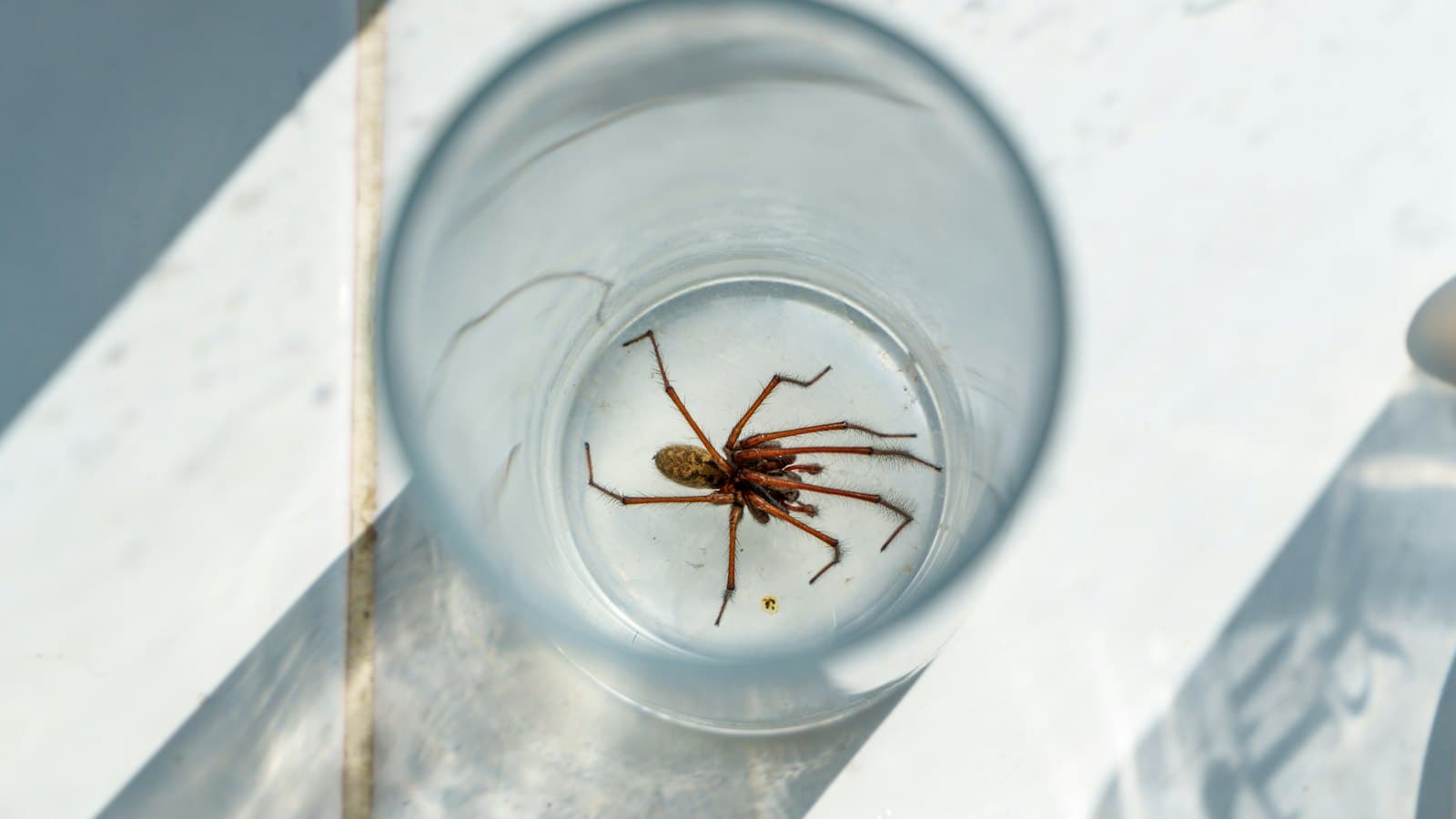
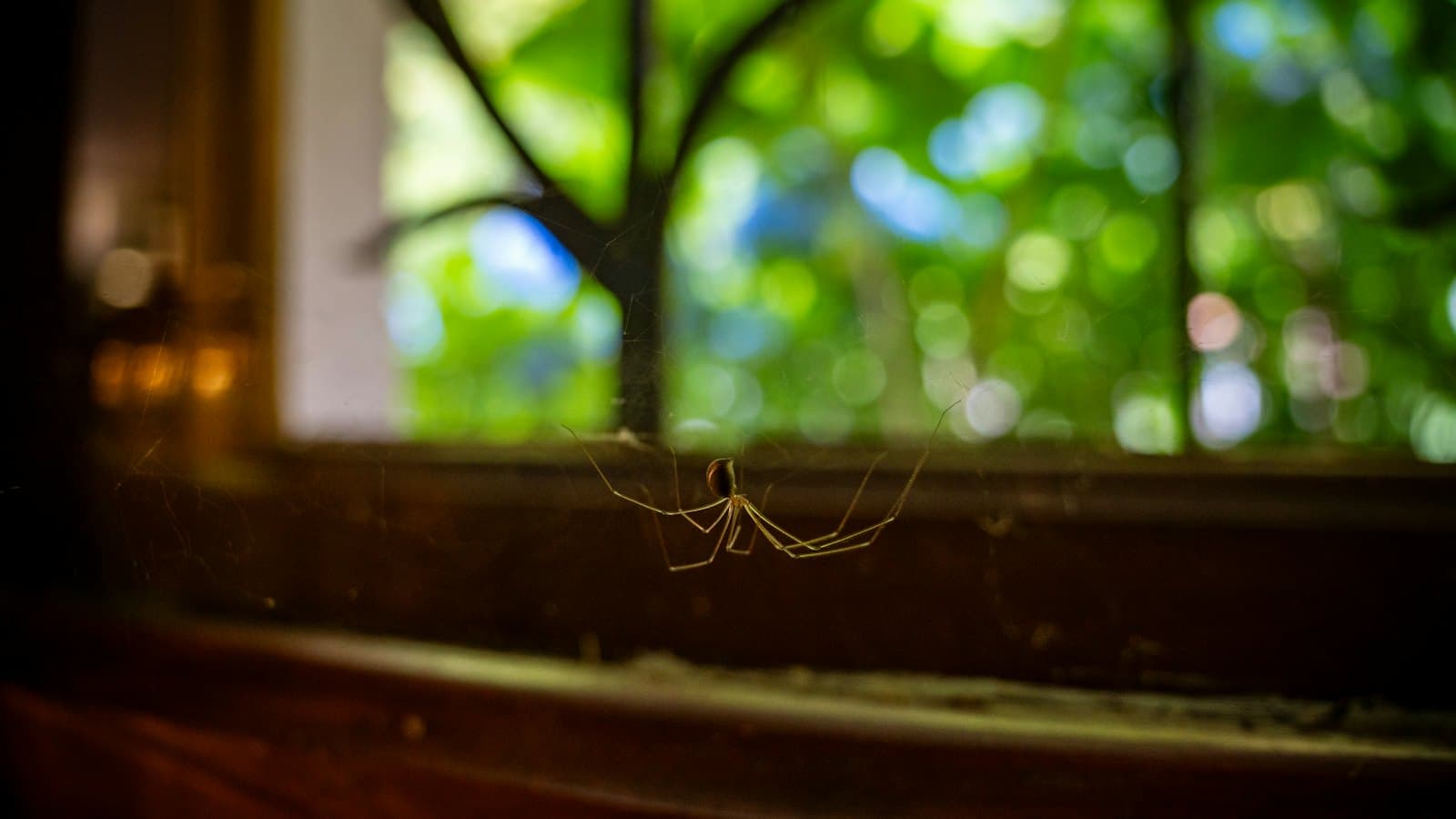
A good portion of the spiders you find inside are species built for indoor life. They mate, lay eggs, and die inside the walls, the garage, or the storage closet without ever setting foot in the yard.
Sealing the outside of the house helps, but it will not empty out a population that already lives within it.
2. Plenty Of Spiders Never Build A Web
Roughly half of all spider species skip the web entirely. Wolf spiders, jumping spiders, and many desert species stalk or ambush their prey on foot.
Few webs does not mean few spiders. In a desert home, it often just means the hunters are in charge.
3. A Spider Means There Is Food Nearby
Spiders only eat other living things, mostly insects. They are not after crumbs or fabric.
If spiders keep turning up, something is feeding them. In southern Utah homes that is often crickets, silverfish, small flies near drains, or the insects drawn to porch lights at night.
4. Real Bites Are Uncommon
Doctors and entomologists have pointed out for years that most "spider bites" are something else: skin infections, bites from other insects, or unrelated rashes.
Spiders bite when they are squeezed or trapped against skin. They do not go looking for people.
5. Southern Utah Has One Spider Worth Real Caution
The black widow is very common across Washington County, especially in block walls, meter boxes, and garages. Its bite deserves medical attention, though deaths are extremely rare with modern care.
Brown recluse spiders are not established in Utah. Desert recluse relatives exist in the broader Southwest, but most "recluse" sightings turn out to be harmless brown spiders.
6. One Egg Sac Can Launch Hundreds Of Spiders
Depending on the species, a single sac holds anywhere from a few dozen to several hundred eggs, and one female can make several sacs.
That explains the sudden wave of tiny spiders in a corner. They did not move in; they hatched.
7. They Can Go A Long Time Without Eating
Spiders slow their metabolism when food is scarce and can survive weeks or even months between meals. Many tolerate dry conditions remarkably well, which is part of why they do fine in the Mojave.
Keeping a house clean helps, but it will not starve them out on a useful timeline.
8. Spiders Make Several Kinds Of Silk
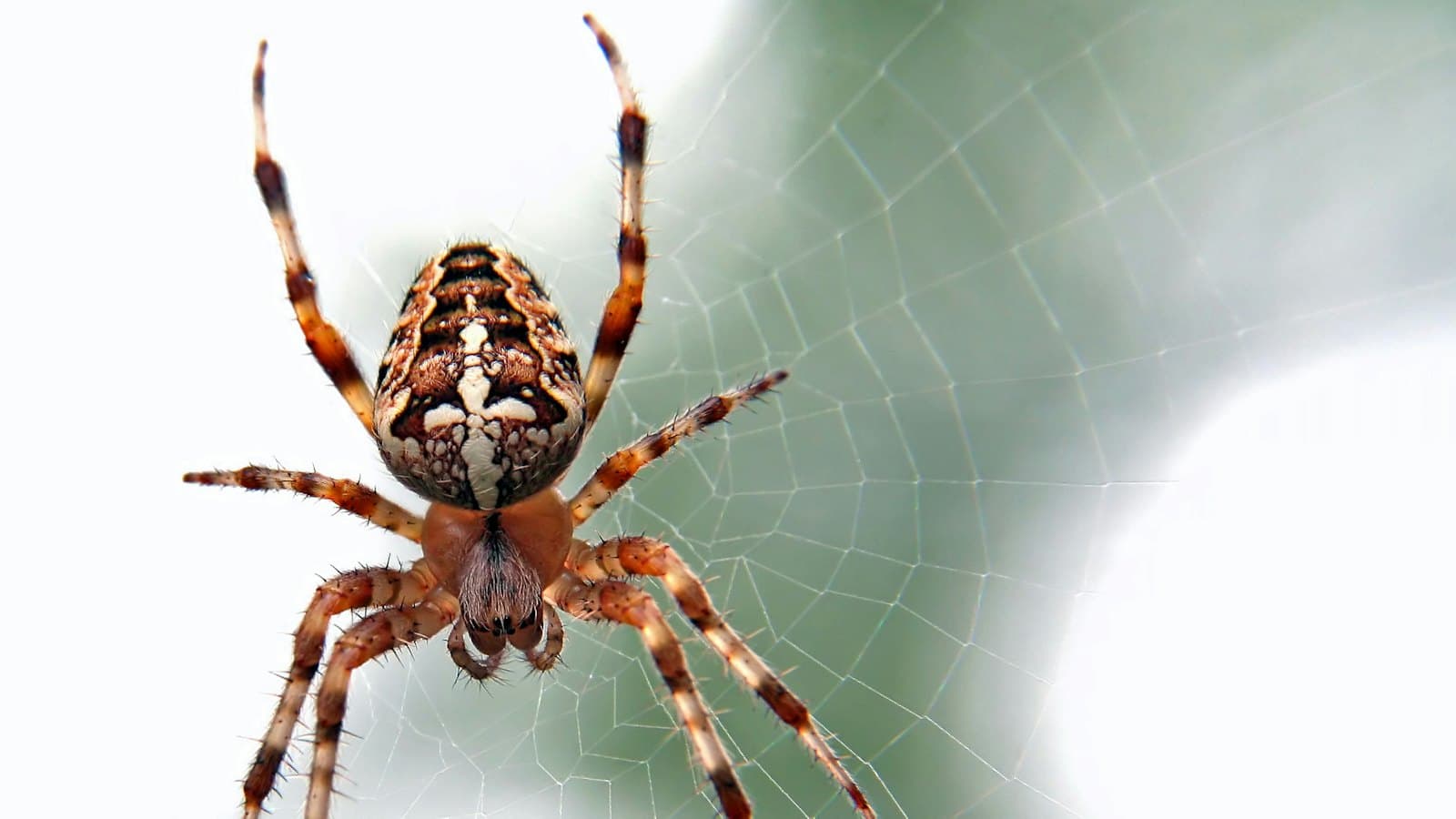
One spider can spin different silks from different glands: sticky silk for catching prey, safety lines for moving around, tough silk for egg sacs, and wrapping silk for meals. Ounce for ounce, some of it rivals steel.
9. Heat Changes Their Schedule More Than Cold Does
In St. George, summer is what reshapes spider activity. Hunters like wolf spiders become more active at night when temperatures drop, and many species push toward shaded, irrigated areas and the cooler interior of a house.
Winter here slows them down without shutting them off, so a mild January is not a reset.
10. Most DIY Sprays Never Reach Them
Spiders spend their days in voids, corners, and undisturbed spaces: behind stored boxes, under furniture, inside block walls, and around door frames. A spray across the open floor rarely touches those spots.
That is why the results from store-bought products tend to fade quickly.
What This Means For Your Home
Put these facts together and a clear picture emerges. The spiders you see are the visible tip of a population that is being fed by insects you have not noticed and sheltered by spaces you do not check.
Effective control deals with all three: the spiders themselves, the insects that sustain them, and the gaps, clutter, and moisture that make the house appealing.
If spiders keep coming back in your St. George home no matter how often you spray, contact Butter Pest Control. We will track down what is feeding them and deal with the problem where it starts.
Dealing with this pest at your place?
Butter serves St. George and southern Utah with free inspections and a re-treatment guarantee. Get an honest quote, no pressure.
Aspen Chournos
Aspen Chournos writes about desert pest pressure and prevention for homes and businesses across St. George and southern Utah.