Controlling wasps around a home is different from doing it on open land or at a commercial site. Nests hide inside lived-in structures, treatment happens where kids and pets play, the yard next door is out of your hands, and there is not much room for error.
Here are the problems that come up again and again, and what actually solves them.
Challenge: The Nest You Cannot Find
Most residential wasp calls do not start with a visible nest. They start with wasps buzzing around the kitchen window, or lots of activity by the pool with no obvious source.
Yellowjackets nest in the ground and inside walls. Those nests can get big before anything gives them away.
What works: Follow the flight lines instead of searching. On a warm afternoon, stand back and watch where the insects keep going. Wasps heading home fly a direct, purposeful line and disappear at one spot. Ten minutes of watching finds more nests than an hour of peering under eaves.
Indoors, note which room the wasps keep showing up in, then go check the outside wall of that room.
Challenge: Nests Inside Walls And Block Walls
Stucco cracks, gaps under roof tiles, unsealed utility openings, and the hollow cores of block walls give wasps plenty of hidden places to build around St. George homes. This is the situation most often handled badly.
What does not work: Plugging the entrance. The colony is inside and will find another way out, sometimes through the interior wall and into the house. Homeowners try this all the time and regret it.
What works: Treat the void first, through the existing opening, with a product that reaches the nest instead of just coating the hole. Watch for several days to confirm activity has stopped. Then seal it. If a large nest can be reached from the attic, removing it physically prevents a follow-up problem with beetles feeding on the dead brood.
Challenge: Treating Where Children And Pets Live
In a residential yard, there are limits on what can be used and where.
What works: Targeted treatment instead of broad spraying. Applying product directly to the nest after dark, when the colony is home and quiet, keeps it where it needs to be and away from surfaces people touch. Follow-up should focus on exclusion, such as sealing cracks, capping block walls, and screening vents, which is permanent and involves no chemicals at all.
Timing helps too. Treating at night rather than midafternoon leaves less residue in areas used during the day, and it produces a more complete result because the whole colony is in the nest.
Challenge: The Neighbor's Property
A nest one yard over sends foragers into your yard, and you cannot treat it.
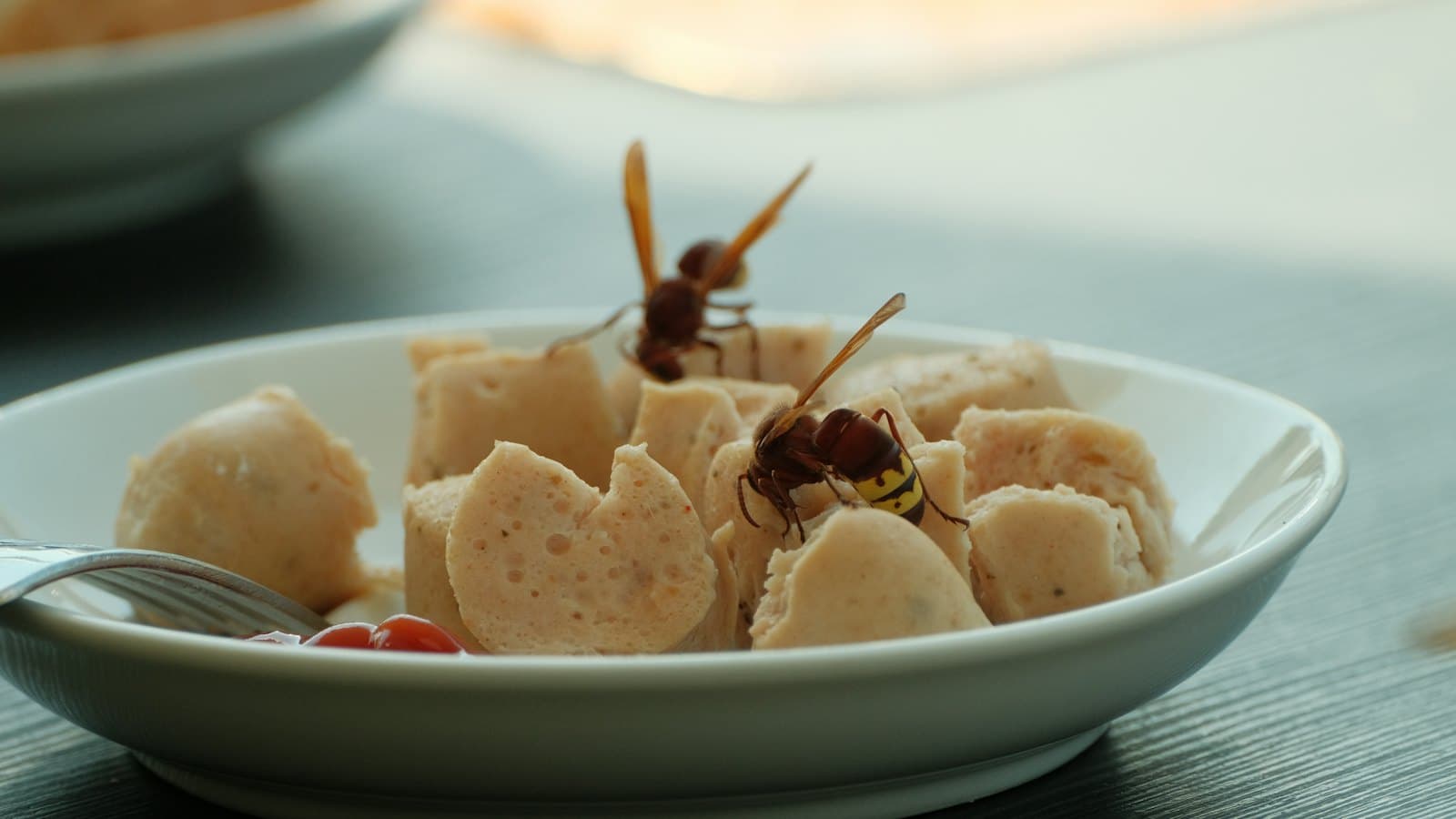
What works: Make your yard less appealing instead of trying to fix someone else's nest. Yellowjackets forage widely for protein and sugar, so closed trash cans, clean grills and patio tables, covered pet food, and picking up fallen fruit all help noticeably.
Water matters even more. In a St. George summer, your pool, a leaking drip line, or a misting system may be the main reason wasps from next door are spending their afternoons in your yard.
After that, talk to your neighbor. Most people have no idea they have a nest.
Challenge: Nests That Come Back Every Year
It is not the same colony, since old colonies die off over the cooler months. What comes back is the location.
A spot that worked for one queen usually works for the next: the same corner of the patio cover, the same block wall cap, the same gap under a roof tile, the same old burrow. People take this as a sign that treatment failed, when it is really a site problem.
What works: Remove the old nest after treatment, since lingering scent attracts new queens. Then change the site. Seal the gap, cap the block wall, screen the vent, or fill the burrow. Check those same spots again each February and March.
Challenge: Late-Season Discovery
Most people first notice wasps in late summer, when colonies are at their largest and most defensive. That is the worst time to deal with them and the most common time people try.
What works: Start looking earlier. A walk around the property in late winter and early spring, checking eaves, patio covers, block walls, sheds, and the ground along edges, catches nests while they are tiny. In St. George, that window opens earlier than many people expect, often by February.
Challenge: Knowing When To Stop
The line between manageable and dangerous is hard to judge from a ladder.
Stop and call for:
- Ground nests, every time
- Nests inside walls, block walls, or attics
- Any large, enclosed paper nest
- Anything above shoulder height
- Anything after early summer
- Any household with a sting allergy
- Any nest you cannot identify, or any swarm of bees
Store-bought sprays are designed for use a few feet away. On a mature yellowjacket nest, a few feet is well inside the zone they defend.
The Underlying Solution
Wasp control around a home works best as prevention instead of reaction: seal up in winter, inspect early in spring, manage water and trash through the summer, and handle nests while they are still small.
Butter Pest Control provides stinging insect service throughout St. George and Washington County. If you have wasps and would rather not find the nest the hard way, contact us.
Dealing with this pest at your place?
Butter serves St. George and southern Utah with free inspections and a re-treatment guarantee. Get an honest quote, no pressure.
Aspen Chournos
Aspen Chournos writes about desert pest pressure and prevention for homes and businesses across St. George and southern Utah.