Many people assume eco-friendly hornet control means swapping a conventional spray for a natural one. In reality, the biggest environmental gains come from elsewhere: avoiding the need to treat at all, treating precisely when you must, and not killing helpful insects by mistake.
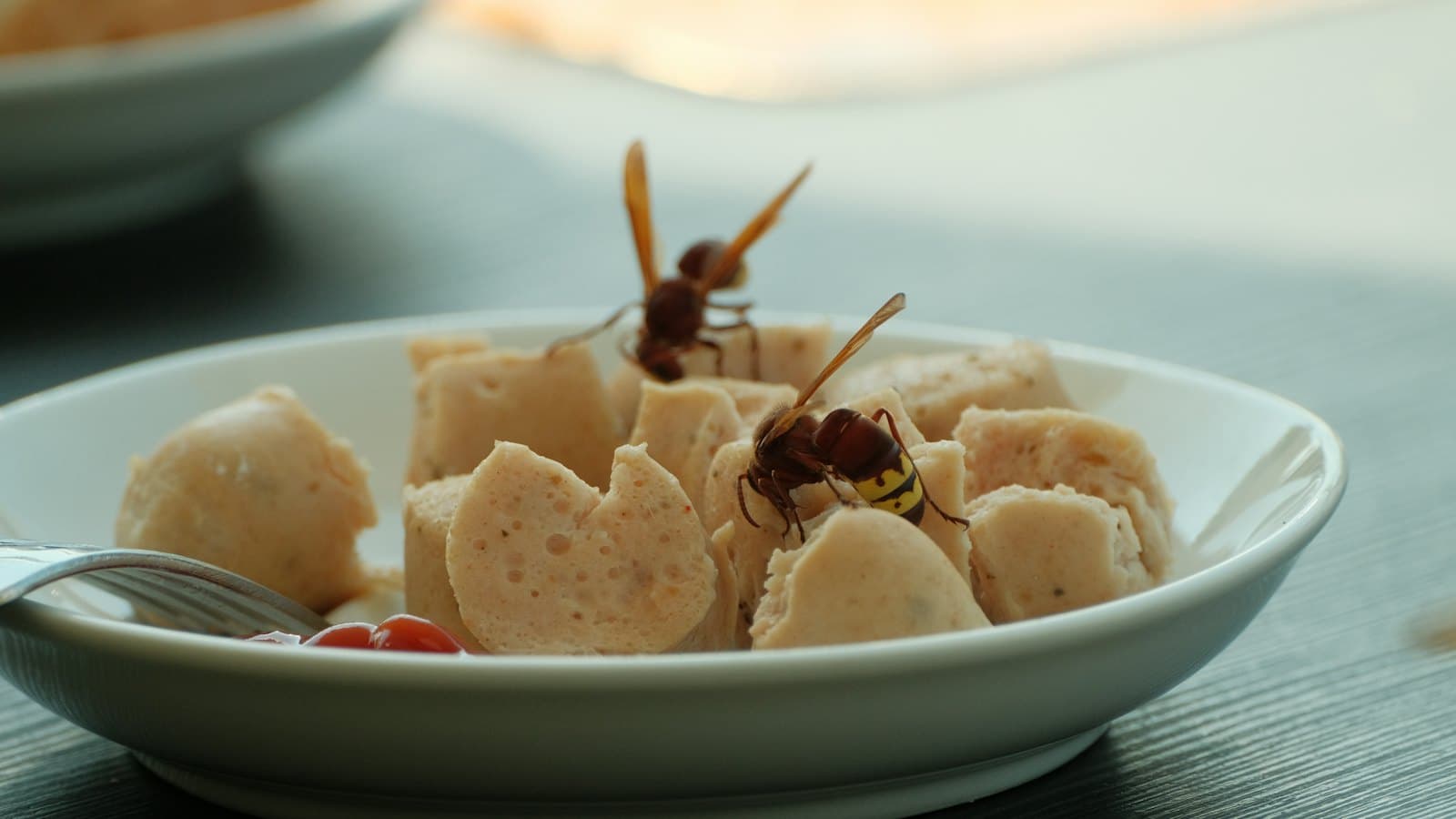
A quick note on names: around St. George, most insects people call hornets are actually paper wasps or yellowjackets. True hornets are not established in Utah, and bald-faced hornets are uncommon in the low desert. Everything below applies to all of them.
Start By Not Killing The Wrong Insects
The largest environmental cost of stinging-insect control is usually collateral damage. Broad yard spraying, blanket treatments along every eave, and generic wasp sprays hit far more than the target.
That matters because most stinging insects around a property are harmless or helpful:
- Mud daubers are solitary, rarely sting, and eat a lot of spiders, including black widows
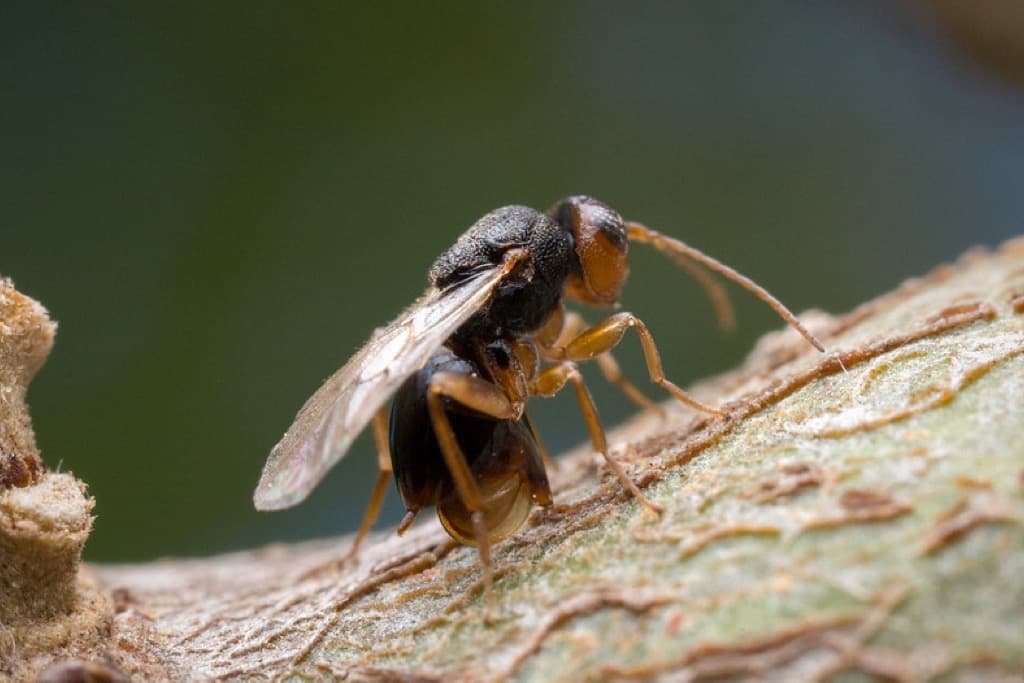
- Parasitic wasps keep caterpillars and aphids in check
- Native bees, which are especially diverse in southern Utah, are vital pollinators and often mistaken for wasps
- Honey bees need a beekeeper or bee professional, not a can of spray, though Africanized bees in Washington County mean swarms should never be disturbed
- Paper wasps are serious caterpillar predators and defend only a small area
Getting the identification right before doing anything is the single biggest environmental improvement available here. Much of what people want gone does not need to go.
Prevention Does The Heavy Lifting
Every nest you prevent is a treatment you never need. Physical prevention has essentially no environmental cost and lasts, which spraying does not.
Seal in the cool months. Colonies are mostly inactive from December into early February. That is the time to fill stucco cracks, cap open block walls, screen attic and soffit vents, seal utility openings, and fix gaps under roof tiles, all places queens use in spring.
Inspect from February through April. A queen starting a nest works alone for weeks. A nest found at that stage can often be knocked down with no product at all.
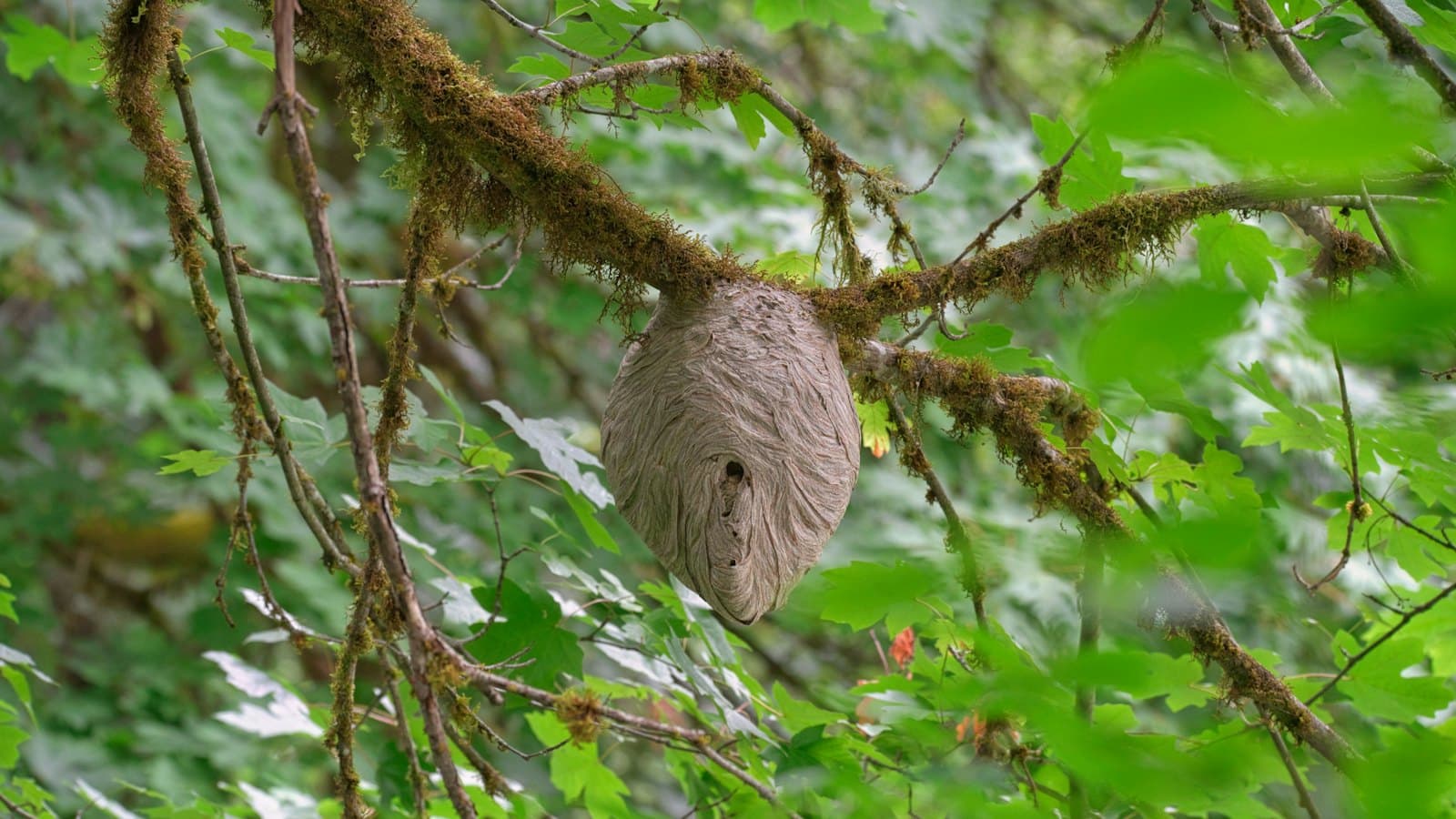
Take down old nests. Leftover scent draws new queens to proven spots. Removing last year's nest in winter lowers the odds of a repeat.
Manage water. In the Mojave, water draws wasps more than food does. Fixing a dripping hose bib, adjusting a sprinkler, or moving a pet bowl can shift activity away from a patio entirely.
Manage food and trash. Closed bins, rinsed recycling, covered pet food, and prompt cleanup after outdoor meals greatly reduce late-season scavenging.
Physical Removal Where It Is Safe
Early-season paper wasp nests in easy-to-reach places can be removed by hand: knocked down at night with a long pole, then the spot cleaned so they do not rebuild there.
That only works under specific conditions: a small nest, early in the season, built by paper wasps rather than yellowjackets, below shoulder height, and nobody in the house allergic. Outside those limits it stops being eco-friendly and starts being unsafe.
Targeted Treatment When Treatment Is Needed
When a nest really does need to be treated, three choices determine its environmental footprint.
Treat the nest, not the yard. Applying product directly into the nest uses a tiny fraction of what perimeter or broadcast spraying does and keeps it where it belongs.
Treat after dark. The whole colony is home, quiet, and clustered. That means one complete treatment instead of several partial ones, and it avoids exposing bees visiting nearby flowers during the day.
Treat once, and do it right. Repeated half-successful attempts with store-bought products put much more total material into the environment than one well-executed treatment. For that reason, the greener choice is often the professional one.
What To Be Skeptical Of
Several popular natural remedies do not hold up:
Peppermint and essential oil sprays. These may briefly push away a few wasps. They do nothing to an established colony, and sprayed heavily and often, they are not harmless either.
Fake decoy nests. The idea is that wasps avoid other colonies' territory. Real-world results are inconsistent, and counting on one can mean a real nest grows unnoticed.
Soapy water on large nests. It can work on a very small, reachable paper wasp nest. On a mature yellowjacket nest it kills some and alarms the rest, which is a dangerous result.
Sealing an active void. That is not a treatment. It pushes the colony inward, often into the house.
Living With What You Can
Not every nest needs to be removed. A paper wasp nest under the eave of a back shed, well away from where anyone walks, is eating caterpillars and posing very little risk.
Saving treatment for nests that create real risk, such as those near doors, walkways, pools, and play areas, or inside walls and the ground, cuts total treatment way down while still dealing with the actual hazard.
What This Looks Like In Practice
Seal up in winter. Inspect early in spring. Identify before acting. Remove by hand where it is safe. Treat precisely, at night, once, where treatment is needed. Leave the helpful species alone.
Butter Pest Control uses targeted, lower-impact methods across St. George and Washington County. If you want stinging insects handled without blanket spraying, contact us.
Dealing with this pest at your place?
Butter serves St. George and southern Utah with free inspections and a re-treatment guarantee. Get an honest quote, no pressure.
Aspen Chournos
Aspen Chournos writes about desert pest pressure and prevention for homes and businesses across St. George and southern Utah.