No. A good share of the bugs that wander indoors are harmless, and some are doing you a favor. Spraying every one you see is not necessary, and sometimes it wipes out something that was helping.
Here is a simple way to sort them.
Genuinely Beneficial
Most spiders. Technically not insects, but they go first because they are the helpful creature people kill most often at home. Spiders eat flies, mosquitoes, moths, and other insects, and a cellar spider in a garage corner is free pest control. The big exception is the black widow, which is common around St. George and is the spider of real medical concern in Utah.
Mud daubers. Solitary wasps that stock their mud nests with spiders, black widows included. They are calm and almost never sting. Their mud tubes are only a cosmetic issue.
Parasitic wasps. Mostly tiny and easy to overlook, they keep caterpillars, aphids, and beetle larvae in check. Most of them cannot sting people at all.
Lacewings. Delicate green insects with lacy wings that come to porch lights and drift inside. Their larvae eat huge numbers of aphids. Harmless.
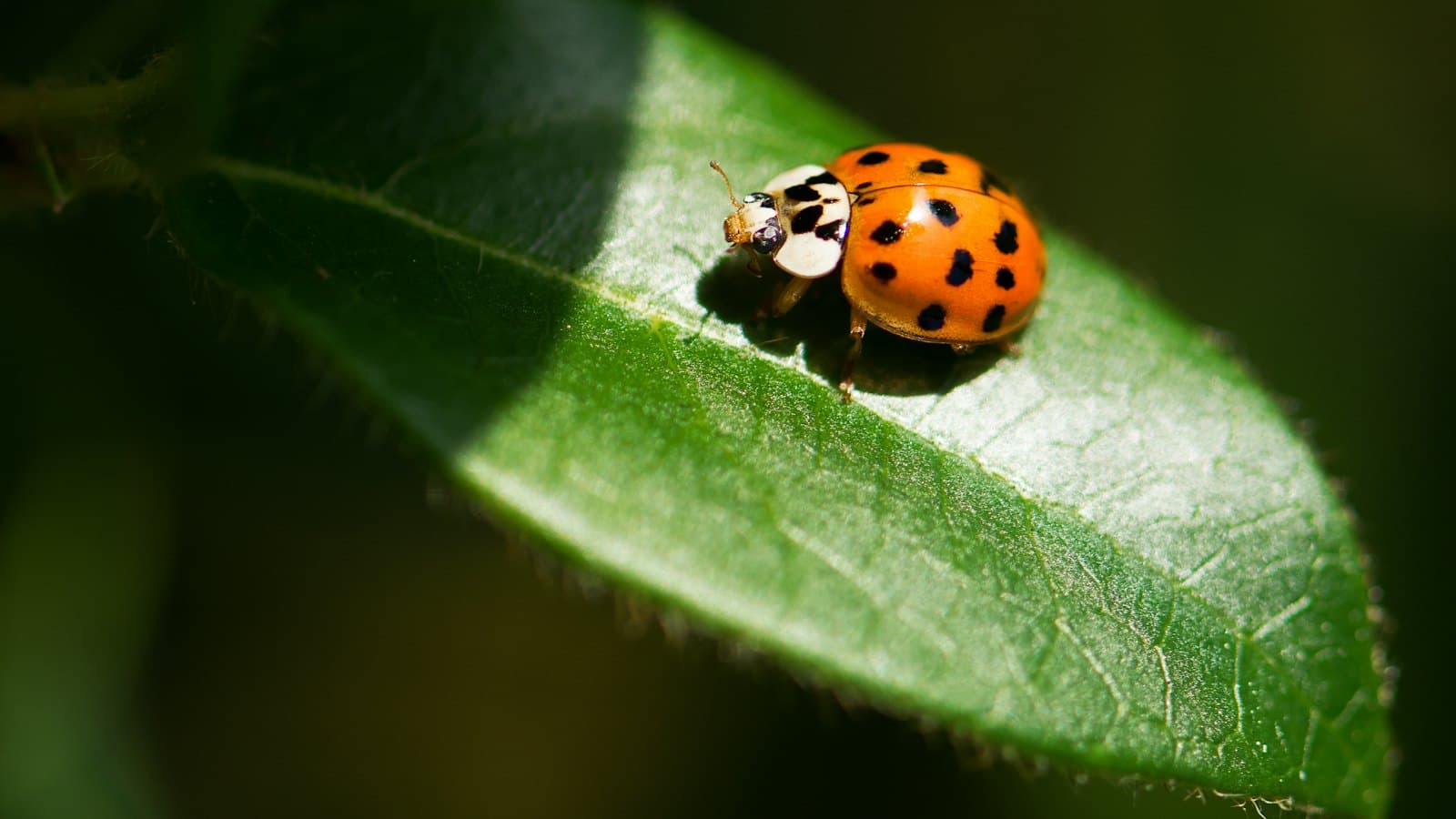
Lady beetles. Aphid hunters that are welcome in any garden. They do no damage indoors and do not breed inside.
Ground beetles. Predators that simply wandered in. Harmless, and they cannot build a population indoors.
Harmless Nuisances
These cause no damage. The best fix is to remove them and seal the gap they used.
Crane flies. Big, leggy, and startling, but completely harmless. They do not bite and are not oversized mosquitoes.
House centipedes. Fast, leggy, and unnerving to many people. They prey on cockroaches, silverfish, and spiders and pose no real threat to people.
Box elder bugs. Less common here than in colder parts of the state, but they do turn up. They do not bite, do not harm the house, and do not breed indoors. Strictly a nuisance.
Earwigs. The pincers look scary but are basically harmless. They do point to moisture around the house, which is worth fixing, but the insects themselves damage nothing.
Sowbugs and pillbugs. Not insects at all. They signal damp spots and are otherwise harmless.
Millipedes. Often show up in large numbers after monsoon rains. Harmless, and they die quickly once indoors because it is too dry for them.
Crickets. More noise than harm. Worth knowing, though, that they are a favorite food for scorpions and black widows, so lots of crickets often means more of both.
Actual Pests
These are worth acting on.
Cockroaches. They contaminate food and surfaces and are a known asthma trigger. Any sighting deserves attention, whether it is a German cockroach in the kitchen or an American or Turkestan cockroach coming in from outside.
Fleas, mites, and ticks tied to rodents. They arrive with rodents and stick around after the rodents leave.
Pantry beetles and Indianmeal moths. They breed in stored food and move from one package to the next.
Carpet beetles. Their larvae chew wool, silk, leather, and other natural fibers. People often blame moths.
Clothes moths. Their larvae damage natural-fiber fabrics.
Termites. Subterranean termites are common in Washington County and cause real structural damage.
Yellowjackets and paper wasps nesting on or inside the house. A genuine safety risk, especially near doors and walkways.
Silverfish. They damage paper, books, wallpaper, and stored items.
Bed bugs. They need professional treatment. This is not a do-it-yourself job.
The Middle Ground
Ants. It depends on the species and how many there are. A few scouts are not an infestation; a steady trail is. Harvester ants deliver painful stings and are worth removing from yards where kids and pets play. Most others are a nuisance.
Flies. They do no damage on their own, but they point to a source. House flies mean trash or organic waste. Fruit flies mean ripe produce. Drain flies mean buildup in a pipe. Fungus gnats mean overwatered plants. Fix the source instead of chasing the flies.
Paper wasps. A nest tucked far from foot traffic is eating caterpillars for you. The same nest over the front door is a hazard. Location decides it.
How To Decide
Three questions cover most situations.
Is it damaging anything? The structure, fabrics, stored food, or the house itself.
Is it a health risk? Disease, allergens, venom, or stings.
Is it breeding indoors, or did it just wander in? This is the key question. Occasional invaders cannot keep a population going inside and will not multiply. Finding a few over a season means there is a gap to seal, not an infestation to treat.
If all three answers are no, the sensible move is to take the bug outside and close the way it got in.
Why Restraint Is Worth It
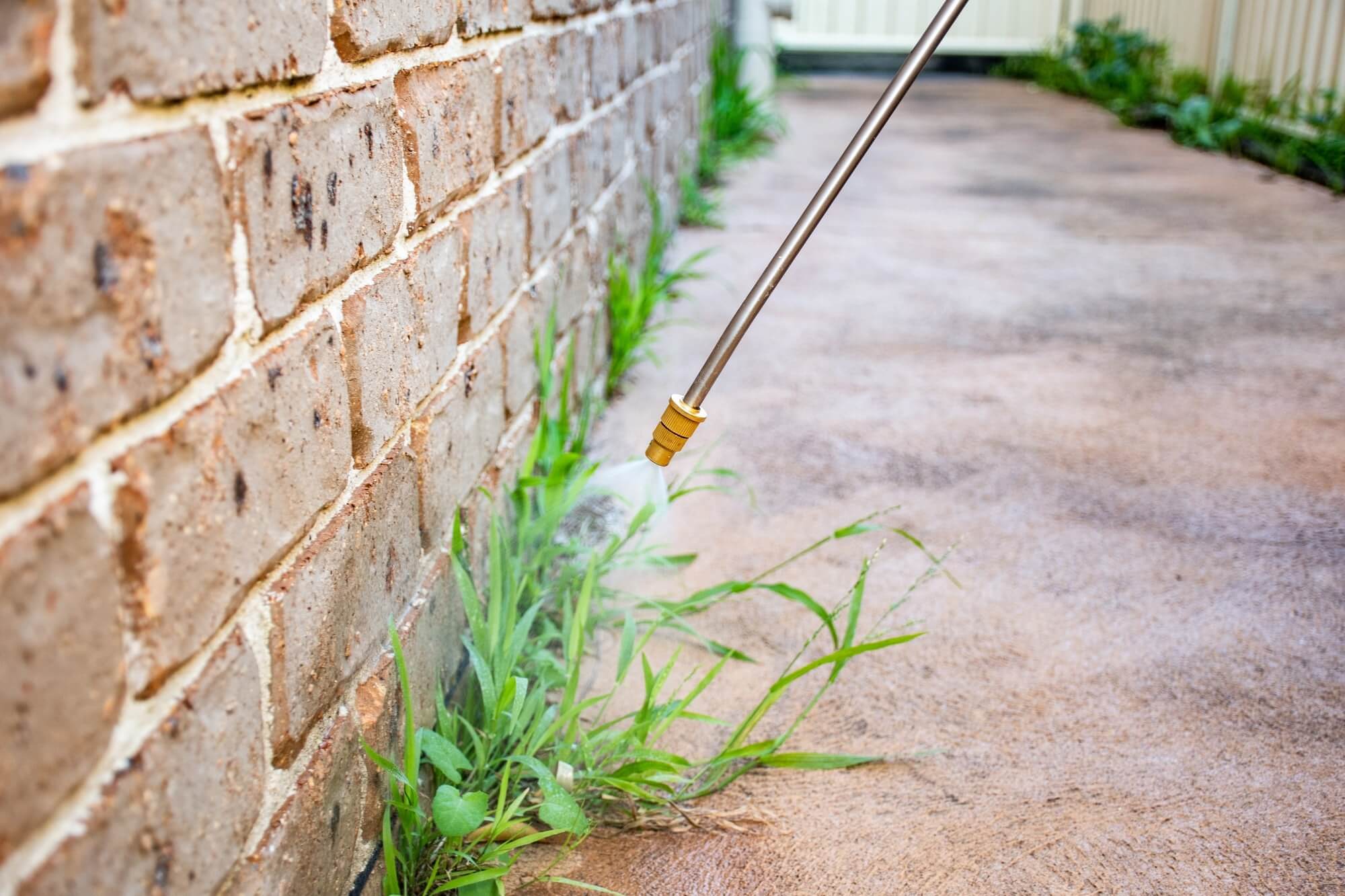
Broad spraying kills everything, including the spiders and predatory insects that were keeping other pests down. It adds product to your home for no reason, and it does nothing about the gap the bug came through, so the next one shows up right on time.
A targeted approach works better: figure out what it is, decide whether it matters, and close the entry.
If you keep finding insects and are not sure which group they belong to, contact Butter Pest Control. We would rather tell you something is harmless than treat it for no reason.
Dealing with this pest at your place?
Butter serves St. George and southern Utah with free inspections and a re-treatment guarantee. Get an honest quote, no pressure.
Aspen Chournos
Aspen Chournos writes about desert pest pressure and prevention for homes and businesses across St. George and southern Utah.