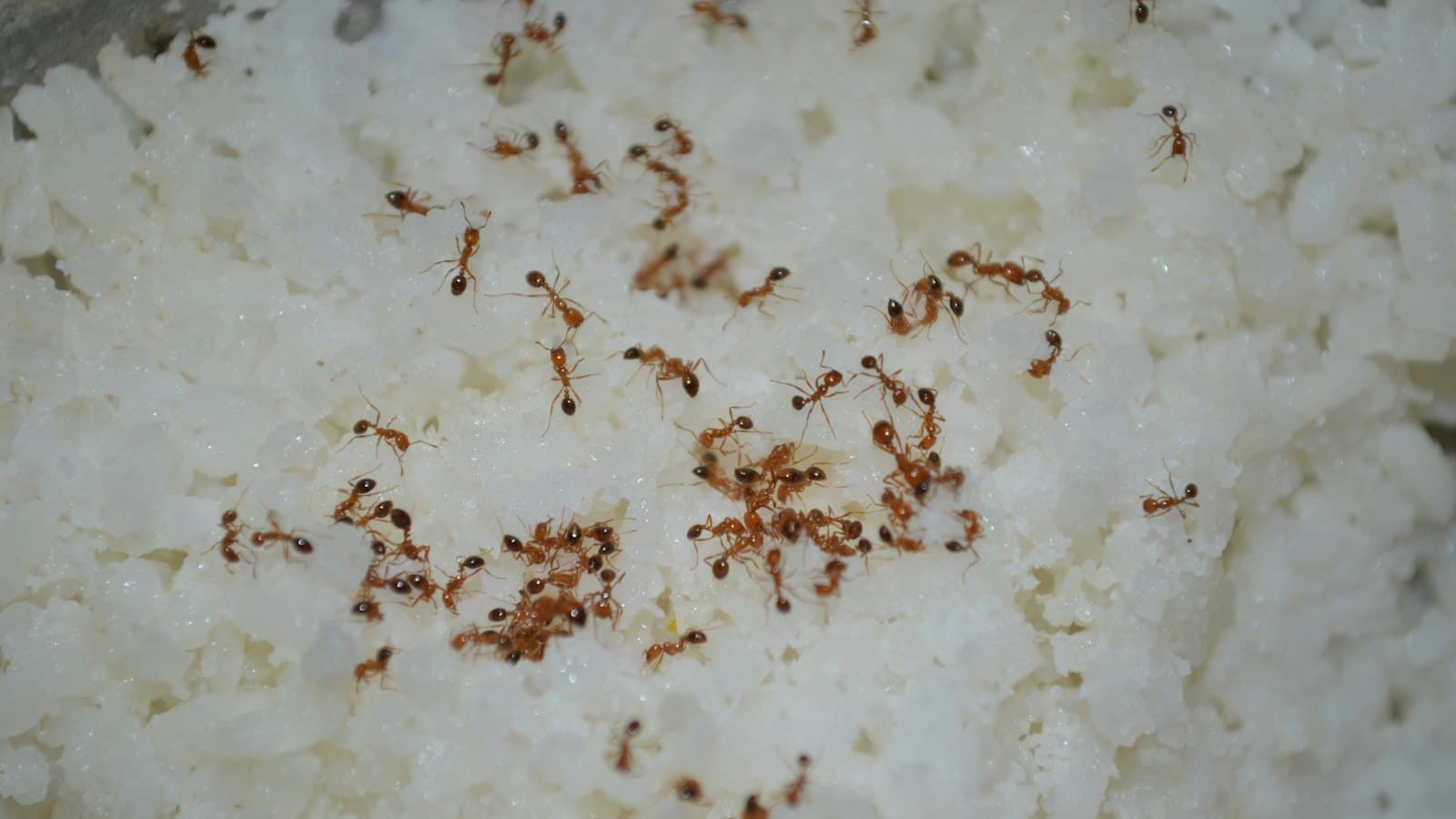
Some commercial buildings fight ants every year while others almost never see them. The difference is not luck. It comes down to a handful of conditions, and once you know where your building falls on that list, you know how much prevention it really needs.
Food Service
Restaurants carry the most risk by far, and the reasons stack on top of each other.
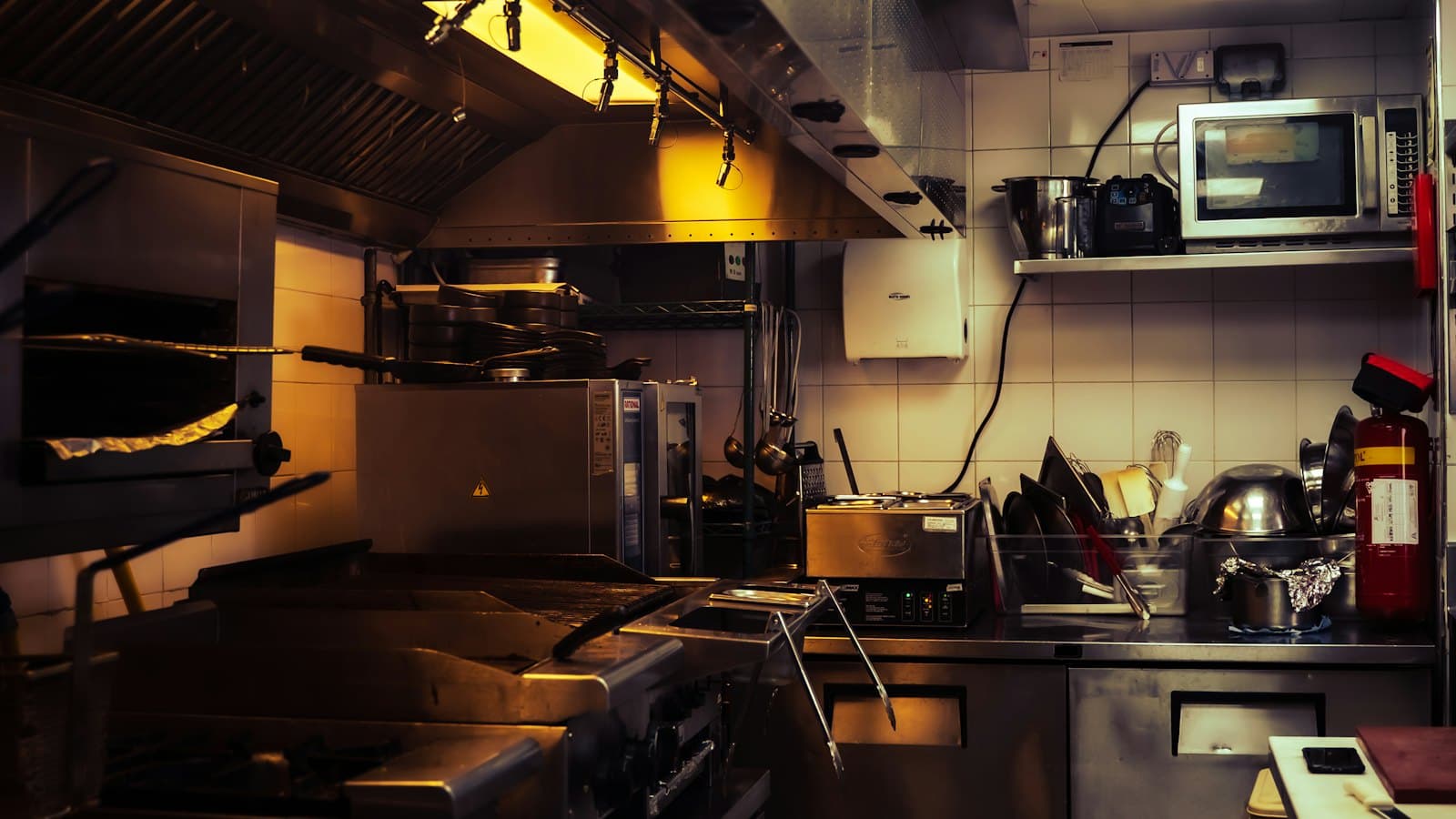
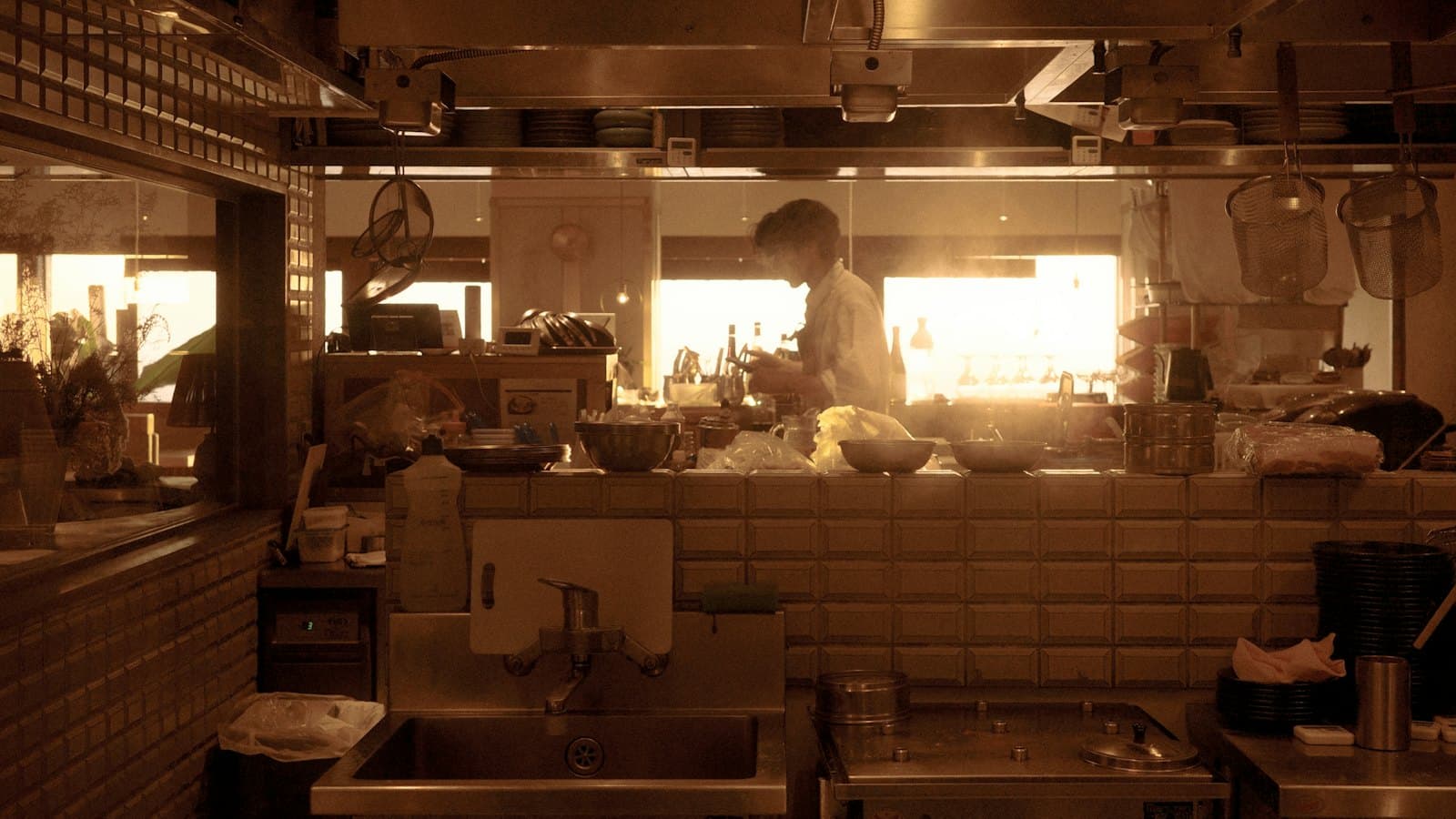
A commercial kitchen has food residue all day, water everywhere, heat that keeps the space warm in every season, lots of floor drains, large amounts of waste, and doors that are propped open during service. Each of those would draw ants by itself.
Where trouble usually starts:
- Grease built up under and behind the cook line, which feeds ants and shelters them
- Floor drains coated with organic film
- Dish stations that never fully dry
- Dry storage with torn or open packaging
- Dumpster pads, which are often where outdoor colonies get their start
- Soda and syrup lines, which pull in sugar-feeding ants fast when they drip
And the stakes are higher. Ants spotted during a health inspection are a violation whether or not a single customer saw them.
Grocery, Convenience, And Food Retail
The same pressures, spread over a bigger building.
Produce sections stay damp and produce organic waste. Bakeries and delis offer both sugar and protein. Receiving doors stand open for long stretches. Back stock sits untouched between rotations, giving colonies quiet places to settle.
The unique problem here is incoming product. Pallets coming off a truck can carry ant colonies with them, skipping right past every barrier around the building.
Healthcare And Assisted Living
These buildings carry more risk than most managers assume, and southern Utah has no shortage of senior living and care facilities.
Residents keep food in their rooms, plumbing runs everywhere, bathing and laundry areas stay humid, and the indoor temperature stays comfortable for ants year-round. Kitchens and nutrition stations never really close.
The challenge is that treatment is restricted. Occupied rooms, fragile residents, and infection-control rules limit both the products that can be used and when technicians can work, so sealing and prevention have to do more of the heavy lifting.
Schools And Childcare
Few buildings have food in as many places. Classroom snacks, the cafeteria, the staff lounge, vending machines, and backpacks all count, and cleanup is never perfectly consistent.
Product choices are limited around kids, and many buildings sit mostly empty in summer, which in St. George is exactly when ant colonies are most active. Staff often return in August to find colonies that have been growing undisturbed for weeks.
Hospitality
St. George and the Zion corridor run on visitors, and hotels, resorts, and vacation rentals give ants plenty to work with: food in guest rooms, plumbing inside shared walls, laundry, pools and spas, restaurants, and a steady flow of people in and out.
Multi-story buildings add a twist. Ants climb through plumbing chases and utility runs between floors, so a complaint on the third floor can trace back to a mechanical room near the ground.
Warehousing And Distribution
Less food, more building.
Wide dock doors, long perimeters, pallets that sit for weeks, and freight that may arrive with ants already aboard. Many warehouses in the area sit next to open desert lots, which puts native colonies like harvester ants right up against the slab.
If the warehouse stores food or consumer products, the risk climbs.
Offices And Professional Space
The lowest risk of the group, but not zero.
Break rooms, coffee stations, desk snacks, and the shared fridge are the usual draws. Problems tend to stay small and easy to manage. The real danger is that low risk breeds inattention, so nobody looks until ants are on the counter.
The Underlying Drivers
Whatever the building type, the same four things decide the risk.
Moisture. In the Mojave Desert, this is often the biggest factor. Leaks, drains, AC condensate lines, and irrigation spraying the walls matter more here than in wetter places, because reliable water is hard for ants to find in the open desert.
Food access. It is not just what is stored. Residue, grease, spills, and how trash is handled matter more than the pantry.
Structural openness. How many hours the doors stand open, how well door seals fit, whether utility lines are sealed, and whether there are gaps along the slab.
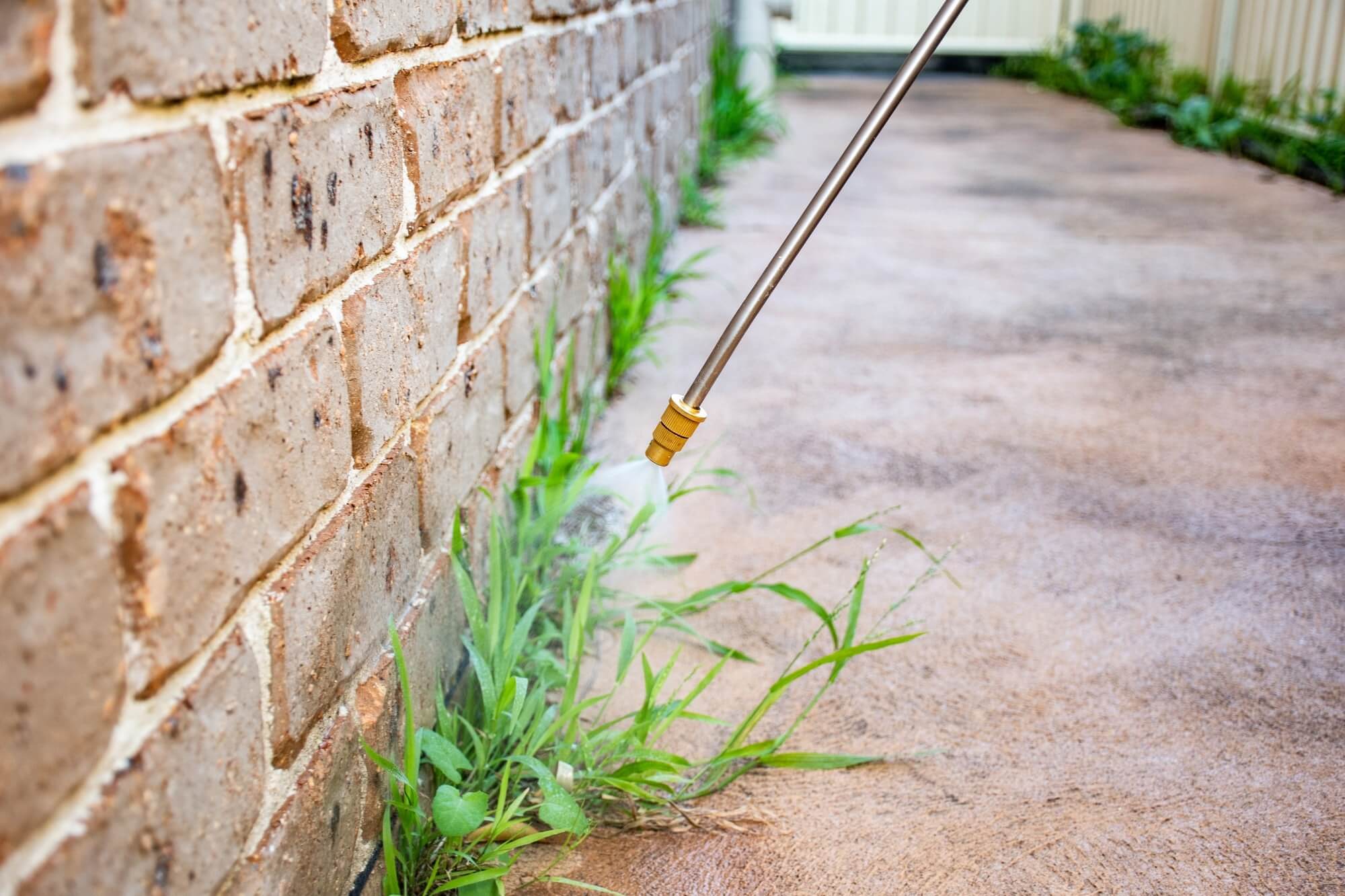
Exterior conditions. Irrigated beds, turf, and shrubs against the building, dumpster placement, and plants touching the walls all bring colonies within reach.
What Reduces Risk
- Fix sanitation problems first, especially drains and grease under equipment
- Repair leaks quickly, including drip lines and sprinklers near the walls
- Seal utility openings, foundation gaps, and door seals
- Keep a strip of bare gravel or hardscape around the perimeter with no plants touching the building
- Locate dumpsters away from entrances and keep the enclosure clean
- Check incoming deliveries, particularly pallets
- Match service frequency to the real risk instead of a default schedule
Butter Pest Control services restaurants, healthcare facilities, retail stores, hotels, and warehouses across St. George and Washington County. Contact us to have your building assessed.
Dealing with this pest at your place?
Butter serves St. George and southern Utah with free inspections and a re-treatment guarantee. Get an honest quote, no pressure.
Aspen Chournos
Aspen Chournos writes about desert pest pressure and prevention for homes and businesses across St. George and southern Utah.