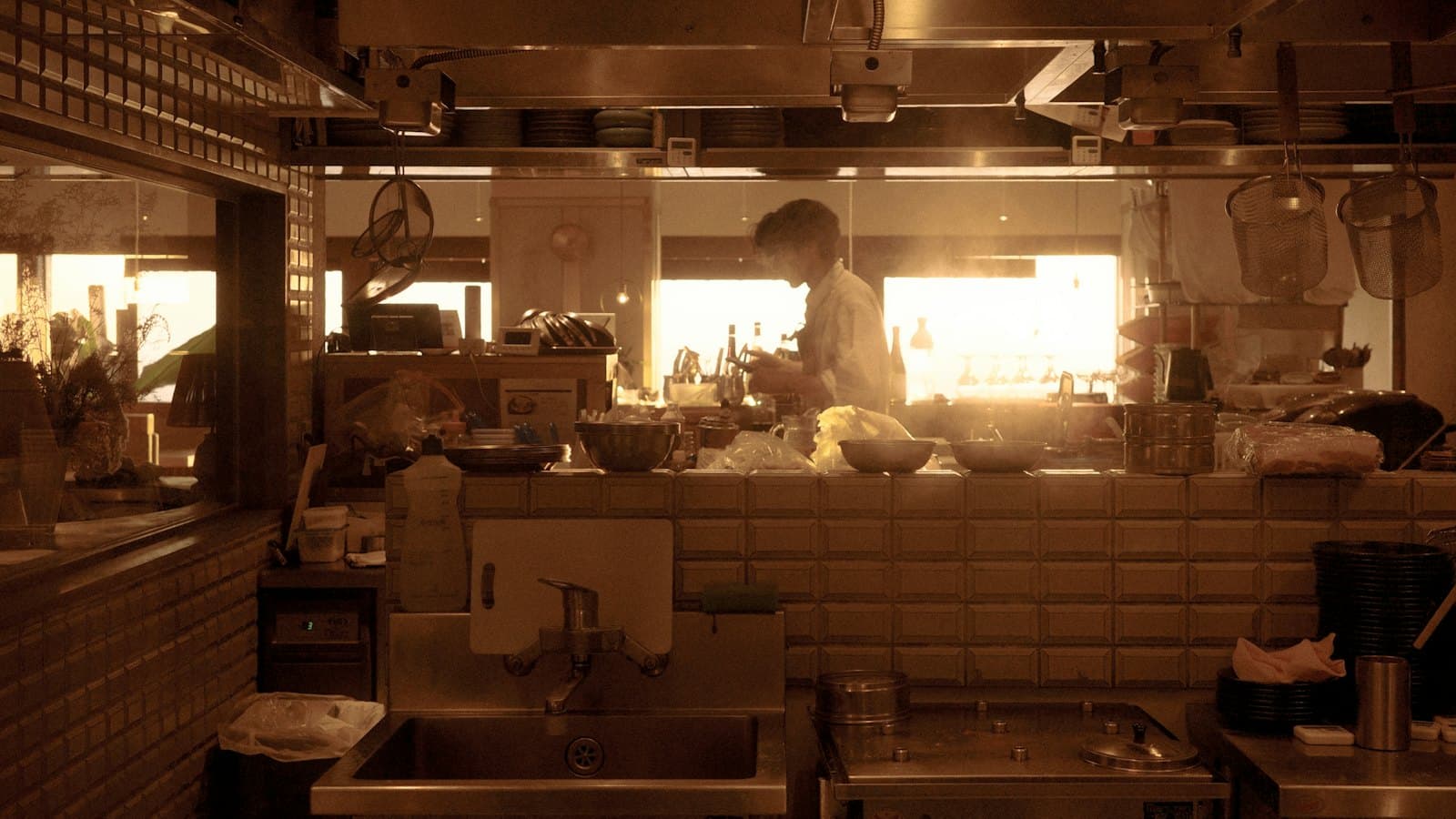
A German cockroach in a restaurant is the same insect as one in a home kitchen. The pests barely change between the two settings. Everything around them does: the size of the building, the number of people coming and going, the cost of a customer spotting something, and what an inspector expects to see in writing.
Scale And Structural Complexity
A home has one perimeter, a garage, and a limited number of ways in.
A commercial building can have dock doors that stay open half the day, dumpster enclosures, shared walls with the business next door, drop ceilings, rows of floor drains, walk-in coolers, mechanical rooms, and utility runs that connect one suite to another.
Homes have nothing quite like most of those. Receiving doors are the biggest single commercial entry point because the business needs them open to function, which means they cannot simply be sealed.
Multi-tenant construction raises the stakes further. In a retail strip or office complex, pests move through shared walls and utility runs, so a neighbor's problem becomes your problem whether or not they deal with it.
Regulatory Exposure
Here the gap between the two is widest.
At home, nobody audits your pest control. If you are satisfied, the job is done.
Restaurants, food processors, medical offices, care facilities, and childcare centers answer to inspectors. In Utah, food establishments are inspected by the local health department, which for St. George is the Southwest Utah Public Health Department, and evidence of pests can lower a score, prompt a return inspection, or in serious cases shut the doors.
That changes the goal. Home service fixes what the family noticed. Commercial service has to keep evidence from appearing at all, because droppings or a dead roach under a prep table count against you whether or not anyone complained.
Documentation
At home, you need the problem gone. At a business, you also need proof that it was handled.
A commercial account usually keeps an on-site service log holding a report from every visit, a map of device locations, monitoring counts over time, product labels and safety data sheets, applicator licensing, and recommended fixes with notes on whether they were completed.
Inspectors ask to see it. A business with a complete, current log and a clear service history is in a much stronger position than one that simply looks clean on inspection day.
Frequency
Home service is commonly quarterly, sometimes more often during the busiest months of the year.
Commercial frequency follows risk. An office may be fine quarterly. Restaurants usually need monthly service at a minimum, and busy kitchens, food plants, and healthcare settings often need visits every two weeks or weekly.
What drives that schedule is how fast a problem can grow and how bad it would be if it did. Cockroaches in a hot commercial kitchen with constant food access multiply far faster than they would in a typical home, and summer heat in southern Utah only speeds that up.
Timing And Access
Home appointments happen during the day.
Commercial work has to fit around the business, which often means before opening, after closing, or on a day the building is shut. Nobody services a kitchen in the middle of the dinner rush, and some warehouses can only be reached on weekends.
That is more than a scheduling detail. It decides which companies can realistically handle a given account.
Method Selection
At home, the priority is keeping kids and pets safe, and there is a fair amount of flexibility in what can be used and where.
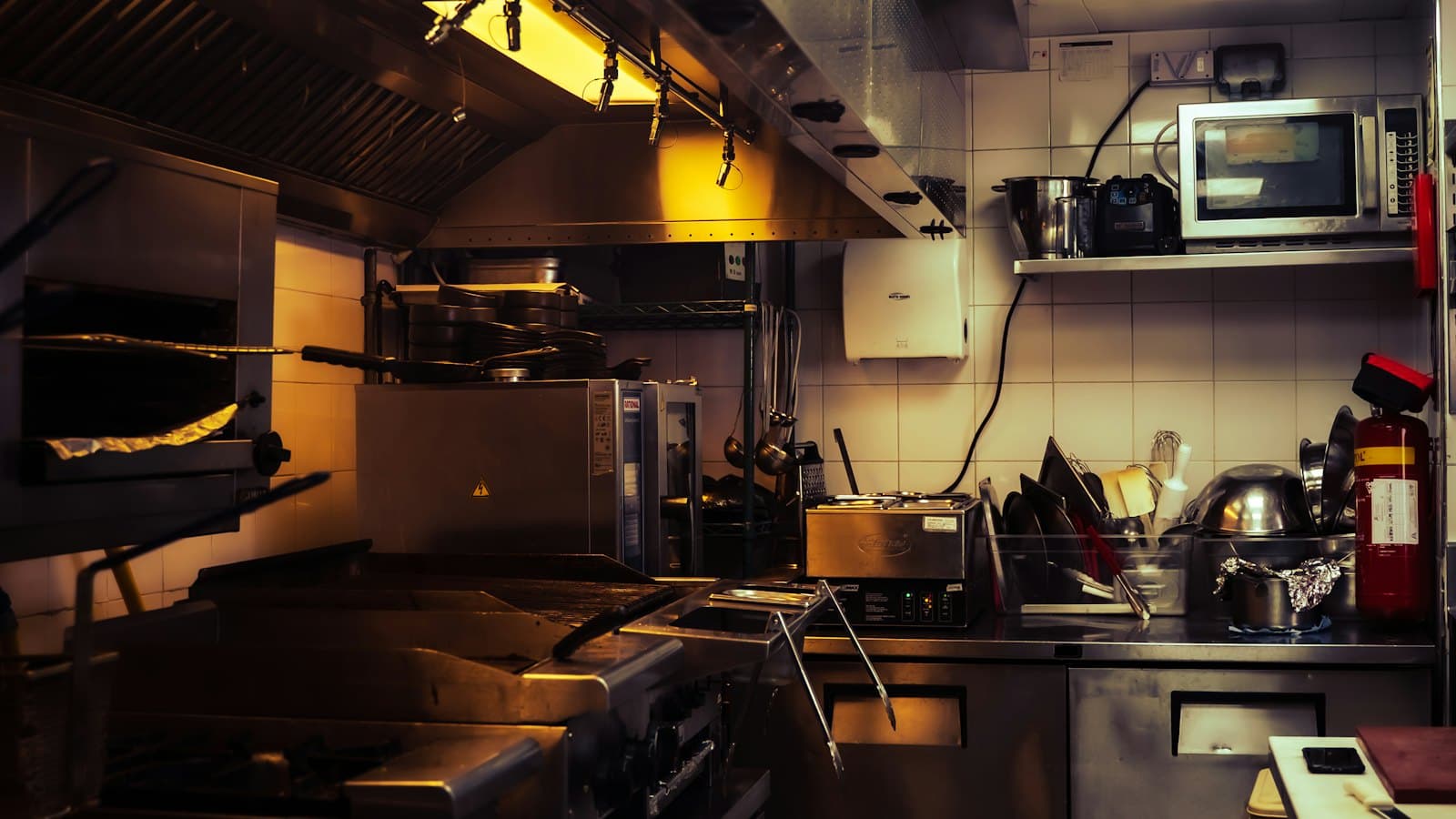
In food businesses, the rules are tight. Prep surfaces, food storage, and equipment areas limit what can be applied, so commercial programs lean on monitoring devices, insect light traps, locked bait stations, sealing, and sanitation fixes instead of spraying.
As a result, good commercial service often looks more like inspection and repair than treatment.
The Sanitation Relationship
At home, cleaning advice is a recommendation.
At a business, sanitation is usually the root of the problem. Grease under the fryer line, buildup in floor drains, a messy dumpster pad, standing water, and crowded storage will beat any treatment plan.
A commercial provider who is not writing up sanitation problems and pushing to get them fixed is not doing the whole job, because no product makes up for a drain that never gets cleaned.
Cost Structure
Home service is usually a set price per visit or per plan.
Commercial pricing depends on square footage, layout, visit frequency, the type of business, documentation needs, and after-hours access. It costs more, and the comparison is not apples to apples, because the service includes inspection support and records, not just fewer pests.
Which You Need
For a house or a rental home, the answer is simple. Mixed situations take more thought.
Commercial service makes sense if you prepare or store food, face health or regulatory inspections, have customers or patients on site, share a building with other tenants, run loading docks or large receiving areas, or would face liability or a hit to your reputation if a pest were seen.
A home office with no public traffic usually does not need it. A commercial kitchen operating out of a residential building does.
Butter Pest Control offers both residential and commercial service across St. George and Washington County. Get in touch and we will figure out what your property actually needs.
Dealing with this pest at your place?
Butter serves St. George and southern Utah with free inspections and a re-treatment guarantee. Get an honest quote, no pressure.
Aspen Chournos
Aspen Chournos writes about desert pest pressure and prevention for homes and businesses across St. George and southern Utah.