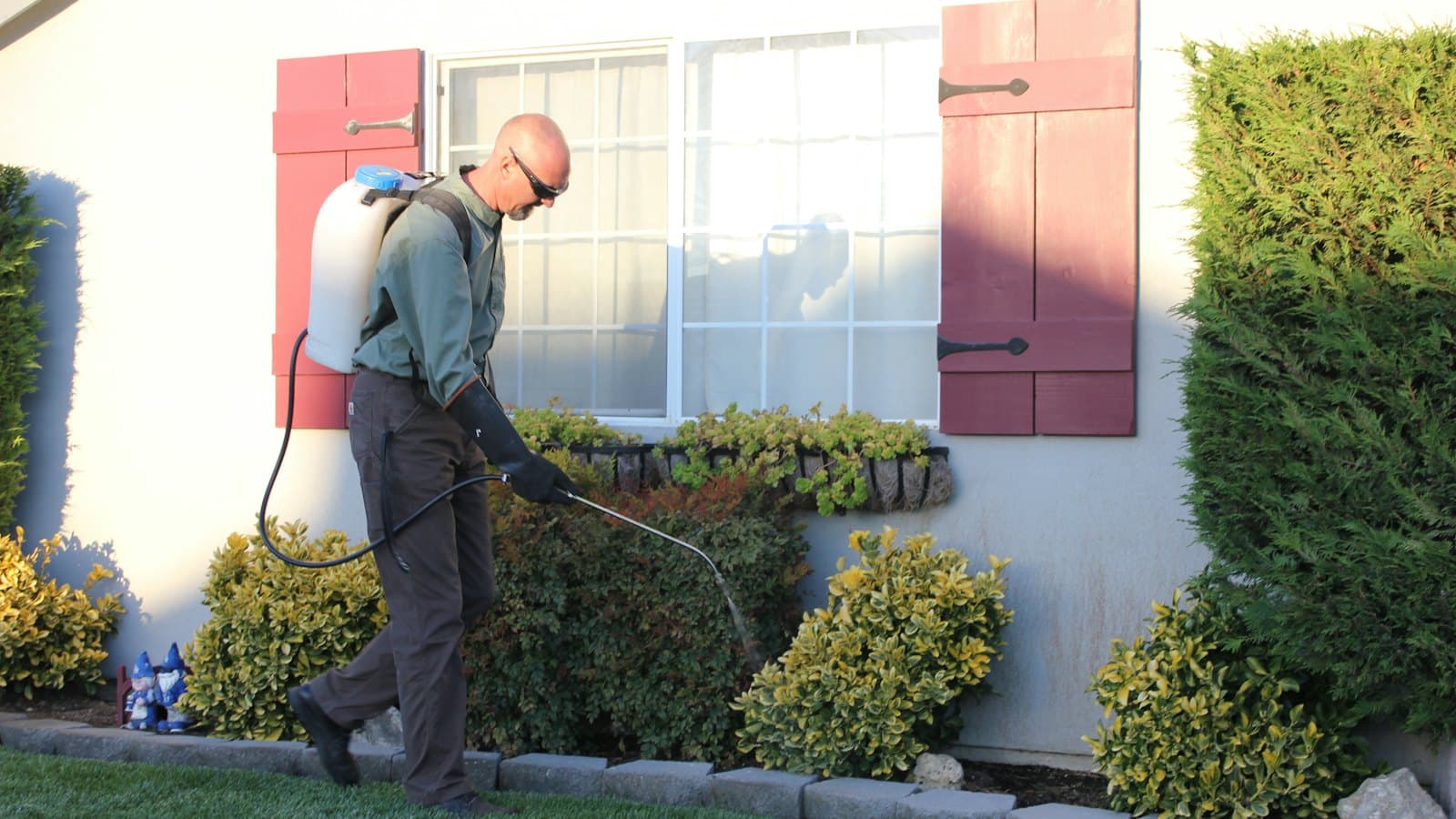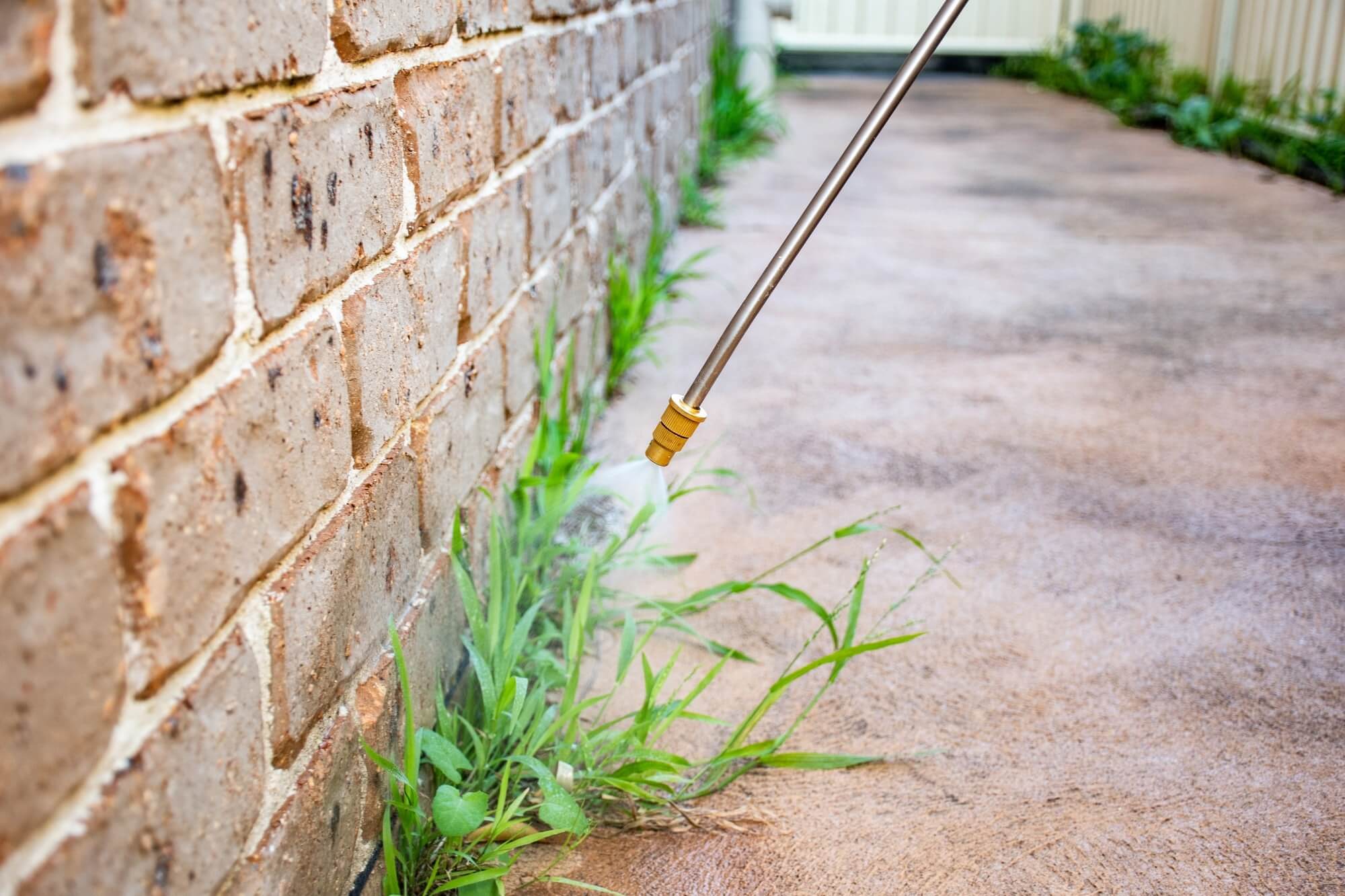

Spring arrives early in St. George. By late February and March, days are warm, irrigation systems are running again, and people are spending more time outside. Pests that slowed down over the mild winter pick back up right along with them. Some spring problems look minor at first, but plenty of them grow into much bigger issues if nobody deals with them.
As pests become more active, they go looking for food, water, and shelter, and that often brings them right up against homes and other buildings where conditions are more stable. Knowing which spring problems tend to escalate is a big part of managing them well. With the right spring pest control approach, it's much easier to keep populations small and limit the long-term impact.
Why Spring In The Desert Fuels Pest Growth
Spring in southern Utah gives pests nearly ideal conditions. Warming temperatures speed up their life cycles, while freshly started irrigation and the occasional spring rain create moist spots for nesting and feeding. Populations can expand quickly without anyone noticing right away.
Ants, spiders, scorpions, cockroaches, rodents, and wasps all become more visible this time of year. Subterranean termites often send out swarmers in spring as colonies look to expand. What starts as an occasional sighting can turn into steady activity within a few weeks.
Getting involved early matters. Handling pest activity while it's still manageable keeps it from becoming a full-blown problem once summer heat arrives.
Spring Pests That Can Get Out Of Hand Fast
- Ants. A small trail can turn into a large colony with branches throughout the house
- Spiders and scorpions. More insects mean more food, so more predators show up
- Cockroaches. Warm conditions let them breed quickly in hidden spots
- Rodents. Spring nesting can expand a population inside walls, garages, and attics
- Wasps. A small early nest under an eave can become a large colony by summer
None of these pests exist in isolation. As activity increases, different species overlap and the situation gets more complicated. Dealing with the early signs limits that growth and reduces the need for more intensive treatment later.
Hidden Places Where Pest Problems Build
- Wall voids. Pests travel freely inside walls without being seen
- Attics. These spaces offer shelter and steady temperatures
- Kitchens and pantries. Food draws a wide range of pests
- Exterior entry points. Gaps around doors, windows, weep screeds, and the slab give easy access
- Landscaping. Dense shrubs, rock piles, and yard debris create hiding and nesting spots
Because these spots are out of sight, pest activity can grow without anyone noticing. By the time signs show up, a population may already be well established. That's why spring pest control leans on inspection and prevention instead of waiting to react.
How Small Problems Become Large Infestations
Pest problems rarely hold steady. Most species reproduce fast, and one pest often brings others. Insects draw spiders and scorpions, while food scraps attract both ants and rodents. That chain reaction makes infestations harder to manage the longer they go.
Pests also adapt. Once they find a reliable source of food or shelter, they keep coming back, which is why one-time fixes tend to fall short over the long haul.
It helps to understand how to keep spaces pest-free as the seasons change. For commercial properties in particular, steady attention keeps activity down across very different settings.
Prevention Steps That Support Long-Term Control
- Seal entry points. Closing gaps keeps pests from getting into the structure
- Manage moisture. Fixing leaky emitters and improving drainage removes a major attraction
- Keep things clean. Removing food sources cuts down on pest activity
- Watch the yard. Trimming plants and clearing debris reduces hiding spots
- Schedule regular inspections. Routine checks catch issues early
Prevention is a core part of any effective spring pest control plan. These steps lower the risk on their own, but they work best as part of a broader strategy that adapts as conditions change.
Why A Single Treatment Often Isn't Enough
A one-time treatment can bring short-term relief, but it doesn't fix the conditions that let pests return. Spring activity shifts constantly, and things change fast as temperatures climb toward summer.
Without follow-up monitoring, new infestations can take hold even after the first treatment. That leads to repeat problems and a lot of frustration. A more structured approach focuses on consistency and long-term management instead of quick fixes.
For homeowners, understanding how routine upkeep supports pest prevention is worth the effort. Small changes to spring home maintenance can make a real difference over time.
Building A Long-Term Spring Pest Plan
Managing pests in spring takes more than reacting to what you see. It means understanding how pests behave, where they're likely to develop, and what conditions help them grow. Addressing those factors early makes it much easier to stay in control all season.
Spring pest control that centers on prevention, monitoring, and targeted treatment produces more consistent results. It lowers the odds of recurring infestations and keeps both the house and yard more comfortable heading into a long St. George summer.
Dealing with this pest at your place?
Butter serves St. George and southern Utah with free inspections and a re-treatment guarantee. Get an honest quote, no pressure.
Aspen Chournos
Aspen Chournos writes about desert pest pressure and prevention for homes and businesses across St. George and southern Utah.