Most pest problems begin quietly and only become obvious once the population has had time to grow. It's natural to grab a can or a bait station from the hardware store and hope one round takes care of it. The trouble is that DIY treatments usually miss the source and don't account for how the pest actually behaves. When the root cause is left alone, the problem tends to get more complicated, and more expensive, to fix later.
Ants, spiders, scorpions, rodents, and other common invaders each call for a specific approach. Where they nest, how they get in, and what draws them shifts with the season and with how a house is built. Without that understanding, a treatment may slow things down for a week or two without actually solving anything. That's why early signs deserve attention and why professional pest control tends to be the more dependable fix over time.
Knowing where DIY efforts usually go wrong can save homeowners money and keep a small problem from becoming a recurring one.
Misidentifying the Pest and Its Behavior
Getting the pest wrong is one of the most common DIY missteps. Plenty of pests look alike or use the same entry points, and if you don't know exactly what you're dealing with, it's easy to buy a product that doesn't match its habits.
Ants are a good example. Some species go for sweets, others want protein or grease, and harvester ants in desert yards have their own behavior altogether. A general spray might kill the ants on the counter while the colony carries on untouched. Scorpions are another case: Arizona bark scorpions hide in block walls and rock landscaping and shrug off a lot of what's sold over the counter.
Rodents round out the picture. Many homeowners don't realize how quickly mice, or pack rats under the hood of a car, can settle in once conditions change. Misreading the signs leaves the real problem in place.
Accurate identification is the foundation of everything else. Without it, any treatment is a guess, and the relief won't last.
Using the Wrong Product or Wrong Application Method
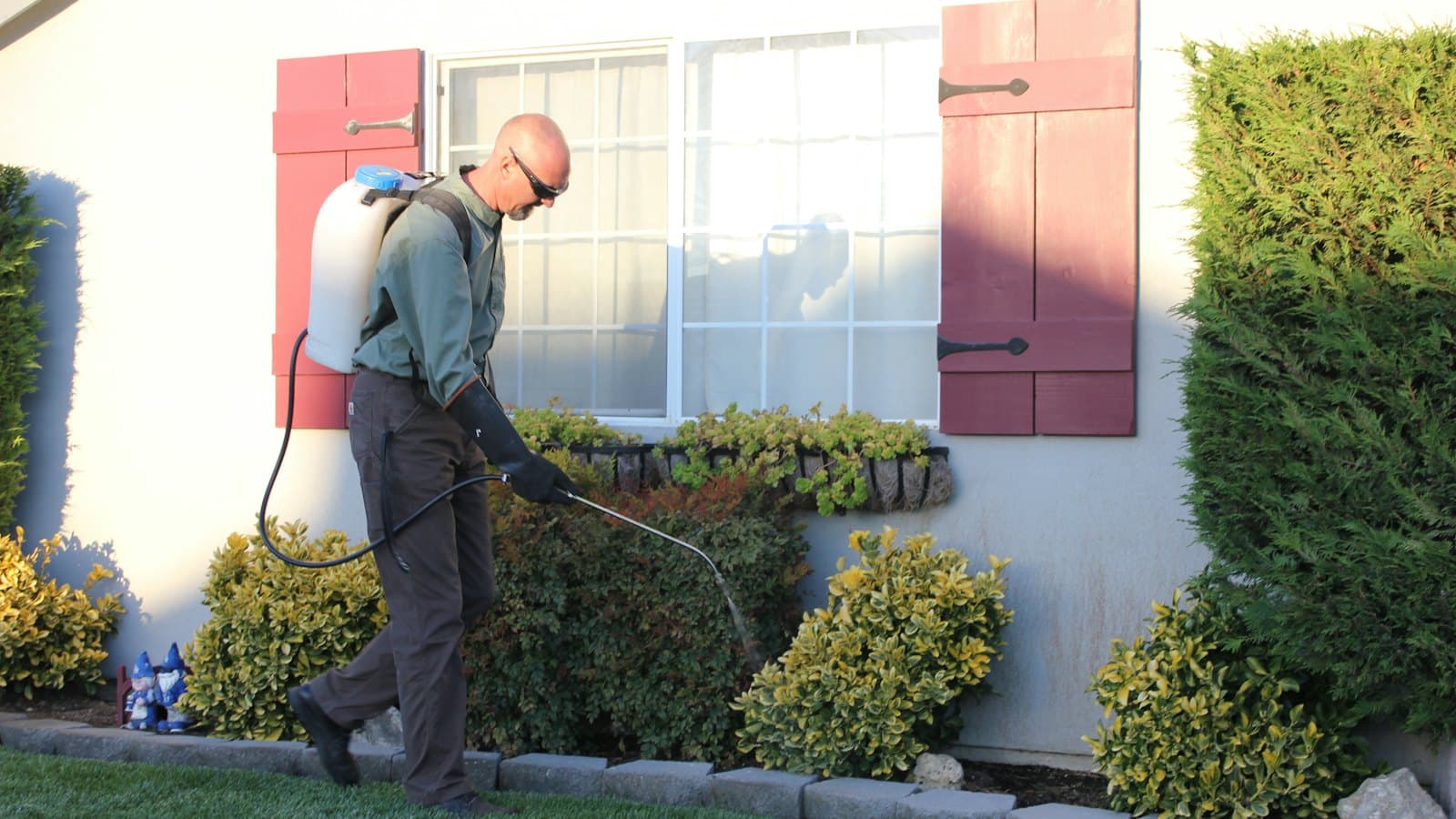
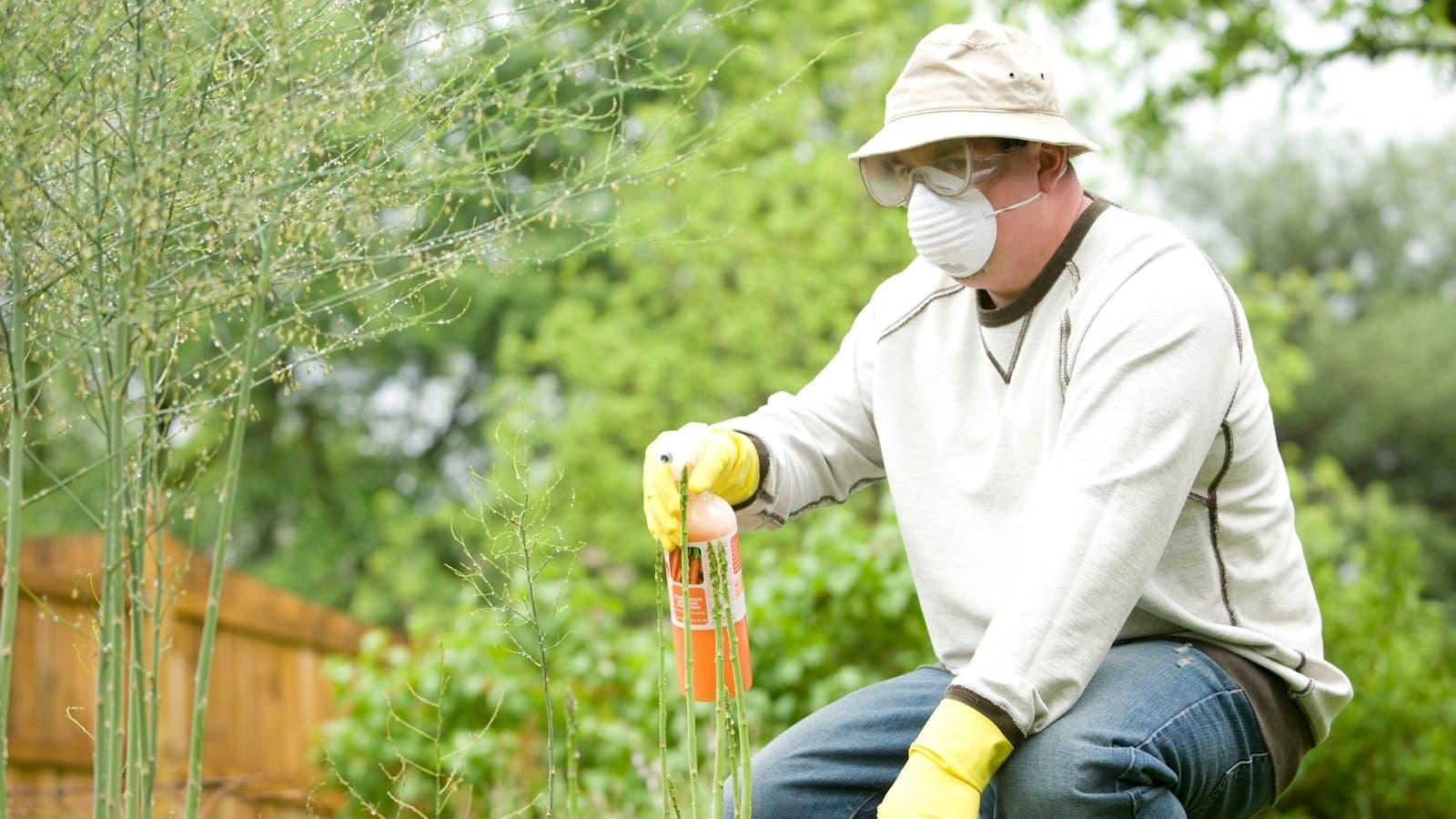
Consumer pest products are made to be simple, and the instructions rarely cover the details that decide whether a treatment works. It's very common for homeowners to apply them in the wrong amounts or the wrong places.
Typical mistakes include:
- Using far more product than needed, which can scatter pests instead of killing them
- Spraying only where pests are seen rather than where they're coming from
- Picking a product that doesn't fit the pest or the situation
Heavy application can push pests deeper into walls or into rooms that weren't affected before, creating new trouble spots that are harder to reach. Too little, on the other hand, leaves survivors that bounce back almost right away.
Each pest needs product placed in a particular way. Ants may call for a combination of baits and a perimeter treatment. Spiders and scorpions shelter in cracks, weep screeds, and wall voids. Rodents need sealing and trapping more than they need chemicals.
When products are chosen poorly or applied inconsistently, the infestation can keep growing out of sight while things look fine on the surface.
Overlooking Entry Points and Structural Vulnerabilities
Pests don't wander in by accident. They follow scent, moisture, temperature differences, and gaps in the structure. DIY efforts usually focus on killing what's visible instead of figuring out how it got inside.
In southern Utah homes, common gaps include cracks in stucco, worn garage door seals, unsealed utility lines, gaps around A/C line sets, and spaces where block walls meet the house. Those openings let pests come right back after a treatment. Seasonal changes widen the list: in summer, pests push in looking for shade and cooler air, and in fall, rodents and spiders look for shelter.
Rodents and scorpions are especially good at finding small openings. Sealing them properly takes the right materials and a careful eye, and DIY efforts often miss the less obvious gaps.
Skip the entry points and the problem returns quickly. Over time, repeated store-bought treatments cost more than fixing the structural issue in the first place.
Creating Conditions That Allow Pests to Rebound
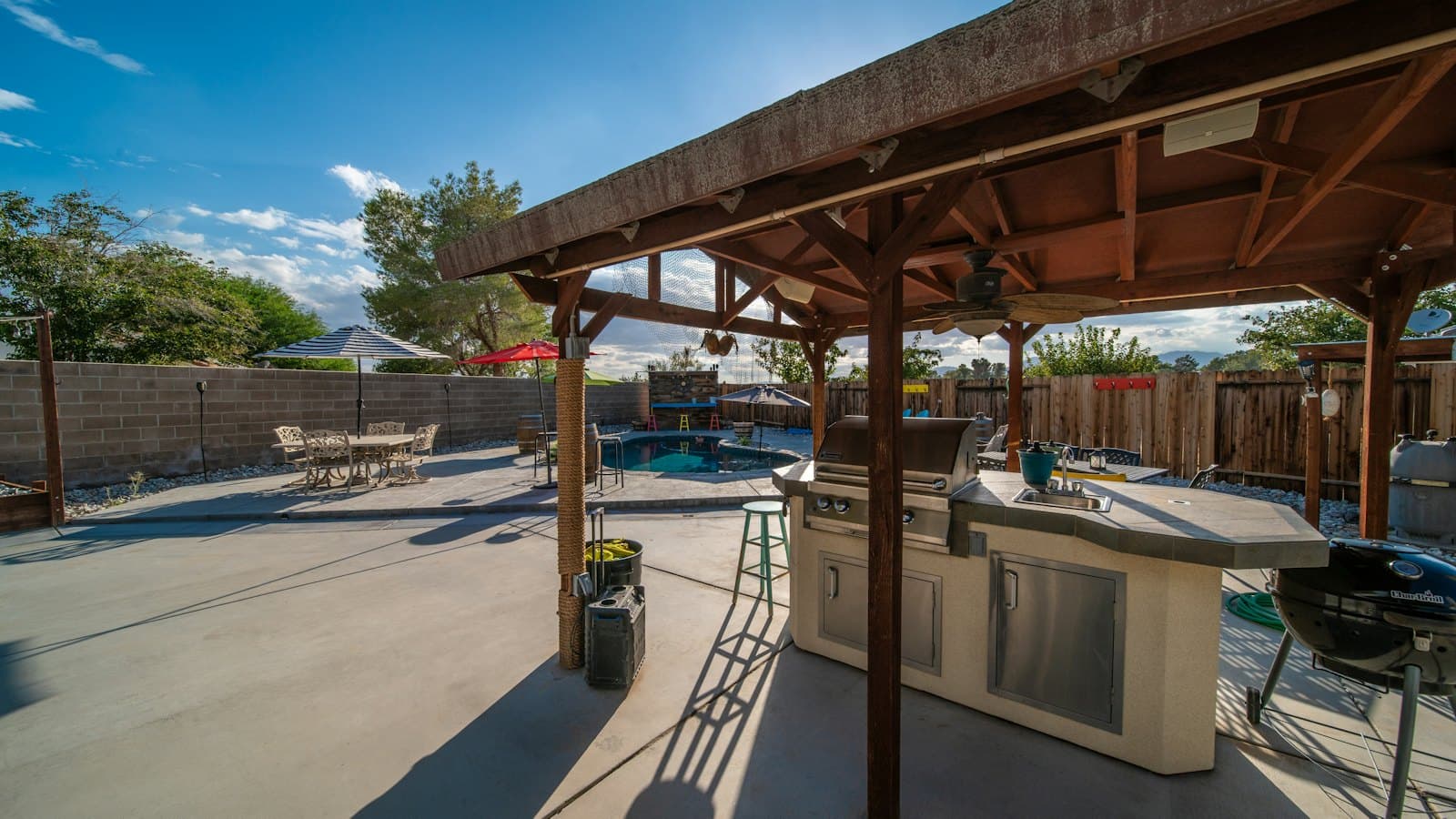
A lot of DIY effort goes into the treatment itself and none into the conditions that keep pests alive. Pests stick around when they have water, food, shelter, and a place to be left alone. As long as those are available, they'll return no matter how much product goes down.
Conditions that commonly keep pests coming back:
- Crumbs, grease, and pet food in kitchens and garages
- Leaky drip lines, damp planter beds, and moisture under sinks
- Clutter, stored boxes, and rock piles that provide cover
Pests adapt well. Treat without changing the environment and they simply move. Ants may relocate next to an irrigation line, and rodents may shift into wall voids or the attic where DIY products can't reach.
Fixing those conditions starts with a careful inspection. Professionals look at moisture, landscaping, entry points, and how a house is used to figure out why pests are settling where they are.
When chemicals are the only tool, the cycle repeats, and each round costs a little more.
When DIY Costs More Than Professional Help
DIY often looks like the budget option, but the cost of repeat purchases adds up quickly. More importantly, a problem left unsolved for months can lead to real damage or contamination.
The issues that get expensive:
- Rodents chewing through wiring in attics, HVAC units, and vehicles
- Hidden nests that grow inside walls and require repair work
- Follow-on problems like fleas, mites, or contamination left behind by rodents
Store-bought approaches rarely include a full inspection, a look at moisture and landscaping, or ongoing monitoring, so homeowners never see how big the problem actually is. That's where professional service earns its keep. Instead of scattered attempts, a trained technician builds a plan around how the pest behaves and what the property needs.
Professionals also use targeted products and equipment that aren't sold to the public, which lets them reach areas DIY treatments can't and finish the job instead of just suppressing it.
Many homeowners only realize afterward that their DIY efforts let the problem drag on, adding damage and raising the final cost.
When DIY Isn't Enough Anymore
If a pest problem keeps growing or keeps coming back, it's time for expert help that resolves it completely and safely. Contact Butter Pest Control for a free inspection and professional solutions that protect your home for the long haul.
Dealing with this pest at your place?
Butter serves St. George and southern Utah with free inspections and a re-treatment guarantee. Get an honest quote, no pressure.
Aspen Chournos
Aspen Chournos writes about desert pest pressure and prevention for homes and businesses across St. George and southern Utah.