In St. George, the pest season starts early and runs long. Warm days return in late winter, summer brings weeks of triple-digit heat, and monsoon storms stir things up again in July and August. The easy window for prevention comes early, and what you get done in February and March shapes how much trouble you have by August.
Here is the checklist, in order.
Late Winter: February To March
Walk the outside of the house. Months of hot days and cool nights open cracks in stucco and concrete. Check the slab edge, stucco near the ground, where block walls meet the house, and every pipe and wire that enters the wall. Make a list of what needs sealing.
Check door sweeps and garage seals. Start with the garage door corners, where seals fail first. Desert sun dries rubber out fast. If light shows under a closed door, a mouse or scorpion can get under it.
Look over window and door screens. Small tears become open doors once insects get going.
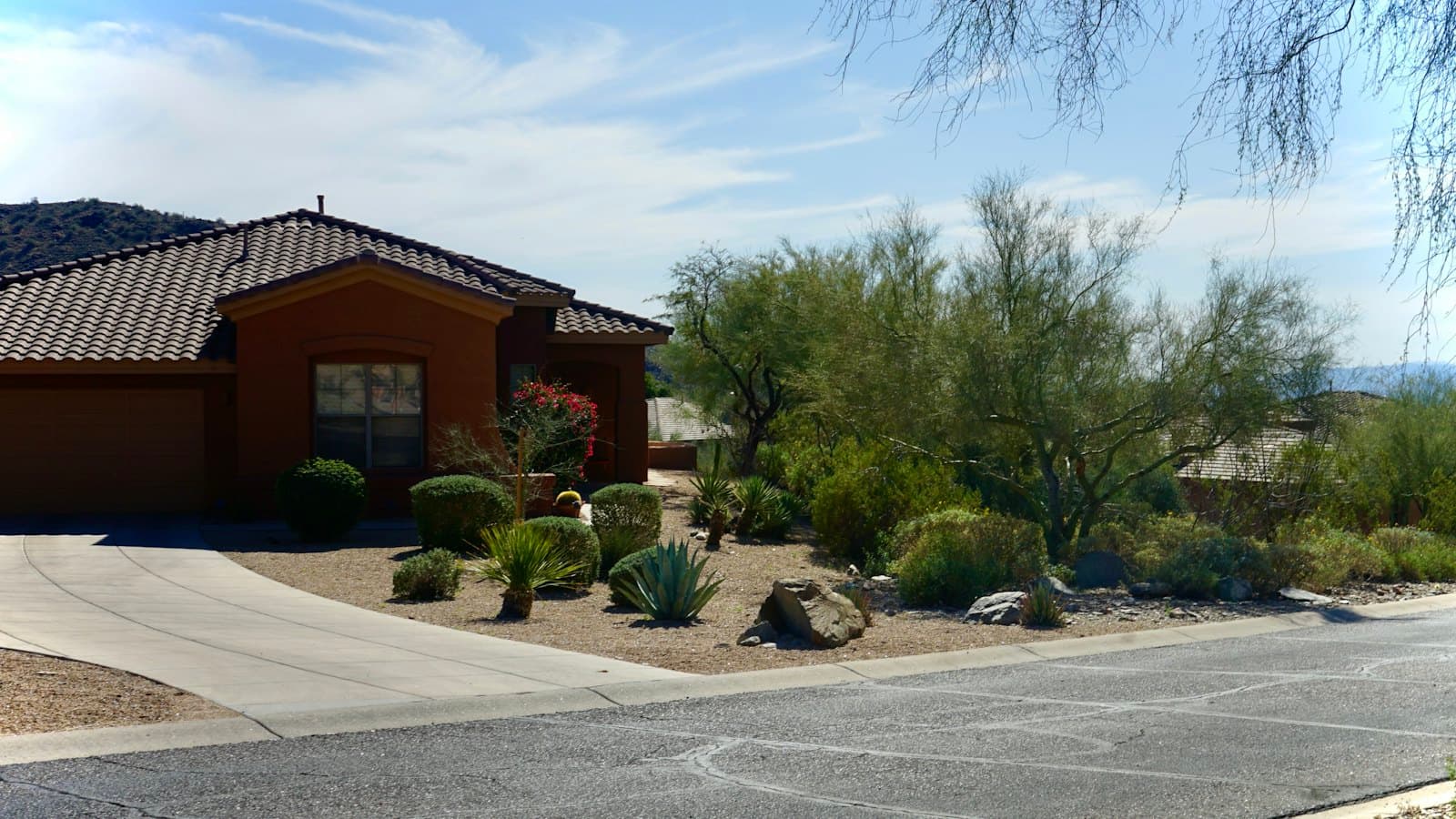
Clear the foundation strip. Pull dead plants, leaves, and debris that piled up over winter. Aim for at least 18 inches of open ground or gravel along the walls.
Deal with the woodpile and stored materials. Raise firewood, move it away from the house, and get boards, pavers, and spare blocks off the ground near the walls. These are prime hideouts for black widows and scorpions.
Check the attic and garage. Look for droppings, nests, and chew marks left by rodents over the cooler months. Finding them now is much better than finding them next fall.
Check the roof edge. Look for missing bird stops and open gaps at the ends of tile rows, which rodents and birds use all year.
Spring: April To May
This is the most important stretch of the year. Two things happen now that set up the whole season.
Watch for early ant trails. Colonies get busy as the ground warms. A trail found now comes from a colony that is not fully built up yet. Follow it back to where it enters rather than spraying it, and get it treated the right way. Ants handled in April are a fraction of the problem they will be in July.
Check for new wasp nests. Queens that rested through winter start nests on their own, often as early as March here. Look under eaves, patio covers, the edges of tile roofs, play sets, grills, and outdoor furniture. A nest at this stage is the size of a walnut and easy to handle. The same nest in August is a job for a professional.
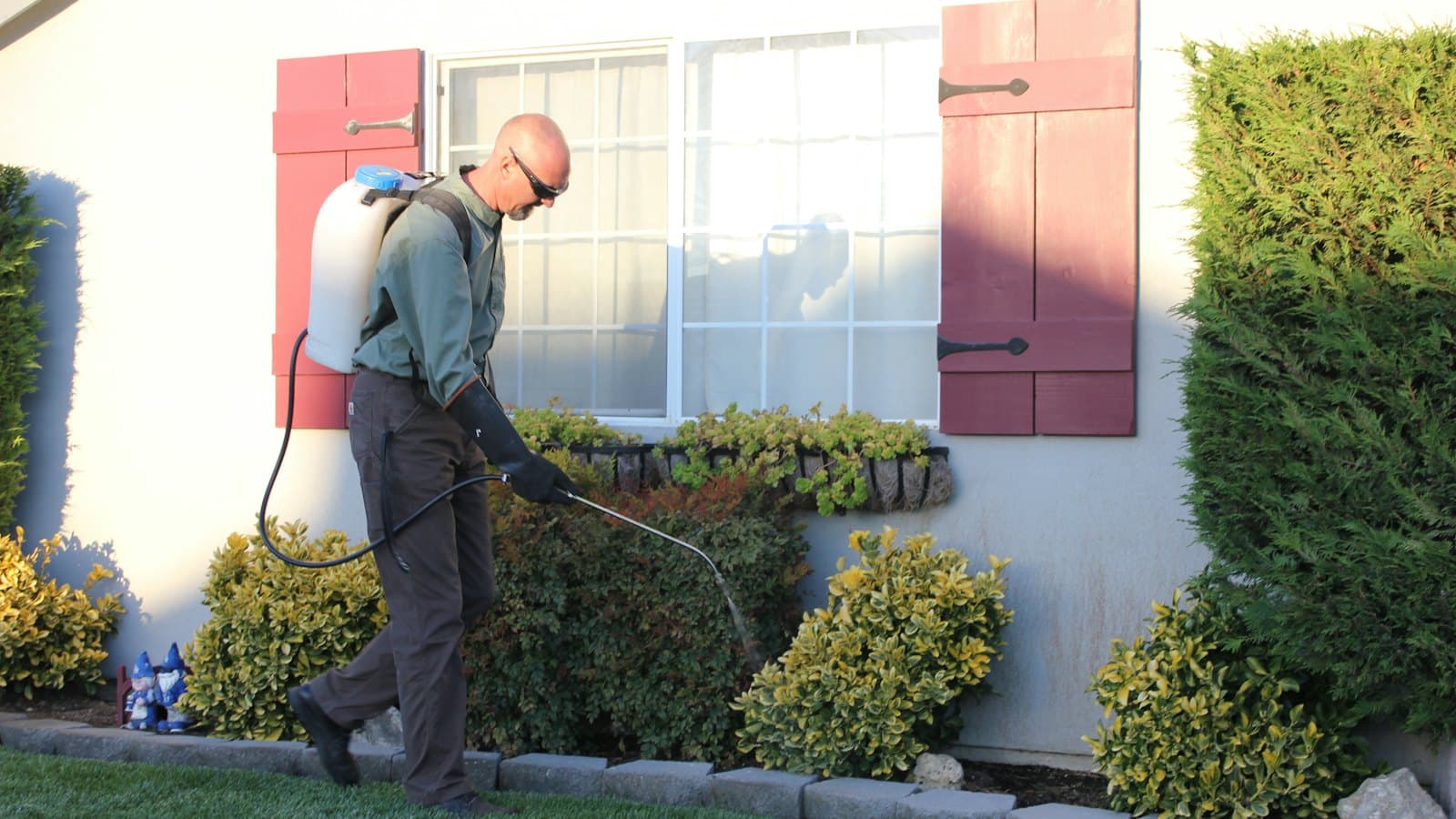
Schedule your first treatment. A perimeter treatment before populations build up does more than the same treatment in midsummer.
Cut plants back from the house. Nothing should touch the walls or roof. Branches and palm fronds within about six feet of the roof give rodents a bridge.
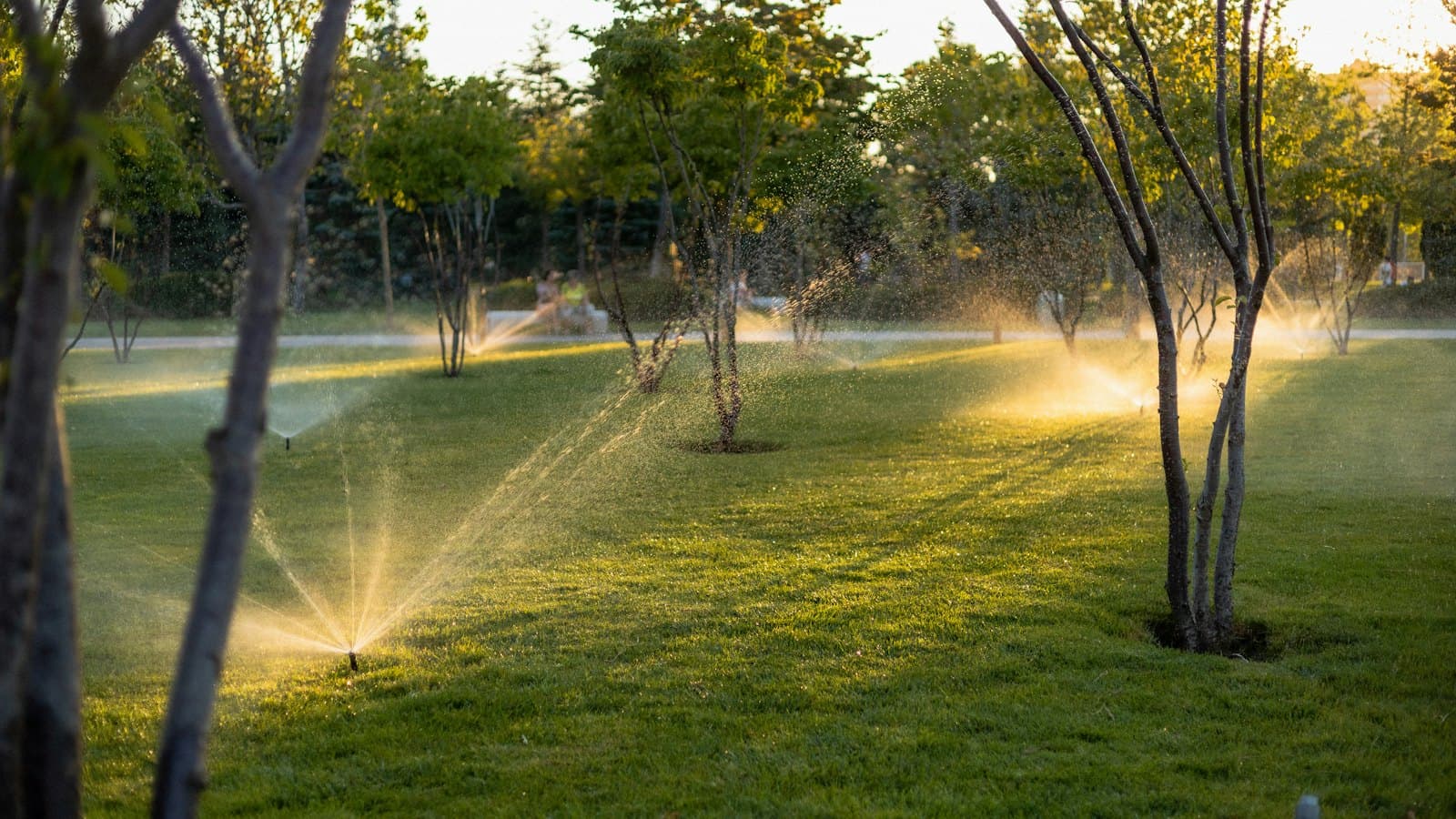
Check irrigation as the watering schedule ramps up. Look for leaks, broken emitters, and heads spraying the walls. In the desert, water against the house is the strongest pest attractant you control.
Early Summer: June
Check again for wasp nests. Nests missed in spring are bigger now but still manageable.
Watch for ants indoors. Trails in the kitchen or bathroom mean the colony has found water or food inside, and June heat makes that more likely. Follow them rather than spraying.
Fix moisture problems. Look under sinks, around the water heater, at the washer hookups, and around AC condensate lines.
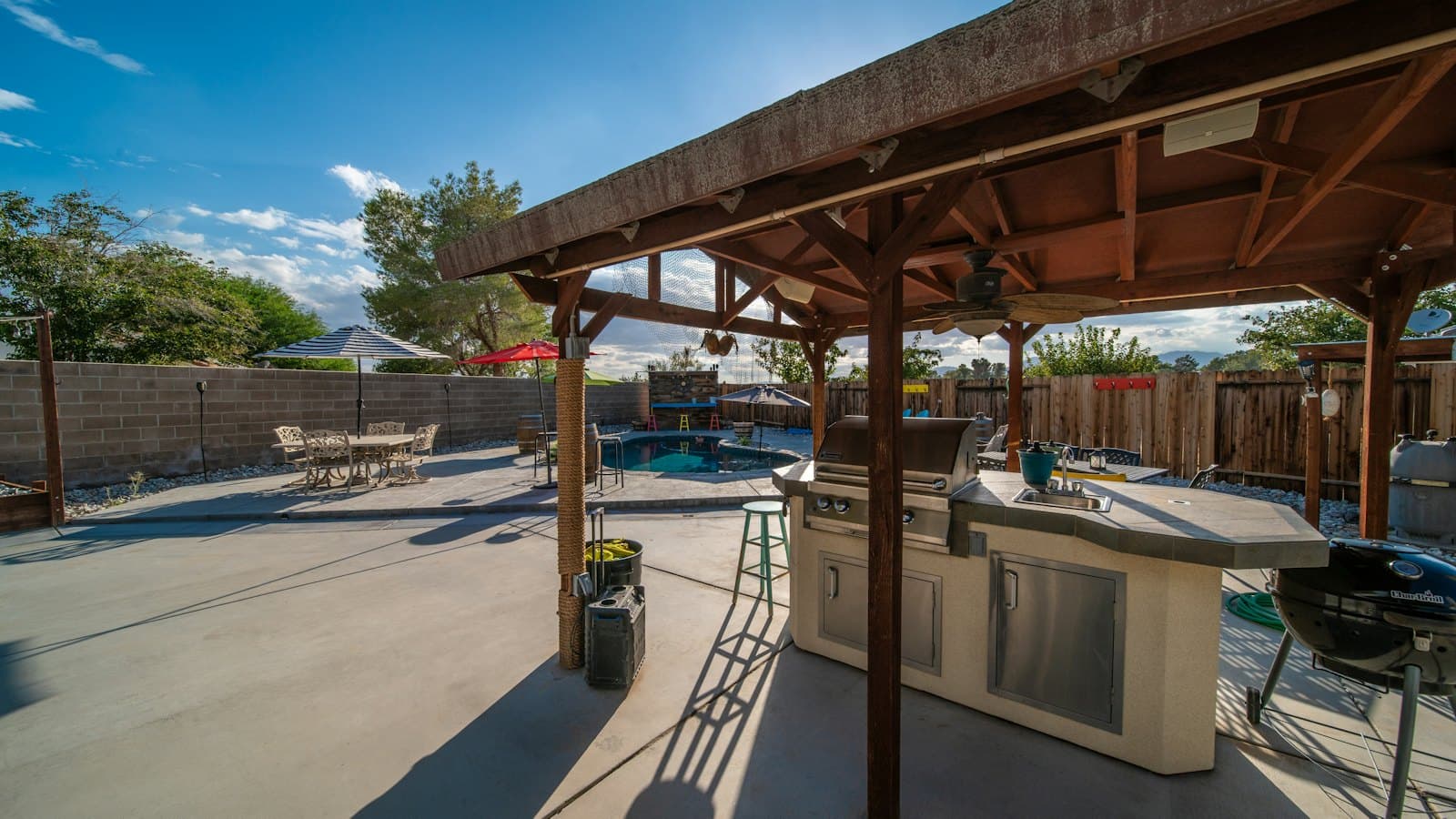
Keep outdoor eating areas clean. Close the trash cans, clean up after meals, rinse recycling, and pick up fallen fruit. This heads off the late-summer wasp problem before it starts.
Look at your outdoor lights. Switching to warm white bulbs at 2700K or lower, or amber bulbs, cuts down the insects gathering at your doors and the spiders and scorpions that hunt them.
Monsoon Season: July
Keep an eye on irrigation. Watering is at its peak. Adjust anything hitting walls or the slab, fix leaks quickly, and cut back watering after a good storm.
Expect a burst of activity after storms. Monsoon rains bring out ants, termite swarmers, crickets, millipedes, and mosquitoes. Empty anything holding rainwater within a few days.
Watch for spiders. Spider activity climbs as insects peak. Clearing webs from eaves and corners also shows you where the activity is concentrated.
Check for scorpions. Bark scorpions are very active on warm nights. Clear rock piles, debris, and stored items from along the walls, shake out shoes and gloves left in the garage, and check walls with a blacklight after dark.
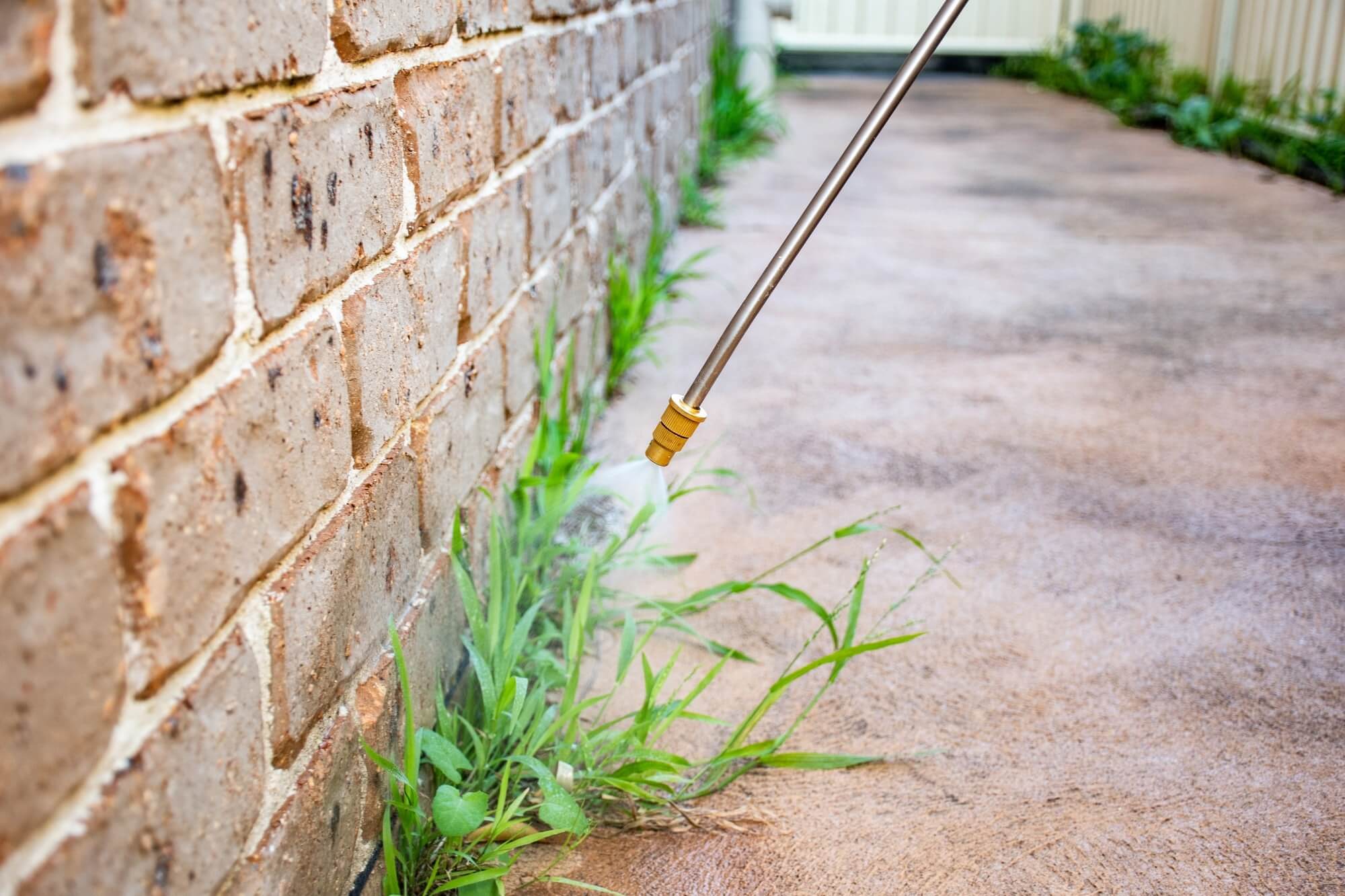
Keep the foundation strip clear. Weeds grow fast with water and rebuild the path that leads pests to the house.
Second treatment. A mid-season service keeps the perimeter barrier working through the heaviest pressure.
Late Summer: August To September
Prime wasp season and the start of rodent movement.
Do not try to remove large wasp nests yourself. Colonies are at their biggest and most defensive. This is when you call a professional.
Look before doing yard work. Before mowing or trimming, stand back for a minute and watch for insects going in and out of one spot in the ground or a block wall. Hidden nests cause most serious stinging incidents.
Start sealing out rodents. As nights begin to cool in fall, rodents go looking for shelter. Sealing now, before they move in, is the whole difference between keeping them out and getting them out. Focus on roof edges, vents, pipe openings, and garage door seals.
Pick up fallen fruit. It draws wasps hard this time of year.
Check the attic again. Early rodent activity is much easier to handle than a population that has settled in for the winter.
The Two Things That Matter Most
If you skip everything else on this list, do these two.
Check for wasp nests in March, April, and May. Ten minutes now prevents nearly every serious stinging problem later.
Finish rodent sealing before the cool nights of fall. September and October. That is the difference between keeping rodents out and pulling them out.
Everything else helps. Those two make the biggest difference.
If you would rather have this handled on a schedule than keep track of it yourself, contact Butter Pest Control and we will build a plan around the southern Utah calendar.
Dealing with this pest at your place?
Butter serves St. George and southern Utah with free inspections and a re-treatment guarantee. Get an honest quote, no pressure.
Aspen Chournos
Aspen Chournos writes about desert pest pressure and prevention for homes and businesses across St. George and southern Utah.