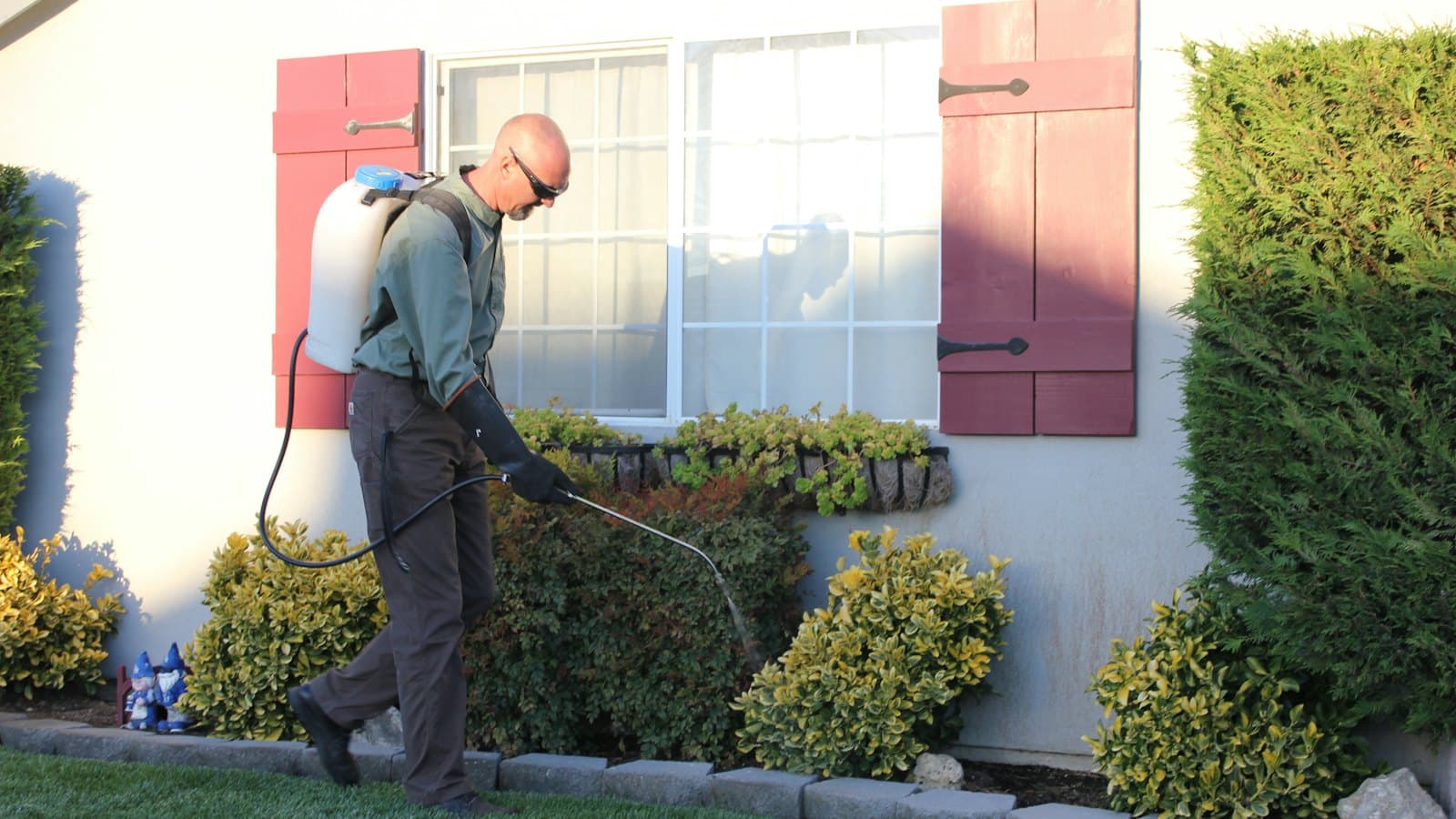
Pests don't follow a convenient schedule. Ants, spiders, scorpions, rodents, wasps, cockroaches, bed bugs, and other common invaders respond to heat, food, and shelter all year long. In St. George, where summers are scorching, monsoon storms roll through in late summer, and winters stay mild, pest activity slows down in the cooler months but rarely stops. Without steady oversight, small issues can turn into recurring problems.
From a professional point of view, waiting until you see activity is seldom the best approach. A structured maintenance plan provides proactive protection that gets ahead of seasonal patterns before infestations develop. Instead of reacting to emergencies, homeowners get predictable, strategic service designed to lower risk over time.
Seasonal Pest Activity Never Fully Stops
Plenty of homeowners assume pest pressure is limited to the warm months. Activity does peak from spring through fall, but desert pests adapt to every season.
Over the course of a year, you might see:
- Ants foraging in kitchens as spring warms up
- Scorpions active on warm nights from spring through fall
- Spiders and rodents moving toward the house as nights cool in fall
- Wasps nesting under eaves and roof tiles in spring and summer
- Cockroaches thriving around plumbing all year
- Bed bugs arriving with travelers and guests
Each species reacts differently to changes in the environment. Insects head indoors to escape extreme summer heat, while rodents look for shelter as temperatures drop. Because those transitions happen gradually, infestations often start without anyone noticing.
A maintenance plan accounts for these seasonal cycles. Scheduled inspections and treatments interrupt pest activity before populations settle into your home.
Why One-Time Treatments Often Come Up Short
Many homeowners only call for service when pests are visible. But a one-off treatment usually addresses the symptoms instead of the cause.
Single visits tend to struggle because:
- Hidden nests are left alone
- Entry points aren't fully sealed
- The conditions attracting pests aren't corrected
- Monitoring stops after the first visit
Pests that seem to be gone may simply return from untreated areas.
Ant colonies, for instance, can reach far beyond the visible trail. Rodents may be nesting in wall voids or the attic. Spiders rebuild webs in quiet corners. Without ongoing monitoring, a small population can bounce back.
A maintenance plan provides continuity. Instead of reacting each time pests appear, the focus moves to long-term suppression and prevention.
Inspections Find Hidden Weak Spots
Many pest problems begin in places homeowners rarely look. Attic corners, garages, utility penetrations, weep screeds, and gaps at the slab often provide both a way in and a place to hide.
Regular inspections usually focus on:
- Cracks in the stucco and along the foundation
- Gaps around doors, windows, and garage seals
- Openings at the roofline, under tile edges, and around vents
- Moisture building up near plumbing and irrigation
Knowing how to spot these risks is essential, because pests take advantage of features that are easy to overlook.
Professional inspections go deeper than a quick look. Technicians evaluate conditions that might attract pests, such as excess moisture or cluttered storage. Catching problems early allows corrections to be made before an infestation grows.
When inspections happen only after a complaint, the problem may already be advanced. Scheduled visits as part of a maintenance plan provide steady oversight.
Combined Strategies Deliver Lasting Results
Effective pest control rarely depends on a single tactic. A year-round maintenance plan combines several strategies tailored to the property and the season.
Those strategies often include:
- Perimeter treatments to reduce outdoor pressure
- Targeted interior treatment where needed
- Monitoring devices in high-risk areas
- Recommendations for sealing and sanitation
Ants, spiders, scorpions, rodents, wasps, cockroaches, and bed bugs all need different approaches, and a structured plan makes sure each is handled properly.
Rodent prevention may involve sealing entry points and removing food sources. Wasp management focuses on early nest removal and monitoring eaves and roof tiles. Bed bugs require specialized inspection and treatment methods.
The goal isn't constant treatment. It's consistent evaluation. By adjusting with the seasons, a maintenance plan keeps things stable without excessive intervention.
Protecting Your Investment All Year
Your home is likely one of your biggest investments. Termite damage, rodents chewing wiring, roaches contaminating the kitchen, or wasps stinging near the patio can disrupt daily life and lead to unexpected costs.
A proactive maintenance plan supports:
- Fewer emergency service calls
- Lower odds of a severe infestation
- A more comfortable home
- Ongoing professional oversight
Preventive service often costs less over time than repeated reactive treatments. Just as important, it brings peace of mind. Instead of wondering when pests will return, homeowners get structured monitoring and targeted prevention.
Pests don't go away permanently without steady effort. Each seasonal shift creates new chances for them to get in and nest. A year-round approach plans for those changes instead of waiting for visible signs.
Stay Ahead Of Pests In Every Season
Don't wait for pests to disrupt your home. A proactive plan offers consistent protection all year. Contact Butter Pest Control to set up a complete pest maintenance plan that keeps your St. George area home protected year-round.
Dealing with this pest at your place?
Butter serves St. George and southern Utah with free inspections and a re-treatment guarantee. Get an honest quote, no pressure.
Aspen Chournos
Aspen Chournos writes about desert pest pressure and prevention for homes and businesses across St. George and southern Utah.