
More and more homeowners in St. George and across Washington County want pest control that works while keeping environmental impact low. The challenge is finding eco-friendly pest solutions that really hold up against stubborn pests like ants, spiders, scorpions, cockroaches, wasps, rodents, and bed bugs without giving up results.
From a professional point of view, environmentally responsible pest control isn't about weaker products. It's about precision, targeted application, and integrated strategies that cut down overall chemical use while still producing measurable results.
What Eco-Friendly Pest Control Actually Means
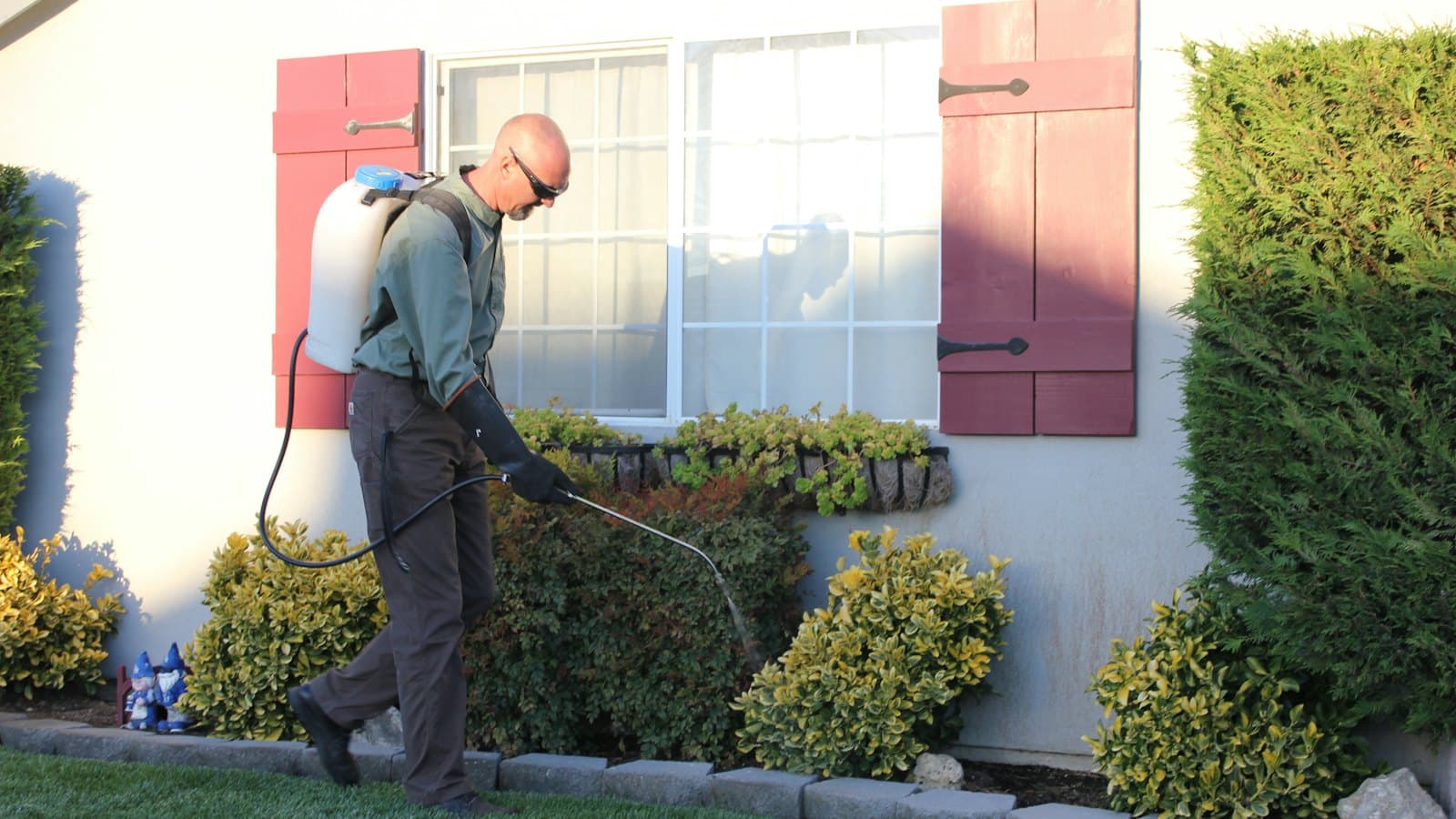
The phrase eco-friendly pest solutions is often misunderstood. It doesn't mean skipping treatment or relying on unproven home remedies. It refers to a strategic approach built around safety, accuracy, and long-term prevention.
Core elements include:
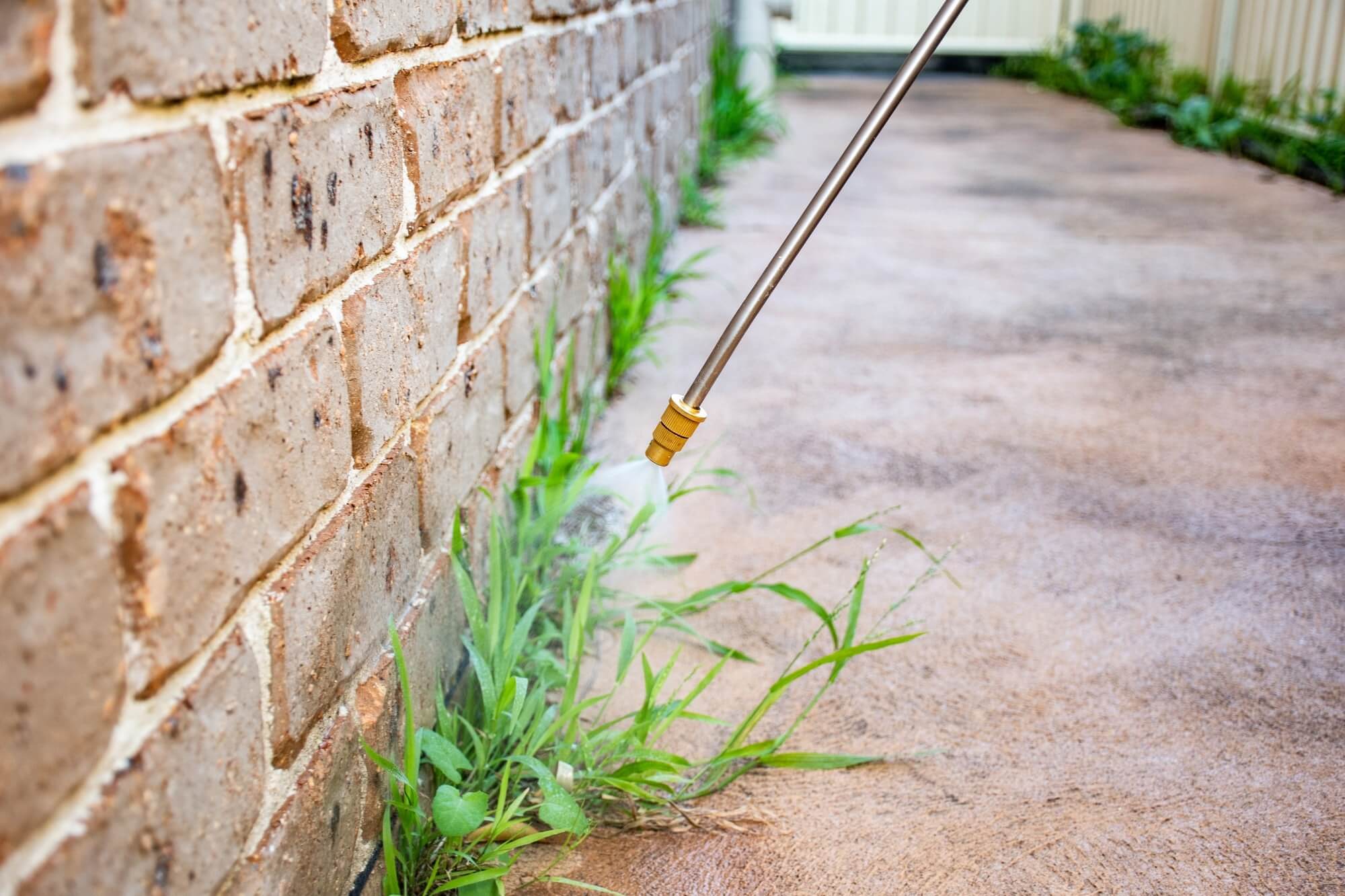
- targeted applications instead of broad spraying
- products designed to break down efficiently in the environment
- choosing formulations based on the biology of the specific pest
- limiting exposure in areas where pests aren't active
- pairing treatment with structural and sanitation improvements
Ant infestations, for example, often call for baits that worker ants carry back to the colony. Broad surface sprays may kill the ants you see but leave the nest untouched. Precision is what matters.
Rodent management, likewise, focuses as much on exclusion and habitat changes as it does on control. Sealing entry points and removing attractants reduces the need for repeat treatments.
Understanding what eco-friendly really involves helps homeowners separate marketing claims from practices backed by science.
Matching The Solution To The Pest
Good pest control always starts with correct identification. Eco-friendly methods only succeed when they match the biology and behavior of the pest involved.
Common household pests around St. George include:
- ants that nest under slabs, in rock beds, or inside walls
- spiders, including black widows, that build in garages and quiet corners
- scorpions that hide in block walls, lava rock, and landscape debris
- cockroaches that thrive around kitchen and bathroom plumbing
- wasps that nest under eaves, roof tiles, and patio covers
- rodents that slip through small gaps looking for shelter
- bed bugs that hide in furniture and bedding seams
Each of these pests needs its own approach. Eco-friendly bed bug treatment may rely on heat or targeted residual products placed directly where they hide. Wasps may call for removing a specific nest instead of spraying the whole exterior.
A professional evaluation makes sure eco-friendly solutions go exactly where they're needed, which reduces unnecessary exposure and improves results.
Why Precision Matters More Than The Label
Some homeowners assume a product labeled natural is automatically safe and effective. In practice, how a product is applied often matters more than what's in it.
Professional service emphasizes:
- a thorough inspection before any treatment
- finding entry points and nesting zones
- placing baits and residual products strategically
- monitoring to confirm populations are dropping
- adjusting the plan as the seasons change
Poor application can lead to repeat infestations. Incomplete sealing during rodent exclusion can leave new ways in. Inconsistent ant bait placement can cause colonies to split and move rather than collapse.
Mistakes made during well-meaning DIY efforts can complicate later treatment and often raise long-term costs.
Eco-friendly doesn't mean experimental. It takes informed work grounded in pest biology and awareness of the environment.
Seasonal Factors In The Desert
Conditions in southern Utah shift a lot through the year. Long stretches of extreme heat, summer monsoon storms, and mild winters all affect pest behavior.
Effective eco-friendly programs account for:
- ant, scorpion, and wasp activity as spring and summer heat builds
- bursts of insect activity after monsoon rains
- rodent and spider movement toward structures as fall nights cool
- moisture-driven cockroach activity around irrigation and plumbing
- stucco and slab gaps that open up as materials expand and contract in the heat
A preventive mindset is essential. Instead of reacting to visible infestations, professionals plan around predictable pest cycles.
For St. George homeowners, paying attention to the seasons is one of the best ways to reduce reliance on chemicals. Proactive inspections lower the chance of needing widespread treatment later in the year.
Fixing weak spots early limits the need for more intensive measures.
Measuring Long-Term Effectiveness
The real test of an eco-friendly solution isn't how fast it knocks pests down. It's whether control lasts. Short-term reduction that ignores root causes usually leads to repeat treatments.
Long-term success depends on:
- consistent monitoring of pest activity
- structural improvements that limit access
- moisture management that discourages infestations
- sanitation habits that remove food sources
- cooperation between the homeowner and the service provider
Ant control, for instance, may require both baiting and sealing gaps at the slab. Rodent management combines trapping with exclusion. Reducing cockroaches often means fixing moisture problems along with targeted treatment.
Professional guidance keeps these pieces working together instead of separately. The goal is a home where pests struggle to survive, which reduces the need for repeated chemical use.
Homeowners looking for eco-friendly solutions should look for complete strategies rather than one-product promises. Precision, monitoring, and adjustment are what make environmentally conscious programs work.
Pick Smarter Protection For Your Home
Eco-friendly pest control works best when it's strategic and guided by a professional. Targeted application, thorough inspections, and seasonal planning deliver dependable results with less environmental impact. For expert, environmentally responsible pest management, contact Butter Pest Control to talk through eco-friendly solutions tailored to your St. George area property.
Dealing with this pest at your place?
Butter serves St. George and southern Utah with free inspections and a re-treatment guarantee. Get an honest quote, no pressure.
Aspen Chournos
Aspen Chournos writes about desert pest pressure and prevention for homes and businesses across St. George and southern Utah.